
Why Home Care Routines Matter
For budget-conscious pet owners, hands-on care at home isn't just a nice-to-have - it's a practical strategy for keeping pets healthier while managing costs. Regular grooming, dental hygiene, basic training, and health monitoring all reduce the likelihood of preventable conditions escalating into expensive vet visits.
Beyond the financial benefit, home care routines strengthen the bond between owner and pet. Animals that are regularly handled, examined, and engaged tend to be calmer, more trusting, and easier to treat when professional care is needed. The time you invest daily pays compounding dividends in pet health and relationship quality.
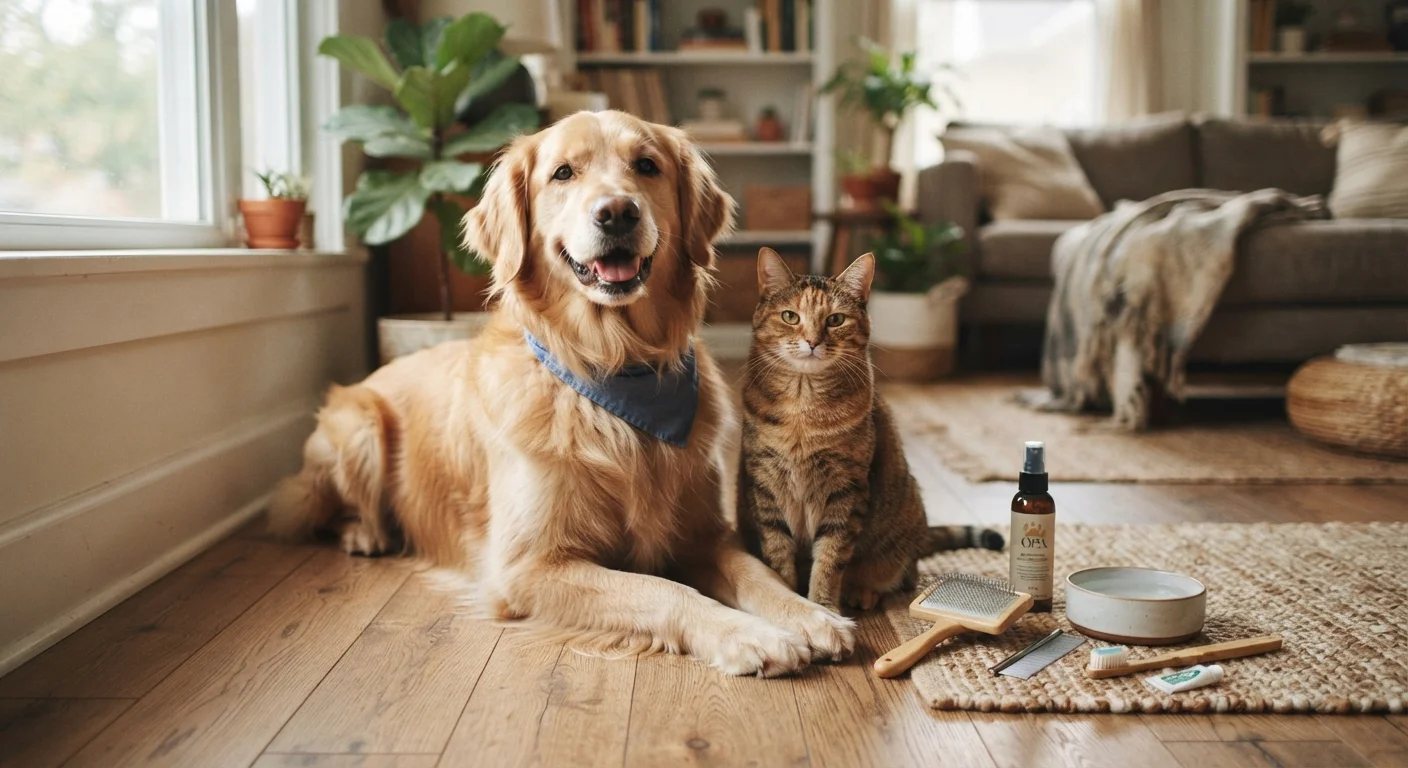
Whether you have a dog, cat, or small animal, the fundamentals of home care follow a similar logic: consistency matters more than perfection. A modest routine done regularly outperforms an intensive one done rarely. Our Budget Pet Health hub offers further guidance on affordable preventive strategies to pair with home care.
Grooming Basics You Can Handle Yourself
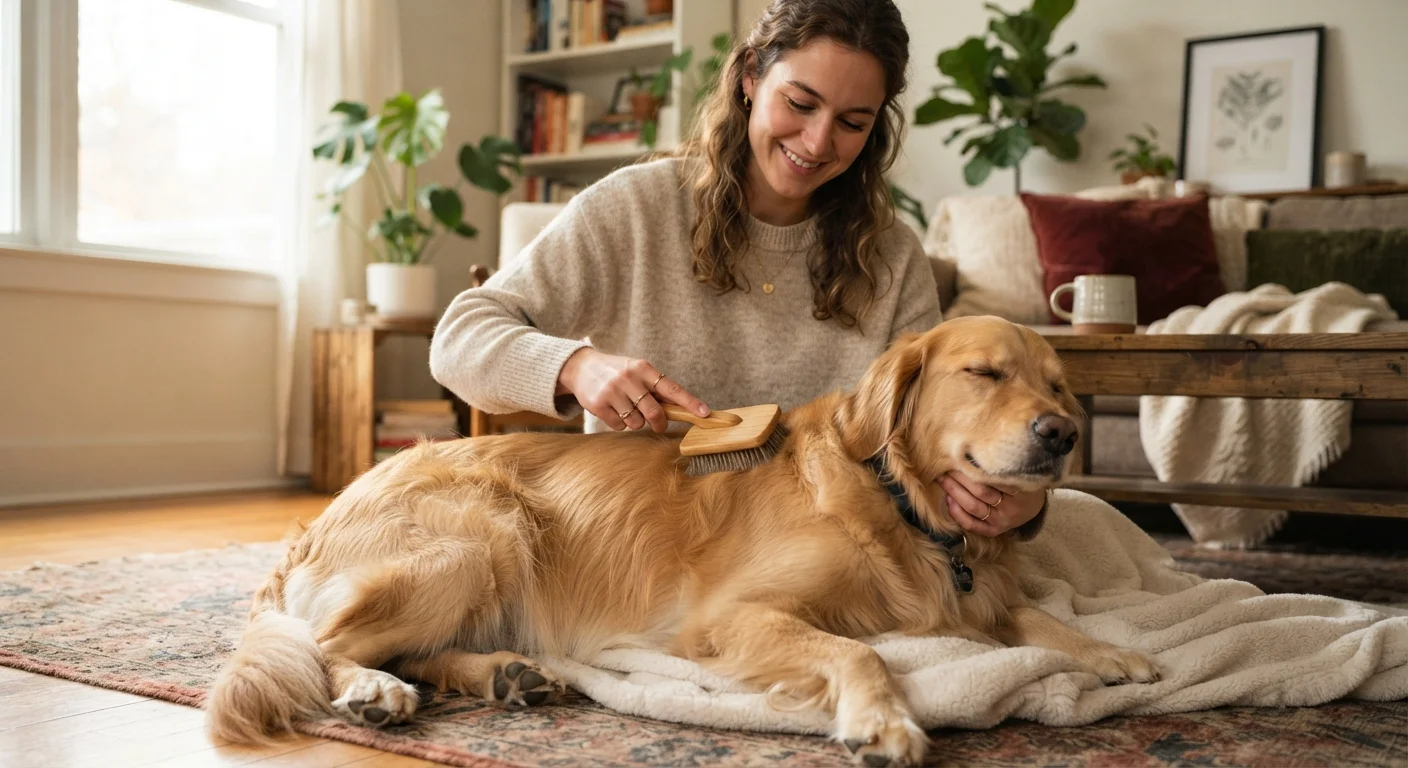
Grooming covers more than appearance. Brushing removes loose fur, stimulates circulation, and gives you a chance to spot lumps, skin irritation, or parasites early. Most short-haired dogs and cats benefit from brushing two to three times per week; long-haired breeds often need daily attention to prevent painful matting.
Nail trimming is another task many owners outsource unnecessarily. With a proper pair of pet nail clippers and a calm approach, most owners can trim nails safely at home every three to four weeks. Trim small amounts at a time to avoid cutting the quick - the blood vessel inside the nail. If you're uncertain about technique, ask your veterinarian to demonstrate at your next visit.
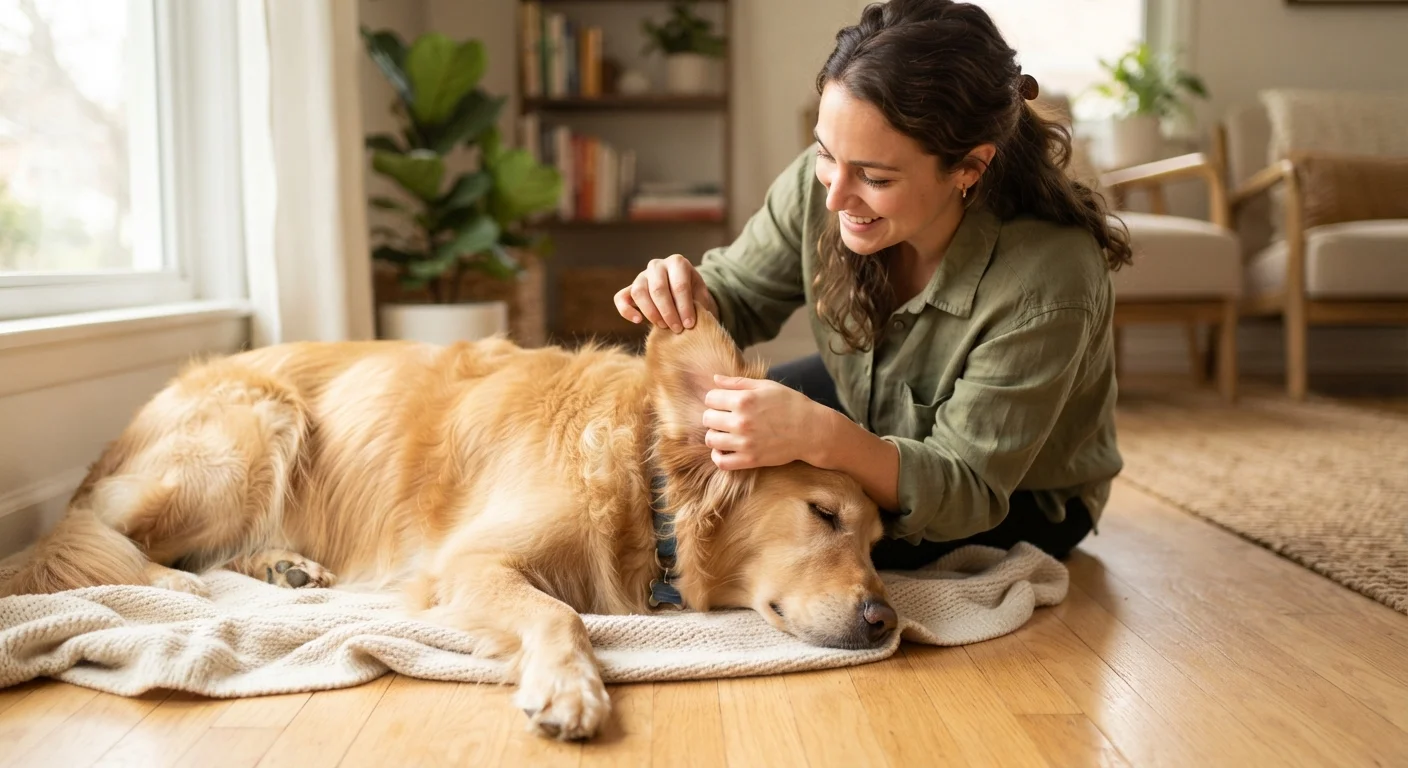
Ear checks should be part of every grooming session. Gently inspect the ear canal for redness, odor, or dark discharge. Clean only the visible outer ear with a vet-approved solution and a cotton ball - never insert anything into the ear canal. See our monthly DIY pet care checklist for a practical grooming schedule.
Introduce grooming tools gradually using positive associations - let your pet sniff the brush and reward calm behavior before you begin. Rushing the process causes resistance that's hard to undo.
Animals that associate grooming with positive experiences accept handling more readily over time, making home care faster and more effective.
Keep grooming sessions short and upbeat, especially with young or anxious animals. Three calm minutes every other day builds more tolerance than a stressful twenty-minute session once a week.
Frequency and positive association matter more than session length when building a pet's comfort with handling.
At-Home Dental Care for Dogs and Cats
Dental disease is one of the most common health conditions in companion animals, and it's largely preventable with consistent home care. Veterinary estimates suggest the majority of dogs and cats show signs of gum disease by age three - yet daily tooth brushing can dramatically slow its progression.
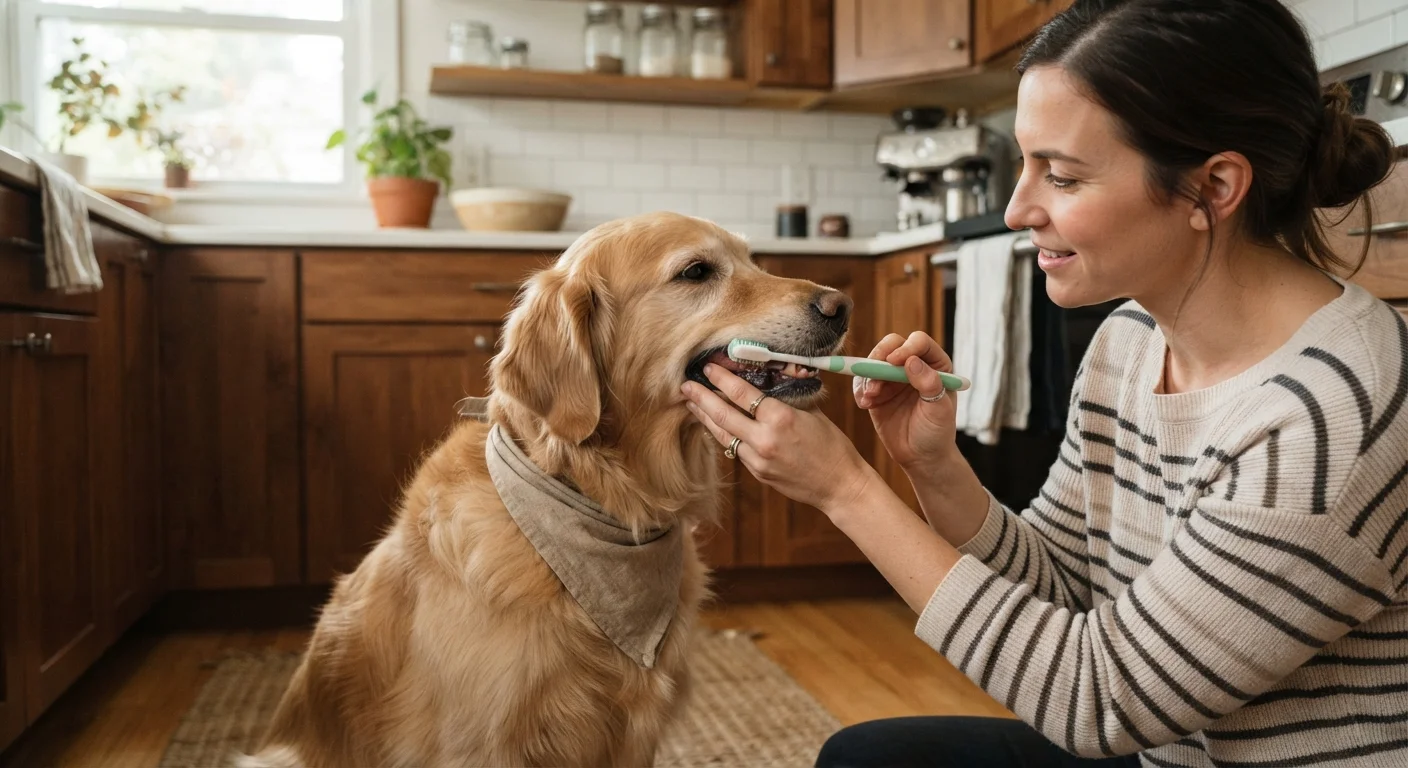
Use a pet-specific toothbrush and toothpaste formulated for animals. Human toothpaste contains compounds that can be harmful to pets and should never be used. Start slowly: let your pet taste the toothpaste, then gradually introduce the brush over several sessions. Aim to brush all tooth surfaces using gentle circular motions, focusing on the gum line where plaque accumulates.
Dental chews and water additives can supplement brushing but are not a substitute for it. For a detailed walkthrough of building this routine, see our article on at-home dental care for dogs and cats.
Never Use Human Dental Products on Pets
Human toothpaste - including many fluoride and xylitol-containing varieties - can be toxic to dogs and cats. Always use toothpaste specifically formulated and labeled safe for animals. If you're unsure which product to choose, your veterinarian can recommend appropriate options at your next visit.
Training and Behavior Foundations
Basic obedience training is one of the highest-return investments a pet owner can make. A dog that responds reliably to recall, sit, stay, and leave-it commands is safer, easier to manage, and less likely to develop the behavior problems - destructive chewing, aggression, excessive barking - that lead owners to seek costly professional intervention.
Positive reinforcement is the most widely supported approach in animal behavior research. Reward desired behaviors promptly with praise, play, or small treats; avoid punishment-based techniques, which can increase anxiety and undermine trust. Short sessions of five to ten minutes, repeated several times daily, produce faster results than infrequent long sessions.
Cats also benefit from basic training. Teaching a cat to come when called, enter a carrier willingly, or stay calm during handling makes veterinary care far less stressful - and reduces the need for sedation during routine exams.
Enrichment: Keeping Pets Mentally Healthy
Physical exercise is essential, but mental stimulation is equally important for pets' behavioral health. Boredom is a primary driver of destructive behavior in both dogs and cats. Enrichment doesn't require expensive toys - puzzle feeders can be made from muffin tins, cardboard boxes, and household objects that encourage natural foraging behavior.
For dogs, varying walk routes, introducing scent-based games, and teaching new tricks all provide cognitive engagement. For cats, window perches, rotating toy selections, and opportunities for climbing and hiding address their natural predatory instincts. Even short, intentional play sessions - ten to fifteen minutes twice daily - have measurable effects on stress levels and behavioral wellbeing.
Social enrichment matters too. Dogs are pack animals and generally thrive with regular interaction; cats are more variable but most benefit from daily owner engagement. Understanding your individual pet's preferences and stress signals is part of building an effective enrichment routine.
70%+
Dogs showing gum disease signs by age 3
Veterinary dental organizations consistently report the majority of companion animals develop periodontal disease by their third year without preventive care.
10-15 min
Daily play sessions to reduce stress behaviors
Animal behaviorists generally recommend at least two short daily play sessions to meaningfully address boredom-driven destructive behavior in companion animals.
Simple Health Monitoring Between Vet Visits
You don't need clinical training to notice when something is off. Regular, attentive observation of your pet's weight, coat, eyes, gums, and behavior creates a baseline that makes changes easier to detect early. Weight fluctuation in either direction - without an obvious dietary cause - is often one of the first signs of an underlying health issue.
Gum color is a reliable quick indicator of circulation and hydration. Healthy gums in dogs and cats are typically moist and pink; pale, white, or tacky gums can signal a problem requiring prompt veterinary attention. For a full walkthrough of what to look for and how to perform a basic home exam, refer to our guide on at-home pet health checks.
For a structured approach to tracking your pet's health month by month, the monthly pet health checklist is a straightforward starting point. Home monitoring doesn't replace veterinary care - it complements it, ensuring that when you do visit the vet, you arrive with useful observations rather than vague concerns.
This article is for general informational and educational purposes only. It is not a substitute for professional veterinary advice, diagnosis, or treatment. Always consult a licensed veterinarian with questions about your pet's health or care needs.