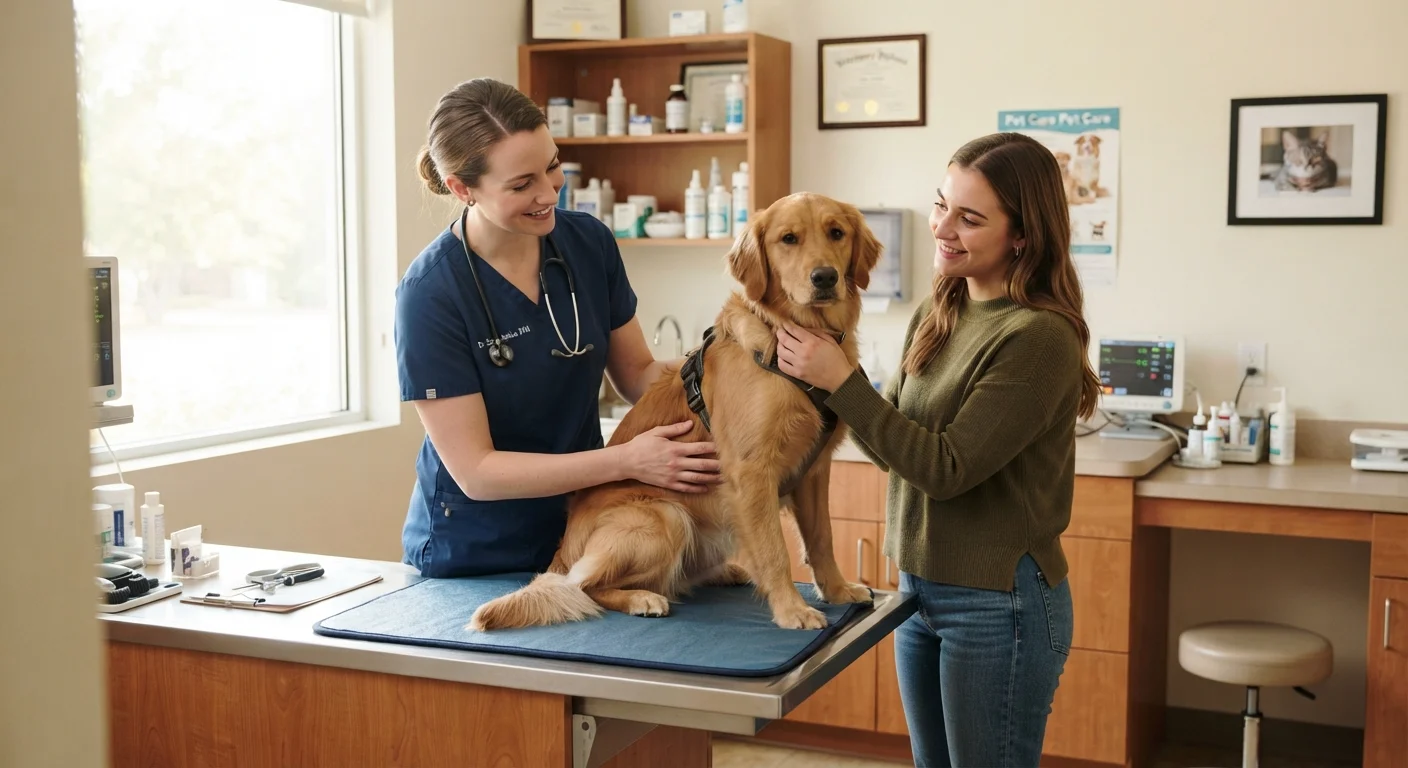


Why Preventive Care Is the Budget Move
For new pet owners watching their spending, it can be tempting to delay routine vet visits until something seems wrong. In practice, that approach tends to cost more - not less. Conditions caught early are almost always cheaper and simpler to treat than those that have been developing for months. Our companion article The Real Cost of Skipping Preventive Pet Care walks through exactly how deferred care escalates into larger bills.
Think of preventive care as infrastructure: the upfront investment in vaccinations, parasite control, and routine exams creates a baseline of health that dramatically reduces the likelihood of emergency expenses later. A single hospitalization for a preventable illness can cost more than several years of routine wellness visits.
Find Low-Cost Clinics Before You Need Them
Research community vaccine clinics, humane society wellness days, and veterinary school teaching clinics in your area before your pet needs care. Having these options mapped out means you won't pay full price for routine services out of necessity. Many areas also have nonprofit organizations that assist with veterinary costs for qualifying households.
Vaccines and Parasite Prevention Basics
Core vaccines - those recommended for virtually all pets regardless of lifestyle - protect against serious, often fatal diseases. For dogs, this typically includes distemper, parvovirus, adenovirus, and rabies. For cats, core vaccines generally cover panleukopenia, herpesvirus, calicivirus, and rabies. Your veterinarian will recommend a schedule based on your pet's age and local disease prevalence.
Parasite prevention covers both internal parasites (roundworms, hookworms, heartworm) and external ones (fleas, ticks, mange mites). Many of these are transmissible between pets and some can affect humans, making prevention a household health issue, not just a pet one. Monthly preventatives are widely available and are generally far less expensive than treating an established infestation or infection.
Core vaccines
Vaccinations recommended for all pets of a given species, regardless of lifestyle, because the diseases they prevent are widespread, severe, or transmissible to humans.
Parasite prevention
Ongoing treatment - usually monthly - that protects pets from fleas, ticks, heartworm, and intestinal worms before they cause illness or infestation.
AAFCO
The Association of American Feed Control Officials, a body that sets voluntary nutritional standards for commercial pet food sold in the United States.
Wellness exam
A routine veterinary checkup performed when a pet appears healthy, designed to establish baselines, catch early problems, and update preventive care.
Life stage nutrition
The principle that pets have different nutritional needs at different life stages - puppy, adult, and senior - and food should be matched to their current stage.
Periodontal disease
A progressive infection of the gums and supporting structures around the teeth, very common in pets and preventable with regular dental care.
Low-cost vaccine clinics, often run by humane societies or veterinary schools, can substantially reduce the cost of keeping your pet current on core vaccinations. Search for community clinics in your area as part of your first-week planning.
Feeding Your Pet Well Without Overspending
Nutrition is one of the most powerful levers you have over your pet's long-term health - and it doesn't require the most expensive food on the shelf. Look for foods that meet the nutritional standards set by the Association of American Feed Control Officials (AAFCO), as this indicates the food has been formulated to meet established pet dietary requirements. Life stage labeling matters too: food formulated for puppies or kittens has different nutrient profiles than adult maintenance food.
Portion control is equally important and costs nothing. Overfeeding is a leading driver of obesity in pets, which in turn increases the risk of diabetes, joint disease, and heart conditions. Our article Why Healthy Weight Matters More Than Most Owners Realise explains the connection between your pet's weight and their long-term vet costs in detail.
For general guidance on stretching your feeding budget without sacrificing quality, the Affordable Pet Nutrition hub is a good place to explore further strategies.
At-Home Health Monitoring
One of the most cost-effective skills a new pet owner can build is simple observation. Checking your pet regularly - coat condition, gum color, eye clarity, energy levels, and bathroom habits - gives you a meaningful baseline. When something shifts, you notice it earlier.
A monthly health checklist makes this habit easier to sustain. Dental health is one area where home care pays significant dividends: tooth brushing and dental chews can slow the buildup of tartar that leads to periodontal disease, one of the most common and costly conditions vets treat. See our guide to pet dental health on a budget for a practical starting routine.
For a broader look at what you can manage at home, the complete home care guide covers grooming, enrichment, and more.
When to Call the Vet - and When You Can Wait
Part of being a cost-effective pet owner is knowing which symptoms warrant an emergency visit and which can wait for a scheduled appointment. Signs that always call for prompt veterinary attention include: difficulty breathing, suspected poisoning, uncontrolled bleeding, inability to urinate (especially in male cats), seizures, collapse, or extreme lethargy. These situations should not be managed with home observation.
Other signs - mild digestive upset that resolves within 24 hours, minor cuts that stop bleeding, or a single episode of sneezing - may be worth monitoring before calling. Learning to read your pet's signals accurately is a skill that develops over time. Our article Reading Your Pet's Body Language Before It Becomes a Vet Bill offers a practical guide to those early signals.
Never Delay Care for These Symptoms
Difficulty breathing, inability to urinate, suspected poisoning, uncontrolled bleeding, seizures, or sudden collapse are always veterinary emergencies. Attempting to manage these at home to save money can result in a preventable death. When in doubt, call your vet or an emergency animal hospital immediately.
For a candid look at where home management is reasonable and where professional care is essential, see The Honest Trade-Offs of Managing Pet Health on a Tight Budget.
This article provides general pet health information for educational purposes only and is not a substitute for professional veterinary advice. Always consult a licensed veterinarian for guidance specific to your pet's health needs.