

What a No-Spend Day Actually Means
A no-spend day is exactly what it sounds like: a 24-hour period during which you make zero discretionary purchases. That means no coffee runs, no lunch orders, no app purchases, and no online cart checkouts — but it does not mean ignoring your rent, skipping a scheduled loan payment, or going without medication.
No-spend day
A full 24-hour period during which you avoid all discretionary (optional) purchases, while still covering any fixed, pre-committed expenses.
Discretionary spending
Money spent on non-essential items or experiences — things you want but don't strictly need, like takeout, entertainment, or impulse buys.
Impulse purchase
An unplanned buy triggered by a moment of desire rather than a conscious decision — often small individually but significant when added up over a month.
Decision fatigue
The mental exhaustion that comes from making too many choices, which can make it harder to stick to financial commitments as the day goes on.
Spending trigger
A situation, emotion, or environment cue — like boredom, stress, or a sale notification — that prompts an urge to spend money.
The distinction matters because the goal isn't financial hardship — it's intentional restraint around spending that's optional. Fixed, pre-committed costs (bills, subscriptions you've already decided to keep, debt minimums) are off the table for judgment. What you're targeting is the background spending that happens almost automatically.
Part of what makes no-spend days useful is that they surface habits you might not even notice. When the option to spend is removed, you start to see how often impulse meets opportunity. For a broader framework around daily savings, see our complete everyday savings guide.
Why One Day at a Time Works
Long-term savings goals can feel abstract. "Save $5,000 this year" is a meaningful target, but it's hard to connect that number to a Tuesday afternoon decision about whether to grab a $14 lunch. A no-spend day makes the stakes immediate and concrete.
Behavioral research broadly supports the idea that small, specific commitments are more likely to be followed through than large, open-ended ones. One day is a contained commitment — you can see the finish line. That structure lowers the psychological cost of the decision.
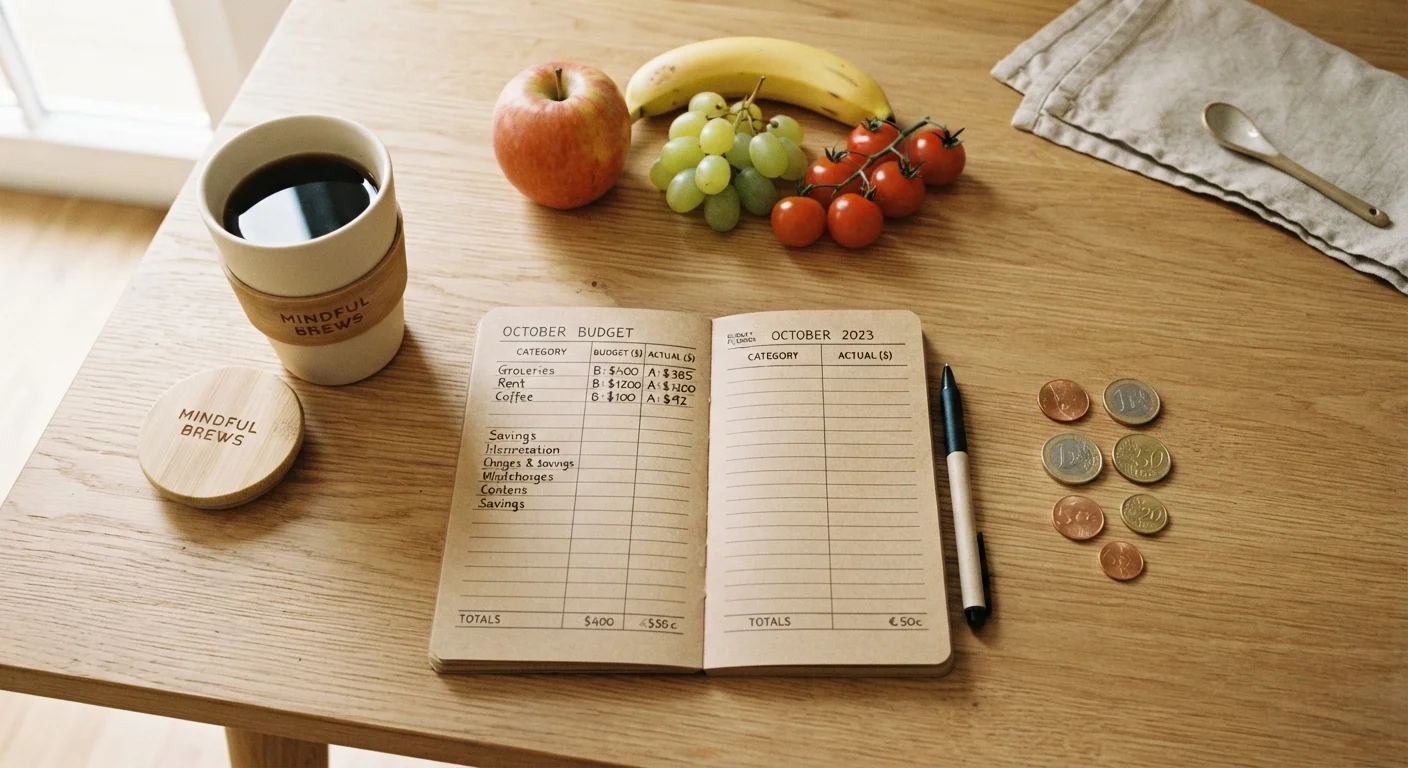
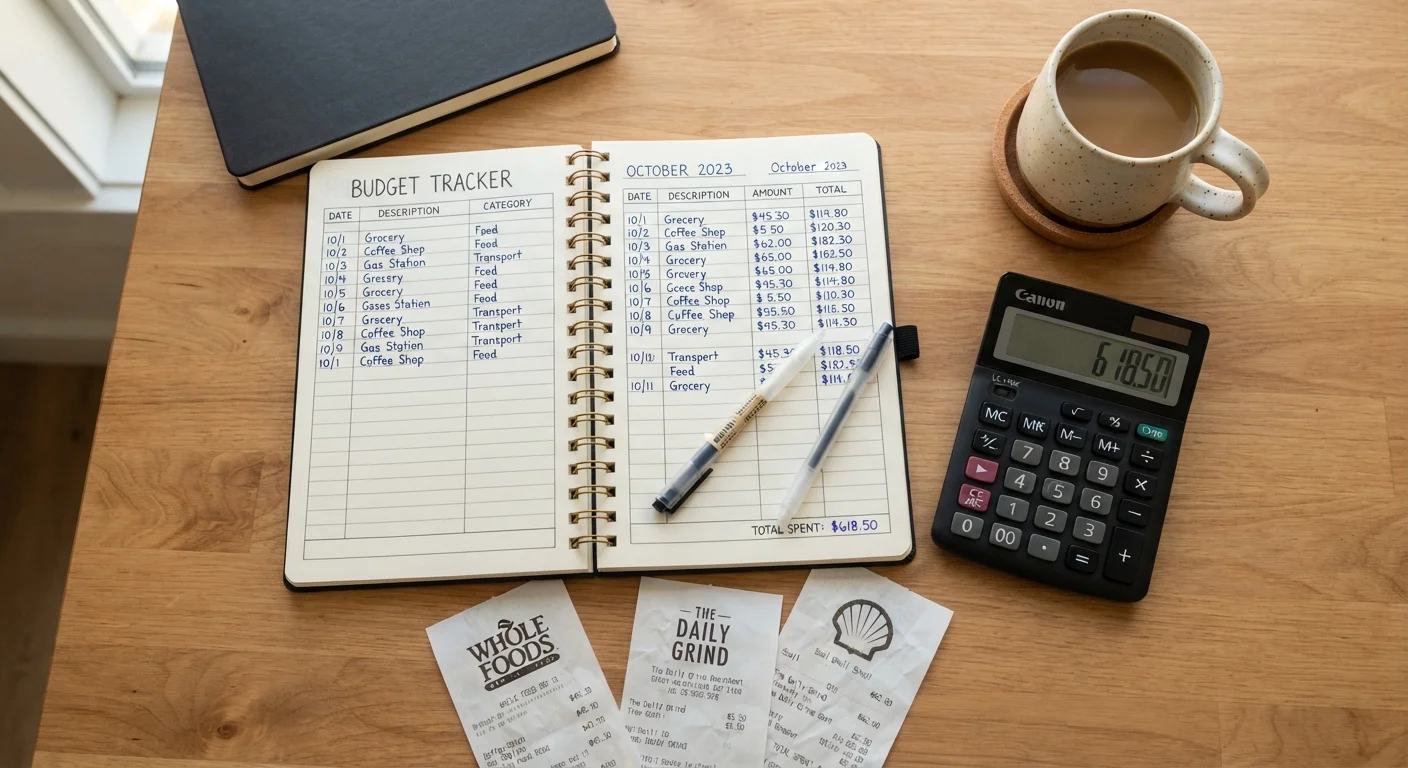
No-spend days also work well alongside spending tracking habits, because they give you a clear comparison point: what does a spend day look like versus a no-spend day? Over time, that contrast builds genuine awareness. It's worth noting that willpower alone rarely drives lasting change — structure and environment matter more, which is exactly what a no-spend day provides.
How to Set Up Your First No-Spend Day
Preparation is the single biggest predictor of success. A no-spend day that starts without a plan usually ends with a vending machine or a midday DoorDash order. Here's a straightforward setup:
- Pick a low-friction day. A day when you're mostly home, working remotely, or have a full schedule already is easier to manage than a day packed with social plans or long commutes near shops.
- Prep meals the night before. Hunger is the most common trigger for unplanned spending. Having lunch and snacks ready removes one of the biggest decision points.
- Set your rules in advance. Decide what counts before the day starts — not in the moment. Does a grocery run count? What about a co-pay? Write it down if it helps.
- Remove temptation from your environment. Log out of shopping apps. Mute deal-alert emails. Leave your credit card at home if you're going out.
The Night-Before Setup Makes All the Difference
Spend five minutes the evening before your no-spend day packing a lunch, filling a water bottle, and logging out of any shopping apps. Most unplanned spending happens when you're unprepared and hungry — removing that friction in advance is more effective than relying on willpower in the moment.
For the foundational budgeting strategies that complement this habit, the Budget Basics hub is a practical next stop.
What to Do When the Urge to Spend Hits
Even a well-prepared no-spend day will produce moments of friction. An ad shows up, a craving hits, or boredom creates that familiar pull toward a cart or a café. This is normal, and the response matters more than the feeling.
A simple approach: introduce a delay. When the urge to spend appears, give it 10–15 minutes before acting on it. More often than not, it passes. This is closely related to the idea of a spending pause habit — creating a gap between impulse and action is one of the most reliable tools for reducing discretionary spending.
It also helps to have a substitute ready. Go for a walk, make coffee at home, text a friend, or pull up a free podcast. The brain is looking for a reward, not specifically a purchase — give it one that costs nothing.
Making It a Lasting Habit
A single no-spend day is useful. A recurring one is where the real financial impact shows up. The key to sustainability is keeping the habit low-pressure and slightly flexible — rigid rules tend to collapse under real-life conditions.
A few patterns that help:
- Anchor it to the same days each week. Consistency reduces decision fatigue. Many people choose Mondays and Wednesdays, or pick whichever two days have the fewest social commitments.
- Track your no-spend days informally. A simple tally in a notes app or a calendar dot is enough. Seeing a streak builds motivation without requiring a complicated system.
- Review what you saved. At the end of the month, look at your bank statement and compare spend days to no-spend days. Concrete numbers reinforce the habit better than abstract goals.
- Don't treat slip-ups as failures. If you spend on a no-spend day, note what happened and move on. The habit is built over weeks, not broken by a single coffee.
For a broader approach to spending with intention, the complete guide to smarter everyday spending habits covers the full picture — from understanding spending triggers to building systems that hold up over time.
This article is for general informational purposes only and does not constitute personalized financial advice. Consider consulting a qualified financial professional for guidance specific to your situation.