
Why At-Home Checks Are Worth Building Into Your Routine
Veterinary visits are essential, but they happen only a few times a year for most pets. The gap between appointments is exactly when subtle changes in your pet's health can develop unnoticed - until they become expensive problems. A simple, structured home exam costs nothing and takes less time than a TV episode.
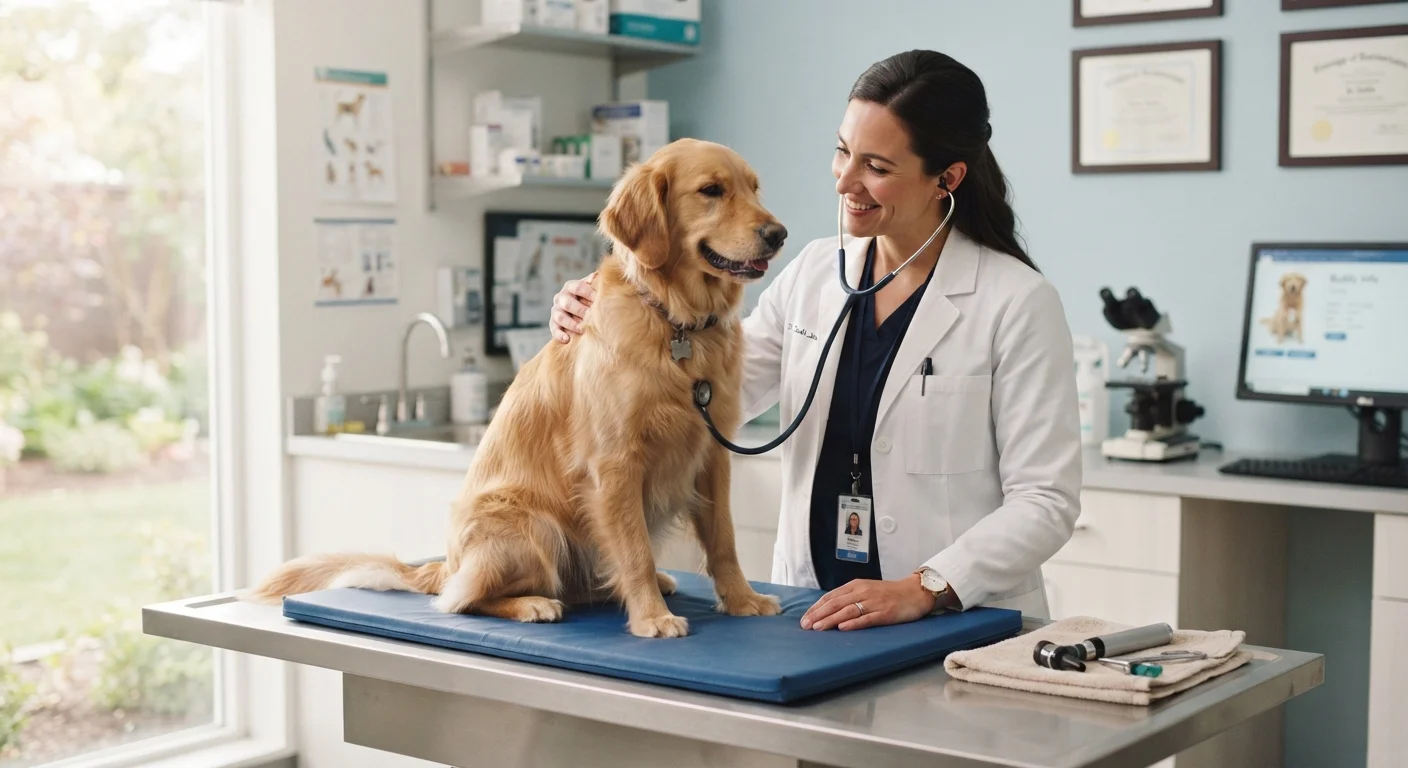
The goal isn't to diagnose your pet - that's your vet's role. Instead, you're building familiarity with your pet's normal so that anything unusual stands out quickly. Think of it as knowing your pet's healthy baseline. Our guide to reading your pet's body language covers the behavioural signals that pair with what you'll observe in a physical check.
What you will need
What You'll Need
No clinical tools are required for a basic home exam. The items below make the process easier and more thorough.
Soft-bristle brush or fine-tooth comb
Helps part the coat to check skin condition, detect parasites, and assess fur texture.
Small flashlight or phone torch
Illuminates the ear canal, mouth, and eyes for a clearer view.
Notebook or pet health app
Records weight, observations, and dates so you can track changes over time.
Bathroom scale (for small pets, weigh yourself holding the pet, then subtract)
Tracks body weight to catch gradual gain or loss before it becomes significant.
Your Step-by-Step Home Health Check
Work through this routine in a calm, well-lit spot. Keep sessions positive - treats and praise help your pet associate the check with something good, which makes future exams easier for everyone.
Check the eyes
Stand in good light and look directly at your pet's eyes. They should be clear and bright, with no cloudiness, redness, or visible discharge. A small amount of dried crust in the corner after sleep is normal; ongoing watering, squinting, or coloured discharge is not.
Examine the ears
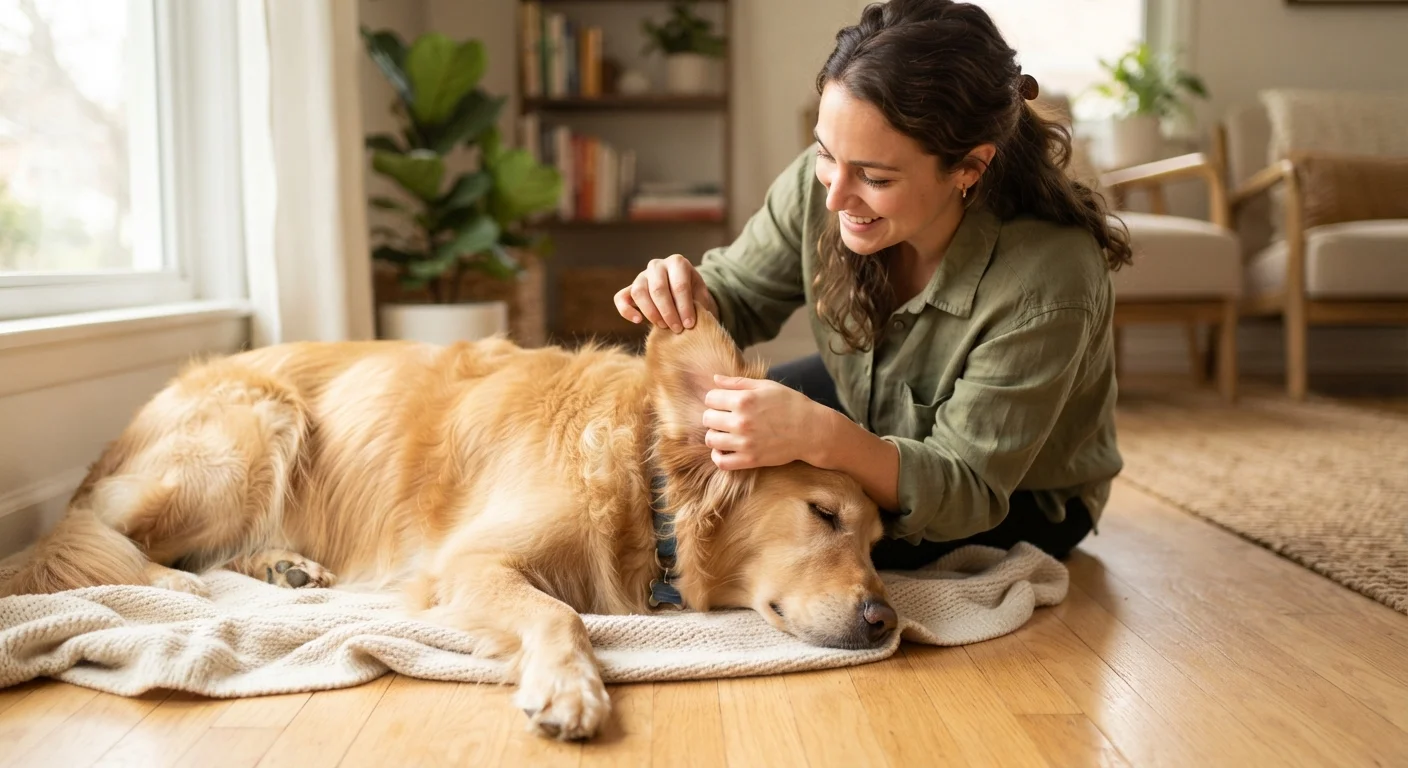
Fold each ear flap gently back and look inside with your flashlight. Healthy ear canals are pale pink, lightly waxy, and odour-free. Dark brown debris, strong smell, redness, swelling, or a pet that winces when you touch the ear all warrant a vet call.
Inspect the mouth and gums
Lift your pet's lip and check the gum colour. Healthy gums in dogs and cats are typically salmon pink and moist. Press a fingertip firmly against the gum and release - colour should return within two seconds (this is called capillary refill time). Also note any broken teeth, heavy tartar, or swollen tissue. For a complete at-home dental routine, see our dental care guide for dogs and cats.
Run your hands over the coat and skin
Use a brush or comb to part the fur in multiple spots, working head to tail. Look for bald patches, flaking, redness, unusual bumps, or signs of fleas (tiny dark specks that resemble ground pepper). The coat itself should feel clean and lie smoothly - dullness, matting, or excessive shedding can signal nutritional gaps or underlying health issues. See our guide to what a cat's coat reveals for more detail on reading coat condition.
Feel for lumps and check body condition
With flat hands, feel along your pet's neck, shoulders, ribcage, belly, and hips. You should be able to feel the ribs with light pressure but not see them prominently. Note any new lumps, swelling, or areas where your pet pulls away or vocalises when touched. Record the size and location of any lump you find so you can report it accurately to your vet.
Check the paws and nails
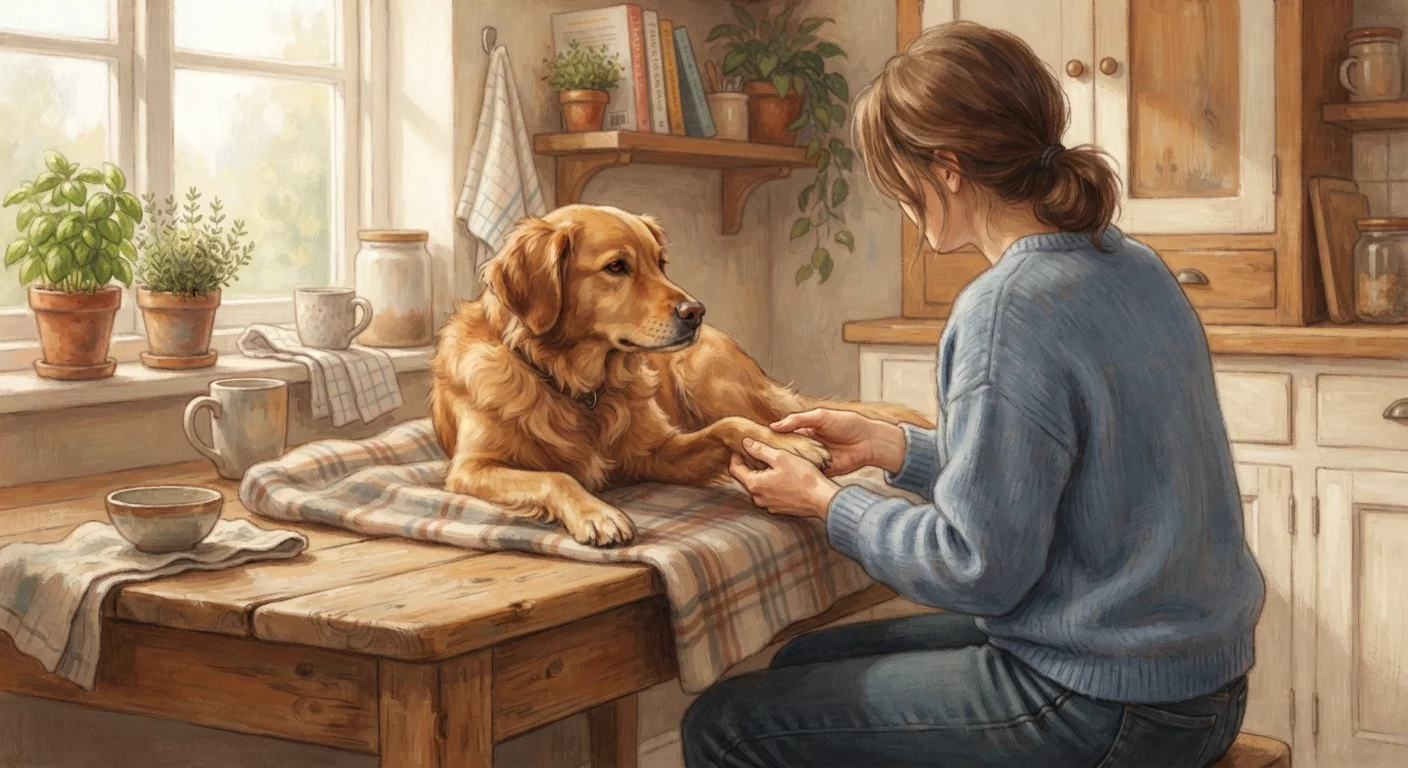
Lift each paw and look between the toes for cuts, swelling, foreign objects, or signs of irritation (redness and licking between the toes is a common allergy symptom). Check nail length - nails that click on hard floors are typically overdue for trimming. Overgrown nails can affect gait and joint health over time.
Note weight and behaviour
Weigh your pet monthly and log the result. A change of more than five percent of body weight over four to six weeks - in either direction - is worth discussing with your vet. Also reflect on any behavioural shifts since the last check: changes in energy level, sleep, appetite, water intake, or litter-box or bathroom habits are often the earliest signals that something has changed.
Make It a Monthly Habit
Scheduling your home check on the same date each month - such as the first Sunday - helps it become automatic rather than reactive. Combine it with a grooming session or a calm evening activity to make it feel routine for both you and your pet. A monthly pet care task list can help you keep track of everything in one place.
When to Contact Your Vet
A home check is designed to flag concerns early, not to replace professional judgment. Contact your vet promptly if you notice any of the following: pale, white, yellow, or blue-tinged gums; rapid unexplained weight loss or gain; persistent limping or reluctance to bear weight; discharge from the eyes, ears, or nose that is thick, coloured, or foul-smelling; lumps that appear suddenly, grow quickly, or cause your pet discomfort; or any significant change in appetite, thirst, or elimination habits.
Home Checks Are Not a Substitute for Vet Care
At-home exams help you monitor your pet between professional visits - they are not a replacement for veterinary diagnosis or treatment. If you notice anything that concerns you, contact your vet rather than waiting. Early intervention is almost always less costly and less stressful than delayed care.
For a deeper look at what veterinary professionals actually assess during a routine appointment, see our article on what pet wellness exams actually check. Pairing your home routine with a monthly pet health checklist can make the habit even easier to sustain.
This article is for general informational and educational purposes only. It is not a substitute for professional veterinary advice, diagnosis, or treatment. Always consult a qualified veterinarian regarding your pet's health.