
Two Filters, Two Completely Different Jobs
Ask most drivers how many air filters their car has, and the common answer is one. The reality is two - and dealers sometimes exploit that confusion by charging for a cabin filter replacement when customers only authorized an engine filter check, or vice versa. Understanding the difference takes about two minutes and can save you from unnecessary upsells.
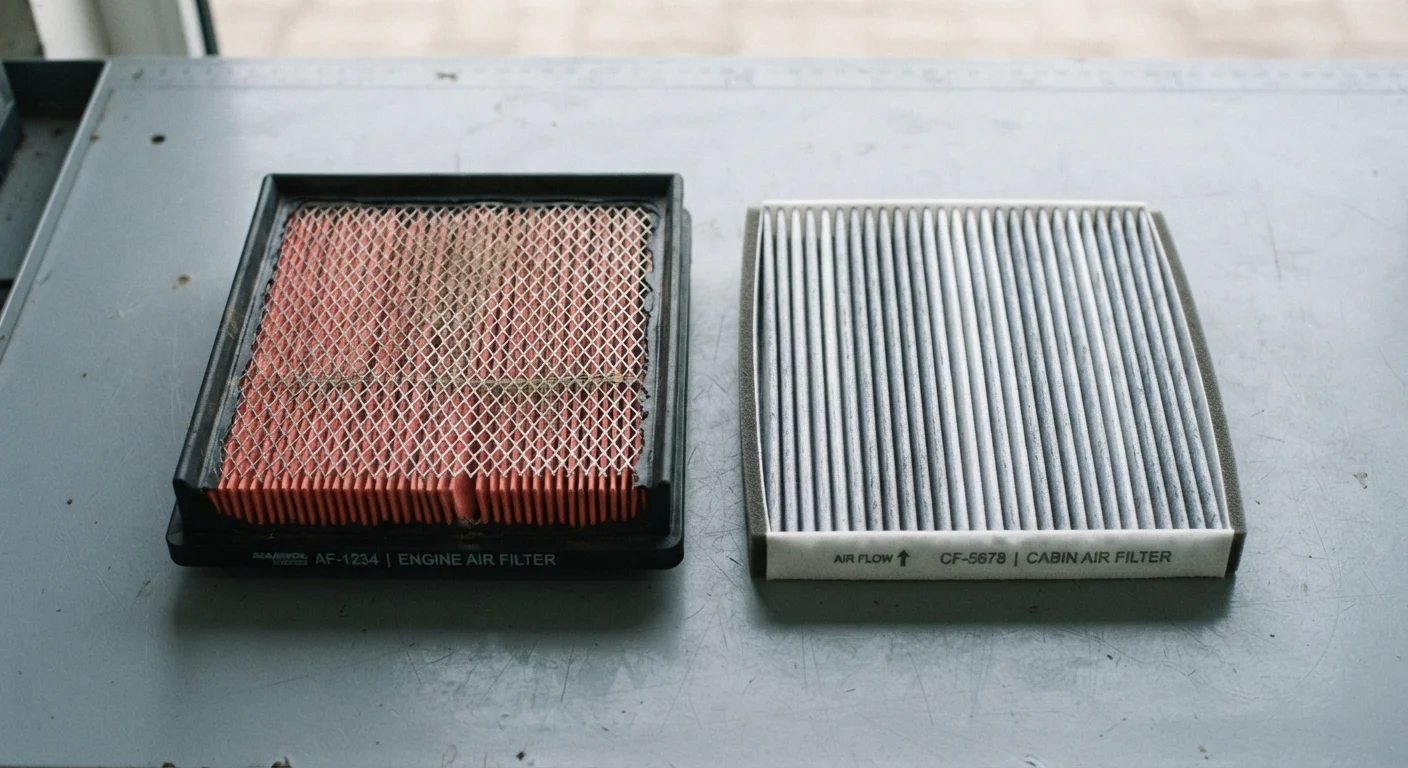
The engine air filter sits in a housing connected to your intake manifold - the pathway air travels before mixing with fuel for combustion. Its job is to trap airborne particles like dust, pollen, and road debris before they reach the engine's internal components. A clean engine air filter means cleaner combustion, which translates directly into better fuel economy and reduced internal wear.
The cabin air filter is located entirely separately, typically behind the glove box or under the dashboard. It filters all air that enters your car's interior through the heating, ventilation, and air conditioning (HVAC) system. It has zero effect on engine performance - its only role is filtering what you and your passengers breathe.
| Criterion | Engine Air Filter | Cabin Air Filter |
|---|---|---|
| Primary function | Filters air entering the engine | Filters air entering the cabin |
| Typical location | Engine bay, intake housing | Behind glove box or under dash |
| Affects fuel economy | Yes - directly | No |
| Affects interior air quality | No | Yes - directly |
| Typical replacement interval | 15,000-30,000 miles | 12,000-15,000 miles |
| DIY difficulty | Very easy | Very easy |
| Consequence of neglect | Reduced efficiency, engine wear | Poor airflow, odors, blower strain |
Replacement Intervals and What Neglect Actually Costs
Both filters follow different replacement schedules, and neither one signals its own failure with a warning light on most vehicles.
Engine air filters are generally recommended for replacement every 15,000 to 30,000 miles under normal driving conditions, though dusty or unpaved road environments can cut that interval significantly. A visibly grey or black filter - compared to the clean white or orange of a new one - is a reliable visual cue. Ignoring a clogged engine air filter reduces the air-to-fuel ratio your engine can achieve, which can lower fuel economy by a measurable margin. The U.S. Department of Energy has noted that a dirty air filter can affect older carbureted vehicles more dramatically, though modern fuel-injected engines are somewhat more tolerant.
Cabin air filters are typically recommended for replacement every 12,000 to 15,000 miles, or roughly once a year for average drivers. Signs of failure include weak airflow from vents, musty or stale odors when running the AC or heat, and increased dust settling on your dashboard. A severely clogged cabin filter can strain your blower motor over time, potentially leading to a more expensive repair.
15,000-30,000 mi
Engine air filter replacement interval
General industry guidance for normal driving conditions; dusty environments may require more frequent changes.
~12,000 mi
Cabin air filter replacement interval
Most vehicle manufacturers recommend annual or roughly 12,000-mile replacement cycles for cabin filters.
The good news: both filters rank among the easiest and most affordable DIY maintenance tasks available. Engine air filter housings are usually secured with clips or a single screw. Many cabin filters slide out from behind the glove box without any tools. Filter costs vary by vehicle, but the parts themselves are generally modest - the labor markup at a shop is often several times the part cost.
How to Tell Which One You Actually Need
Because the two filters are unrelated systems, you may need one, both, or neither at any given service interval. Here's a practical way to assess each:
- Engine air filter check: Open the hood, locate the air filter housing (a large plastic box connected to a duct leading toward the engine), unclip it, and pull the filter out. Hold it up to light. Heavy grey or black coloration, or visible debris caught in the pleats, means replacement is due.
- Cabin air filter check: Open the glove box, remove any items, and depending on your vehicle, you may need to press the sides inward to lower it fully. The cabin filter slides out from a slot. A filter packed with leaves, insects, or heavy grey dust needs to go.
If you are not comfortable locating either filter in your specific vehicle, your owner's manual will show exact locations. Many automaker websites also provide free maintenance guides by model and year.
Check Your Owner's Manual First
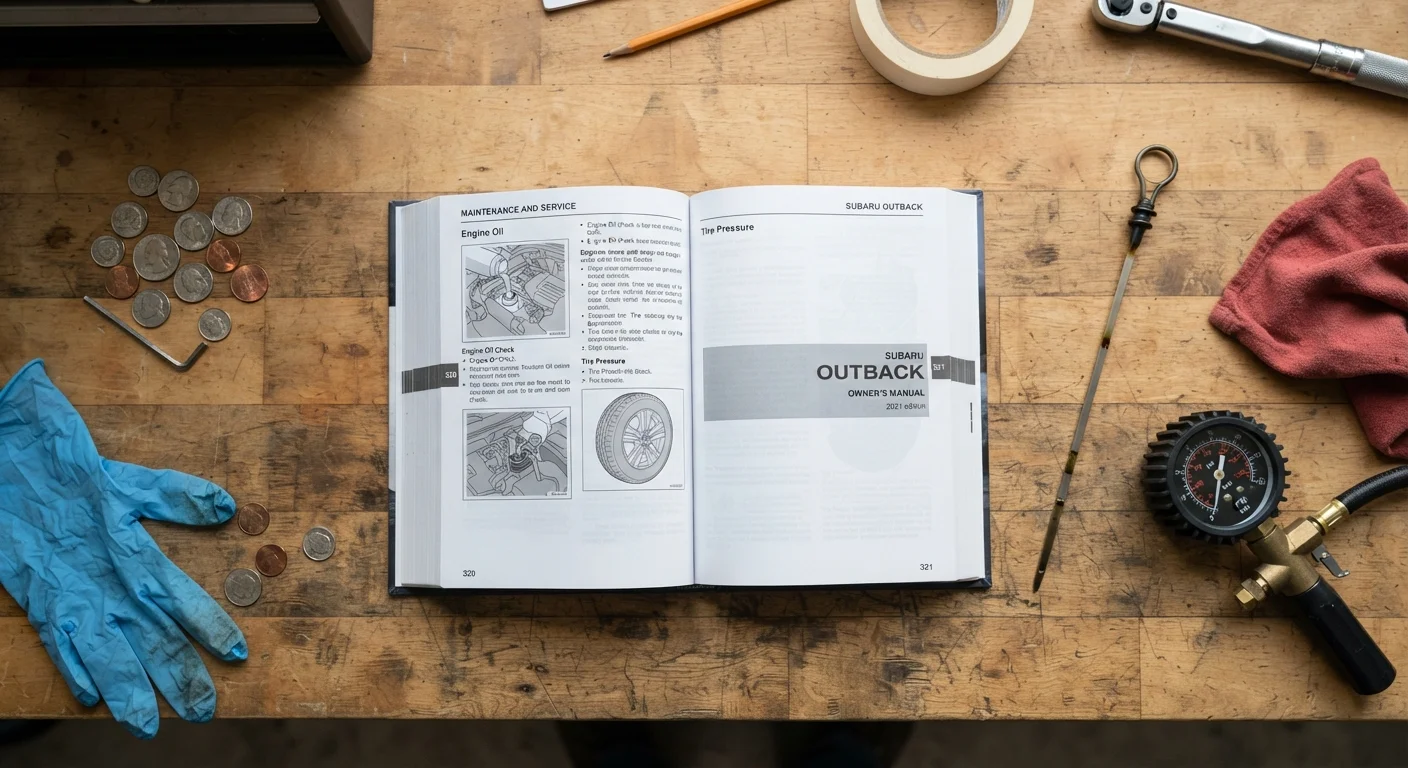
Replacement intervals vary by make and model. Your owner's manual is the definitive source for your specific vehicle's recommended service schedule for both filters. If you don't have the physical manual, most automakers provide digital versions free of charge on their websites. Following manufacturer guidance is the most reliable baseline for maintenance planning.
One last point worth repeating: replacing the cabin filter does nothing for engine performance, and replacing the engine filter does nothing for your HVAC air quality. They are independent systems. Treating them as such - and checking both on a regular schedule - is one of the simplest, most cost-effective habits a car owner can build.