
What Is Batch Cooking and Why Does It Save Money?
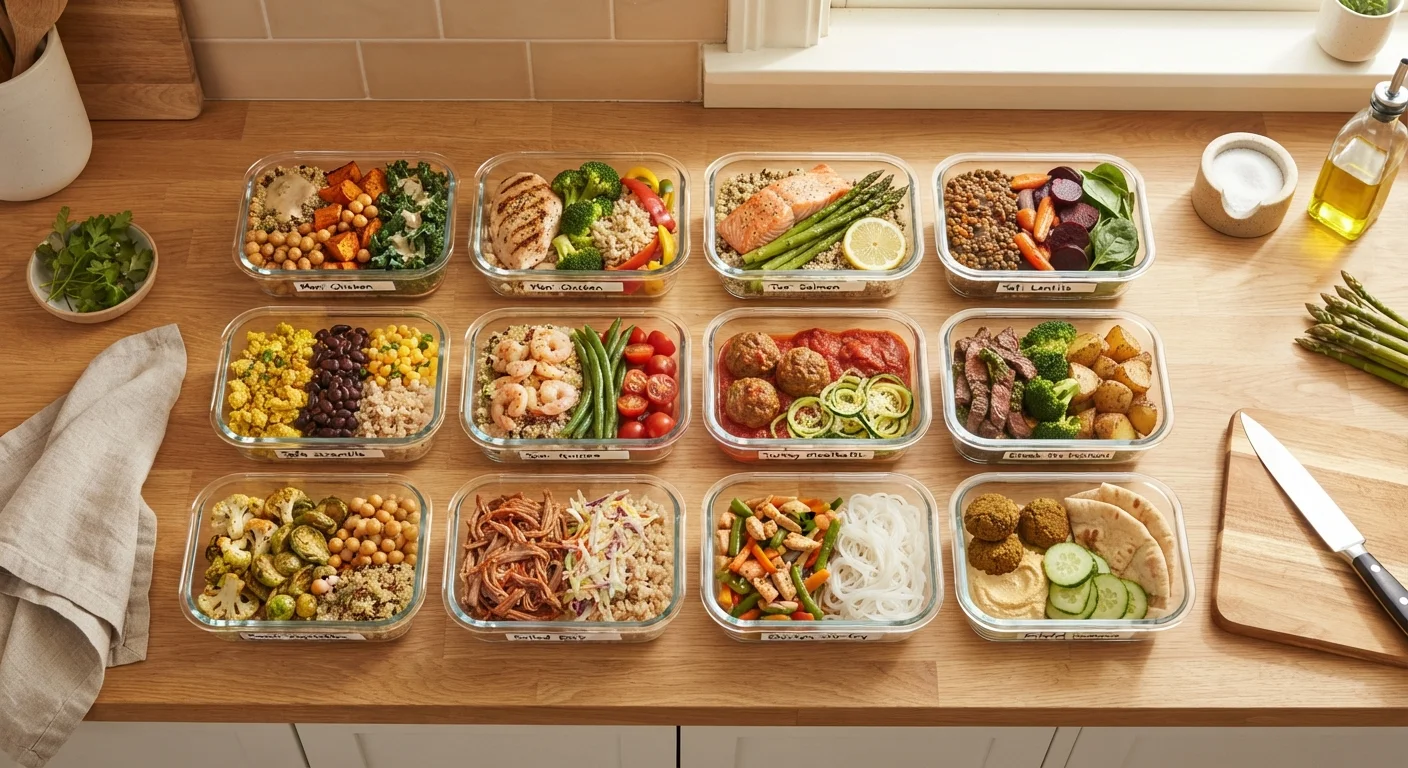
Batch cooking means preparing a large quantity of food in one dedicated session - usually two to three hours on a weekend - and using those components across multiple meals throughout the week. You're not making one giant dish and eating it every day. You're prepping building blocks: cooked grains, roasted vegetables, a protein or two, and a pot of legumes that can be combined in different ways each night.
The financial logic is straightforward. Buying a 2-pound bag of dried lentils costs a fraction of the price of buying individual canned portions throughout the week. Roasting a full tray of sweet potatoes uses the same energy as roasting a single one. And when your fridge is already stocked with ready-to-assemble food, you're far less likely to order takeaway - which is consistently the biggest budget leak for time-strapped millennials.
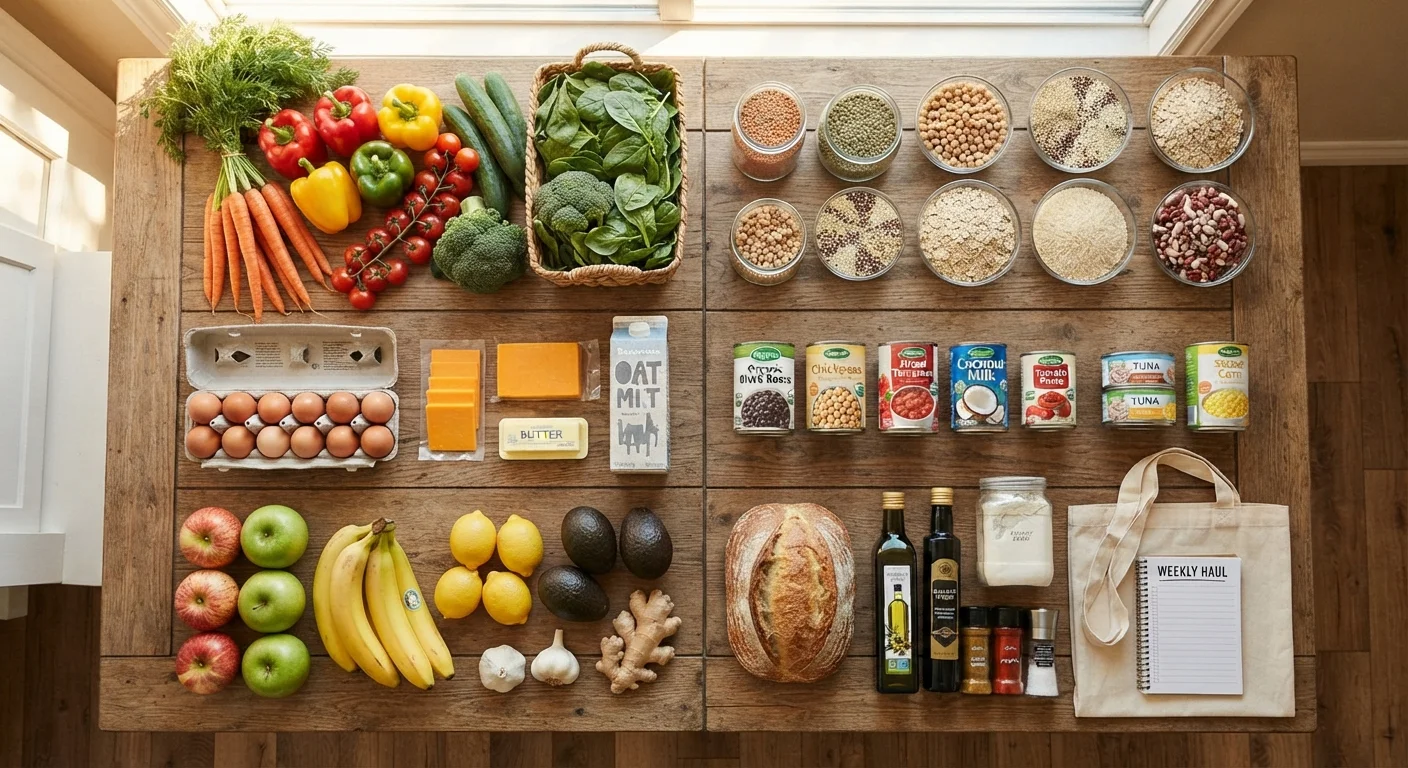
Pair this habit with a solid grocery framework. Our guide to structuring a weekly grocery budget walks through how to allocate every dollar before you hit the store so batch cooking has maximum impact.
Batch cooking
Preparing large amounts of food components in a single session to use across multiple meals over several days.
Building blocks
Versatile prepared ingredients - grains, proteins, vegetables - that can be combined in different ways rather than cooked into a single fixed dish.
Food rotation
Using prepped ingredients in order of how quickly they spoil, so the shortest-lived items get eaten first and nothing goes to waste.
Mise en place
A French culinary term meaning 'everything in its place' - prepping and organizing all ingredients before cooking begins to keep the session efficient.
Legumes
A food category including lentils, chickpeas, black beans, and other dried or canned beans - among the cheapest and most nutritious protein sources available.
How to Plan Your Batch Cooking Session
Good batch cooking starts before you turn on the stove. Spend 15 minutes deciding on three to five base components rather than trying to plan full recipes. A useful framework:
- One whole grain or starchy carb - brown rice, farro, oats, or potatoes
- One or two proteins - eggs, canned fish, dried beans, or a budget-friendly cut like chicken thighs
- Two or three vegetables - whatever is cheapest that week; root vegetables and cruciferous vegetables roast particularly well
- One sauce or dressing base - tahini, a tomato sauce, or a simple vinaigrette
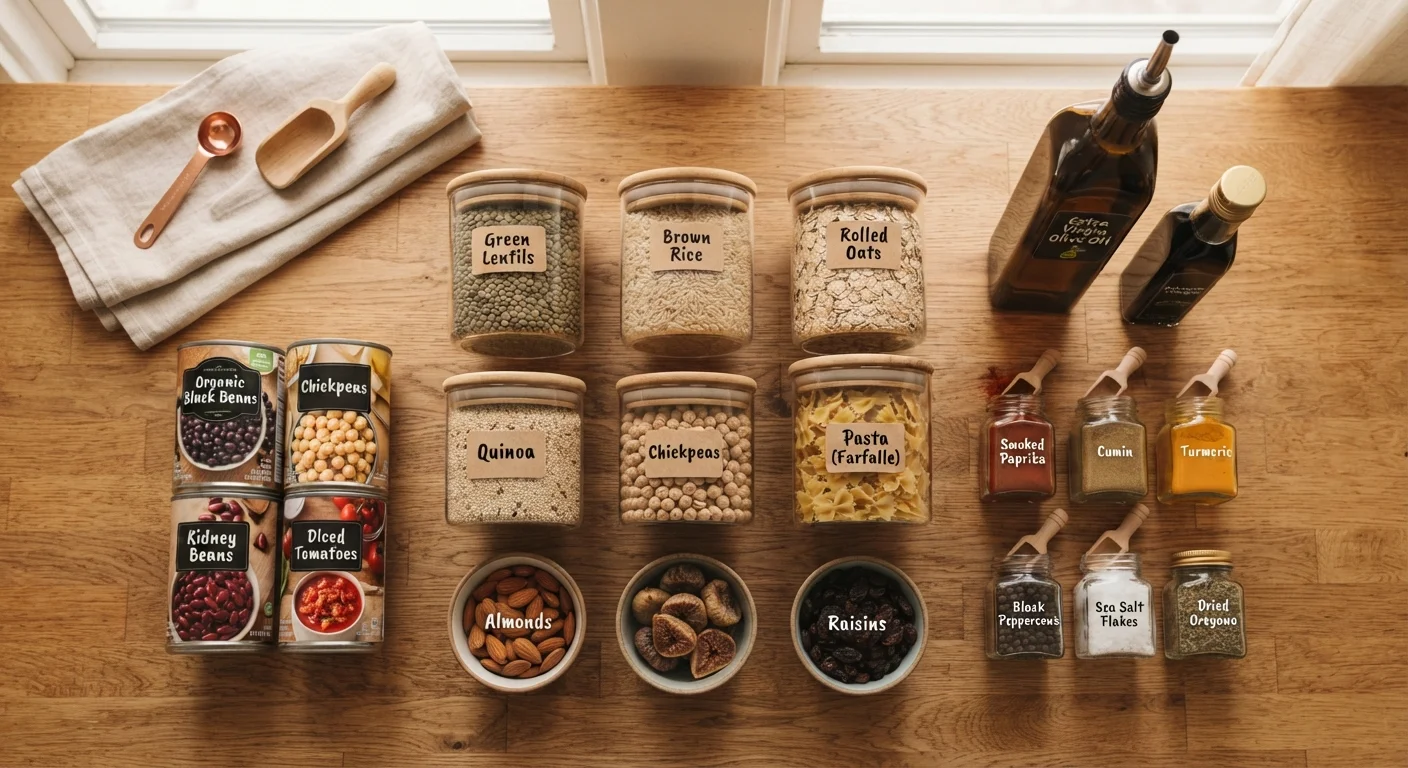
Cross-check your list against what's already in your pantry before writing a single item on your shopping list. If you haven't built out your pantry staples yet, our article on stocking a nutritious pantry on a shoestring covers the essential ingredients that make this kind of cooking possible without a big upfront spend.
Also sketch out a rough cooking order before you start. Tasks that take longest - soaking and simmering dried beans, for example - should kick off first so everything finishes around the same time.
The Core Batch Cooking Method
The goal is to keep every burner and the oven working simultaneously. Here's a realistic sequence for a 2.5-hour session:
- Start your longest-cooking items first. Put dried beans or a whole grain on the stovetop immediately. If you're using a slow cooker for a legume stew, set it before anything else.
- Prep and roast vegetables. Cut everything into similar-sized pieces for even cooking, season simply with oil and salt, and roast at around 400°F. Use two trays if you have them.
- Cook your protein. Bake chicken thighs on a separate tray, hard-boil a batch of eggs, or sear and braise a cheaper cut on the stovetop while the oven is busy.
- Make your sauce. A sauce takes 10 minutes and dramatically increases how many distinct meals you can build from the same components.
- Cool everything before packing. Never seal hot food into airtight containers - it raises moisture and bacterial risk. Spread items out and let them cool to room temperature first.
Overlap Your Cooking Tasks
The biggest time-saver in batch cooking is running multiple tasks at once - not doing them sequentially. While your grains are simmering and vegetables are roasting, use that time to hard-boil eggs or blend a sauce. Treating your kitchen like a small production line rather than a single-task operation cuts overall session time significantly.
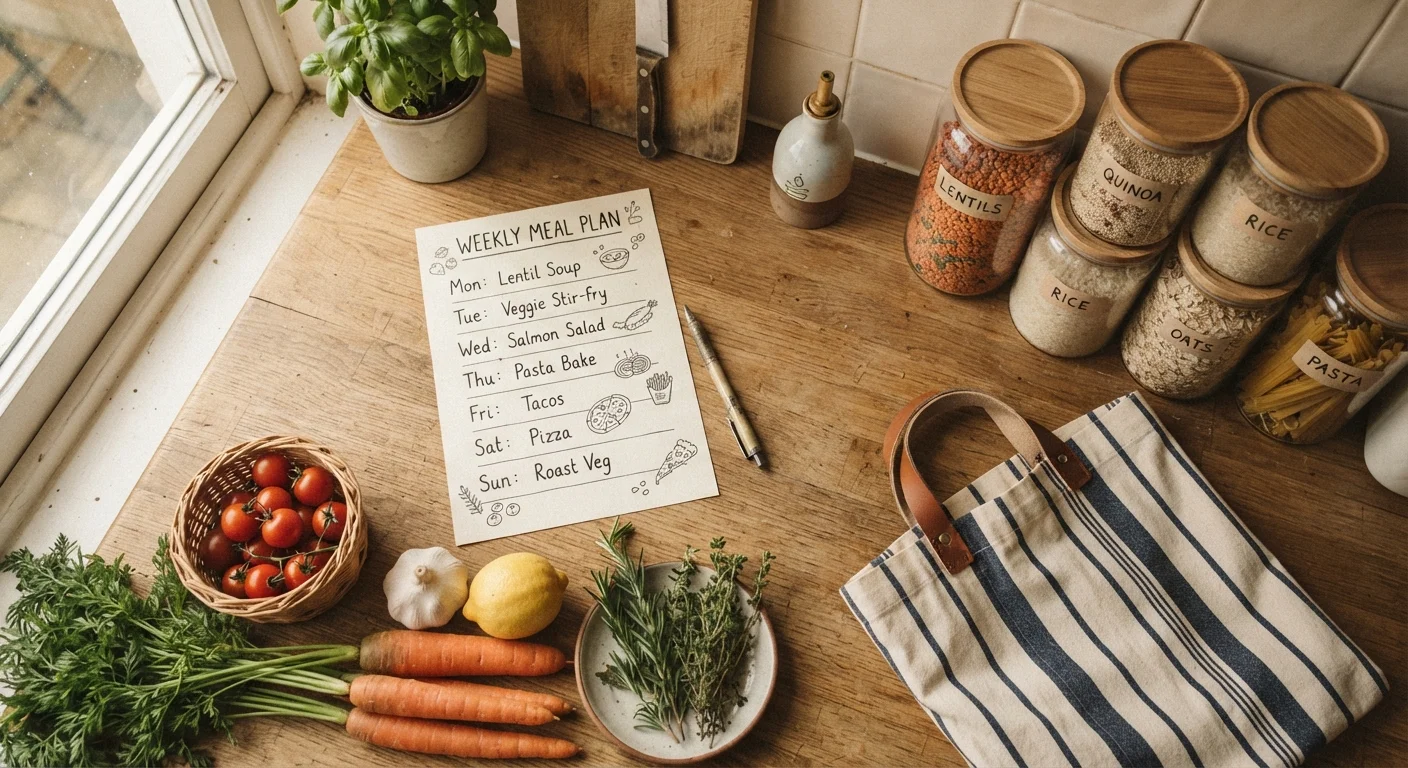
If planning what to do with all these components still feels overwhelming, this low-effort meal planning approach is worth a read before your first session.
Storing and Rotating Your Prepped Food Safely
How you store food determines whether batch cooking is an asset or a liability. The basics:
- Use airtight containers. Glass containers with snap lids work well and don't absorb odors. Reused deli containers are a free alternative.
- Label with the prep date. A strip of masking tape and a marker takes five seconds and saves you from guessing.
- Follow the three-to-four-day rule for the fridge. Most cooked proteins and vegetables are safe for three to four days. Cooked grains and legumes typically last four to five days. Freeze anything you won't reach by day four.
- Keep raw and cooked items separated. Store batch-cooked food on upper shelves, away from raw proteins stored below.
Don't Skip the Cool-Down Step
Sealing hot or warm food directly into airtight containers traps steam, creates condensation, and can raise food temperatures in surrounding containers - all of which accelerate bacterial growth. Always let cooked food cool to room temperature before sealing and refrigerating. Spreading items on a clean baking sheet speeds up the process considerably.
Rotate strategically: plan meals that use the shortest-lived components earliest in the week. Cooked fish and leafy sautéed greens should appear in Monday's or Tuesday's meals; hardier roasted root vegetables can wait until Thursday.
Keeping It From Feeling Repetitive
The number-one reason people abandon batch cooking is monotony. The fix isn't cooking more varieties - it's building in variation through how you use the same components.
Brown rice + roasted broccoli + beans becomes:
- A grain bowl with tahini dressing on Monday
- A burrito filling with salsa and avocado on Wednesday
- A quick fried rice with egg on Friday
Sauces and seasoning do most of the heavy lifting here. Keeping three distinctly different sauces on hand - one creamy, one acidic, one spiced - is enough to make the same base ingredients feel genuinely different throughout the week. Stock your spice rack strategically; even a limited collection of cumin, smoked paprika, garlic powder, and chili flakes opens up dozens of flavor directions without adding cost.
The same smarter spending mindset that applies to your grocery cart applies to batch cooking: make deliberate choices upfront so you're not making expensive, impulsive decisions when you're tired and hungry mid-week.
This article provides general nutrition and cooking information for educational purposes only. It is not a substitute for advice from a qualified health or nutrition professional. Individual dietary needs vary - consult a registered dietitian or your healthcare provider for guidance tailored to your circumstances.