
Why Feeding Multiple Pets Gets Expensive Fast
Running a multi-pet household means juggling different nutritional requirements, portion sizes, and sometimes entirely different species - all while keeping costs from spiraling. A dog and a cat, for example, have fundamentally different dietary needs: cats require taurine and arachidonic acid that dogs can synthesize on their own. Feeding both from the same bag is not only nutritionally inadequate - it can quietly drive up vet costs down the line.
The challenge isn't just what you buy. It's how you manage daily feeding across animals with competing appetites and habits. Food theft between pets, inconsistent portions, and purchasing the wrong formula for a pet's life stage are common budget-draining mistakes. Our guide on overfeeding costs explains how feeding more than necessary doesn't just waste food - it can create health problems that cost far more to fix. The strategies below address the most common friction points in multi-pet feeding so you can spend smarter without compromising nutrition.
Start with a simple feeding audit
Before changing anything, spend one week writing down exactly what each pet eats, how much, and when. This baseline makes it much easier to identify where food - and money - is being lost. Many pet owners are surprised to find that inconsistent portions or inter-pet food theft are costing them more than the food itself.
Practical Strategies for Multi-Pet Feeding on a Budget
Feed each pet separately and supervise mealtimes
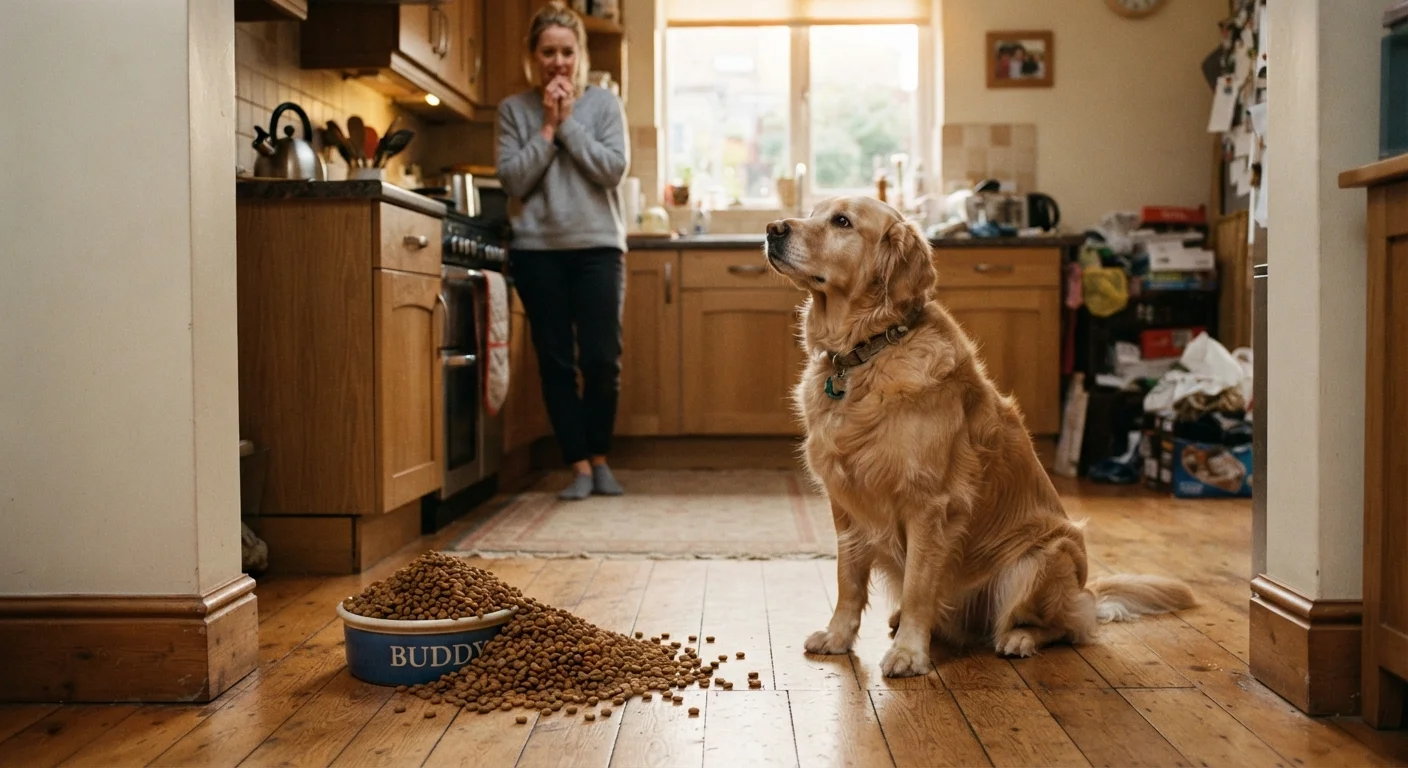
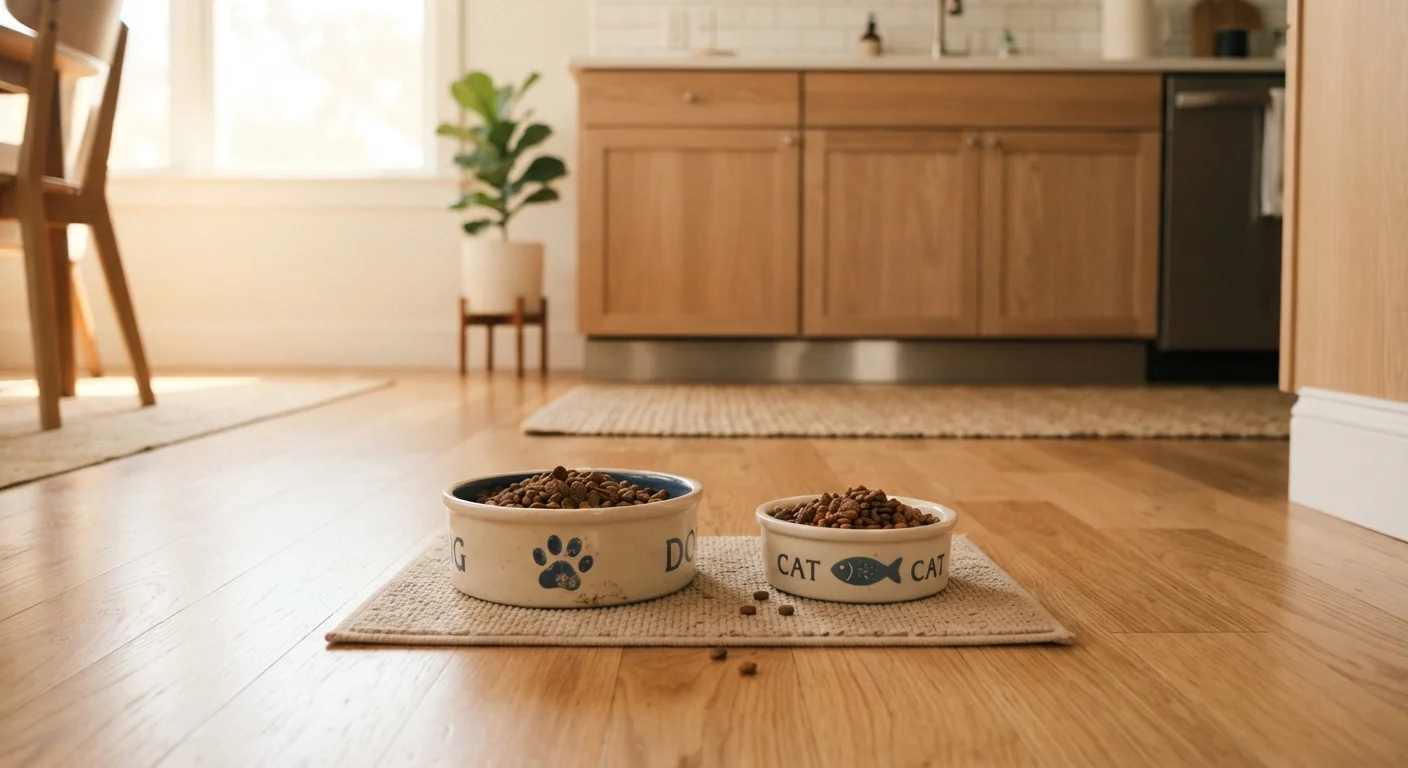
Allowing pets to free-feed together almost guarantees that the faster or more dominant animal will eat more than their share. This leads to overfeeding one pet and underfeeding another - both of which can cause health issues and increase your long-term spending. Designate separate feeding zones: different rooms, opposite ends of a room, or elevated stations for cats to prevent dogs from accessing their bowls.
Timed, supervised meals - typically 15 to 20 minutes - make it far easier to monitor how much each animal is actually consuming. Once mealtime is over, remove uneaten food rather than leaving it out.
Supervised mealtimes eliminate food theft and give you accurate data on each pet's actual intake.
Measure portions precisely for every pet
Eyeballing portions is one of the most common sources of unnecessary food expense. Even a small daily overpour adds up to pounds of wasted food over a month. Use a dedicated kitchen scale or a standardized measuring cup for each pet, and follow feeding guidelines based on your pet's current weight - not their ideal weight or the generic range on the packaging.
Our article How Portion Control Can Reduce Your Annual Pet Food Spend walks through how small daily adjustments accumulate into real savings across a year.
A kitchen scale pays for itself quickly when it prevents weeks of gradual overfeeding.
Match food formulas to each pet's life stage and species
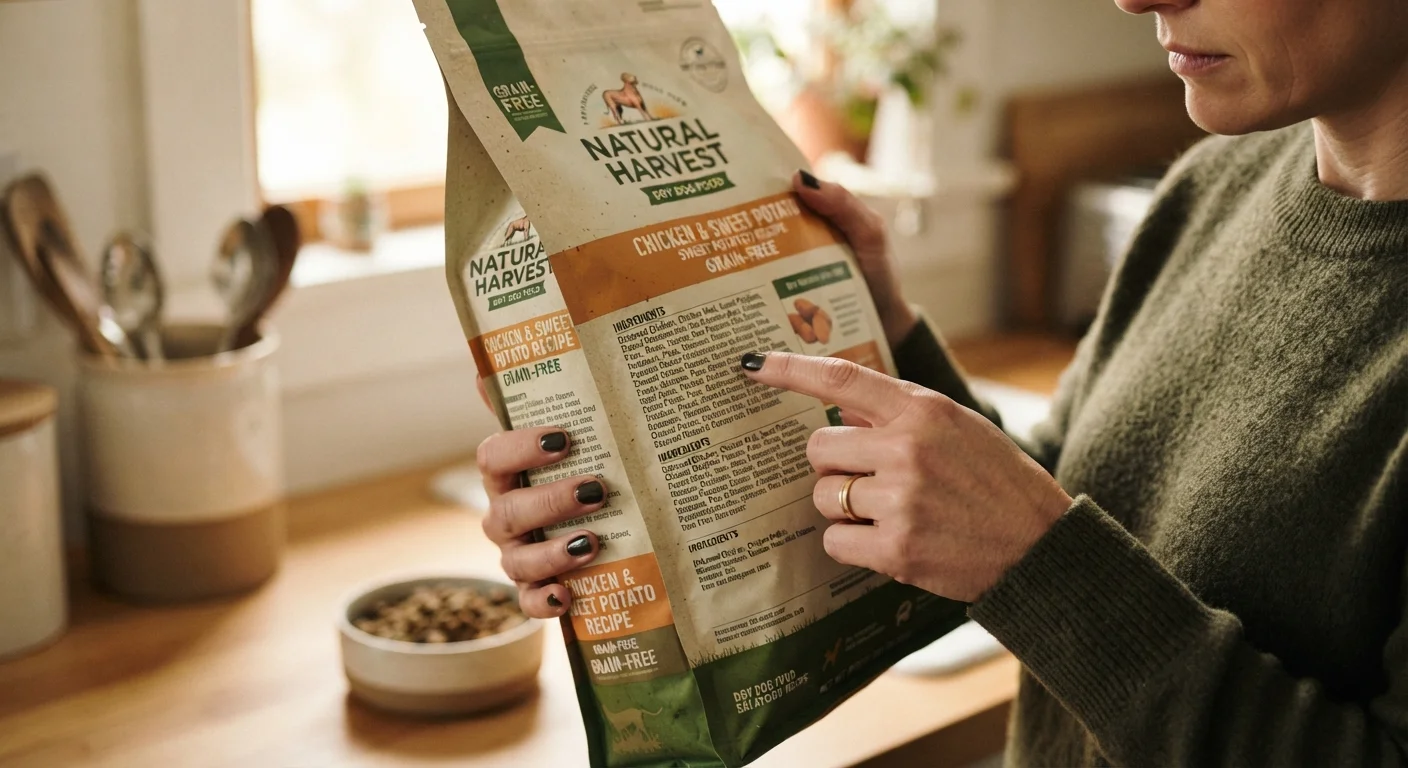
Buying a single food for all your pets might seem cost-efficient, but it typically results in nutritional mismatches. A senior dog has different protein and joint-support needs than a growing puppy. A kitten needs calorie-dense food that would be inappropriate for an adult cat prone to weight gain. Using the wrong formula can mean purchasing supplements or managing preventable health conditions - both of which cost money.
Understanding why life stage formulas exist helps you avoid both nutritional gaps and unnecessary spending on formulas your pet doesn't actually need.
Matching formula to life stage prevents both nutritional deficits and money spent correcting them.
Buy in bulk strategically and store food correctly
Larger bag sizes typically offer a lower cost per pound or ounce compared to smaller packages, which matters when you're feeding multiple animals. However, bulk buying only saves money if the food stays fresh long enough to be fully used. Dry kibble generally has a shelf life of several months once opened, but exposure to air, heat, and moisture degrades it quickly.
Store kibble in an airtight container in a cool, dry location. Avoid leaving food in its original bag inside a large bin - the bag lining helps preserve freshness. For wet food, refrigerate opened cans and use within the timeframe indicated on the label, typically two to three days. Spoiled food that gets discarded is money lost.
Bulk buying only saves money when proper storage prevents food from spoiling before it's used.
Track your monthly multi-pet food budget explicitly
Many multi-pet households underestimate what they're spending on food each month simply because purchases are spread across multiple trips and product types. Treat pet food as a dedicated budget line. Record every purchase - dry food, wet food, treats, and supplements - for each animal separately.
Reviewing this monthly gives you a realistic baseline and makes it easier to identify where costs are rising unexpectedly. It also helps you make informed decisions when considering formula changes. For additional strategies on reducing monthly spend without cutting nutritional quality, see Stretching Your Pet Food Budget Without Cutting Nutritional Corners.
A dedicated monthly food log turns vague spending into a number you can actually manage.
Limit treats and account for them in daily calorie totals
Treats are a frequent hidden cost in multi-pet households - especially when multiple people in the home are giving them independently. Beyond the budget impact, treats contribute calories that, if not accounted for, lead to unintentional overfeeding. Many veterinary nutrition guidelines suggest treats make up no more than 10% of a pet's daily caloric intake.
Establish household rules about who gives treats, when, and how many. In multi-pet homes, it's easy for each animal to receive treats from several family members throughout the day without anyone realizing the total. Tracking treat use alongside main meals keeps both calories and costs in check.
Uncoordinated treat-giving across household members is a stealthy driver of both overfeeding and overspending.
When pets have medical dietary needs
Some pets require prescription or veterinary therapeutic diets that carry higher price tags and cannot be substituted with standard formulas. If one of your pets is on a medically prescribed diet, factor that fixed cost into your budget separately and consult your veterinarian before making any formula changes. Managing one pet's medical diet alongside standard feeding for others requires careful planning to prevent accidental food swaps.
Building a Feeding Routine That Sticks
Consistency is the foundation of cost control in a multi-pet home. Once you've established separate stations, correct portions, and appropriate formulas, the goal is to maintain that system without backsliding. Keep a simple monthly log of how much food each pet consumes and what you're spending. This makes it easier to spot when a bag is running out faster than expected - a sign that portions have crept up or another pet is sneaking meals.
For a broader look at evaluating whether any food you're considering is nutritionally sound before you buy, the checklist for evaluating pet food on a budget is a useful starting point. And if you're managing other household costs alongside pet care, The Honest Trade-Offs of Managing Pet Health on a Tight Budget offers a grounded perspective on where frugality is reasonable and where it carries real risk.
This article is for general informational purposes only and does not constitute veterinary or nutritional advice. Consult a licensed veterinarian before making changes to your pets' diet, especially if any animal has a health condition or specific dietary requirement.