
The Hidden Price Tag of Too Much Food
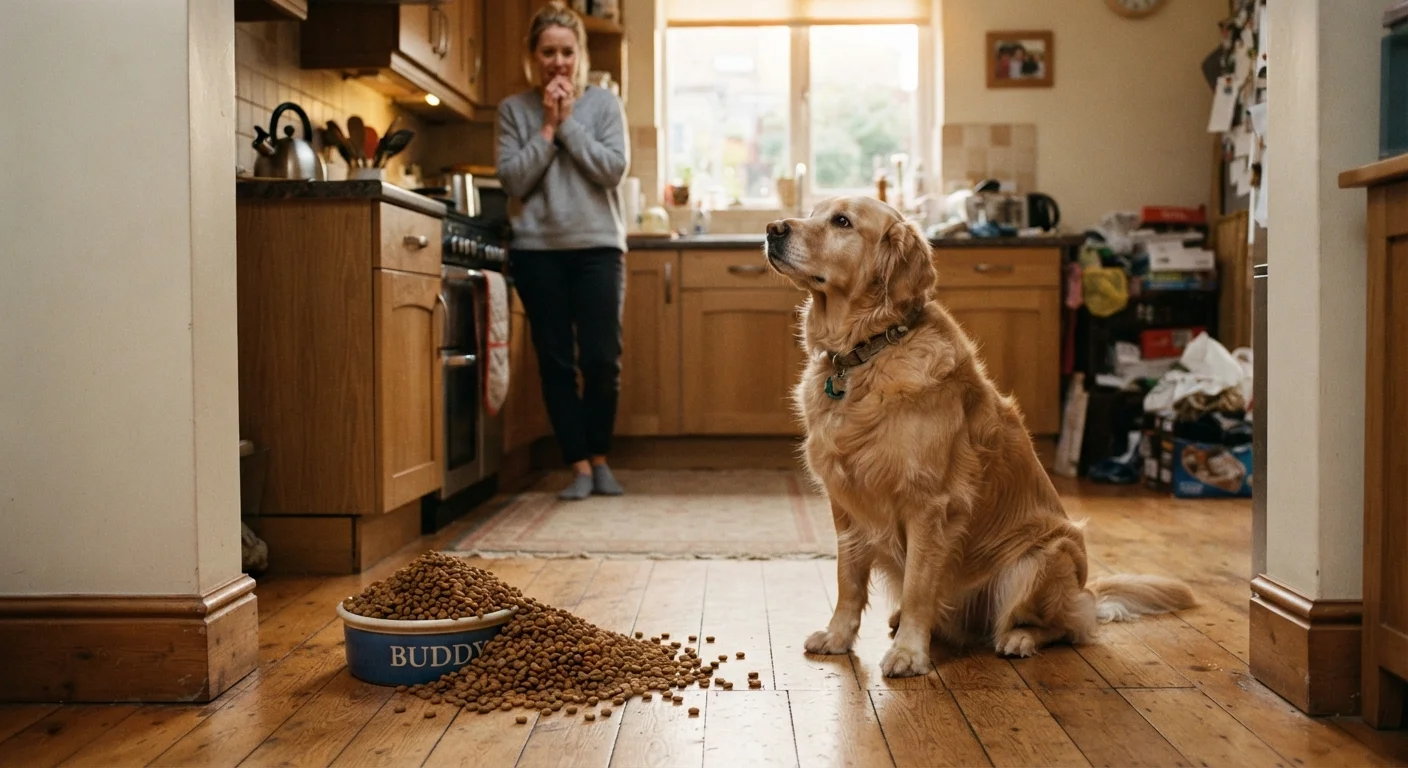
Overfeeding a pet rarely feels like a mistake in the moment. An extra scoop here, a generous top-up there - it reads as care. But feeding more than your pet actually needs has two distinct financial consequences: it drains your food budget faster, and it quietly increases the likelihood of health problems that carry serious vet bills.
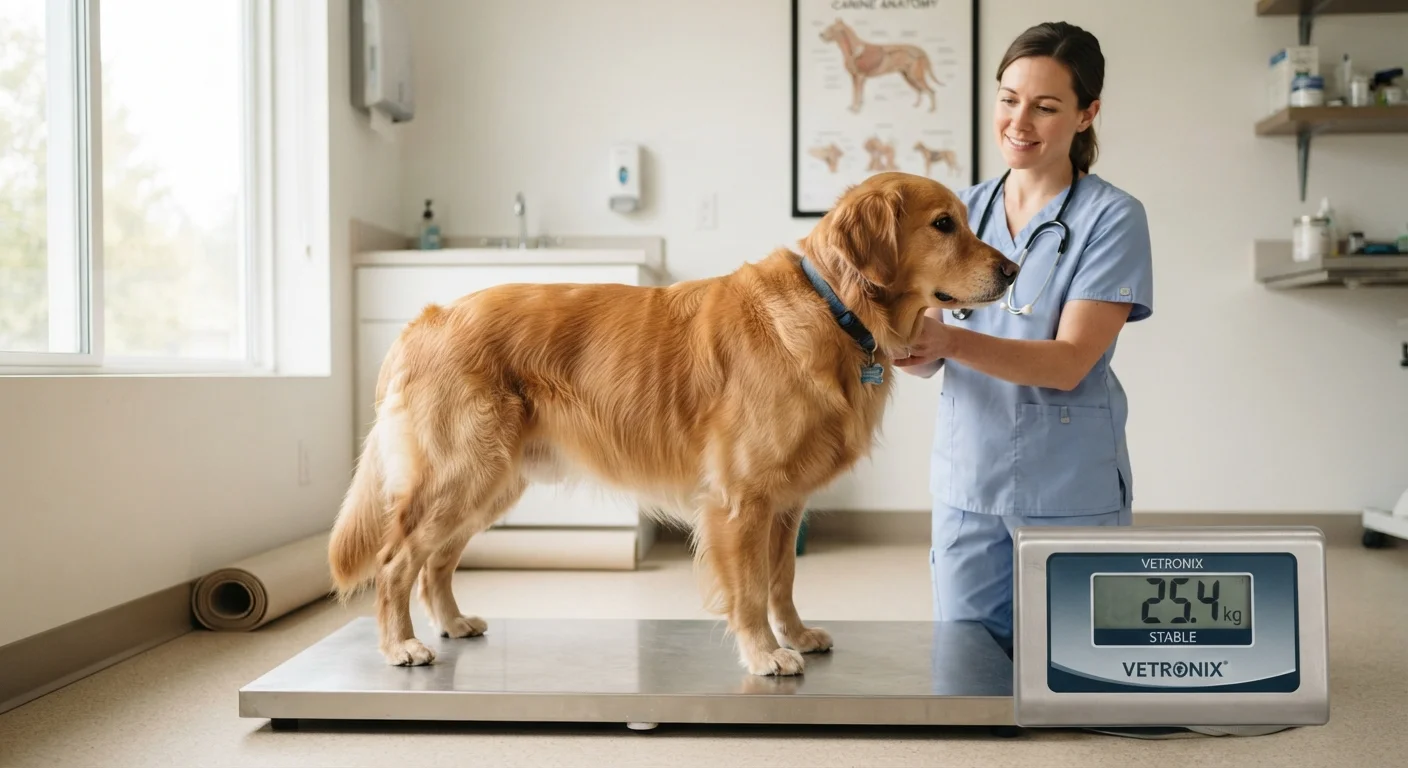
Pet obesity is one of the most prevalent health conditions in U.S. companion animals. According to the Association for Pet Obesity Prevention, more than half of dogs and cats in the United States are classified as overweight or obese. Excess weight is a recognized risk factor for joint disease, type 2 diabetes, certain heart conditions, and respiratory problems - all of which can require ongoing veterinary management. For a budget-conscious pet owner, that trajectory can be financially devastating.
Understanding why overfeeding happens - and how to stop it - is one of the most practical steps you can take for both your pet's wellbeing and your household finances. See also how healthy weight connects to long-term vet costs for a deeper look at what's at stake.
Trusting the bag's feeding guide as a universal rule.
Why it happens: Packaging guidelines are calculated for an average, intact adult animal at typical activity levels - they don't account for your specific pet's age, metabolism, or lifestyle.
Measuring food by eye or using oversized scoops.
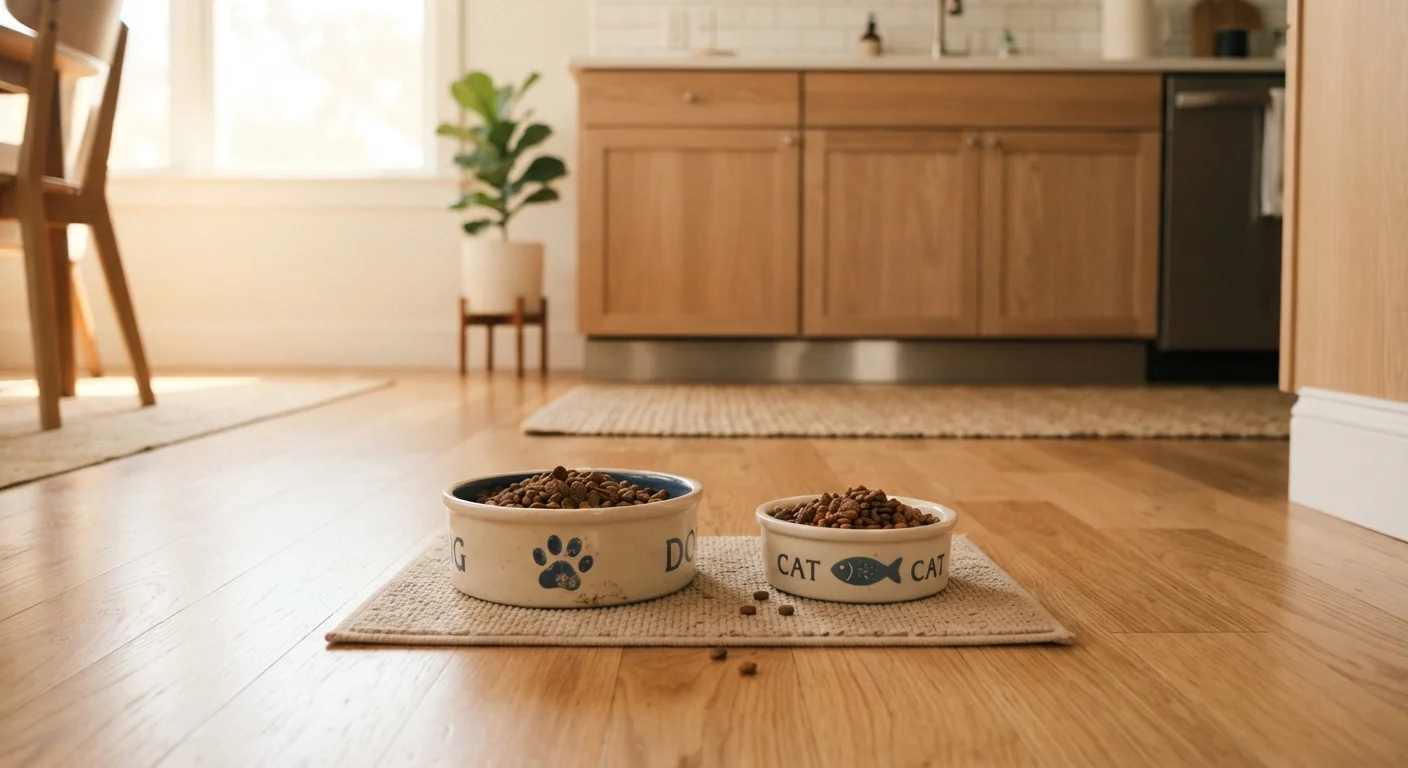
Why it happens: Most households don't own a pet-specific measuring cup, and informal scoops are often much larger than a standard cup. Even careful estimators tend to over-pour consistently.
Treating treats as separate from daily calorie totals.
Why it happens: Treats feel like a reward category rather than food, so owners often don't factor them into their mental accounting of what the pet has eaten that day.
Continuing the same portions as a pet ages or becomes less active.
Why it happens: Feeding routines are set once and rarely revisited. As pets age, get spayed or neutered, or shift from active to more sedentary lifestyles, their caloric needs decrease - but portions often don't.
Using food as the primary form of comfort or bonding.
Why it happens: Feeding is an emotionally satisfying interaction. When a pet shows interest in food or looks hungry, giving more food feels like responsiveness to their needs.
How to Build a Leaner, Smarter Feeding Routine
Correcting overfeeding doesn't require expensive food or complicated systems. It requires consistency and a few low-cost tools.
50%+
U.S. pets classified as overweight or obese
The Association for Pet Obesity Prevention has consistently found that more than half of dogs and cats in the U.S. are overweight.
10-30%
Extra calories from treats and scraps
Veterinary nutrition guidelines generally estimate that untracked treats and table scraps can add between 10% and 30% to a pet's daily caloric intake.
Start with a kitchen scale. Measuring by weight - not volume - is the most accurate method. Cup measurements vary significantly depending on how loosely or tightly food is packed. A basic digital kitchen scale costs very little and pays for itself quickly in reduced food use.
Ask your vet for a target calorie range. Your pet's ideal daily calorie intake depends on species, breed, age, activity level, and whether they are spayed or neutered. Bag guidelines are designed for an average animal and may not reflect your pet's actual needs. A brief conversation at your next wellness visit can give you a meaningful target.
Count all food sources. Treats, table scraps, food toppers, and training rewards all contribute to your pet's daily caloric intake. Many owners track kibble carefully but don't account for extras that can add 10-30% more calories than intended.
Switch to scheduled meals. Free-feeding - leaving food available at all times - makes it nearly impossible to track how much your pet is actually consuming. Scheduled meals give you control and make it easier to spot early signs of appetite changes, which can be a useful health indicator.
For more on building a cost-efficient nutrition plan, stretching your pet food budget without cutting nutritional corners offers practical strategies worth reading alongside this article. And if you care for more than one animal, budget-friendly feeding strategies for multi-pet households addresses the added complexity of managing multiple pets' needs at once.
Obesity Raises Veterinary Costs Significantly
Overweight pets are at meaningfully higher risk of conditions including osteoarthritis, type 2 diabetes, and heart disease - all of which require ongoing treatment. The cost of skipping preventive care is compounded when an underlying weight issue goes unaddressed. Managing your pet's weight proactively is one of the highest-return health investments you can make.
This article is for general informational purposes only and does not constitute veterinary or medical advice. Always consult a licensed veterinarian for guidance tailored to your pet's individual health needs.