
What Vets Actually Examine During a Wellness Visit
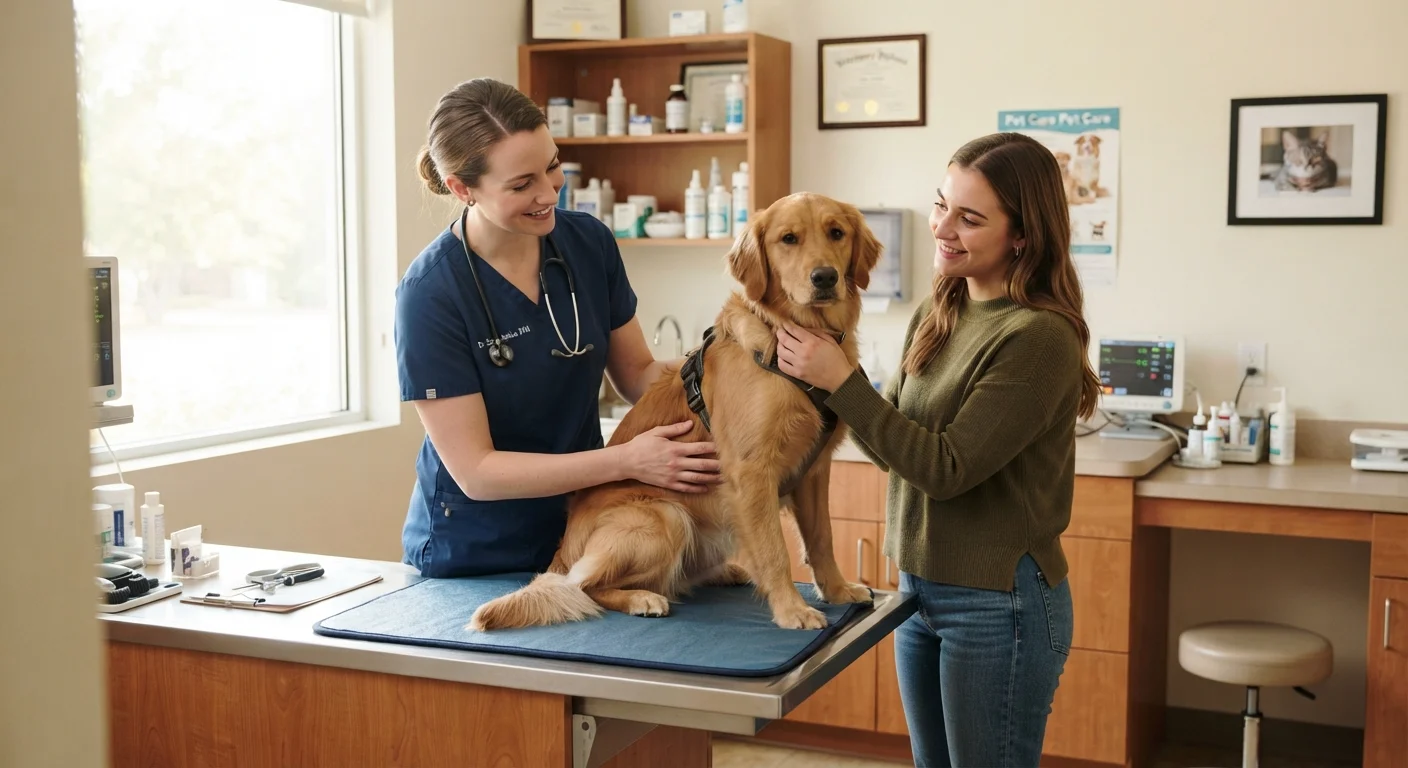
When you pay for a wellness exam, you are not simply paying for a vet to confirm your pet looks fine. A thorough wellness exam is a systematic evaluation of roughly 10 to 15 body systems, completed in a single appointment. Here is what a licensed veterinarian typically assesses:
- Eyes and ears: Checked for signs of infection, inflammation, discharge, or early vision and hearing changes.
- Teeth and gums: Dental disease affects the majority of pets over age three and is one of the most under-recognized sources of chronic pain. The vet grades tartar buildup and gum health.
- Skin and coat: Evaluated for parasites, allergic reactions, lumps, and coat condition that may signal nutritional gaps.
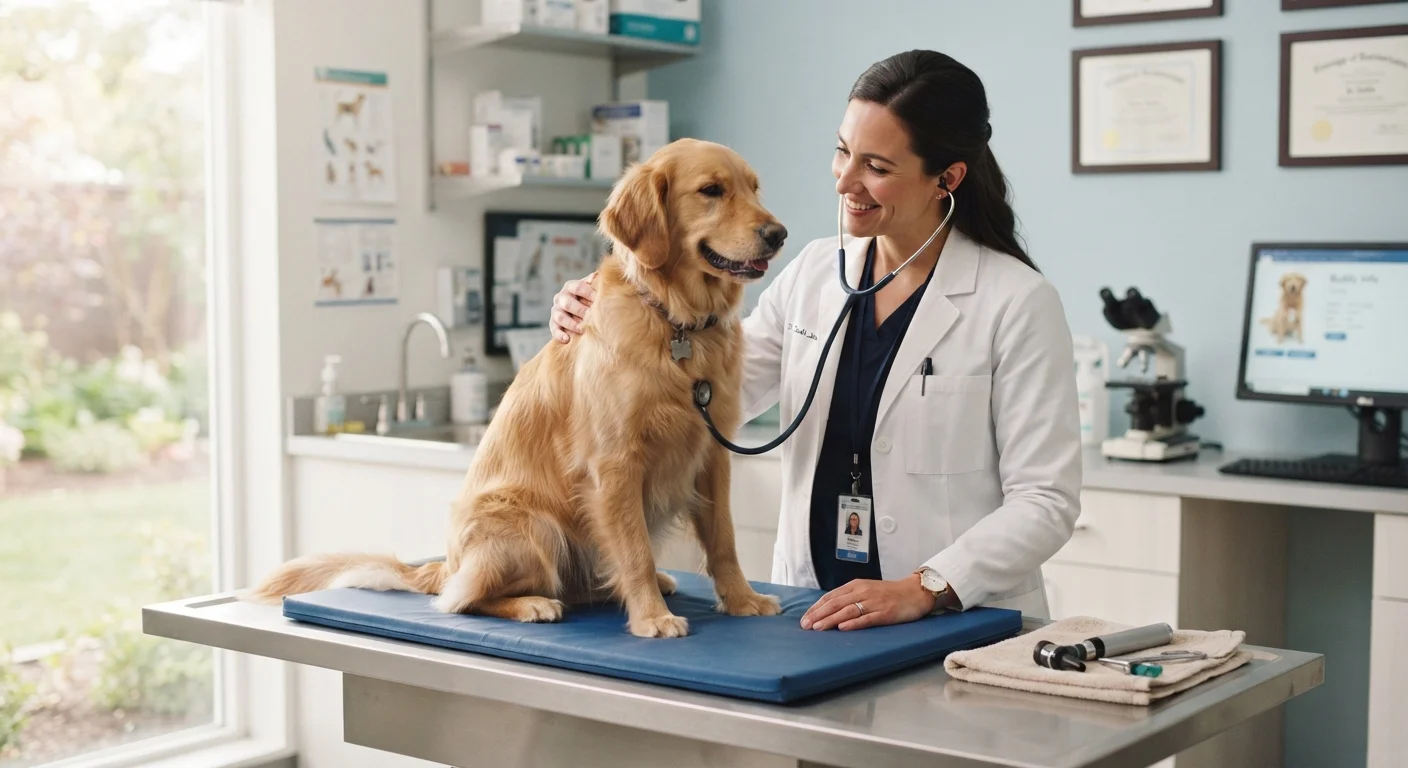
- Heart and lungs: Auscultation (listening with a stethoscope) can detect murmurs or respiratory abnormalities before symptoms appear.
- Abdomen: Palpation of the abdomen can reveal organ enlargement, masses, or discomfort that would not otherwise be visible.
- Lymph nodes: Swollen lymph nodes may signal infection or immune system activity worth monitoring.
- Musculoskeletal system: Range-of-motion checks catch early arthritis, especially in larger or older dogs.
- Weight and body condition score: An objective assessment of whether your pet is underweight, overweight, or at an ideal body composition.
The vet also reviews your pet's vaccination history, parasite prevention, diet, and behavioral changes you have noticed at home. That last part is important - your observations between visits are clinical data the vet cannot gather independently. Complement your annual exam with a simple routine at home using resources like our at-home health check guide.
Bring a Written List to Every Appointment
Vet appointments move quickly. Writing down behavioral changes, questions, and dietary details before you arrive ensures nothing gets forgotten under time pressure. Even a short bulleted note on your phone can make the difference between a productive appointment and a vague one. Your observations are clinical data the vet cannot gather without you.
How Exam Frequency Changes With Your Pet's Life Stage
Wellness exam schedules are not one-size-fits-all. Your pet's age and health history are the two biggest factors in how often you need to go.
Puppies and Kittens (Under 1 Year)
Young pets typically need several visits in their first year - roughly every three to four weeks - to complete a core vaccination series, screen for congenital conditions, and monitor growth. This is the highest-frequency period, but the per-visit cost is usually lower because these appointments are shorter.
Healthy Adults (Ages 1-7)
Once your pet reaches adulthood and has completed initial vaccines, annual wellness exams are the general standard. Many healthy adult pets can maintain good health status with one thorough yearly visit, making this the most budget-friendly window in a pet's life.
Senior Pets (Age 7+)
Veterinary associations generally recommend twice-yearly visits for senior pets. Age-related conditions - kidney disease, hyperthyroidism in cats, arthritis, and cognitive decline - can progress significantly in just six months. Earlier detection typically means simpler, less expensive management options.
~70%
Dogs over 3 with dental disease
The American Veterinary Medical Association estimates that by age three, most dogs show some signs of periodontal disease - often detected first during a wellness exam.
2x/year
Recommended visits for senior pets
Veterinary guidelines generally recommend biannual wellness exams for pets aged seven and older, reflecting how quickly age-related conditions can develop.
Early detection
Primary value of wellness exams
Conditions like kidney disease, early-stage cancer, and hyperthyroidism frequently show no outward symptoms until significantly advanced - making physical examination the primary detection tool.
If your pet has a chronic condition like diabetes or heart disease, your vet may recommend more frequent monitoring visits outside the standard wellness schedule. These are distinct from routine wellness exams and should be budgeted separately.
Separating Essential from Optional Add-Ons
One reason wellness exams feel expensive is that add-on services - fecal tests, heartworm tests, urinalysis, blood panels - are often bundled or recommended at the same appointment. Some of these are genuinely high-value; others may be deferrable depending on your pet's profile.
Generally High Value at Any Age
- Core vaccinations on schedule
- Heartworm testing (annually for dogs in most U.S. regions)
- Fecal parasite screening (especially for pets with outdoor exposure)
Consider Based on Life Stage
- Comprehensive blood panels are most valuable for pets over seven, where baseline organ-function data guides future care decisions.
- Dental X-rays may be worth scheduling separately when your pet is already under anesthesia for a cleaning, rather than as a standalone add-on.
You can have a direct, productive conversation with your vet about which services are highest priority for this visit versus which can wait. A good veterinarian will help you triage based on your pet's risk factors - not push every available service at once. For context on how preventive care costs compare to emergency treatment, see our article on the real cost of skipping preventive care.
Making Wellness Exams Worth Every Dollar
The financial value of a wellness exam depends largely on how you use it. Owners who arrive prepared get more out of each appointment and spend less on unnecessary follow-ups.
Before the visit: Write down any behavioral or physical changes you have noticed - changes in appetite, water intake, activity level, coat condition, or elimination habits. Note the dates when possible. This turns a general conversation into a targeted clinical discussion.
During the visit: Ask for a clear explanation of the body condition score your vet assigns. Ask which, if any, of the recommended add-on tests are truly urgent. Ask what signs to watch for before the next annual exam.
Between visits: Use a simple monthly routine to monitor your pet at home. Our monthly pet health checklist gives you a repeatable framework that takes less than 10 minutes and helps you arrive at each vet appointment with useful observations rather than vague concerns.
Nutrition also intersects directly with exam findings - body condition scores, coat quality, and even dental health can reflect diet quality. If your vet raises nutritional concerns, our checklist for evaluating pet food on a budget can help you assess what you're currently feeding without switching to premium-priced options unnecessarily.
This article is for general informational purposes only and does not constitute veterinary or medical advice. Always consult a licensed veterinarian for guidance specific to your pet's health needs.