
Why Dental Health Is Worth Your Attention
Veterinary organizations estimate that the majority of dogs and cats show signs of periodontal disease by age three. Left unaddressed, dental disease does not stay in the mouth - bacteria from infected gums can travel through the bloodstream and contribute to problems affecting the heart, kidneys, and liver. The encouraging news is that prevention costs a fraction of what treatment does.
Tooth extractions, professional cleanings under anesthesia, and treatment for secondary infections add up quickly. Building even a basic at-home routine now is one of the most cost-effective decisions a pet owner can make. As we explain in The Real Cost of Skipping Preventive Pet Care, deferring routine dental care routinely results in far larger vet bills down the road.
What you will need
What You Need to Get Started
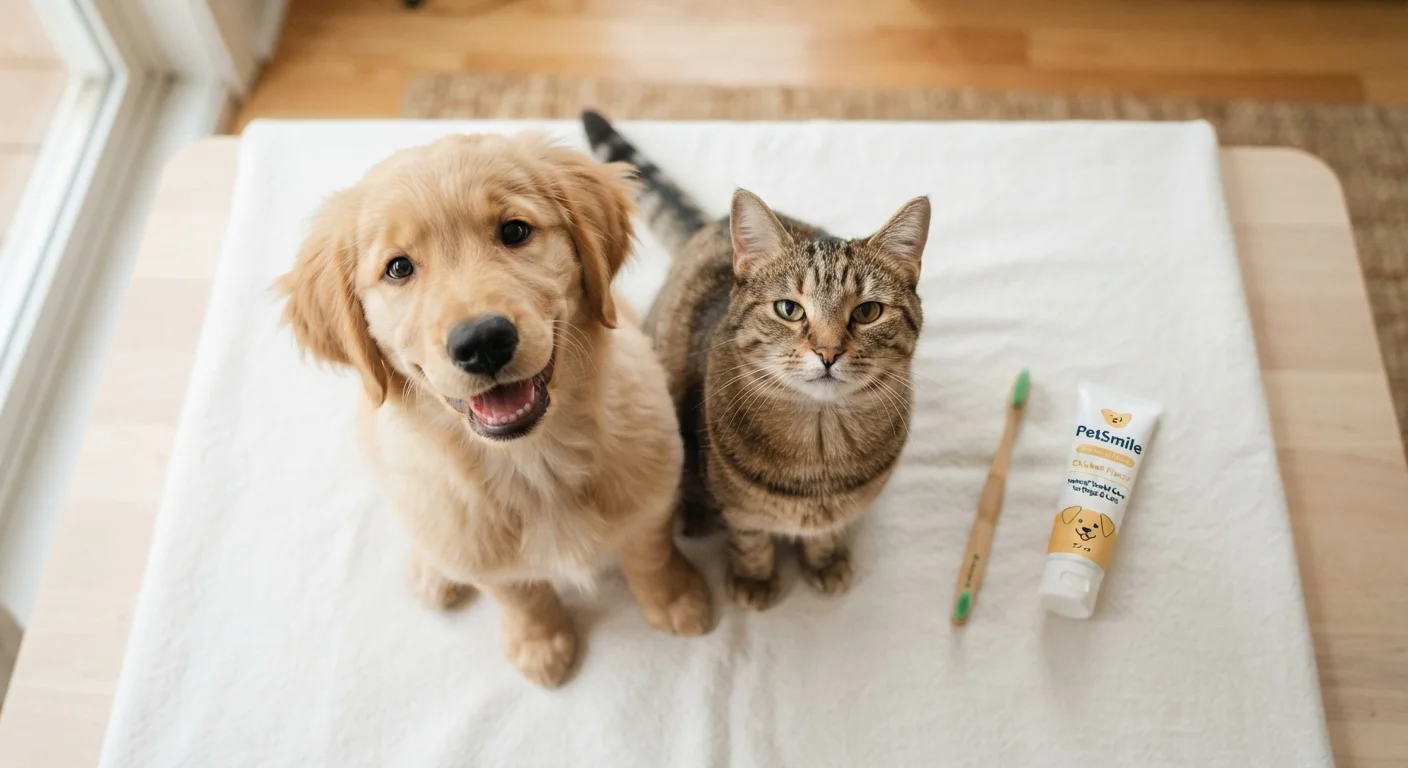
The tools required for an effective at-home dental routine are simple and inexpensive. You do not need a full dental kit from a specialty retailer - a basic setup will serve most pets well.
Pet-Safe Toothbrush
Used to manually remove plaque from tooth surfaces and along the gumline.
Pet-Formulated Toothpaste
Provides enzymatic cleaning action and comes in flavors pets accept, without toxic ingredients.
Dental Finger Brush
A softer alternative to a standard toothbrush, useful for pets that resist traditional brushes.
Dental Chews (species-appropriate)
Mechanical chewing action helps reduce surface plaque between brushing sessions.
Pet Dental Water Additive
Added to drinking water to help reduce bacteria and freshen breath as a supplementary measure.
Never Use Human Toothpaste on Pets
Human toothpastes commonly contain fluoride and xylitol, both of which are toxic to dogs and cats. Always use a toothpaste specifically formulated for pets. If you are unsure which product is appropriate, ask your veterinarian before starting a brushing routine.
How to Build the Routine Step by Step
The following steps will take you from introducing your pet to toothpaste all the way to maintaining a consistent daily routine. Move through each stage at your pet's pace - some animals adapt within a week, while others may take a month or more. There is no fixed timeline. For a deeper look at what a complete routine looks like for both dogs and cats, see our companion guide Dental Care for Dogs and Cats: The At-Home Routine Explained.
Gather your supplies
Pick up a pet-formulated toothpaste and a soft-bristled toothbrush or finger brush from a pet supply store or your vet's office. These are typically low-cost items. Avoid any product designed for human use - ingredients safe for people can be harmful to animals.
Introduce the toothpaste before the brush
Let your pet sniff and lick a small amount of toothpaste from your fingertip. Do this once or twice daily for three to five days. This step builds positive associations with the taste and smell before you introduce any physical brushing sensation.
Begin gentle finger brushing along the gumline
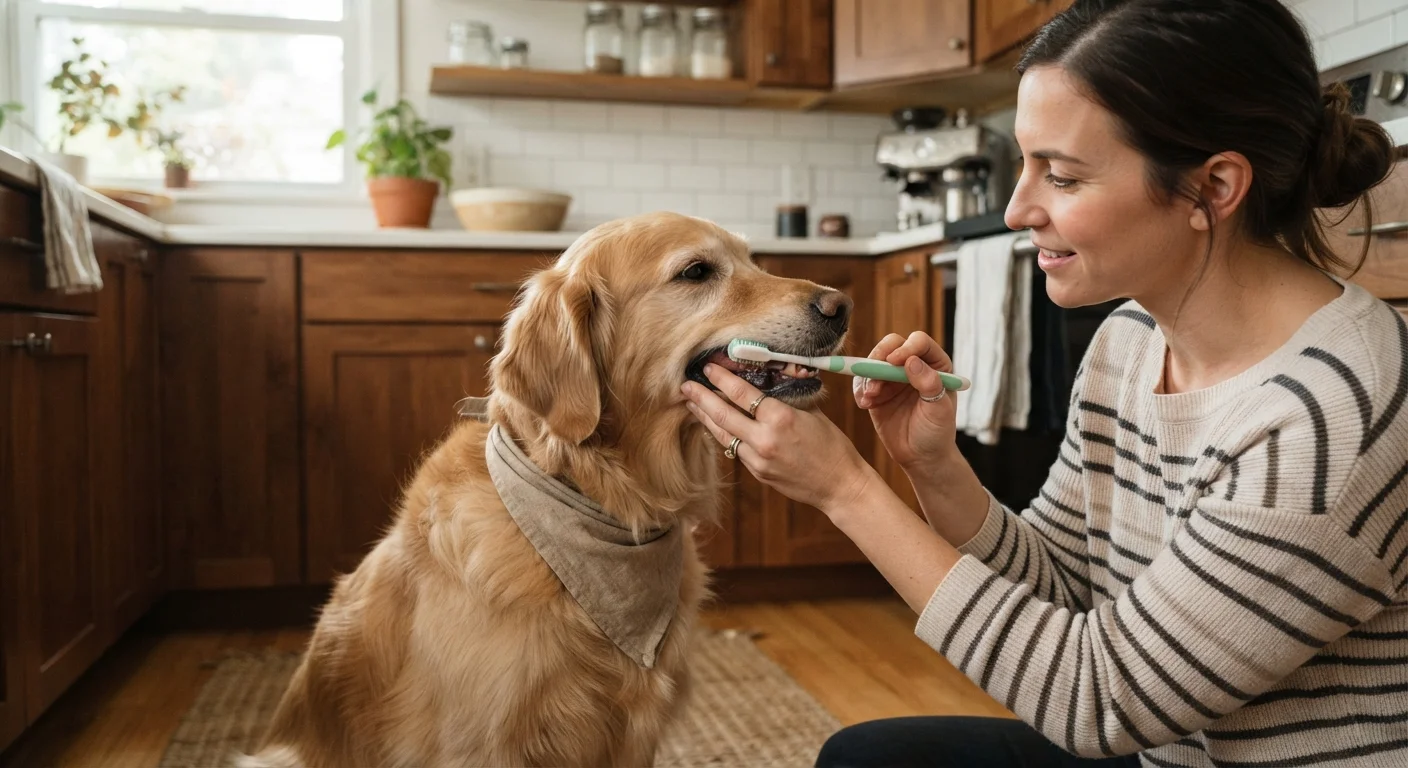
Wrap clean gauze around your index finger or use a finger brush. Apply a pea-sized amount of pet toothpaste and gently rub along the outer surfaces of your pet's teeth in small circular motions, focusing on where the tooth meets the gum. Keep sessions to 30-60 seconds at first.
Transition to a toothbrush
Once your pet is comfortable with finger brushing, introduce a soft-bristled pet toothbrush using the same circular technique. Hold the brush at a 45-degree angle toward the gumline. Aim to brush all outer tooth surfaces, working from back to front on both sides of the mouth.
Build a daily brushing habit
Daily brushing is the gold standard recommended by veterinary dental organizations. Link the routine to an existing daily habit - after your morning coffee or before bed - to help it stick. Consistency matters more than duration: a brief daily session outperforms an occasional thorough one.
Add supplementary dental tools as needed
Dental chews, water additives, and dental diets can complement brushing, but they work best as part of a routine that already includes mechanical cleaning. Look for products that carry the Veterinary Oral Health Council (VOHC) seal, which indicates the product has met published standards for plaque or tartar reduction.
Schedule periodic veterinary dental assessments
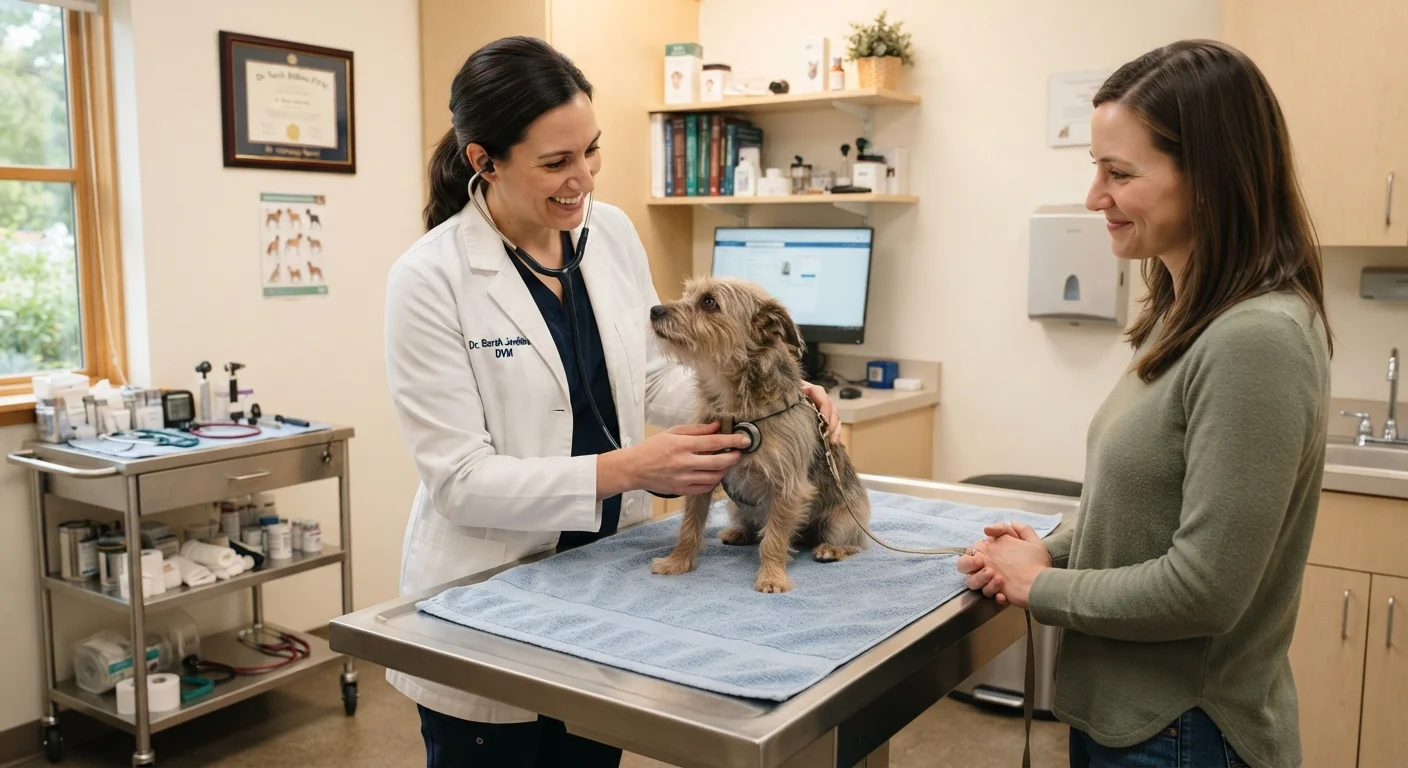
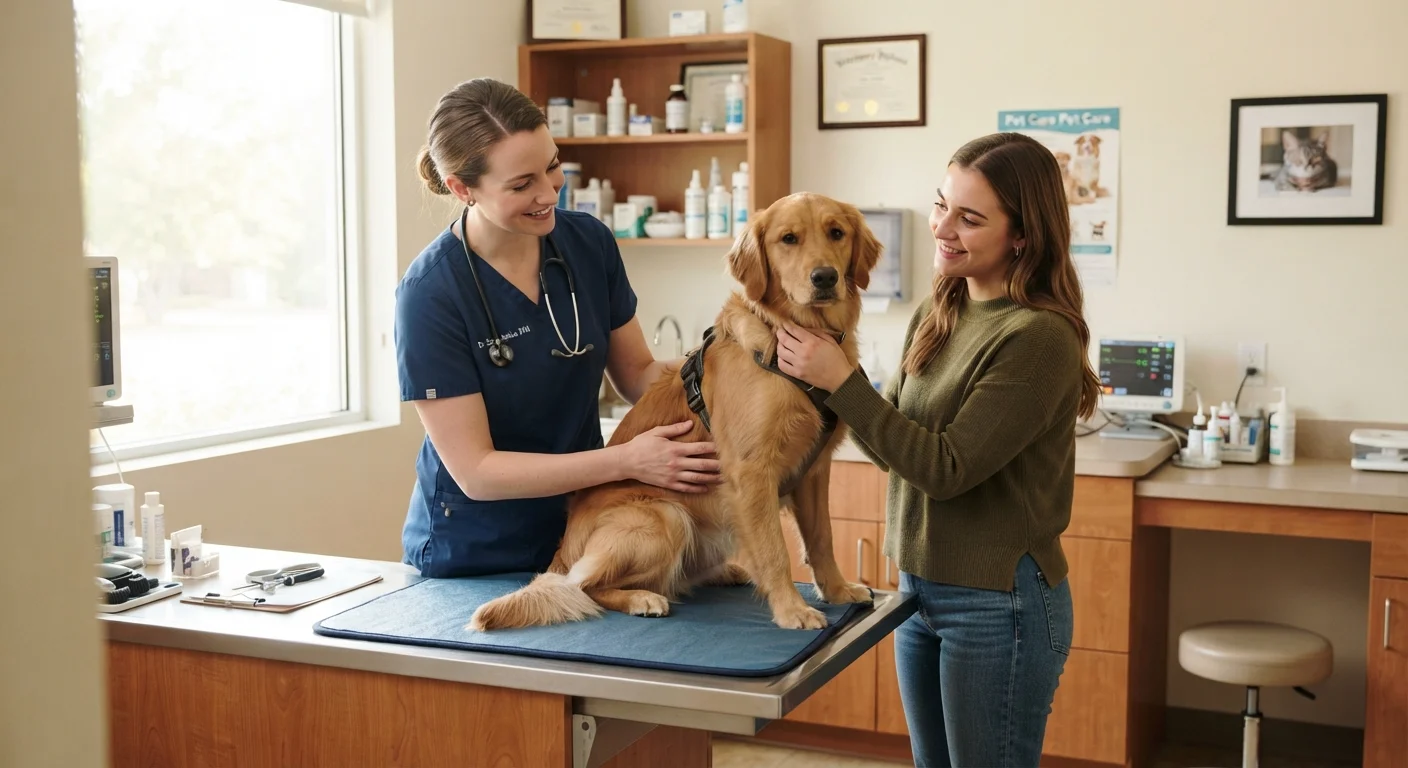
Even with a strong home routine, most pets benefit from professional dental evaluations - typically once a year, though your vet will advise based on your individual animal's needs. Professional cleanings address tartar below the gumline that brushing cannot reach. Some community clinics and veterinary schools offer these at reduced cost. See our guide on low-cost vet clinics vs. full-service animal hospitals for options in your area.
Start Slowly to Build Acceptance
Pets that are new to brushing often resist at first. Begin by letting your pet lick a small amount of pet toothpaste from your finger for several days before introducing a brush. Gradual, positive introductions - paired with praise or a small treat afterward - build cooperation over time.
Keeping Costs Manageable Over Time
A consistent at-home dental routine is the single biggest factor in reducing lifetime dental costs for your pet. Beyond daily brushing, a few habits help stretch your budget further:
- Dental checks during regular vet visits: Ask your vet to assess your pet's teeth at every wellness exam rather than scheduling a separate dental appointment. Early-stage plaque is far cheaper to address than advanced disease.
- Veterinary school clinics: Teaching hospitals often perform professional dental cleanings at significantly reduced rates under licensed supervision. Our article on keeping vet costs down without compromising your pet's care covers this and other cost-saving strategies in detail.
- Include dental care in monthly checkups: A quick visual inspection of your pet's gums and teeth is easy to add to a monthly home health check. The Monthly Pet Health Checklist for Budget-Conscious Owners shows you what to look for.
Home Care Cannot Replace Professional Cleanings
At-home routines reduce plaque buildup but cannot remove hardened tartar below the gumline. If your pet shows signs of gum inflammation, bad breath that does not improve, or difficulty eating, schedule a veterinary exam. Delaying professional care when it is needed can lead to tooth loss and systemic infections.
This article is for general informational and educational purposes only and does not constitute veterinary or medical advice. Always consult a licensed veterinarian for guidance specific to your pet's health needs.