
Why Preventive Care Is a Financial Decision, Not Just a Health One
For budget-conscious pet owners, skipping a routine vet appointment or putting off a dental cleaning can feel like a reasonable short-term saving. In practice, it almost always works the other way. Preventive care is less expensive than the conditions it prevents - often by a wide margin.
The logic mirrors other forms of maintenance: just as deferred vehicle servicing tends to compound into larger repairs, deferred pet health care tends to escalate from manageable to urgent. What a veterinarian might address simply at an annual exam - a mild ear infection, early gum disease, a borderline weight reading - can become a complex, expensive problem if left unattended for months.
This is not about guilt or alarm. It is about understanding where your money goes furthest. Consistent preventive care is typically the most cost-effective approach to pet ownership available.
80%
Pets showing dental disease by age 3
According to the American Veterinary Medical Association (AVMA), dental disease is one of the most common health conditions diagnosed in dogs and cats, with most pets showing signs by age three.
15x
Heartworm treatment cost vs. prevention
The American Heartworm Society notes that treating heartworm disease can cost many times more than a year of preventive medication, and treatment carries significant health risks for the pet.
$1,000+
Typical parvovirus hospitalization cost
Veterinary cost data consistently places parvovirus treatment in the range of hundreds to over a thousand dollars for hospitalization, compared to a vaccine series costing a fraction of that amount.
The Three Areas Where Skipping Care Costs the Most
Dental disease is one of the most widespread and underestimated health issues in both dogs and cats. Veterinary organizations estimate the majority of pets over age three show signs of periodontal disease. A routine professional dental cleaning under anesthesia is significantly less expensive than the tooth extractions, antibiotics, and follow-up care required once the disease advances. Untreated dental infections can also spread beyond the mouth, affecting the kidneys, heart, and liver.
Parasite prevention - particularly heartworm, fleas, and ticks - is another area where the math strongly favors prevention. Heartworm treatment, for example, is a lengthy and expensive process compared to the annual cost of preventive medication. Tick-borne diseases such as Lyme disease require extended antibiotic courses and monitoring. A flea infestation that takes hold in a home can require both veterinary treatment for the pet and professional pest control for the household. Year-round prevention is generally far less expensive in total.
Vaccinations protect against diseases that, if contracted, are costly to treat and in some cases fatal. Parvovirus treatment in dogs, for instance, typically requires hospitalization and intensive care. The vaccine that prevents it costs a fraction of that. Core vaccines follow a schedule recommended by your veterinarian based on your pet's age and risk factors - staying current is one of the simplest and most affordable steps in pet care.
What Annual Wellness Exams Actually Catch
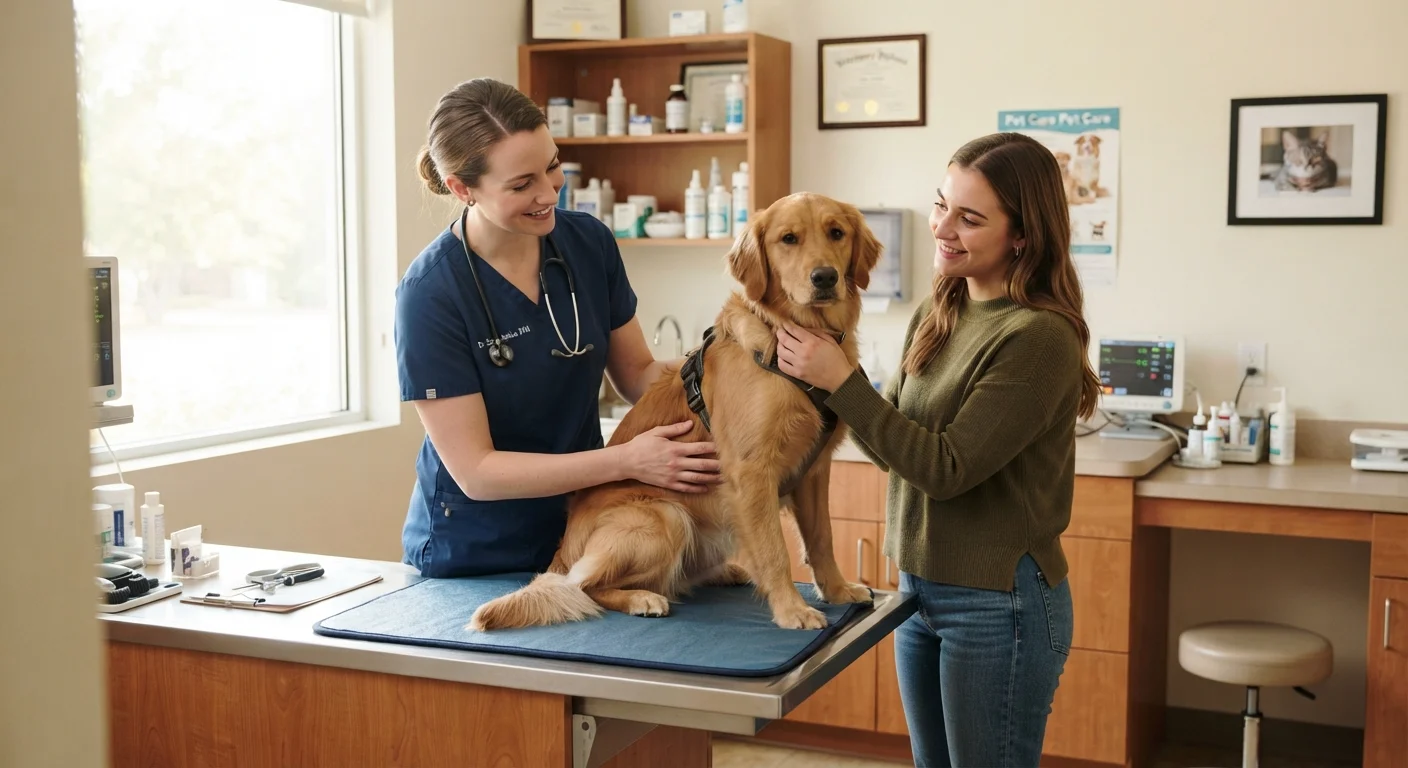
A routine wellness exam is more than a formality. During a physical, a veterinarian checks weight and body condition, examines teeth and gums, assesses heart and lung function, palpates the abdomen for abnormalities, and reviews parasite prevention status. For older pets, bloodwork and urinalysis may be recommended to detect early organ changes.
These checks matter because pets do not show pain or illness obviously until conditions are well advanced. A cat losing a small amount of weight gradually may have early kidney disease or hyperthyroidism - both manageable if caught early, significantly more complex and costly if not. A dog with mildly inflamed gums is a dental cleaning candidate; the same dog two years later may need multiple extractions.
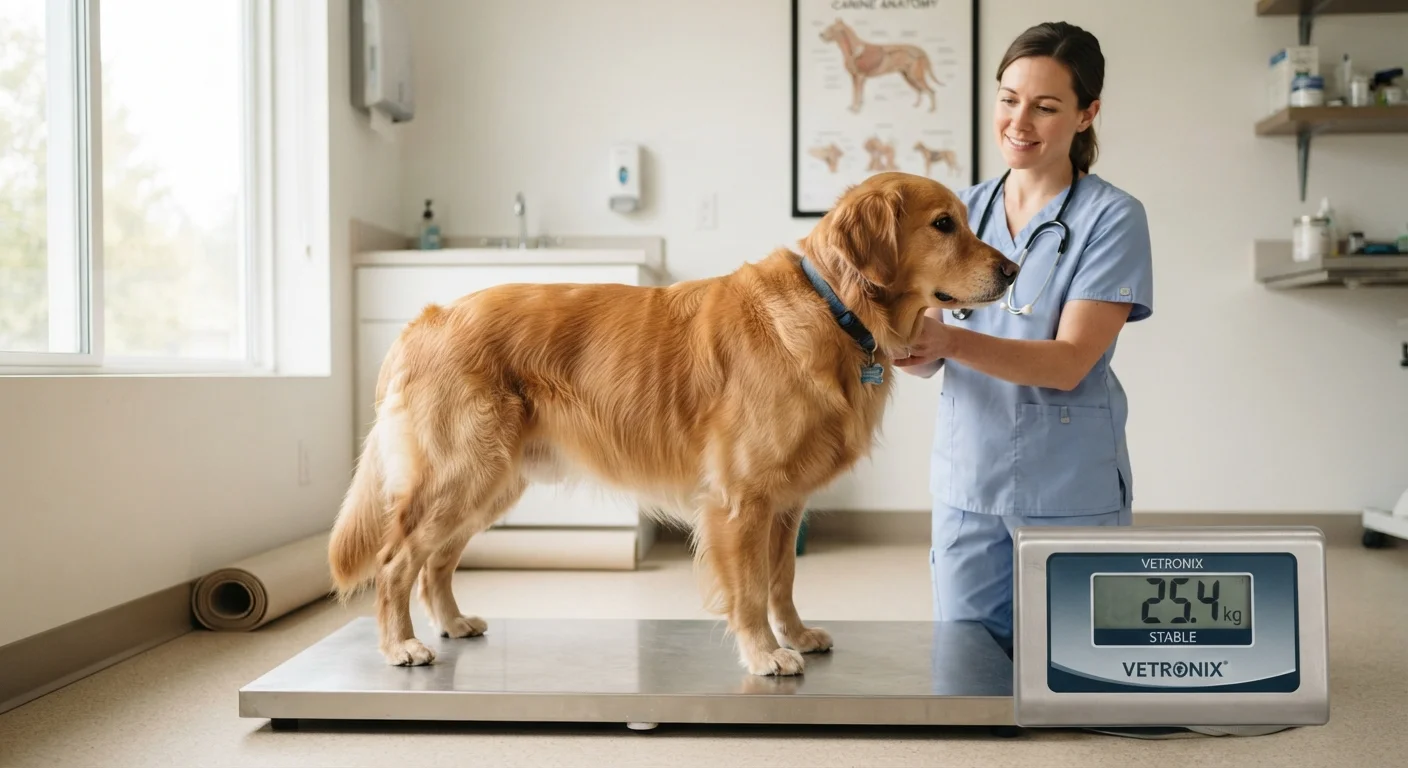
Healthy weight is one of the strongest predictors of long-term pet health and lower lifetime vet costs, and it is something a wellness visit helps monitor. Similarly, overfeeding quietly raises long-term health risks that show up as vet bills later.
“The single most important thing an owner can do for a pet's long-term health - and their own long-term budget - is show up for that annual exam. We find things owners have no idea are developing, and catching them early changes everything.”
— A general practice veterinarian, Small animal veterinarian with over 15 years of clinical experience
Keeping Up With Preventive Care on a Tight Budget
Preventive care does not have to be unaffordable. Several practical options can reduce what you spend without cutting corners on what your pet needs.
- Veterinary school clinics offer services performed by supervised students at reduced rates - a legitimate, quality option for routine care.
- Low-cost vaccine clinics run by shelters, humane societies, and some vet practices provide core vaccines at accessible prices.
- Wellness plans offered by some veterinary practices spread the cost of annual care into predictable monthly payments, making budgeting more manageable.
- Prioritizing by risk - working with your vet to understand which preventive steps matter most for your specific pet's age, breed, and lifestyle - ensures your dollars go where they are most needed.
For a more detailed breakdown, our guide to keeping vet costs down covers ethical, practical strategies including payment plans and clinic alternatives. If you are weighing how to prepare for unexpected costs, comparing pet insurance with a dedicated savings fund is a useful next step.
New pet owners will find a grounded introduction to affordable pet health from day one especially helpful for setting up good habits early. And understanding the honest trade-offs of managing pet health on a budget helps clarify where professional care is truly non-negotiable.
This article provides general educational information about pet health and is not a substitute for veterinary advice. Consult a licensed veterinarian for guidance tailored to your individual pet's needs.