

Set Your Real Budget Before You Shop
The single most expensive mistake first-time buyers make is shopping by monthly payment rather than total cost. A long loan term can make an unaffordable car look affordable on paper while costing significantly more in interest over time.
Before looking at a single listing, calculate four numbers:
- Loan payment - use an online auto loan calculator with realistic interest rates for your credit score.
- Insurance estimate - get quotes for the specific vehicles you're considering; rates vary widely by make, model, and your profile.
- Fuel cost - check the EPA fuel economy estimate and calculate monthly fuel spend at your typical mileage.
- Maintenance reserve - set aside roughly $50-$100/month for routine upkeep and unexpected repairs.
Add those four together. That is your real monthly ownership cost. See the Cutting Car Costs hub for strategies to lower each of these ongoing expenses.
Get Insurance Quotes Before You Fall in Love
Insurance costs vary dramatically between vehicle models - a sports car or SUV can cost significantly more to insure than a sedan of similar purchase price. Get actual quotes for any vehicle you're seriously considering before visiting a dealership. This one step has saved many buyers from an unpleasant monthly surprise.
New vs. Used: Which Makes More Sense for You?
New cars offer full warranties, the latest safety technology, and financing incentives. But a new vehicle can lose 15-20% of its value in the first year of ownership - a cost that falls entirely on the buyer. For budget-conscious first-timers, that depreciation curve is hard to ignore.
A used vehicle that is two to four years old has already absorbed the steepest depreciation drop while often still carrying some remaining manufacturer warranty. Certified Pre-Owned (CPO) programs - offered through manufacturer-authorized dealerships - add an inspected-and-warranted layer of confidence, typically at a higher price than standard used cars.
There are legitimate reasons to buy new: if you plan to keep the vehicle for 10+ years, the depreciation hit averages out. If you need specific accessibility features or the latest driver-assist technology, used options may be limited. But for most first-time buyers managing a tight budget, a reliable used vehicle is the more financially sound entry point.
Be sure to read common car-buying myths before making this decision - some widely repeated advice doesn't hold up under scrutiny.
Out-the-door price
The total amount you pay to drive the car home, including taxes, registration, title fees, and any dealer fees. Always negotiate this number, not just the sticker price.
Depreciation
The loss in a vehicle's market value over time. New cars depreciate fastest in the first one to two years, which is why slightly used vehicles often offer better value for the money.
Pre-purchase inspection (PPI)
An independent mechanic's examination of a used vehicle before you buy it. It helps identify hidden problems the seller may not have disclosed.
Certified Pre-Owned (CPO)
A used vehicle that has passed a manufacturer-defined inspection and comes with an extended warranty backed by the manufacturer. CPO vehicles typically cost more than standard used cars.
Vehicle Identification Number (VIN)
A unique 17-character code assigned to every vehicle. You use it to pull a vehicle history report that shows past accidents, title issues, and ownership records.
Finance and Insurance (F&I) office
The dealership department where you finalize your loan and sign purchase paperwork. It's also where optional add-on products like extended warranties are offered.
Research, Test Drives, and Vehicle History
Once you've identified a price range and vehicle type, narrow to three to five specific models with strong reliability records and reasonable ownership costs. Owner forums and consumer reliability surveys (not marketing materials) are your best research sources here.
For each vehicle you consider seriously:
- Pull a vehicle history report using the VIN (Vehicle Identification Number). Look for title problems (salvage, rebuilt, flood), major accident history, and whether the odometer reading is consistent with the car's age.
- Test drive it yourself - in varied conditions if possible. Evaluate visibility, comfort, braking feel, and whether anything sounds or feels off. Don't let a salesperson rush you.
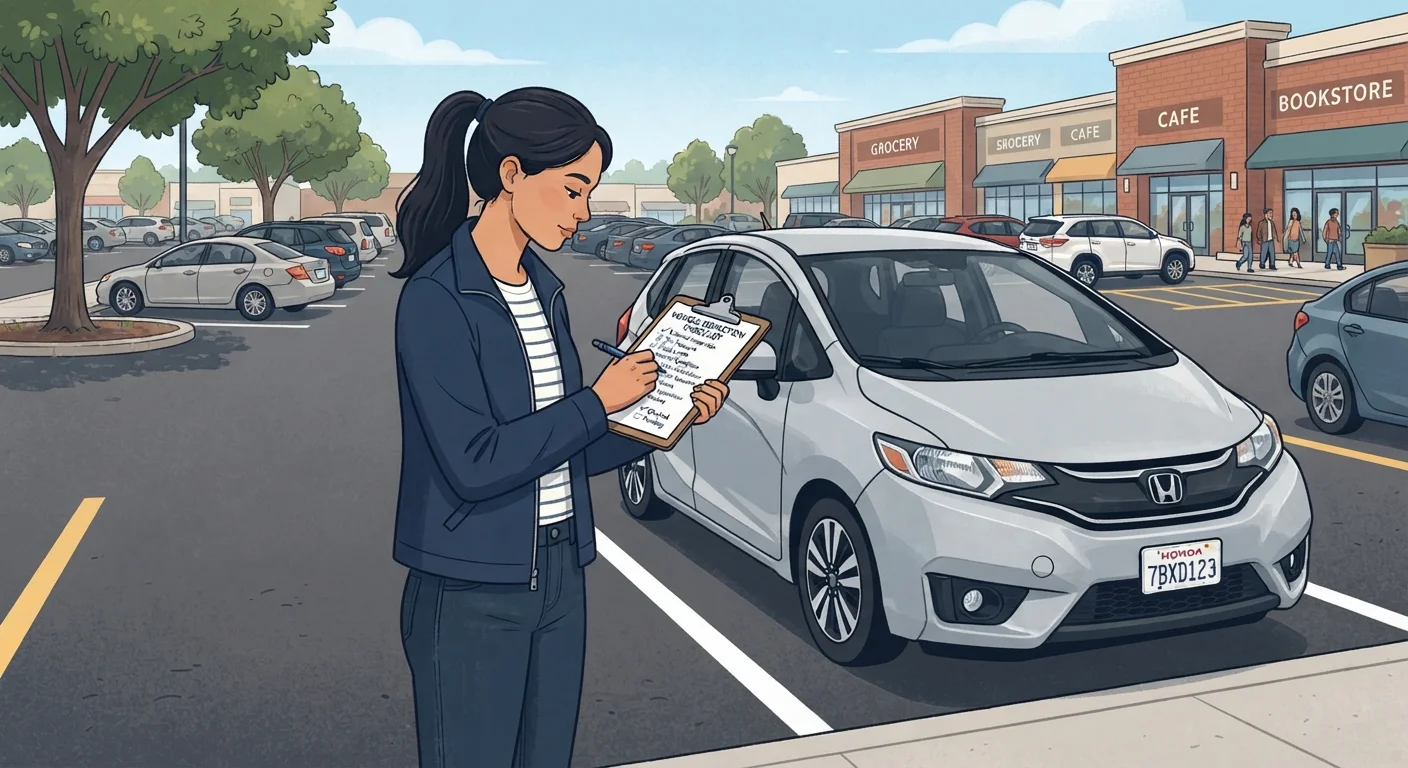
- Get a pre-purchase inspection (PPI) from an independent mechanic before buying any used vehicle. This typically costs $100-$200 and is money well spent. A mechanic can identify rust, worn components, or deferred maintenance the seller may not have disclosed.
If a seller refuses to allow a PPI, treat that as a serious red flag and walk away.
Negotiating and Closing the Deal
Arrive with three things: a pre-approved loan offer from your bank or credit union, research on comparable vehicle prices in your area, and a clear target out-the-door price. The out-the-door price includes taxes, title, registration fees, and any dealer fees - it's the number that leaves your account, and it's the number you should negotiate on.
Dealers may try to shift focus to monthly payments, trade-in value, or financing terms separately to obscure the total. Keep bringing the conversation back to the complete purchase price. You can negotiate trade-in value and financing separately, but do so only after agreeing on the vehicle price.
Don't feel obligated to decide the same day. Walking away - or credibly signaling you will - is one of the most effective negotiating tools available. For a full breakdown of how this works in practice, see our guide on negotiating a car price without pressure.
Paperwork and What to Watch For
The finance and insurance (F&I) office is where deals can quietly get more expensive. You'll be presented with a stack of documents and a menu of add-on products. Take your time - you are legally entitled to read everything before signing.
Key documents to review carefully:
- Buyer's order - confirms the agreed purchase price, trade-in credit, fees, and any add-ons. Verify every line matches what was verbally agreed.
- Loan contract - confirm the interest rate, loan term, total amount financed, and total amount you'll repay over the life of the loan.
- Title and registration paperwork - required by your state to legally own and operate the vehicle.
Add-ons like extended warranties or paint sealant are optional and negotiable. If you want an extended warranty, research third-party options - they're often available elsewhere at lower cost than through the dealership's F&I office.
Once everything looks correct and you're comfortable, sign and take your keys. Then start building the habits that keep ownership costs low - the Car Maintenance Basics hub is a practical next stop, as is our guide on reducing car costs as a new driver.