
Why Maintenance Habits Matter Early
Most major car repairs trace back to something small that was ignored. A low coolant level becomes an overheated engine. A slightly underinflated tire wears unevenly and fails. For new drivers, the financial stakes are real: unexpected repair bills are one of the most common budget shocks in early car ownership.
The good news is that the habits protecting against these outcomes aren't complicated - they're just unfamiliar. Drivers who build a basic inspection routine in their first year of ownership tend to spend significantly less on repairs over time, because they catch small issues before those issues compound. This guide is designed to make those habits concrete and approachable, regardless of your mechanical background. For a broader look at keeping running costs in check, see our guide for new drivers on cutting costs.
The Five Checks Every New Driver Should Know
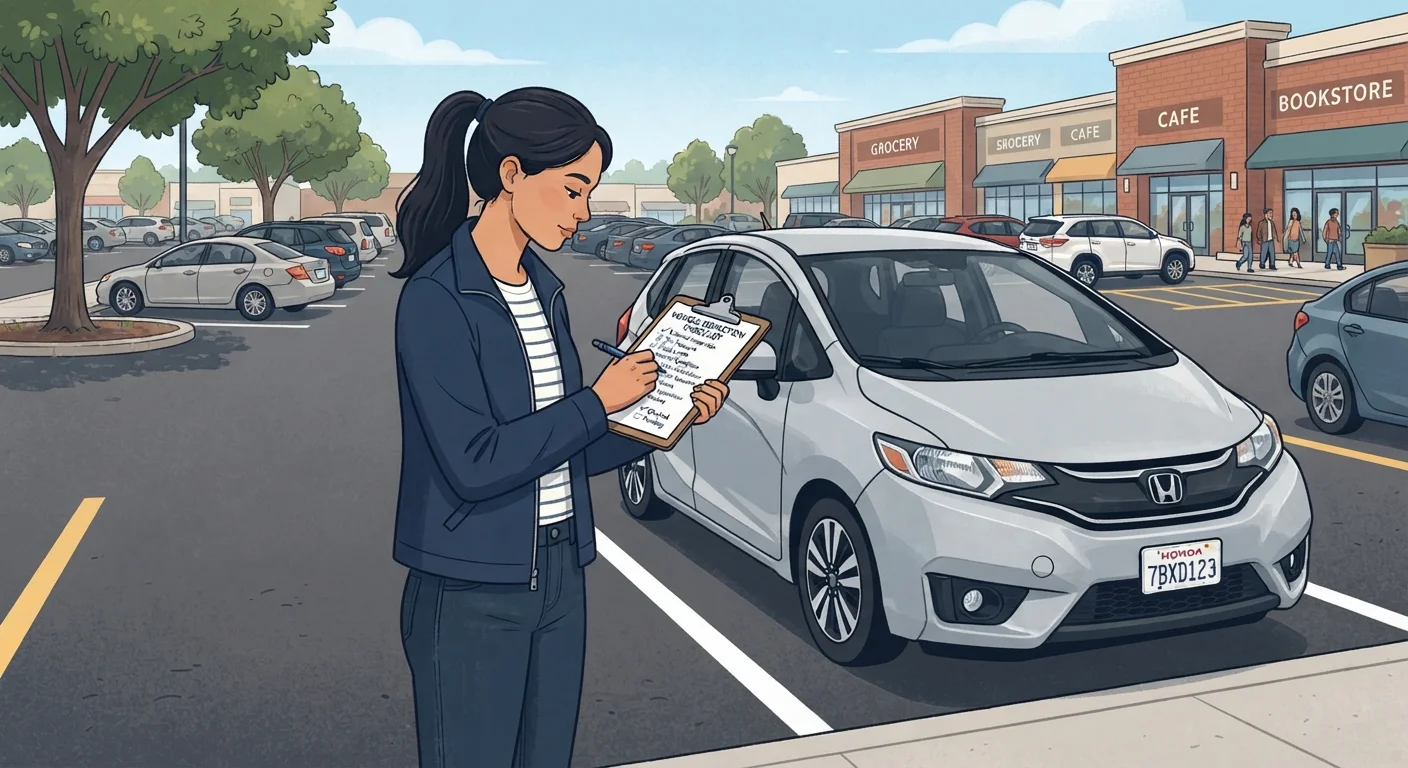
These five checks require no tools beyond a tire pressure gauge and can be done in a parking lot:
Dipstick
A long metal rod used to measure the oil level in your engine. You pull it out, wipe it, reinsert it, and read where the oil film sits against marked indicators.
Tire pressure (PSI)
The amount of air inside a tire, measured in pounds per square inch. Correct pressure improves safety, fuel economy, and tire lifespan.
Coolant
A liquid that circulates through the engine to regulate temperature and prevent overheating. Also called antifreeze.
Master cylinder
A hydraulic component in the braking system that holds brake fluid and transmits pressure to the brakes when you press the pedal.
Service interval
The recommended mileage or time period between scheduled maintenance tasks, as specified by the vehicle manufacturer in the owner's manual.
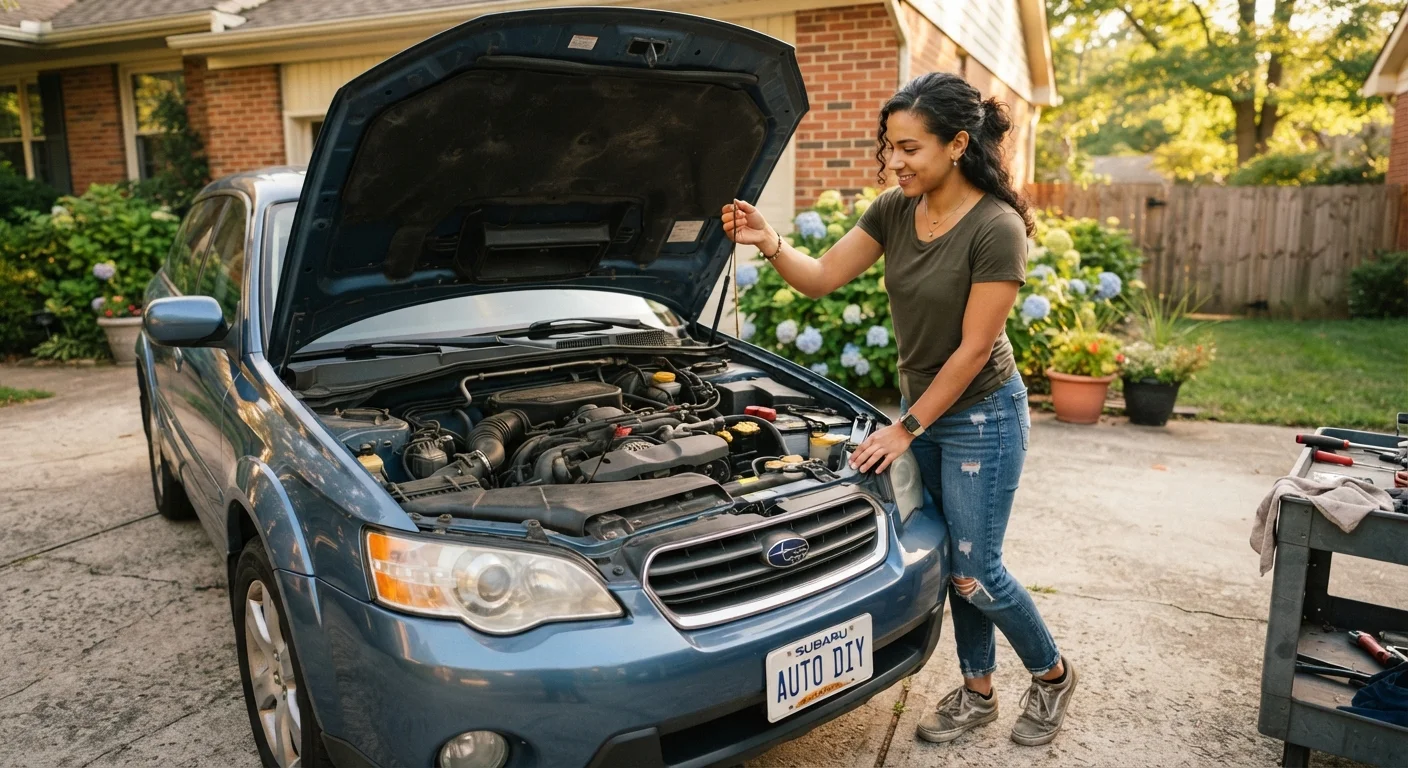
- Engine oil level: With the engine cold, pull the dipstick, wipe it clean, reinsert it fully, then pull again. The oil should sit between the two marks. Low oil or oil that looks black and gritty means it's time for a change.
- Tire pressure: Check with a gauge when tires are cold (before driving). The correct pressure for your car is on the sticker inside the driver's door jamb - not on the tire sidewall, which shows maximum pressure. Underinflated tires hurt fuel economy and wear faster.
- Coolant level: Check the translucent reservoir (not the radiator cap directly) when the engine is cold. The level should be between the min and max lines. Never open the radiator cap on a hot engine.
- Brake fluid: Visible through the reservoir on top of the master cylinder under the hood. If it's near the minimum line, have a mechanic check your brake pads - low fluid often signals worn pads, not just fluid loss.
- Windshield washer fluid: The one fluid that's safe to top off yourself at any time. Running dry can become a safety issue in dirty or icy conditions.
Run through these five points once a month. Set a phone reminder if it helps.
Make It a Monthly Habit
Pair your monthly checks with something you already do - like paying a bill or filling up with gas. Consistency matters more than perfection. Even a two-minute tire pressure check once a month catches slow leaks before they become problems.
Using Your Owner's Manual - Not the Internet
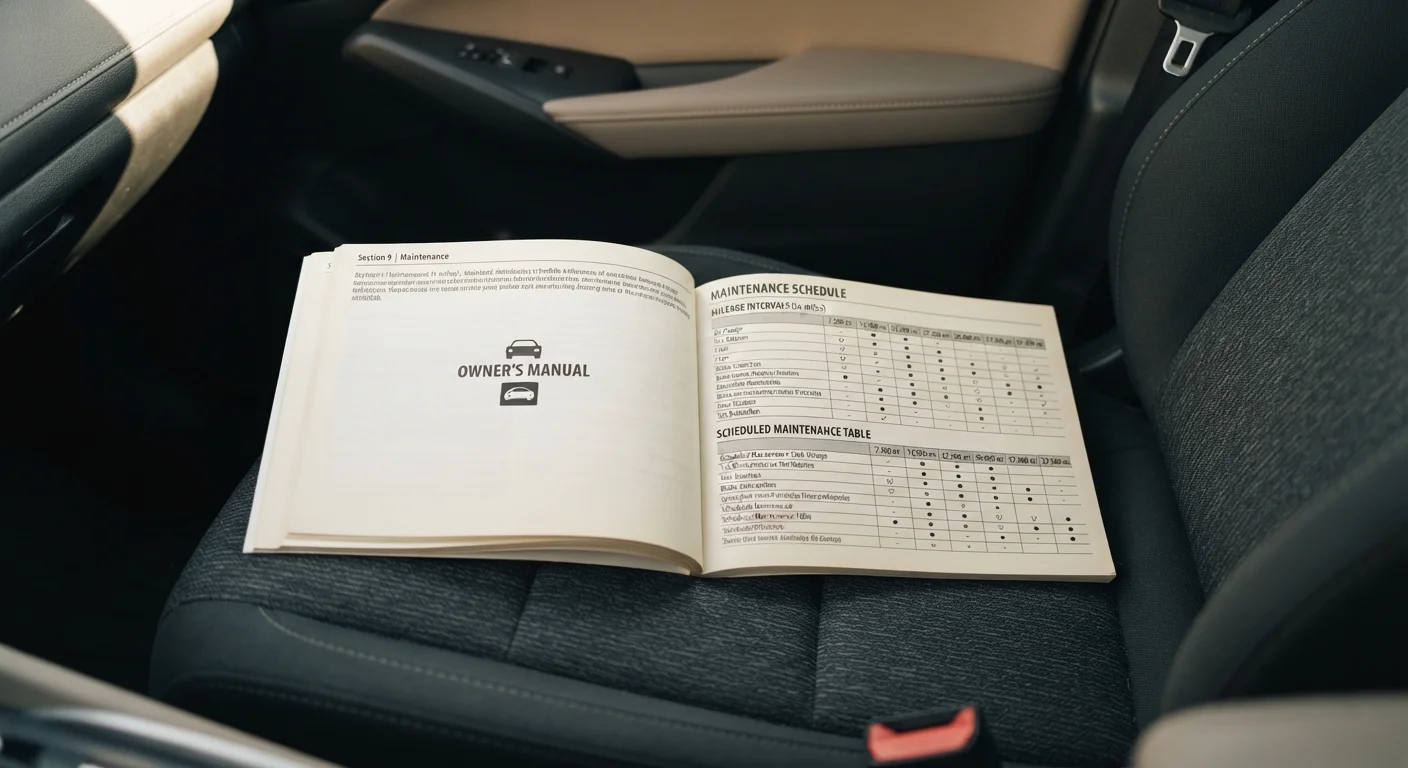
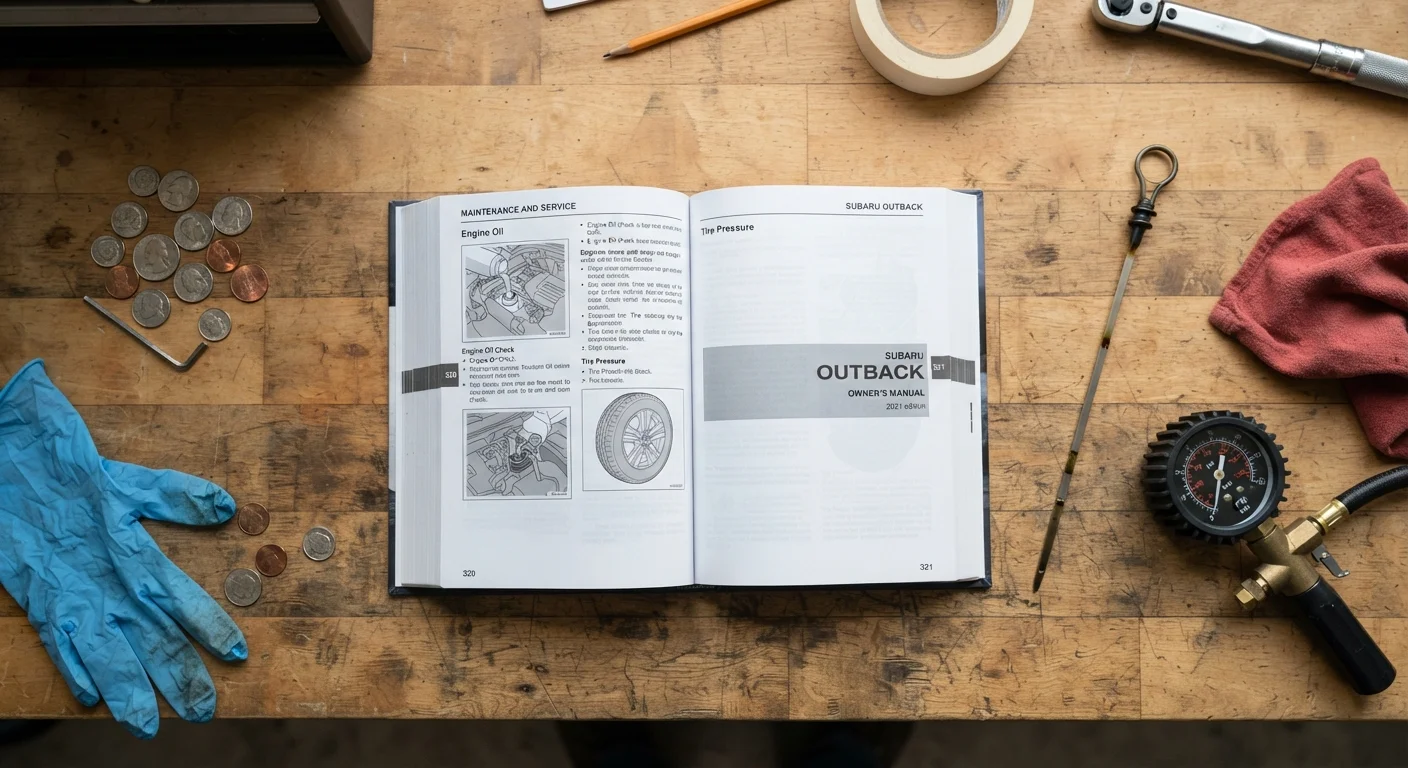
Your car came with a maintenance schedule written specifically for its engine, transmission, and driving conditions. That schedule lives in the owner's manual - and it's more accurate than any generic advice you'll find online, including the old "change your oil every 3,000 miles" rule, which most modern vehicles don't need. The maintenance schedule section of your owner's manual tells you exactly when to service each system, measured in miles or months.
If you bought a used car without a manual, the manufacturer's website usually offers a downloadable PDF for free. Look for the section labeled "Maintenance Schedule" or "Scheduled Maintenance" - it will list every service interval from oil changes to transmission fluid to spark plugs. Following it means you're neither over-servicing (wasting money) nor under-servicing (risking damage). It's also worth checking which common maintenance beliefs are actually myths so you're not paying for services you don't need.
When to DIY and When to Go to a Mechanic
Not every maintenance task carries the same risk. Some are genuinely beginner-friendly; others involve safety-critical systems where a mistake can be dangerous or expensive to undo.
Generally safe to do yourself: topping off fluids, replacing the engine air filter, swapping wiper blades, checking tire pressure and tread depth, and replacing the cabin air filter. These require basic tools, no special training, and carry minimal risk if done carefully.
Leave to a qualified mechanic: brake pad and rotor replacement, suspension work, timing belt or chain service, electrical diagnostics, and anything involving the fuel system. These tasks require specific tools, knowledge of safety procedures, and in some cases carry legal or warranty implications. For a more detailed breakdown, see our guide on which tasks are safe to DIY.
When in doubt, a diagnostic check at a reputable shop is usually inexpensive and gives you information before committing to a repair.
Building a Maintenance Calendar on a Budget
A maintenance calendar doesn't need to be elaborate. A free phone calendar app or a simple spreadsheet works fine. The goal is to log two things: what was done and at what mileage or date. This prevents duplicate services and ensures nothing slips through.
When you first get your car, note the current mileage and record any recent service history from the previous owner or dealer. Then map out the next 12 months of intervals from the owner's manual. Common anchors: oil change interval (often 5,000-10,000 miles depending on vehicle and oil type), tire rotation (typically every 5,000-7,500 miles), and cabin air filter (usually annually or every 15,000 miles).
Factor in seasonal checks too - battery, tires, and cooling systems behave differently in winter versus summer. Our seasonal maintenance checklist covers what to inspect before each extreme-weather season. Keeping records also adds value if you sell the car - documented maintenance history is a selling point that can justify a higher asking price. For a comprehensive look at lowering every aspect of what your car costs you, the complete guide to cutting car costs is a useful next step.