

Why Most Car Budgets Are Built Wrong
The most common car budgeting mistake is treating the monthly loan payment as the total cost of ownership. It isn't. When you add insurance, fuel, routine maintenance, registration, and a buffer for unexpected repairs, the real monthly cost of owning a vehicle is consistently higher - often significantly - than the payment alone.
This gap is where car budgets break down. A buyer approved for a $350/month payment might assume they can afford any car that costs $350 per month to finance. But if insurance runs $180, fuel $120, and maintenance another $80 averaged monthly, the true cost is $730 - almost double. For anyone managing tight finances, that difference can derail other financial priorities.
The Loan Payment Is Not Your Car Budget
Dealerships and lenders frame affordability around the monthly payment, not total cost of ownership. A manageable-sounding payment stretched over 72 or 84 months can cost thousands more in interest and leave you owing more than the car is worth. See how loan-term math works against you before you sign anything.
This guide walks through a methodical, five-step process for setting a car budget that reflects every real cost - so the number you take to the market is one you can genuinely sustain.
What You Need Before You Start
Getting your budget right requires a few pieces of real financial data - not estimates pulled from memory. Gather the items listed below before working through the steps.
What you will need
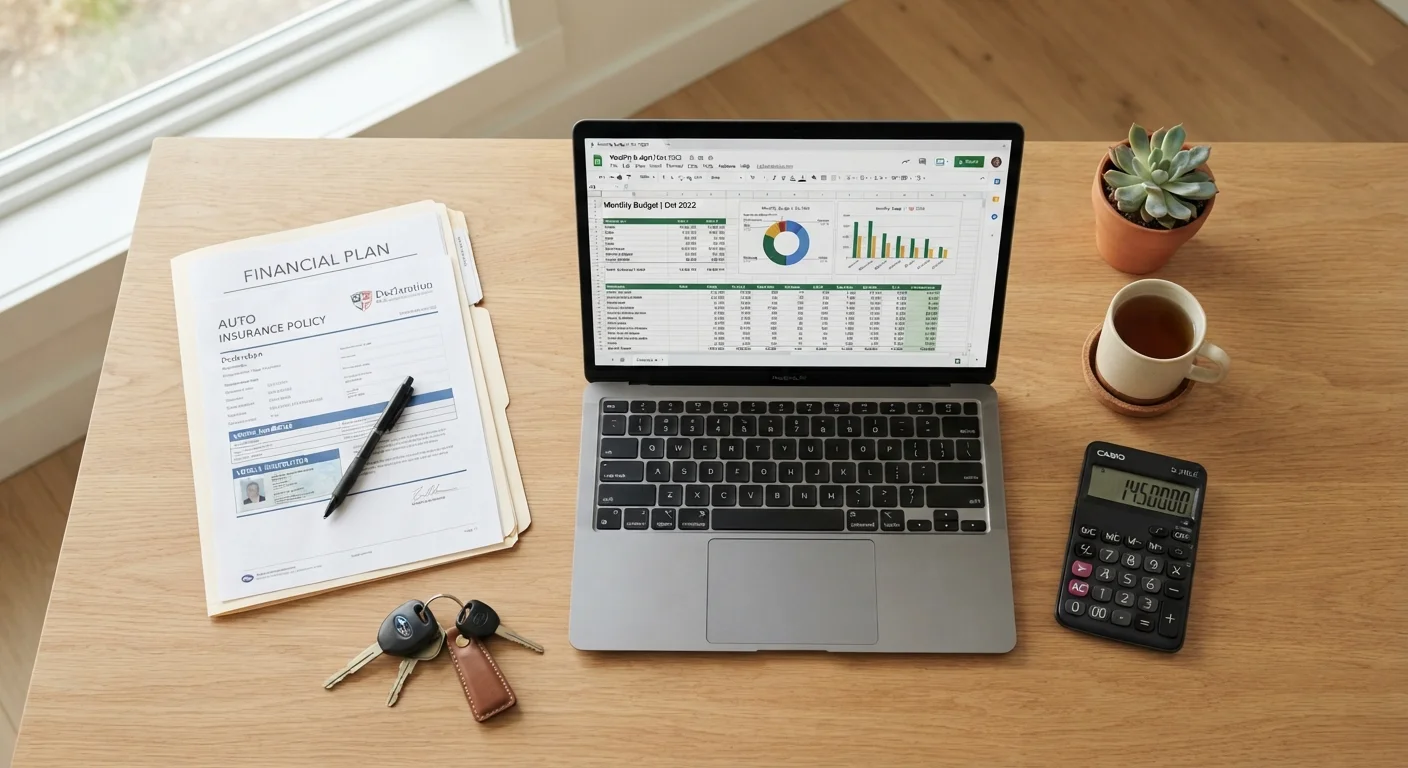
Monthly budget spreadsheet or app
Track income, fixed expenses, and available discretionary income to establish your true ceiling.
Insurance quote tool
Get a realistic insurance estimate for the specific make, model, and year you're considering - costs vary significantly.
Auto loan calculator
Model different loan amounts, terms, and interest rates to see the true monthly and total cost of financing.
Vehicle history report service
Check a used car's title status, accident history, and odometer records before purchase.
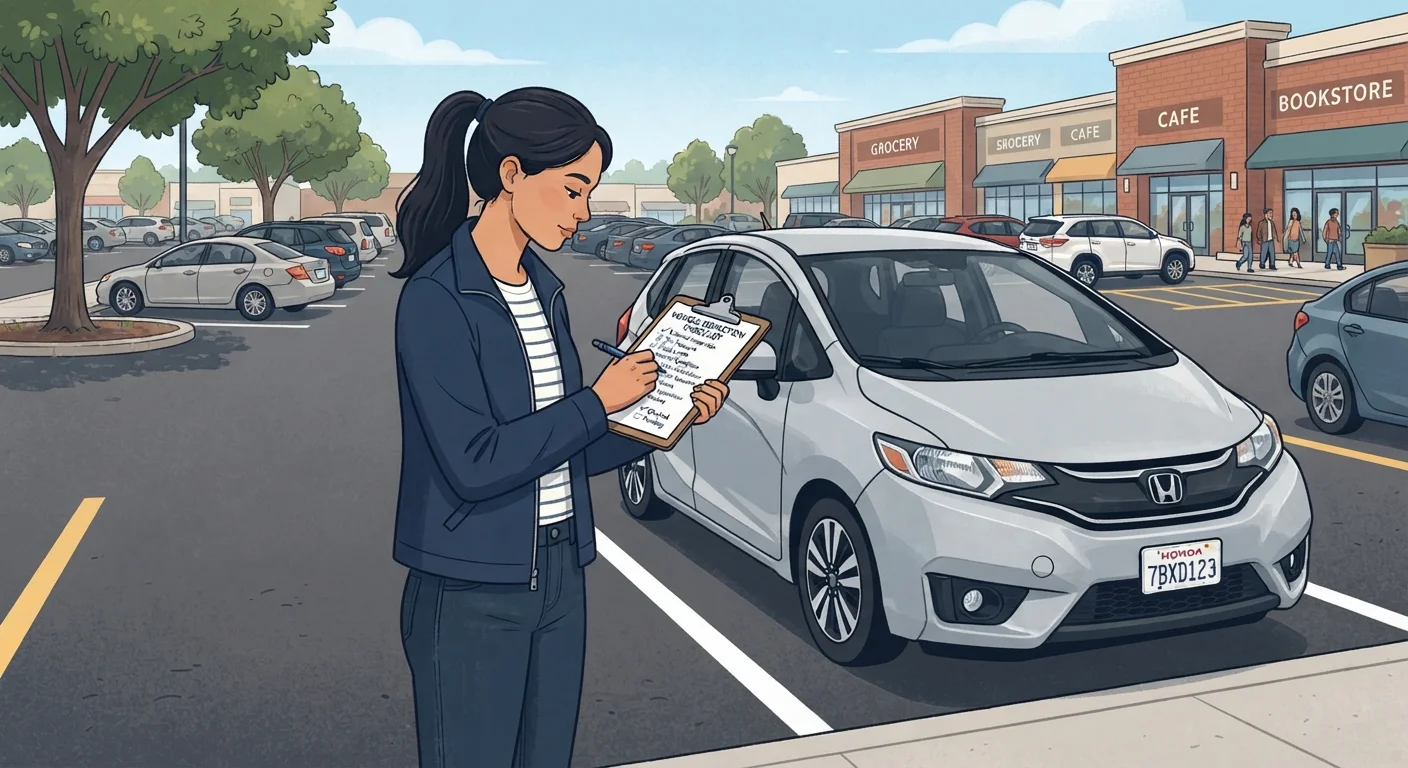
Independent mechanic (pre-purchase inspection)
Identify existing mechanical issues that would add to your near-term ownership costs.
Having these on hand means you'll produce a budget grounded in your actual situation rather than optimistic assumptions.
The Five Steps to a Workable Car Budget
Calculate your real monthly ceiling
Start with your monthly take-home pay - the amount deposited after taxes and any deductions. Subtract all fixed, non-negotiable expenses: rent or mortgage, utilities, groceries, existing debt payments, and subscriptions. What remains is your discretionary income.
A widely referenced budgeting guideline suggests keeping total vehicle costs at or below 15-20% of monthly take-home pay. If you bring home $3,500 per month, that means a ceiling of roughly $525-$700 for all car-related expenses combined - not just a loan payment. Set this number before you look at a single listing.
Map out every recurring ownership cost
Car ownership involves five main cost categories beyond the purchase price. Estimate each one monthly:
- Loan or finance payment - if financing, use an auto loan calculator with realistic interest rate estimates for your credit profile.
- Insurance - get actual quotes for the specific vehicle you're considering. Insurance costs vary by make, model, year, your location, and your driving record.
- Fuel - estimate your monthly miles driven, divide by the vehicle's average MPG, and multiply by a current average fuel price in your area.
- Maintenance - oil changes, tires, filters, and scheduled servicing typically run $100-$150 per month when averaged annually across most vehicles.
- Registration and fees - annual registration, emissions testing, and any local fees, divided by 12.
Add these five figures together. That sum is your estimated monthly ownership cost - and it must fit within your ceiling from Step 1.
Budget for repairs and the unexpected
Maintenance estimates cover scheduled servicing - they don't cover the alternator that fails at 90,000 miles or the brake job that can't wait. A practical approach is to set aside an additional $50-$100 per month into a dedicated car repair fund, especially if buying an older used vehicle.
If that savings buffer doesn't fit inside your ceiling, the vehicle you're looking at may be at the outer edge of what you can actually sustain. Reducing the purchase price target - not skipping the emergency fund - is the right adjustment.
Stress-test the numbers against your real life
Before finalising your budget, run a brief stress test. Ask yourself:
- If I lost one shift or had a slow month, could I still cover this?
- Does this number leave room for other financial goals - an emergency fund, debt repayment, or saving for something important?
- Am I relying on best-case scenarios (lowest insurance quote, no repairs, perfect fuel economy)?
If the answer to most of these is unfavorable, scale back. The goal is a car you can own comfortably for several years - not one that maxes out your finances on day one. The Cutting Car Costs hub covers practical strategies for reducing expenses once you're behind the wheel.
Set your purchase price target from the budget up
Once you know your monthly ceiling and have estimated ongoing costs, work backwards to determine the maximum vehicle price you can support. If insurance, fuel, maintenance, and registration already consume $350 of your $600 ceiling, you have roughly $250 left for a loan payment - which, depending on your credit and the term length, translates to a purchase price range you can calculate precisely with a loan calculator.
This number - derived from your actual finances - is your real shopping budget. It may be lower than you hoped. That's useful information, not a failure. Knowing your ceiling upfront prevents overcommitting to a vehicle that strains your finances every single month.
Use Your Current Bills as a Baseline
If you already own a vehicle, pull 12 months of actual expenses - fuel, insurance, repairs, registration - and divide by 12. This real-world number is far more accurate than any estimate. If you're a first-time buyer, our guide for new drivers walks through realistic running cost expectations.
Keeping Costs in Check After You Buy
Setting a budget is the foundation - but ownership costs can drift upward over time through inertia, habit, or neglect. Once you're driving, a periodic review of every recurring expense keeps the numbers honest. The Car Maintenance Basics hub covers the upkeep tasks that protect your investment and prevent the small issues from becoming expensive ones.
Don't Ignore Reliability When Buying Cheap
A very low purchase price can signal high upcoming repair costs. Before committing to any used vehicle, factor in the cost of a pre-purchase inspection by an independent mechanic - typically $100-$150 - and research common issues for that make, model, and year. A $5,000 car that needs $3,000 in repairs within six months is not a budget win.
If you find ownership costs creeping beyond your original ceiling, the problem is usually addressable - insurance can often be renegotiated, and some maintenance tasks can be done at lower cost without compromising safety. What matters is catching the drift early rather than letting it compound quietly over months.
This article provides general financial and vehicle ownership information for educational purposes only. It is not personalised financial or legal advice. Consult a qualified financial professional for guidance specific to your circumstances.