
Why Good Intentions Can Backfire
Frugality has a reputation problem - not because the underlying goal is wrong, but because popular shortcuts often travel faster than careful thinking. The result: a collection of widely accepted money-saving moves that, under scrutiny, either break even or quietly make things worse.
This matters more than it might seem. Consumer behavior research consistently shows that perceived savings - the feeling of getting a deal - are a stronger motivator than actual savings. That gap between feeling frugal and being frugal is exactly where money leaks out. Understanding the difference is the foundation of spending smarter rather than just spending less.
The myths below are not obscure edge cases. They show up in personal finance forums, family advice, and social media constantly. Each one carries a real cost.
Myth
Buying in bulk always saves money.
Fact
Bulk buying only saves money when you actually use everything purchased before it expires or deteriorates.
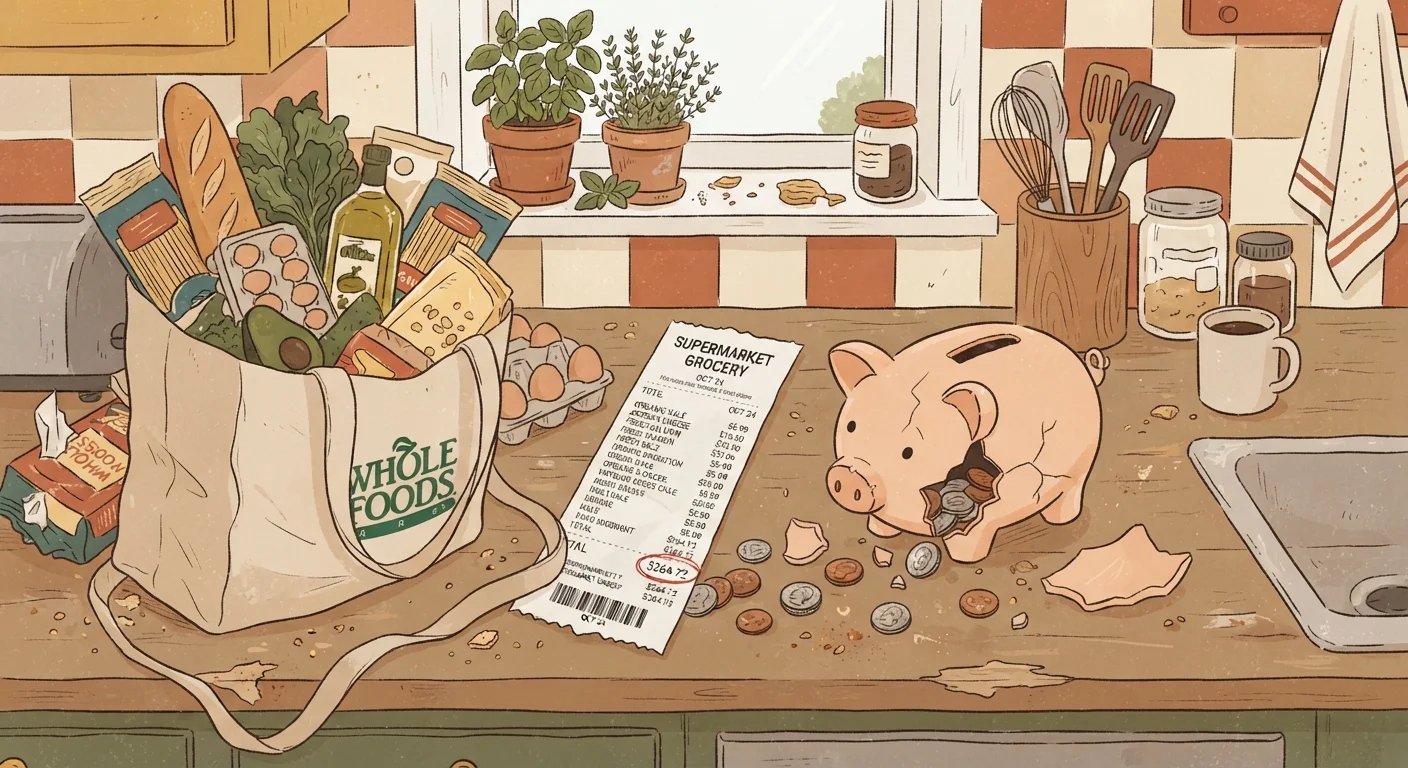
The per-unit math on bulk purchases is often genuinely favorable - but per-unit cost is not the same as total cost. Perishables bought in bulk frequently go bad before they're used, converting a theoretical saving into an actual loss. Non-perishables can also become dead inventory: money tied up in products sitting in a pantry or garage. The USDA estimates that American households discard roughly 30-40% of their food supply by weight. Bulk purchases contribute meaningfully to that figure. Before buying large quantities, calculate your realistic consumption rate, not your optimistic one.
Myth
Generic brands are always just as good as name brands.
Fact
Store-brand quality varies significantly by product category - some are equivalent, others are noticeably different.
Blind taste tests and consumer lab comparisons do show that generics outperform name brands in many categories, particularly pantry staples like canned goods, baking ingredients, and over-the-counter medications with identical active ingredients. However, quality differences are real in some categories - notably certain cleaning products, batteries, and electronics accessories - where brand-name manufacturing standards or proprietary components affect performance. The productive habit is product-category thinking rather than a blanket rule in either direction. Start generic, and switch back only when you notice a meaningful functional difference.
Myth
Skipping regular maintenance saves money in the short term.
Fact
Deferred maintenance nearly always costs more in total, sometimes dramatically more.
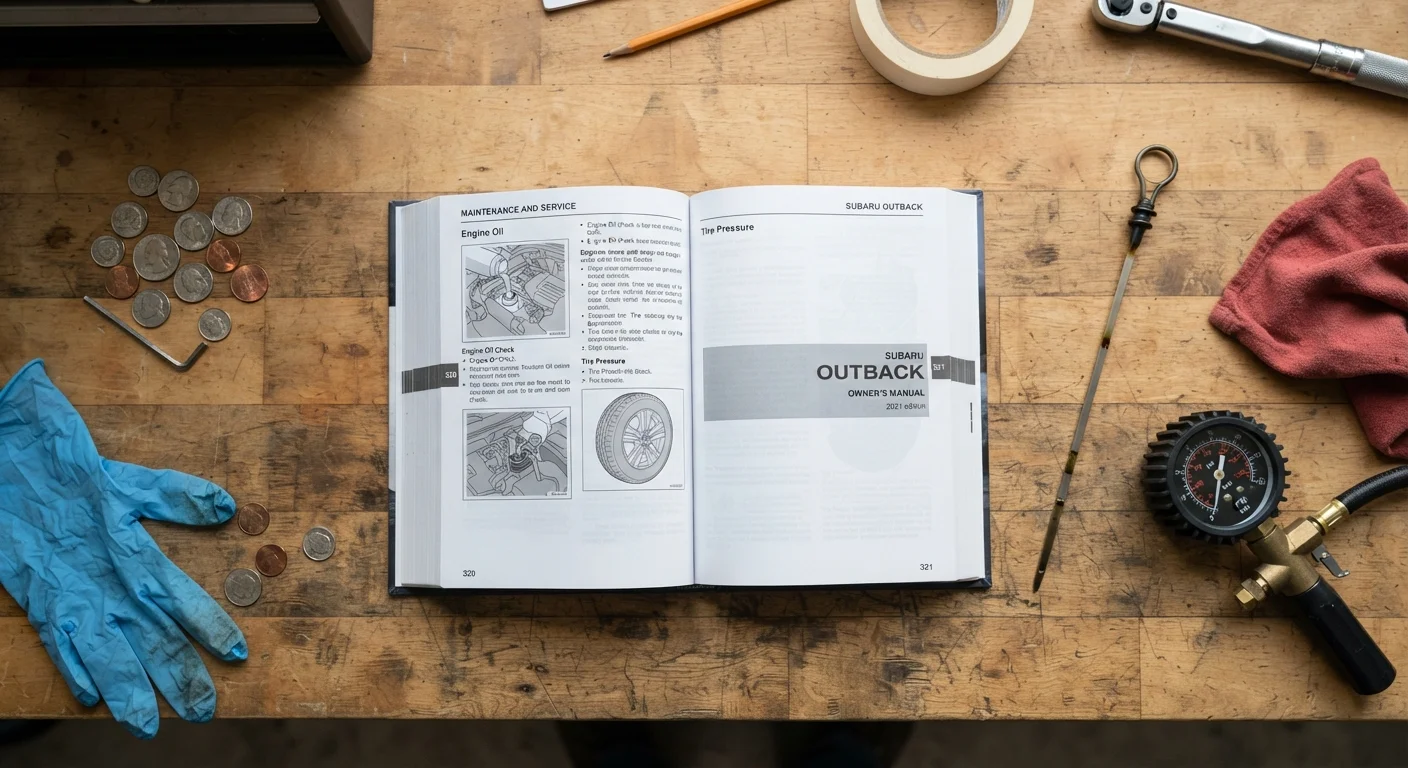
This myth is particularly well-documented in automotive contexts. Skipping oil changes, tire rotations, or filter replacements reduces immediate out-of-pocket costs - but accelerates component wear in ways that produce much larger repair bills later. The same pattern applies to home systems: ignoring a small roof leak or HVAC filter replacement tends to escalate. A useful reference for how this plays out specifically with vehicles is the car maintenance myths guide, which details which maintenance tasks are truly essential versus upsold add-ons. The key distinction is not whether to maintain, but which maintenance actually matters for your situation.
Myth
Coupons always help you save money.
Fact
Coupons frequently drive spending on products you wouldn't have purchased at full price - or at all.
Coupon use is well-studied in consumer behavior research, and the findings are consistent: discounts increase purchase likelihood for items outside a shopper's original plan. A coupon for a product you use regularly at a price you'd pay anyway is a genuine saving. A coupon that leads you to buy a different brand, a larger size, or an entirely new product category is more likely to increase total spending than reduce it. This is also why extreme couponing - while visually impressive - often results in stockpiles of products with little practical value to the household. Track actual redemptions against actual need before assuming the stack of coupons is saving you money.
Myth
Making everything from scratch is always cheaper than buying ready-made.
Fact
From-scratch production has real costs in time, equipment, and ingredient waste that can exceed the convenience alternative.
Cooking from scratch can absolutely reduce food costs - but the calculation depends heavily on the specific item, your ingredient costs, and how you value your time. Bread, stocks, and many sauces are genuinely cheaper to make at home. Specialty items that require equipment you don't own, large quantities of rarely-used ingredients, or significant prep time may not be. Time has a dollar value: if an hour spent making something from scratch has an opportunity cost - in work, rest, or other productive activity - that cost is real even if it doesn't appear on a receipt. A more honest framing: from-scratch cooking is often worth it, but it should be evaluated item by item rather than adopted as a universal principle.
Myth
Saving whatever money is left at month's end is a sound strategy.
Fact
Treating savings as an afterthought typically results in saving very little, because spending expands to fill available funds.
This is one of the most consequential frugality myths because it feels like a plan while functioning as the absence of one. Behavioral economics research shows that people reliably underestimate how much of their available balance they'll spend when no clear boundary separates spending money from saving money. The widely recommended alternative - transferring a fixed amount to savings at the start of each period rather than the end - consistently produces higher savings rates across income levels. This isn't about willpower; it's about removing the decision from a moment of low resistance. The case against 'saving what's left' explains the mechanism in more detail.
Changing the Habits Behind the Myths
Identifying a myth is only half the work. The other half is replacing the reflex with a better one - and that requires being honest about why the myth appealed in the first place.
Most frugality myths persist because they offer a simple rule in situations that actually need judgment. Bulk buying can save money on non-perishable staples you use constantly. Skipping an oil change on a nearly paid-off older car you plan to sell in six months is a different calculation than skipping one on a vehicle you intend to keep for a decade. Rules are easier than context, which is why rules spread.
Micro-Savings Can Crowd Out High-Leverage Decisions
Chasing small discounts feels productive but can absorb attention that would be better spent on higher-impact financial moves - negotiating a recurring bill, reviewing unused subscriptions, or increasing an emergency fund. If you find yourself spending significant time optimizing for dollars while bigger costs go unexamined, that's worth noticing. For a broader look at habits that actually move the needle, see common myths about frugal living.
A more durable approach is to evaluate purchases against total cost of ownership - not sticker price or per-unit cost alone. That means factoring in spoilage, replacement frequency, time investment, and opportunity cost. For everyday spending, the Everyday Savings hub covers practical daily habits that hold up to that kind of scrutiny. For vehicle-specific spending, Cutting Car Costs applies the same logic to fuel, maintenance, and insurance.
One final note: frugality myths are rarely harmless neutral. They tend to redirect attention away from higher-leverage decisions - like negotiating a bill, reviewing subscriptions, or building an emergency fund - toward low-return micro-optimization. If you're spending significant mental energy on coupon stacking, it's worth asking what larger decisions are getting less attention. For a related perspective, see budgeting myths that keep people stuck.