
Why Most Spending Advice Doesn't Stick
Most personal finance guidance targets motivation: earn more, spend less, want less. The problem is that motivation fluctuates. What actually shapes day-to-day spending isn't resolve - it's environment, habit, and decision architecture. Behavioral economists have long documented that the conditions around a purchase matter as much as the purchase itself. Intentional spending works not because it demands constant vigilance, but because it builds systems that make thoughtful decisions the default.
These principles aren't about austerity. They're about redirecting spending toward what genuinely serves you - and away from what just happened to be convenient at the time. For a deeper look at how this connects to the full framework for smarter spending habits, that guide covers the psychology and systems end-to-end.
Core Principles That Actually Hold Up
The following practices are grounded in consumer behavior research and real-world application. They're not life hacks - they're durable habits.
Think in cost-per-use, not purchase price
Sticker price is a poor proxy for value. A $15 item used once costs more per use than a $90 item used 200 times. Framing purchases this way consistently shifts attention toward durability and fit - the factors that actually drive long-term satisfaction.
Audit recurring charges on a quarterly cadence
Subscriptions and automatic renewals are optimized by vendors to be invisible. Research on subscription spending consistently finds that consumers underestimate their monthly recurring costs. Quarterly reviews surface charges that no longer match current usage.
Create deliberate purchase delays for non-essential items
The urge to buy and the satisfaction of owning are psychologically distinct. Inserting a waiting period - commonly 24 to 72 hours for smaller purchases, longer for larger ones - allows initial excitement to normalize, revealing whether the desire is durable or situational.
Align your bank statement with your stated priorities
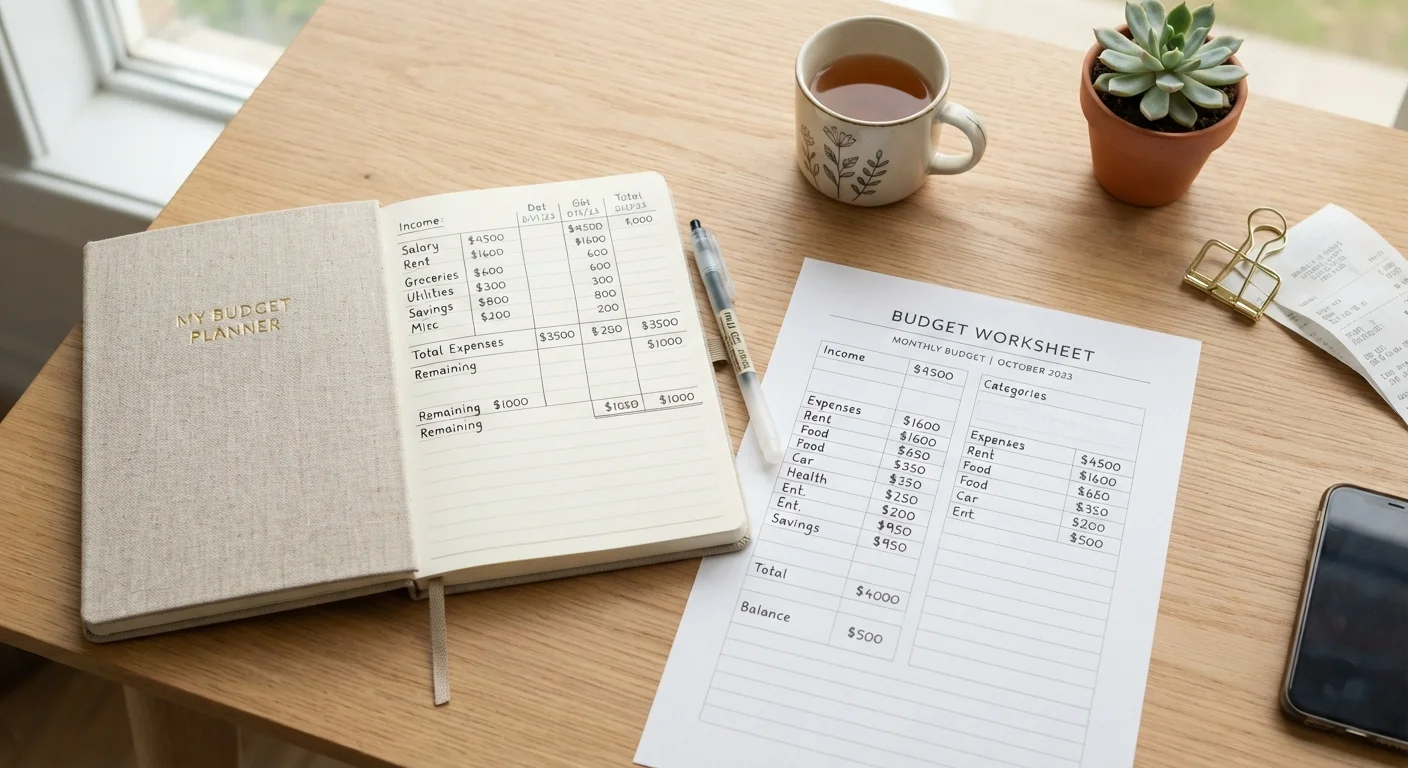
Most people can articulate what matters to them - family, health, experiences, financial security. When actual spending patterns don't reflect those priorities, the gap generates low-grade financial dissatisfaction that's hard to diagnose. Making the comparison explicit is the diagnostic tool.
Distinguish between spending that reduces friction and spending that generates it
Some purchases genuinely simplify your life and free up mental bandwidth; others add maintenance burden, storage demands, or recurring costs. Applying this filter prevents accumulation of items that technically work but quietly complicate daily life.
Separate shopping from buying as deliberate activities
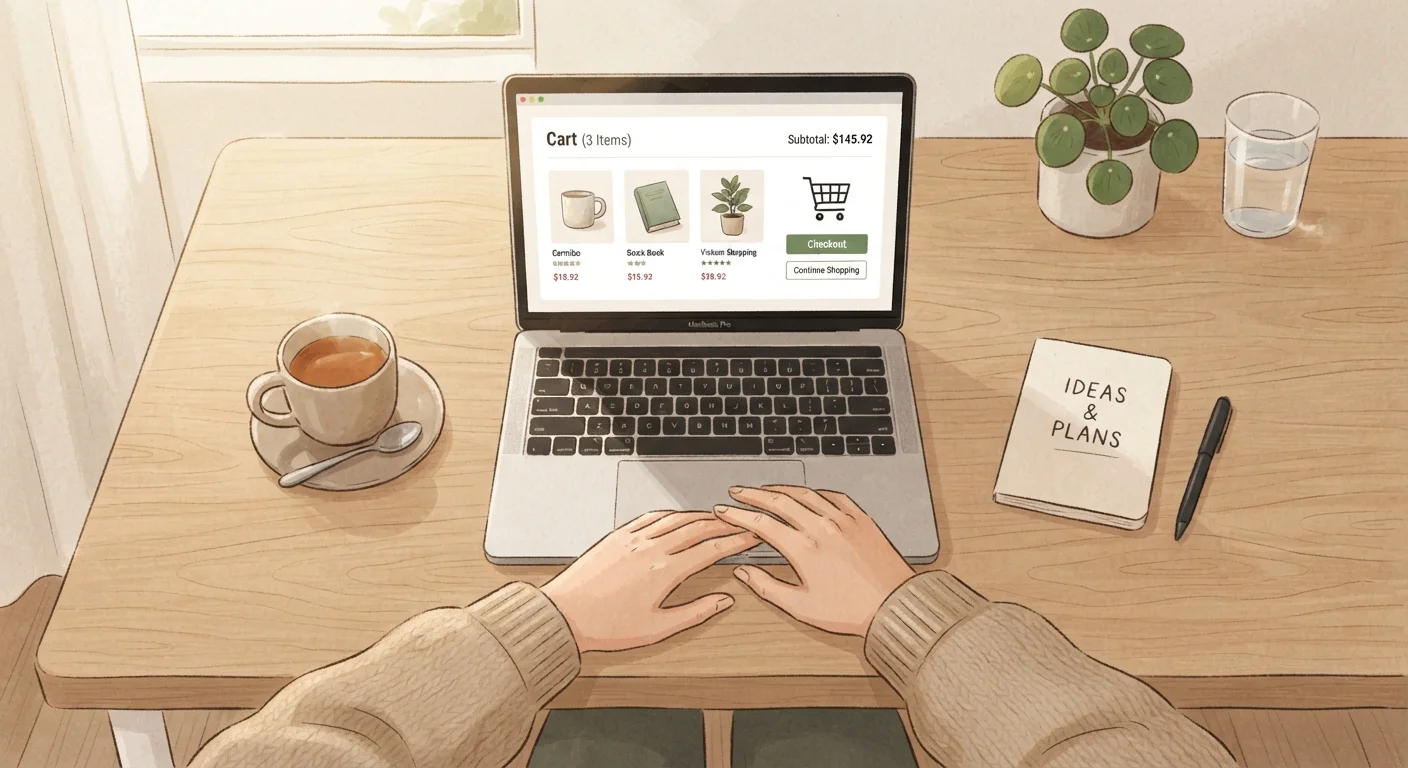
Browsing in a purchase-ready context - open cart, saved payment details, targeted ads - collapses the natural gap between discovery and decision. Treating research and purchasing as distinct steps reduces the chance that an algorithm or sale banner drives the timing.
Starting Today: Quick Actions Worth Taking
Each principle above is a long-term asset, but some can generate results within days. The fastest wins tend to come from removing friction on good decisions and adding friction to impulsive ones. See also: how to build a spending pause habit that actually sticks - the pause itself is one of the highest-leverage tools available.
This article provides general financial education and is not personalized financial advice. For decisions specific to your situation, consult a qualified financial professional.