

Why the Gap Between Urge and Purchase Matters
Most unplanned purchases don't happen because you thoughtfully decided to spend - they happen because you acted before the thinking caught up. Retailers know this. Countdown timers, one-click checkout, and low-stock alerts are all engineered to collapse the distance between wanting something and paying for it.
The spending pause is the deliberate counter-move. By inserting a gap - even a brief one - you give your prefrontal cortex a chance to weigh in before your emotional brain completes the transaction. Research in behavioral economics consistently shows that interrupting automatic behavior is one of the most reliable ways to change it. You don't need to become a different person; you need a small friction point at the right moment.
For a deeper look at what's happening cognitively during these moments, see The Psychology Behind Why We Overspend. Understanding the trigger helps you design the pause that actually works for you.
The Pause Works Best as a System, Not Willpower
Relying on self-control in the moment of temptation is one of the least effective impulse-control strategies. The pause habit is effective precisely because it takes the decision out of the emotional moment. Design the system - set the rules, create the parking lot, schedule the review - before you're tempted, not during.
What You'll Need Before You Start
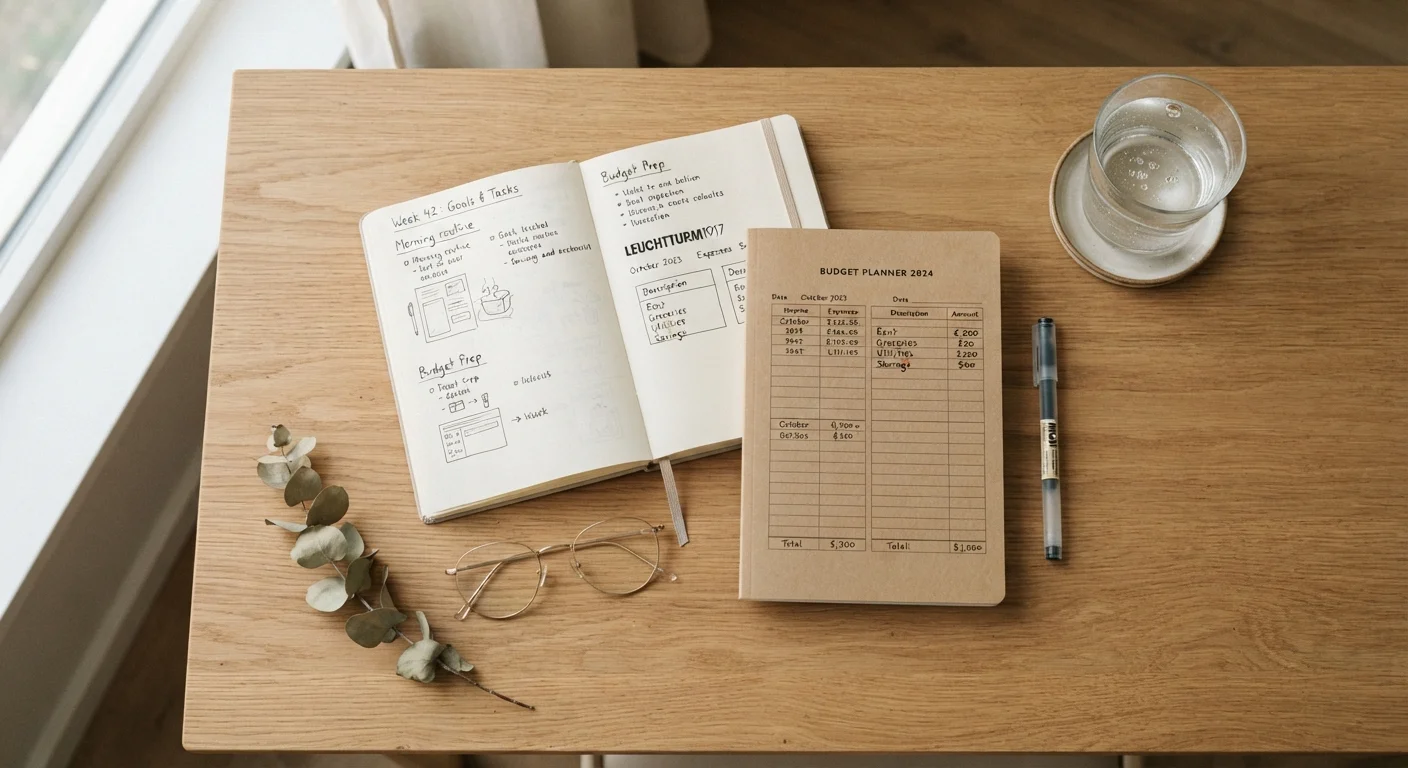
The spending pause habit requires almost no setup - but having a few basics in place makes it far more likely to stick.
What you will need
If you're also working on broader spending systems, Smarter Spending Habits That Have Nothing to Do With Willpower covers environment-level changes that complement this habit well.
Step-by-Step: Building the Pause Into Your Routine
Follow these steps in order. The first three establish the habit structure; the remaining steps reinforce it so it survives past the first week.
Identify your highest-risk spending contexts
Spend three to five days noting every unplanned purchase - where it happened, what time, and how you felt. You're looking for a pattern: most people have one or two contexts (late-night phone browsing, post-work online shopping, in-store end-cap displays) that account for the majority of impulse buys. Target those first.
Set a pause length appropriate to the purchase size
Match the pause duration to what you're considering buying. A useful starting framework:
- Under $20: 10-minute pause - step away from the screen, do something physical
- $20-$100: 24-hour pause - add to a wishlist and revisit tomorrow
- Over $100: 72-hour pause minimum - sleep on it at least twice before deciding
These thresholds are starting points. Adjust them to your own budget reality - the point is deliberate friction, not a rigid rule.
Establish your decision rule before the pause ends
Before the pause timer goes off, decide in advance what question you'll answer: Does this fit a need I identified before today, or is it driven by the moment? Write the question somewhere visible. When the pause ends, answer it honestly - and commit to that answer. The rule needs to exist before the emotion has a chance to lobby for a yes.
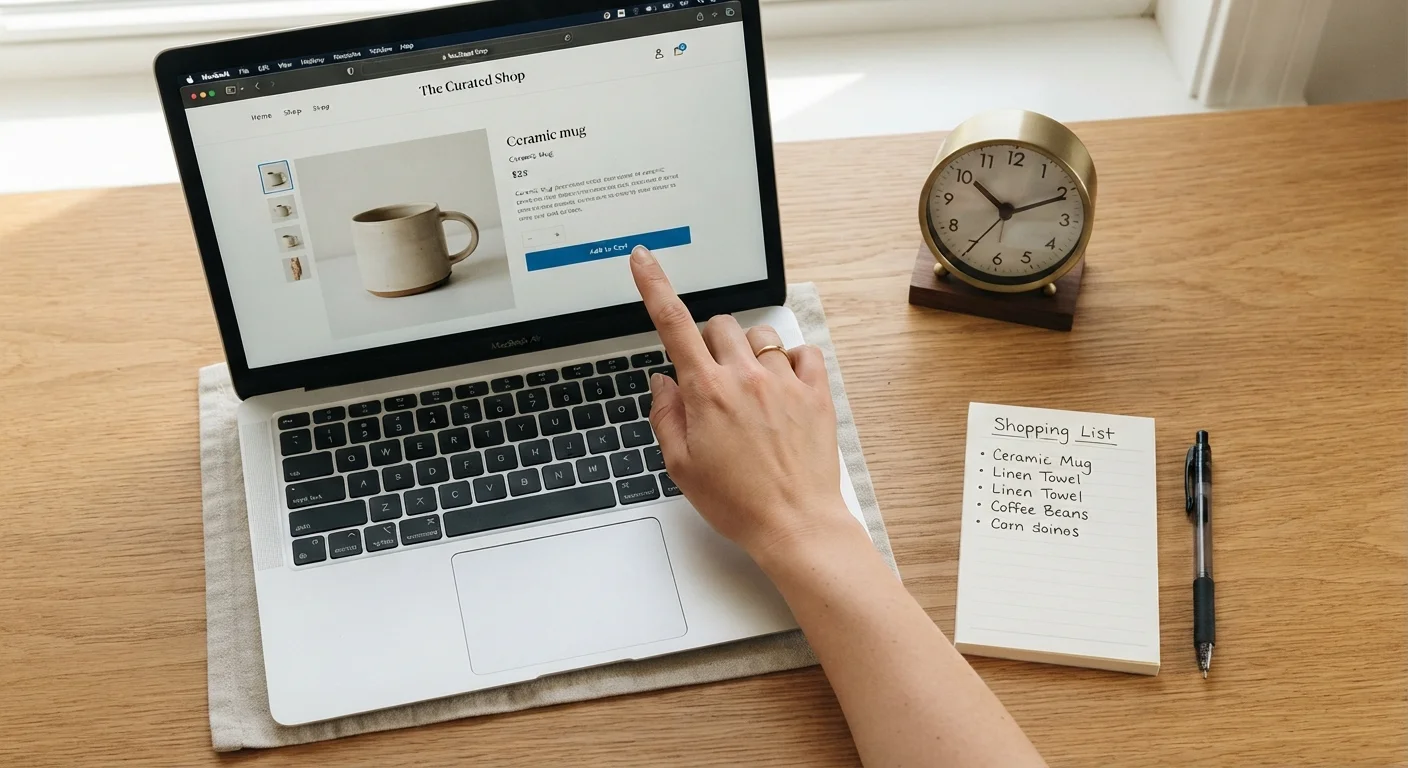
Create a 'parking lot' wishlist
The pause only works if you have somewhere to put the item that isn't your wallet. Use a saved cart, a dedicated note, or a browser bookmark folder labeled 'Evaluate Later.' The act of saving rather than buying gives your brain partial closure on the loop - which reduces the anxious urge to just get it done. When you return to the list at the end of your pause period, many items will feel less urgent or necessary.
Anchor the habit to an existing routine
New habits stick better when attached to existing ones. Choose a regular moment - morning coffee, Sunday evening - to review your parked wishlist and make final yes/no calls. This keeps decision-making contained to a single low-pressure window rather than spread across emotional moments throughout the week.
Track your decisions, not just your savings
After four weeks, look back at your parking lot list. Note how many items you ultimately didn't buy, and how many you did purchase - and whether those purchases felt right in hindsight. This reflection reinforces the habit by making its value concrete. It also helps you calibrate your pause lengths: if you're buying nearly everything after the pause, the pause may need to be longer or the decision rule needs sharpening.
If you want to layer on a longer-term version of this habit, The 30-Day Rule and Other Waiting Strategies compares pause durations and which contexts each works best in.
Common Pitfalls and How to Navigate Them
The pause habit breaks down in predictable ways. Knowing them in advance is most of the defense.
The pause becomes a ritual with no decision attached. If you wait but always buy anyway, the pause isn't functioning as a filter - it's become a guilt-clearing ceremony. Pair the pause with an explicit yes/no rule (see Step 3) so it has teeth.
You skip the pause for "small" purchases. Small purchases are where most overspending actually accumulates. Apply the pause consistently regardless of dollar amount; the habit needs to be automatic, not size-dependent.
You negotiate with yourself during the pause. Scrolling through reviews or reading product descriptions during the pause defeats its purpose - you're feeding the desire rather than evaluating it. During the pause, step away from the screen entirely.
Don't Use the Pause as a Justification Loop
If you notice that the pause reliably ends with a purchase anyway, that's useful data - not a reason to skip the pause next time. It likely means the decision rule isn't specific enough or the pause is being spent in a way that feeds rather than cools desire. Revisit Step 3 and tighten the question you're asking yourself.
For spending patterns that have quietly become automatic over time, Mindless Spending Patterns That Quietly Outlast Their Usefulness is worth reading alongside this guide.