

Why Pet Owners Consider Homemade Food
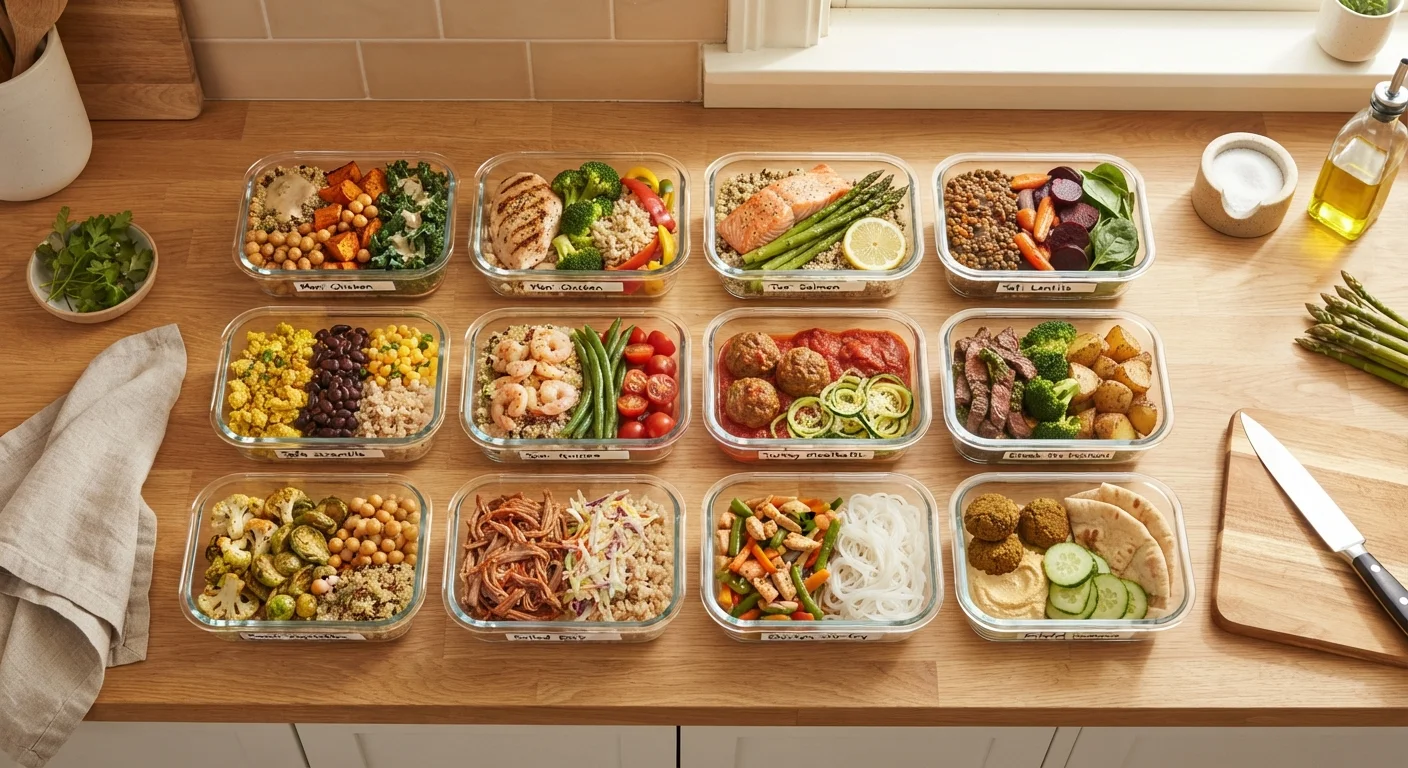
The appeal of cooking for your pet is understandable. You control exactly what goes into each meal, you can sidestep ingredients your pet is sensitive to, and - in theory - you might spend less than you do on premium commercial food. For budget-conscious pet owners already interested in batch cooking for themselves, applying the same approach to their pet feels like a natural extension.
Common reasons owners explore homemade diets include managing food allergies or intolerances, avoiding specific preservatives or additives, and simply wanting more transparency about what their pet eats. These are legitimate motivations - but they don't eliminate the complexity involved. Before you swap out your pet's bowl, it's worth understanding where home cooking gets difficult fast.
The Nutritional Challenge You Can't Ignore
Dogs and cats need precise amounts of proteins, fats, carbohydrates, vitamins, and minerals to stay healthy. The challenge isn't sourcing good ingredients - it's hitting the right ratios consistently. Research published in veterinary nutrition journals has found that the vast majority of homemade pet food recipes available online - including those in popular pet care books - fail to meet established nutritional standards for one or more essential nutrients.
Deficiencies don't always show up immediately. A pet eating an imbalanced diet may look healthy for months before issues like weak bones, poor coat condition, muscle loss, or organ damage emerge. This makes nutritional gaps especially deceptive.
AAFCO
The Association of American Feed Control Officials. It sets nutritional standards that commercial pet foods must meet to be considered complete and balanced for a given life stage.
Nutritional completeness
A diet is nutritionally complete when it provides all essential nutrients - vitamins, minerals, amino acids, and fatty acids - in the right amounts for a pet's species, age, and health status.
Taurine
An amino acid that cats must obtain from their diet because, unlike dogs, they cannot synthesize enough on their own. A deficiency can cause serious heart and eye problems.
Veterinary nutritionist
A veterinarian with advanced, board-certified specialty training in animal nutrition. They can formulate diets that meet a specific pet's individual nutritional requirements.
Micronutrient deficiency
A shortage of one or more vitamins or minerals in the diet. In pets, deficiencies can take months to appear as visible symptoms, making them easy to miss until significant harm has occurred.
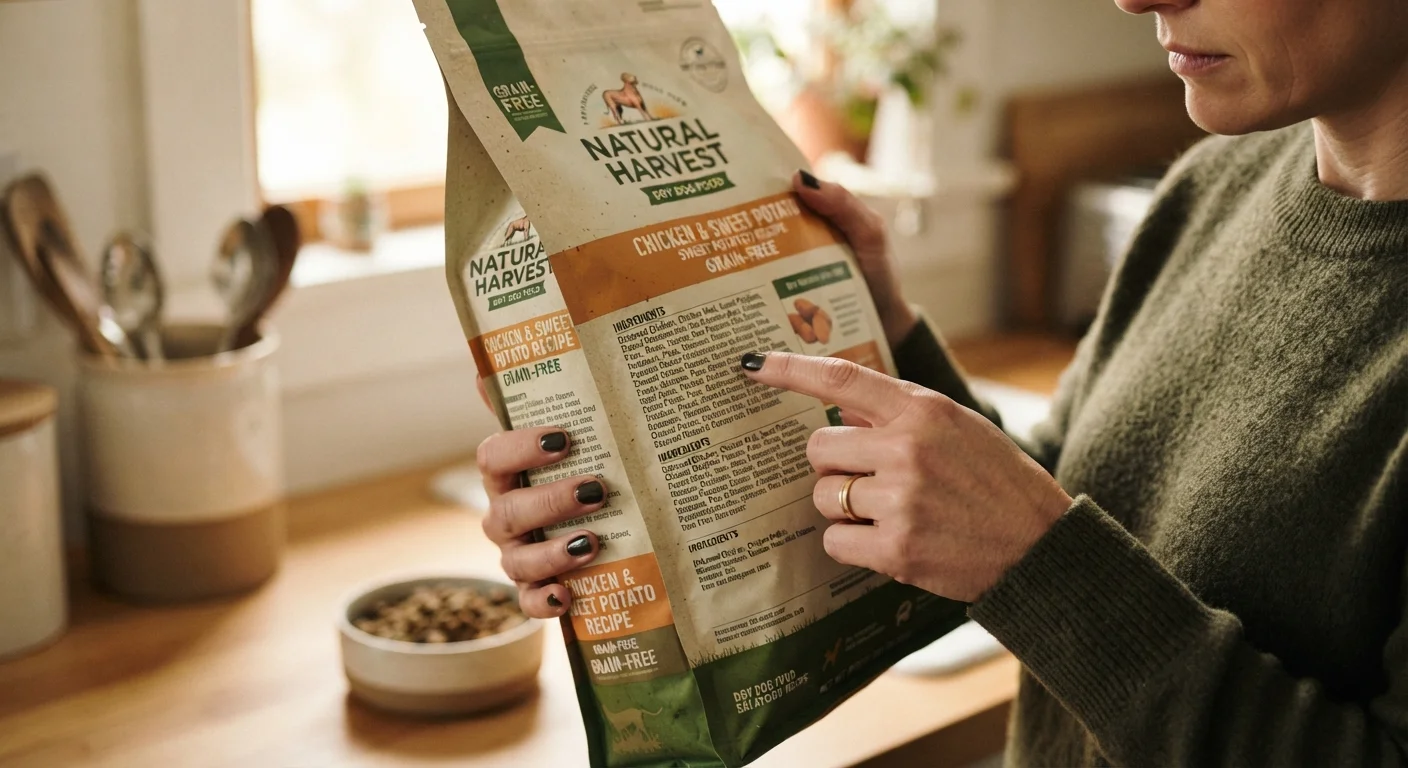
If you're evaluating your current commercial food alongside considering homemade options, this checklist for evaluating any pet food can help you assess what nutritional standards actually look like on a label.
Ingredients That Are Dangerous for Pets
Even well-intentioned home cooks can accidentally include toxic ingredients. The list of human foods harmful to pets is longer than most people expect.
- Onions, garlic, chives, and leeks - toxic to both dogs and cats, damaging red blood cells even in small or cooked quantities.
- Grapes and raisins - linked to acute kidney failure in dogs; the exact toxic compound is still not fully identified.
- Xylitol - an artificial sweetener found in peanut butter, baked goods, and some nut butters; causes dangerous drops in blood sugar in dogs.
- Chocolate and caffeine - contain methylxanthines that are toxic to both dogs and cats.
- Macadamia nuts - cause weakness, tremors, and hyperthermia in dogs.
- Raw yeast dough - expands in the stomach and produces alcohol as it ferments.
Cats have additional sensitivities. Frequent raw fish meals can deplete thiamine (vitamin B1), and cats cannot process certain plant compounds the way dogs can. Always verify any new ingredient against a reliable veterinary source before using it.
Never Guess About Toxic Ingredients
If you're unsure whether an ingredient is safe for your pet, don't use it until you've verified it with a veterinary source. Toxicity can occur at surprisingly small amounts - for example, even a small quantity of onion or garlic can harm a cat. When in doubt, contact your veterinarian or the ASPCA Animal Poison Control Center.
How to Start Safely: Working With a Veterinary Nutritionist
If you're serious about homemade feeding, the most important step is consulting a board-certified veterinary nutritionist (a specialist with a DACVN credential). These professionals use validated software to formulate recipes that account for your specific pet's species, age, weight, reproductive status, and health conditions.
A consultation typically involves a review of your pet's current health and bloodwork, a custom recipe with exact ingredient weights, and guidance on which supplements to add - because whole foods alone rarely cover every micronutrient need. Yes, this consultation has a cost, but it's a one-time investment that protects your pet from long-term nutritional harm.
Your regular veterinarian can also advise on whether a homemade diet is appropriate for your individual pet. Pets with kidney disease, diabetes, or other chronic conditions have specialized nutritional needs that make DIY formulation particularly risky without expert oversight.
Transition Gradually to Protect Digestion
Whether you're moving to a homemade diet or switching between any two foods, do it slowly. Replace about 25% of the old food with the new food every few days over a 7-10 day period. A sudden switch is a common cause of vomiting and loose stools - and makes it harder to tell if a new recipe is truly agreeing with your pet.
For a broader look at keeping pet health costs manageable, see Budget Pet Health from Day One - it covers nutrition alongside other key areas of affordable preventive care.
This article is for general informational purposes only and is not veterinary or medical advice. Always consult a licensed veterinarian or board-certified veterinary nutritionist before making significant changes to your pet's diet.
Is Homemade Pet Food Actually Cheaper?
The honest answer is: sometimes, but not reliably. The cost of a properly balanced homemade diet depends on your pet's size, the protein sources you choose, and the supplements required to fill nutritional gaps. For a large dog eating economical proteins like chicken thighs or eggs, the per-meal cost can be competitive with mid-range commercial food. For cats - who eat smaller portions but need more nutrient-dense, species-specific ingredients - homemade diets often cost as much as or more than quality commercial options.
Factor in: ingredient costs, required vitamin and mineral supplements, the time investment for weekly preparation, and safe food storage. If saving money is your primary goal, stretching your pet food budget with smart commercial feeding strategies may deliver better results with less risk. You can also use label-reading skills to identify quality commercial options at lower price points.
Homemade feeding isn't the wrong choice - it simply requires realistic expectations about both cost and commitment.