

Why Budget Feeding Doesn't Have to Mean Cutting Corners
For many pet owners, food is the single largest recurring cost of pet ownership. When budgets tighten, it's tempting to simply reach for the cheapest bag on the shelf. But price alone is a poor guide to nutritional value - some affordable foods meet rigorous standards, while some premium-priced products offer little additional benefit for most healthy pets.
The good news is that smart feeding strategies can meaningfully lower what you spend each month without forcing you to compromise on the nutrients your dog or cat actually needs. This article outlines the practices that matter most, grounded in what veterinary nutritionists and regulatory bodies have established about pet food quality.
This article is for general informational purposes only and is not veterinary or medical advice. Always consult a licensed veterinarian before making significant changes to your pet's diet, especially if your pet has a health condition.
Core Practices for Feeding Well on Less
These evidence-informed practices address the biggest levers pet owners can pull to cut food costs without reducing nutritional quality.
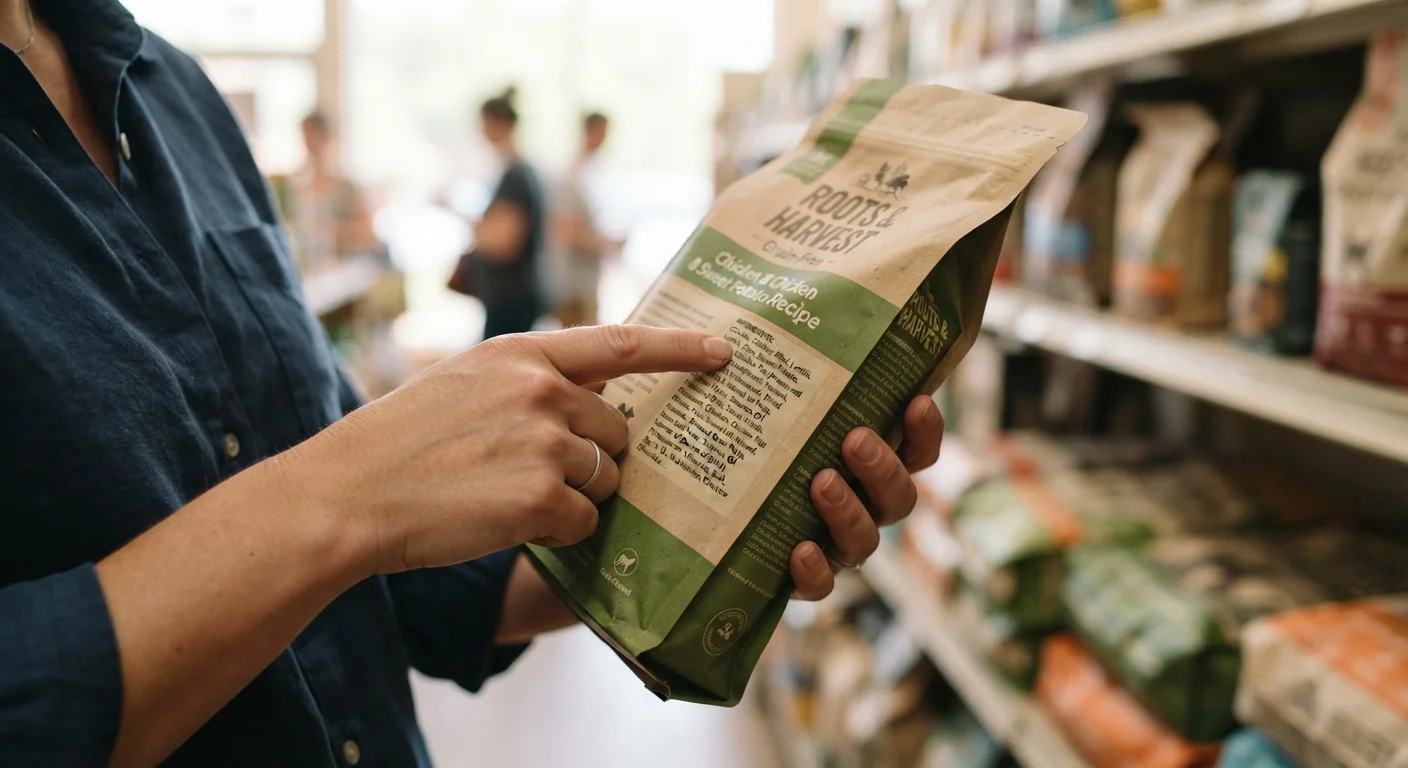
Verify the AAFCO nutritional adequacy statement before purchasing any food.
This statement indicates the food has been formulated or tested to meet established nutrient standards for your pet's life stage. Without it, there's no regulatory baseline guaranteeing the food is complete and balanced. This single check filters out many nutritionally inadequate budget options.
Calculate cost-per-ounce rather than comparing sticker prices.
Larger bags typically carry a lower cost-per-ounce than smaller ones, but the comparison only saves money if the food is used before it goes stale. Dry kibble generally has a shelf life of several weeks once opened, and rancid fat reduces both palatability and nutritional value.
Feed to the manufacturer's recommended portion - then verify with your vet.
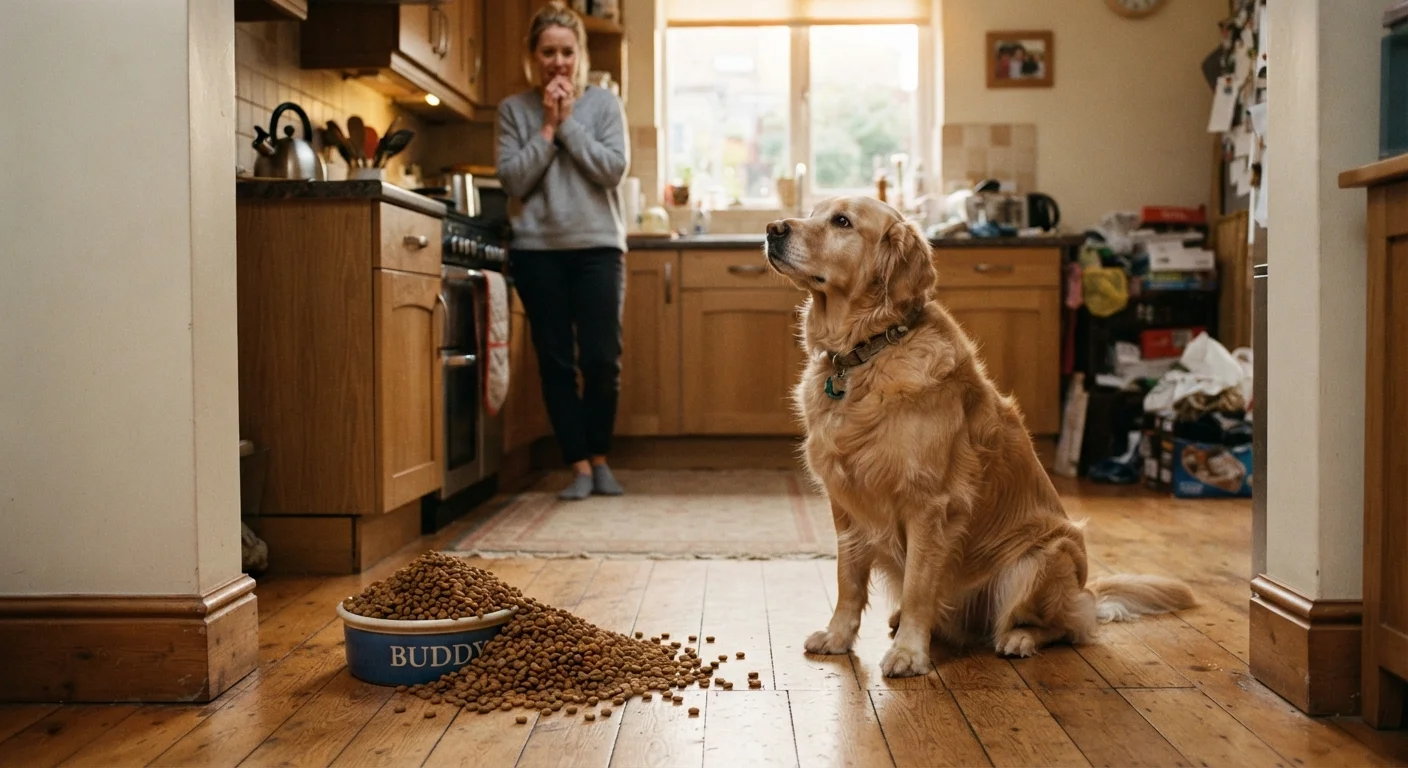
Feeding even 10-15% above the daily recommendation adds up to meaningful food waste over a year, and excess calories can contribute to weight gain that leads to costlier health problems. Portion guides on packaging are a starting point; your veterinarian can refine the amount for your pet's specific weight and activity level.
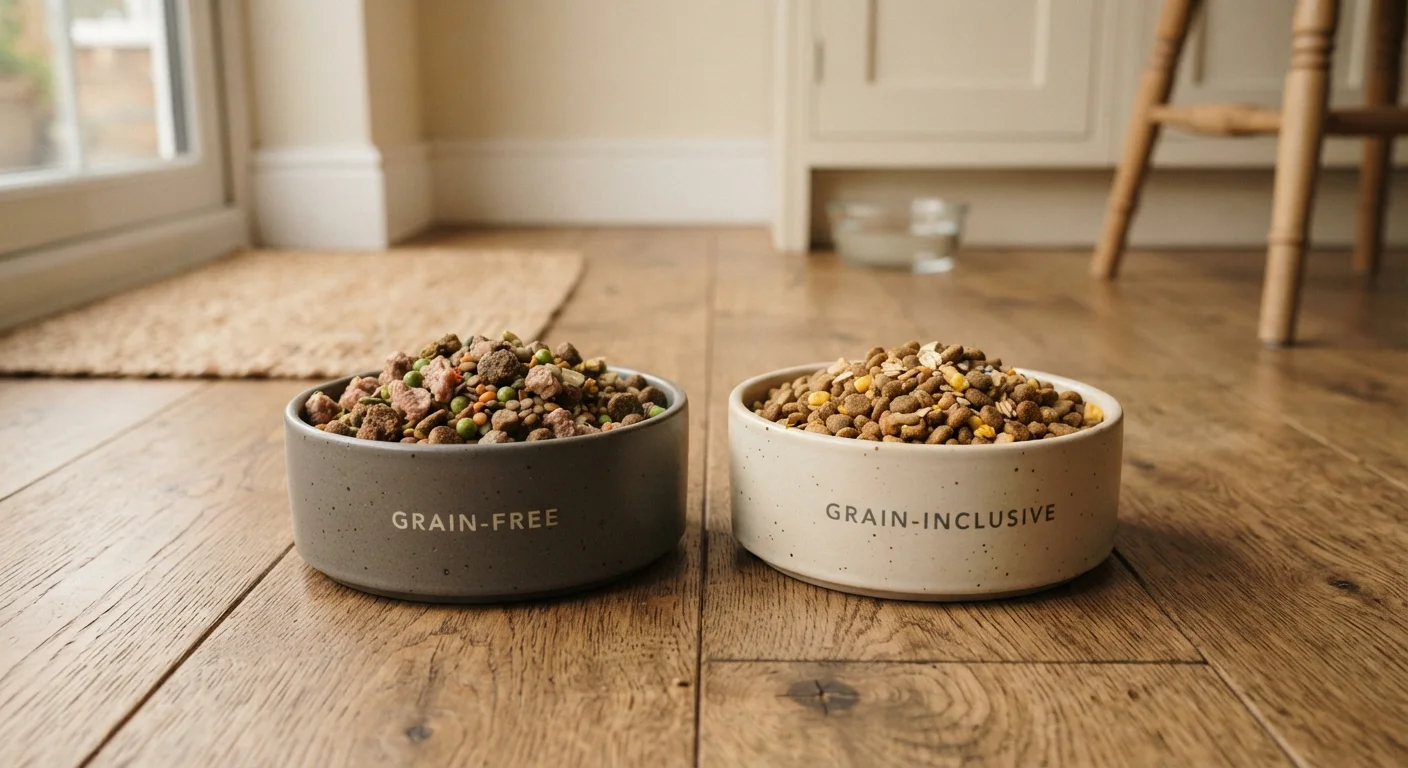
Choose grain-inclusive formulas unless your vet has identified a specific reason to avoid grains.
Grain-free formulas are frequently marketed as superior but cost more on average. Current veterinary nutritional guidance does not support routine grain-free feeding for healthy dogs or cats, and grain-inclusive foods meeting AAFCO standards are nutritionally appropriate for most pets.
Approach homemade diets with caution and veterinary guidance.
Home-cooked pet food can appear to save money, but nutritionally balanced homemade diets typically require supplementation and careful formulation. An unbalanced homemade diet can produce deficiencies that create significant veterinary costs over time - often exceeding any savings.
Be selective about supplements - only add them when your vet recommends them.
The pet supplement market is large and growing, but many products are marketed to healthy pets who do not need them. A complete-and-balanced food meeting AAFCO standards already contains the core vitamins and minerals most healthy pets require; additional supplements for a healthy pet can mean spending money without measurable benefit.
Start Here: Quick Actions You Can Take Today
If you want to begin reducing spending immediately, these steps require no special expertise and can show results within a single month.
Understanding Labels and Ingredients Without Overspending on Marketing
Pet food marketing is sophisticated, and premium positioning doesn't always signal superior nutrition. One reliable anchor is the AAFCO nutritional adequacy statement. Any food that carries this statement has either been formulated to meet established nutrient profiles for a given life stage or has passed feeding trials. This is the baseline to look for - regardless of price.
Beyond that, understanding what key label terms really mean can help you compare foods honestly rather than relying on packaging claims. Ingredient lists are ordered by weight before processing, which means a food listing chicken first isn't automatically superior if the remaining ingredients are low in quality.
For grain-free versus grain-inclusive formulas, current veterinary guidance suggests grain-inclusive diets are nutritionally appropriate for most dogs and cats - and they tend to cost less. See what current research says about grain-free claims before paying more for a formula your pet may not need.
When Comparing Foods, Look Past the First Ingredient
A single named protein at the top of the ingredient list is a positive sign, but the overall nutritional picture matters more than any one ingredient's position. Check the guaranteed analysis panel for protein, fat, and fiber percentages, and use the AAFCO statement as your primary quality anchor. A less expensive food with a complete guaranteed analysis and a clear AAFCO statement is often a sounder choice than a pricier option with compelling marketing but less transparency.
The Hidden Costs of Common Feeding Mistakes
Two of the most common feeding mistakes - overfeeding and ignoring life stage needs - are also among the most expensive. Feeding more than the recommended daily portion wastes food dollar-for-dollar and can contribute to weight-related health problems down the line. Overfeeding is one of the most expensive pet habits precisely because the downstream health costs often dwarf any apparent savings.
Life stage formulas exist for genuine nutritional reasons. A puppy or kitten has different protein, fat, and calcium requirements than an adult animal, and feeding an adult formula to a growing pet - or vice versa - can create gaps or excesses. Understanding why life stage formulas exist helps you avoid buying the wrong product and potentially spending more correcting a preventable problem.
Keeping your pet well-nourished also connects directly to overall health costs. A pet eating a balanced diet appropriate to their age and size is less likely to develop diet-related conditions. For a fuller picture, see the honest trade-offs of managing pet health on a tight budget.
~50%
Of US pets estimated to be overweight or obese
According to the Association for Pet Obesity Prevention's recurring prevalence studies, roughly half of US dogs and cats assessed in veterinary settings are classified as overweight or obese - a condition strongly linked to feeding practices.
10x
Potential cost multiplier of diet-related health problems
Veterinary treatment for weight-related or diet-linked conditions such as diabetes, joint disease, or pancreatitis can cost many times more than a year's worth of a nutritionally appropriate food, making prevention the most cost-effective strategy.
Before You Evaluate Any Food: Use a Checklist
Having a consistent framework for evaluating foods regardless of price point protects you from both overpriced options and genuinely poor-quality ones. The checklist for evaluating any pet food on a tight budget walks through the key markers - AAFCO statement, ingredient quality indicators, guaranteed analysis, and manufacturer transparency - that apply at every price point. Running any new food through that checklist takes only a few minutes and can prevent a costly switch away from a food that wasn't the problem.