
The Hidden Health Stakes of Extra Weight
Most pet owners know, at some level, that a chubby pet isn't ideal - but the actual scope of harm is frequently underestimated. Excess body fat doesn't just make movement harder. It actively disrupts how a pet's body functions at a systemic level.
Research published in veterinary literature consistently links obesity in dogs and cats to a shortened lifespan, sometimes by as much as two years compared to lean animals of the same breed. More immediately, excess weight is a primary risk factor for:
- Osteoarthritis: Extra load accelerates cartilage breakdown in joints, causing pain that worsens progressively and is expensive to manage.
- Type 2 diabetes: Particularly common in overweight cats, this condition requires ongoing monitoring and often daily insulin injections.
- Cardiovascular strain: The heart works harder to supply blood to excess fat tissue, increasing long-term cardiac risk.
- Breathing difficulties: Fat deposits around the chest wall reduce lung capacity, making even moderate activity uncomfortable.
These aren't remote possibilities. The Association for Pet Obesity Prevention has estimated that a majority of U.S. dogs and cats are overweight or obese - meaning many owners are already living with these risks without realising it.
59%
U.S. dogs estimated overweight or obese
According to the Association for Pet Obesity Prevention's clinical survey data, a majority of American dogs fall above their ideal body weight.
61%
U.S. cats estimated overweight or obese
The same APOP data suggests cats are at an even higher prevalence of excess weight than dogs in the United States.
Up to 2 years
Potential lifespan reduction from obesity
Veterinary studies on body weight and longevity suggest that chronically overweight pets may live measurably shorter lives than lean counterparts of the same breed.
What 'Healthy Weight' Actually Means in Practice
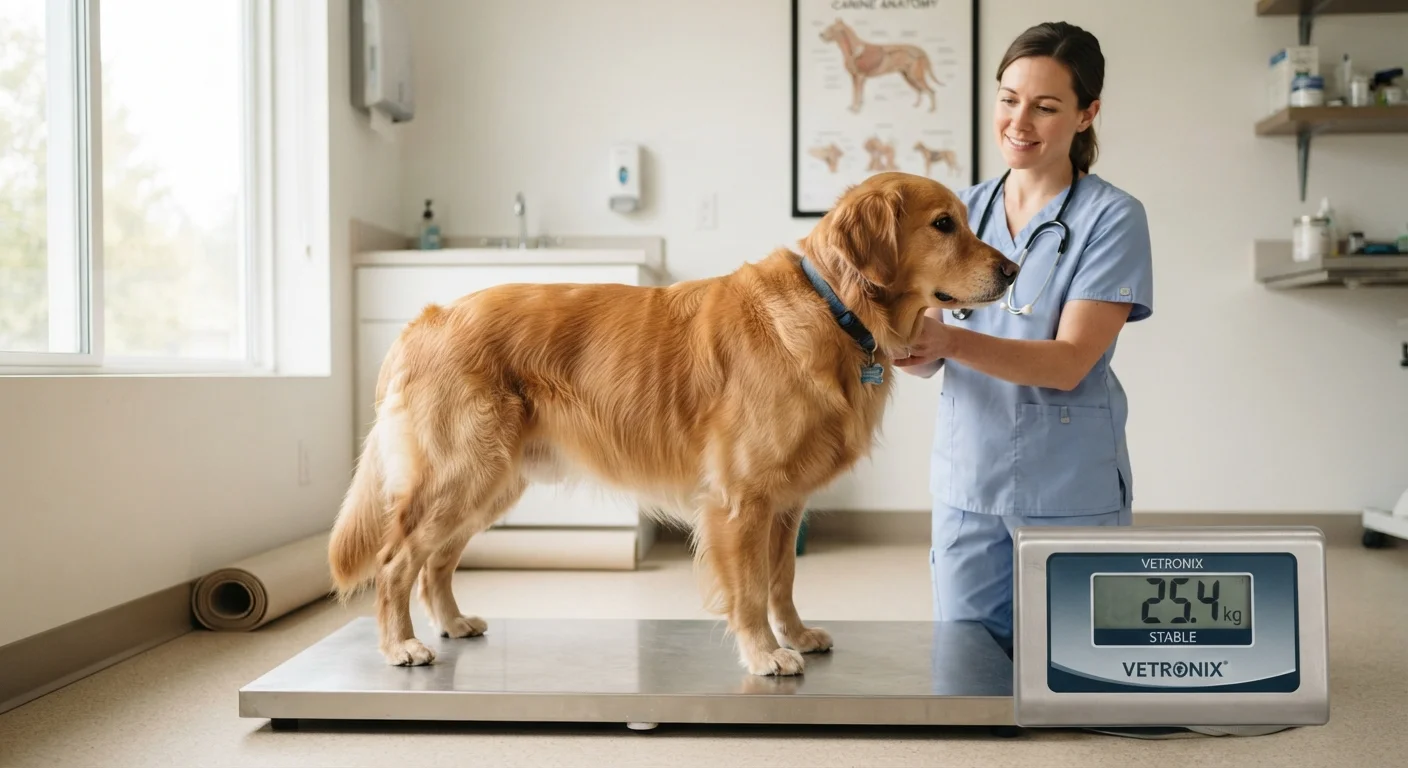
Scale weight alone tells an incomplete story. A 12-pound cat might be perfectly lean or dangerously overweight depending on their frame and muscle mass. This is why veterinarians rely on the Body Condition Score (BCS) - a standardised assessment that evaluates fat distribution at key anatomical landmarks.
On the common 9-point scale, a score of 4 or 5 indicates ideal condition. At these scores, ribs are easily felt without pressing hard, there's a visible waist tuck behind the ribcage when viewed from above, and the abdomen doesn't sag when the animal walks. Scores of 6-7 indicate overweight; 8-9 signal obesity.
Owners can learn to do a basic version of this check at home. Running your hands along both sides of your pet's ribcage - without pressing firmly - you should feel individual ribs without a thick fat layer between skin and bone. If you can't, it's worth raising at your next vet visit.
Try the Rib Check at Home
Stand behind your pet and place both thumbs along the spine, fanning your fingers across the ribcage. You should be able to feel each rib with light pressure - similar to feeling knuckles through a thin glove. If you need to press firmly to feel ribs, or cannot feel them at all, mention this to your vet at the next visit. This simple check costs nothing and takes under a minute.
For a repeatable routine to track changes between vet visits, the Monthly Pet Health Checklist offers practical at-home assessment guidance.
Why This Is Also a Financial Issue
Managing obesity-related conditions is among the most significant recurring costs in veterinary care. Arthritis alone typically involves anti-inflammatory medications, joint supplements, and sometimes physical therapy - expenses that compound over years. Diabetes management requires blood glucose monitoring, dietary changes, and often daily insulin, which adds up quickly.
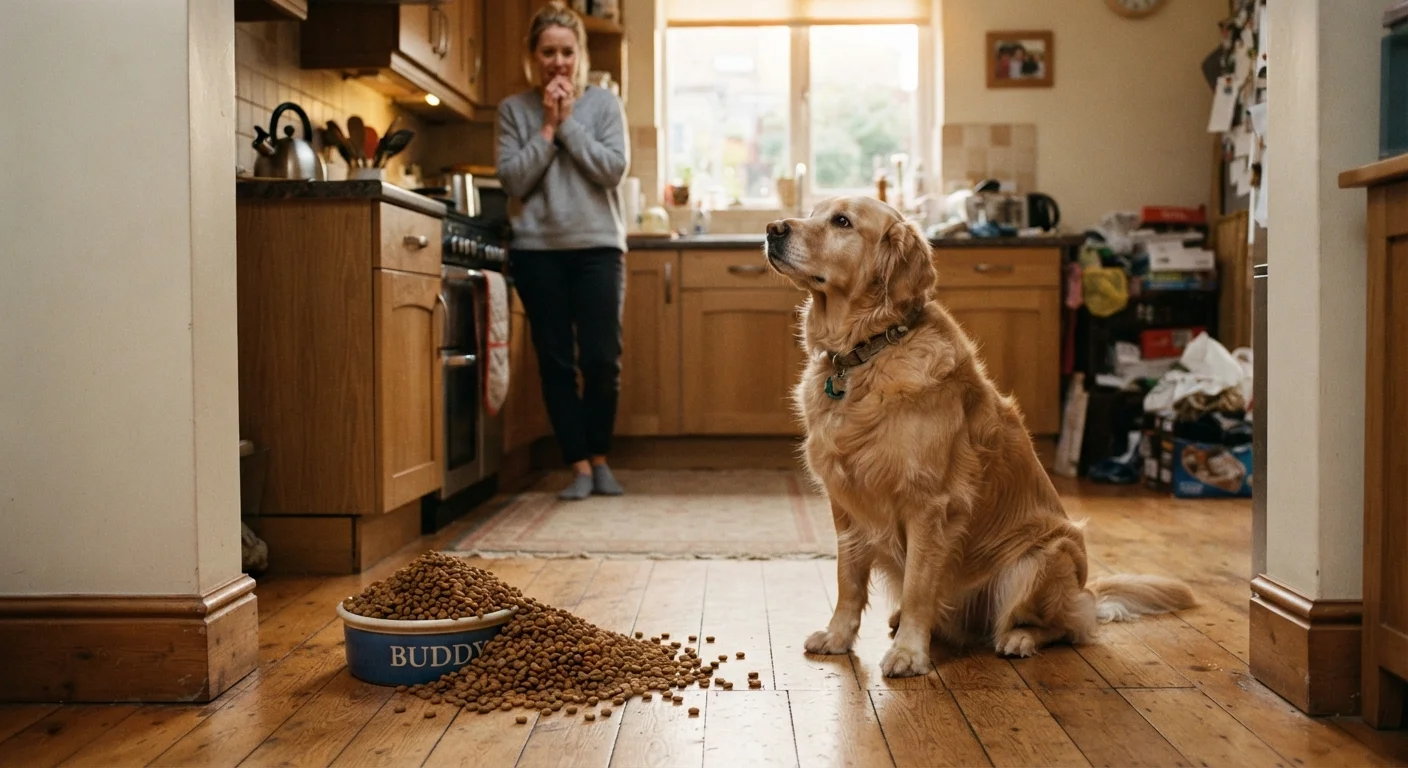
The connection between feeding habits and these costs is direct. As explored in Why Overfeeding Is One of the Most Expensive Pet Habits, portion creep - gradually serving more than recommended - is one of the most common drivers of weight gain, and it's also one of the most correctable.
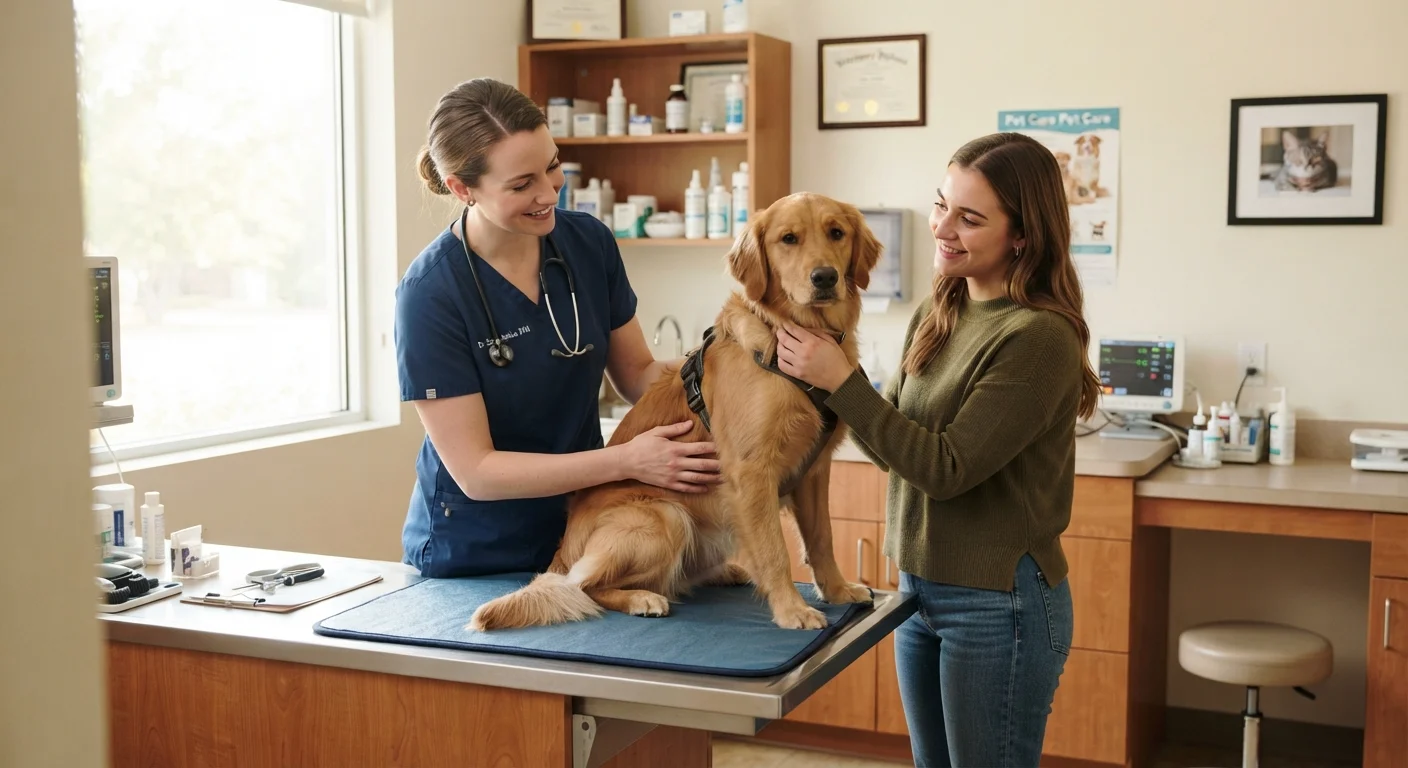
Preventive care compounds these savings further. Routine wellness visits, where weight and BCS are tracked over time, allow vets to intervene before a 1-2 pound gain becomes a 10-pound problem. The real cost of skipping preventive care is often measured in the far greater expense of treating conditions that could have been caught early.
This article provides general information about pet health and is not a substitute for professional veterinary advice. Always consult a licensed veterinarian for guidance specific to your pet's health needs.