

What Slow Travel Actually Means (and Costs)
Slow travel has a loose definition, but practically it means spending at least five to seven days in a single location before moving on — sometimes much longer. It's the opposite of the five-cities-in-ten-days model that dominates social media itineraries but quietly destroys budgets.
The financial mechanics are straightforward. Every time you change locations, you absorb a cluster of costs: transit tickets, airport or station transfers, luggage fees, and the near-universal tendency to splurge on arrival day when you haven't yet found the affordable local spots. Slow travel eliminates most of that friction — and the expenses that come with it.
That said, slow travel isn't automatically cheap. As our guide on why 'cheap country' doesn't always mean cheap trip explains, your destination and habits shape your costs as much as your itinerary structure does.
Weekly rental rates cut accommodation costs significantly
Staying seven or more nights frequently triggers discounted rates on platforms and with independent hosts, with savings of 20–40% compared to equivalent nightly pricing common in many markets.
Fewer transit legs mean fewer large expenses
Each move between cities typically costs $30–$150 or more when you factor in transport tickets, transfers, and transit-day meals. Slow travel eliminates most of those charges.
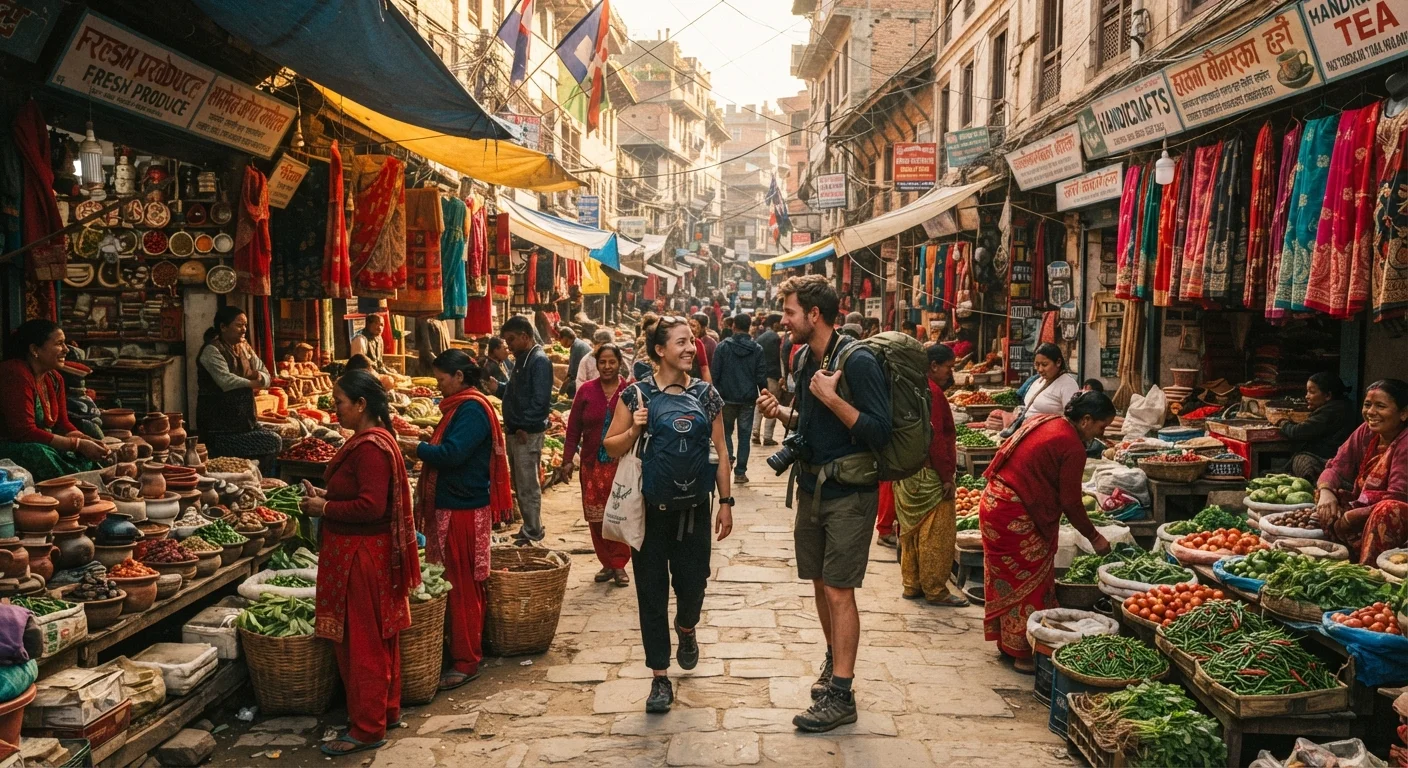
Local grocery and market spending replaces tourist dining
After a few days, most travelers identify local markets and neighborhood spots priced for residents rather than visitors, which can reduce daily food costs by 40–60% compared to tourist-area restaurants.
Arrival-day overspending happens far less often
First-day costs — orientation meals, overpaying for transport, convenience purchases — are among the most reliably inflated days of any trip. Slow travelers experience fewer of them per week traveled.
Reduced decision fatigue lowers impulsive spending
Constant novelty and logistics pressure drive impulsive purchases. A settled routine in one place reduces the mental load that often leads to costly shortcuts and unnecessary splurges.
Where the Real Savings Come From
Accommodation rates drop substantially with duration. Most short-term rental platforms and guesthouses offer meaningful discounts for weekly or monthly stays. A room that runs $70 per night for three nights might drop to $45 per night for a week — a 35% reduction without changing anything else about your trip. Understanding those accommodation trade-offs before you book can push those savings even further.
You stop paying transit tax. Intercity travel — whether budget flights, trains, or overnight buses — typically costs $30–$150 per leg, plus the time and energy lost to transit days. Fewer moves mean fewer of those bills. See how that compares to a deliberate multi-stop approach in our breakdown of stretching a travel budget across a multi-city trip.
Daily spending normalizes. By day three in a neighborhood, you know which bakery sells a $2 breakfast, which market has produce, and which streets to avoid because they're priced for tourists. First-day costs are almost always higher — slow travelers spend fewer first days.
30–40%
Typical weekly vs. nightly rate discount
Short-term rental market data consistently shows hosts offering weekly discounts in this range compared to their nightly headline price, though rates vary widely by destination and season.
3–5
Average transit days eliminated per two-week trip
A two-week itinerary covering five destinations typically includes 3–5 travel days; a slow-travel version of the same trip might reduce that to one, freeing up time and eliminating multiple transport costs.
The Real Drawbacks You Should Weigh
Slow travel has genuine costs that deserve honest accounting — not just the romanticized version that travel bloggers promote.
Less geographic coverage per trip
Slow travel requires accepting that you'll see fewer countries or cities per trip. For travelers with limited vacation time and a list of destinations, this can feel like a real trade-off.
Wrong destination choice is costly and hard to exit
If a location turns out to be underwhelming, expensive, or poorly suited to your interests, a slow-travel commitment leaves you stuck there longer — or facing the cost of an early move.
Mid-stay boredom can trigger unplanned spending
Without the novelty of constant movement, some travelers compensate with expensive experiences, restaurant upgrades, or day trips that weren't in the budget, erasing the savings from staying put.
Upfront costs can be higher for longer-stay bookings
Securing a weekly or monthly rental often requires a larger upfront payment than nightly hotel stays, which can create cash flow challenges for travelers without a travel-specific savings buffer.
Social isolation can become a real cost
Extended solo stays in unfamiliar places sometimes lead to paid social activities — co-working spaces, tours, group dining — as a way to meet people, which can quietly inflate the budget.
On the transport side, slow travel often means flying less frequently but potentially farther, which can increase individual flight costs even as it reduces the total number of flights. Getting around within a destination efficiently matters more when you're staying put — something worth thinking through before you book. Ground transport decisions inside a destination deserve as much attention as the big-ticket flights.
How to Make Slow Travel Work Financially
The travelers who benefit most from slow travel treat it as a system, not just a pace. A few principles that consistently make the difference:
- Pick a destination with depth. A city with distinct neighborhoods, day-trip options, and active local life will keep you engaged — and spending at local-rate prices — far longer than a small resort town. Principles experienced budget travelers use apply especially well to slow travel contexts.
- Negotiate on duration. Whether you're booking a private room or an apartment, ask directly about weekly rates. Many hosts advertise only nightly pricing but offer discounts when asked.
- Track your daily spend by week, not day. Slow travelers often find their week-two costs run 20–30% lower than week one, as orientation spending drops off.
- Plan for a mid-stay slump. Budget a modest activity or day trip for day five or six. Keeping momentum prevents costly boredom spending — impromptu tours, resort-day passes, or restless hotel upgrades.
Slow Travel and Remote Work Visas
An increasing number of countries have introduced digital nomad or remote work visa categories that allow stays of 6–12 months, often with favorable tax treatment. If you're planning an extended slow-travel period, it's worth researching whether a destination has a formal visa pathway — and verifying current requirements with official government sources, as these programs change frequently. Always confirm visa conditions before committing to a long stay.