

Why Budget Travelers Still Go Over Budget
Booking a budget-friendly destination is the easy part. The harder part is what happens after you land. Travelers who research affordable cities, snag reasonable flights, and plan modest accommodation still routinely spend 20–40% more than expected — not because of one costly mistake, but because of a handful of small, recurring habits that compound across seven or ten days.
Understanding these patterns is more useful than any single cost-cutting tip. As our guide to getting value from budget destinations notes, consistent habits — not one-off decisions — determine whether a trip comes in on budget. The mistakes below are the ones that reliably cause problems, regardless of destination.
Paying airport and tourist-zone prices for the first day or two because it feels like 'just the start of the trip.'
Why it happens: Arrival fatigue and unfamiliarity with local prices make convenience feel worth any cost. Travelers rationalize it as a temporary exception that won't matter overall.
Treating daily small purchases — a coffee, a souvenir magnet, a bottled water — as too minor to track.
Why it happens: Each item feels negligible in isolation. The psychological tendency to dismiss small amounts means travelers rarely add them up until the credit card statement arrives at home.
Not researching free or low-cost versions of major activities before arriving, then paying full tourist price at the gate.
Why it happens: Activity research often gets less attention than accommodation and flights during trip planning. Once on the ground and excited, travelers default to whatever is immediately accessible.
Booking internal transport (airport transfers, intercity buses, local taxis) without comparing prices, then defaulting to the most visible option.
Why it happens: Transport is often the last thing planned and the first thing needed, so travelers default to whatever is easiest at the moment — frequently the most expensive option.
Failing to account for 'invisible' trip costs: checked bag fees, travel insurance, visa processing, and currency conversion charges.
Why it happens: These costs don't feel like part of 'the trip' during planning — they're administrative. Travelers build a budget around flights and accommodation, then encounter these costs as unplanned surprises.
Spending more on the final days of a trip to 'use up' remaining budget, treating leftover money as a mandate to spend.
Why it happens: After days of restraint, any remaining funds feel like permission to splurge. Travelers also rationalize end-of-trip spending as justified 'reward' purchases.
Building Habits That Actually Hold on the Road
Awareness of these mistakes is step one; the harder work is replacing them with lightweight systems that hold up under travel conditions, when you're tired, disoriented, or just excited to explore.
~30%
Typical travel overspend vs. planned budget
Research into traveler spending behavior consistently finds that actual trip expenditure runs roughly 25–35% above pre-trip estimates, with small daily purchases accounting for a significant portion of the gap.
2 min
Daily tracking time needed to close the spending gap
Financial behavior studies suggest that even brief, daily spending check-ins — as short as two minutes — meaningfully improve budget adherence over the course of a trip.
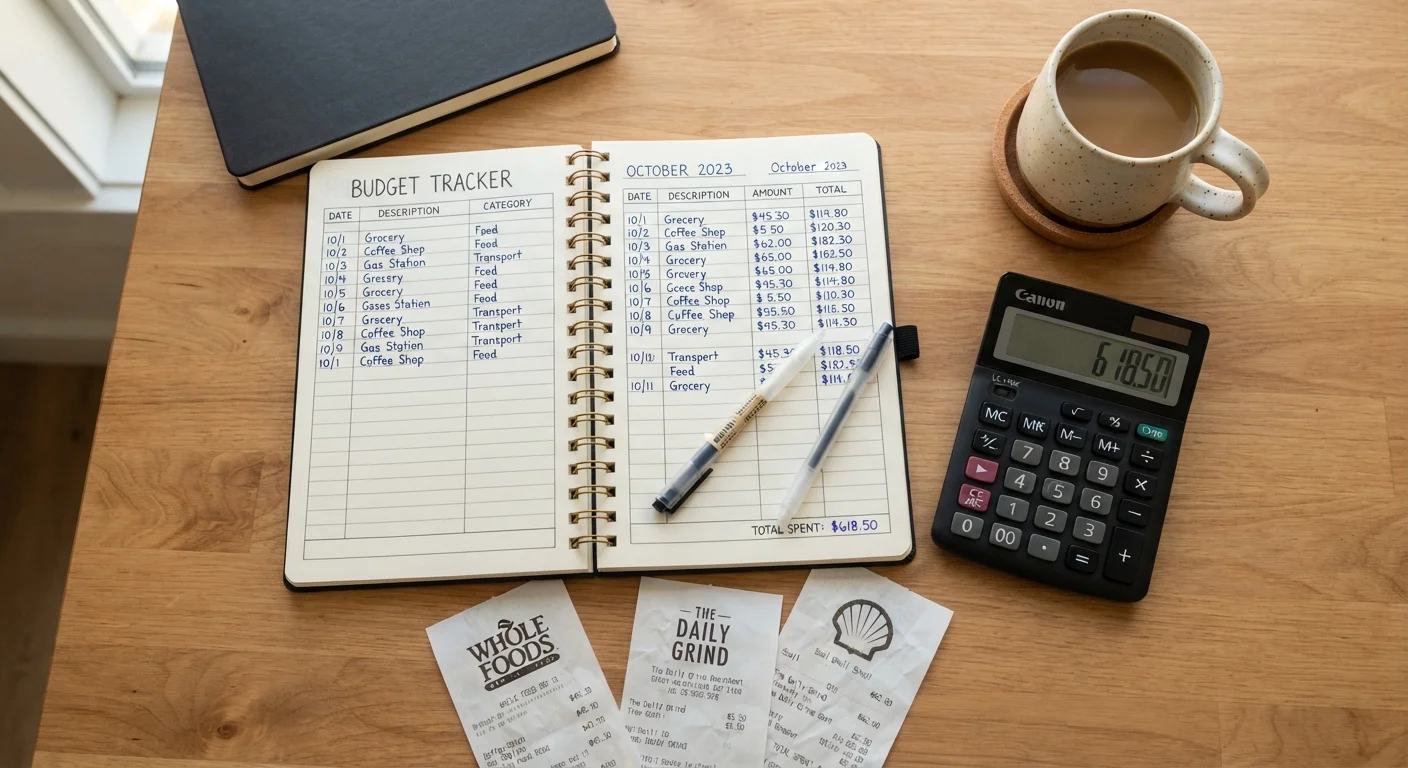
The most effective approach is to treat your travel budget like a daily cash envelope rather than a running total. Decide before each day what you're willing to spend on food, transport, and activities, then check against that number at night. Even a two-minute daily log in a notes app — just categories and amounts — gives you the feedback loop that prevents drift. This mirrors the broader practice of tracking your spending accurately, which works just as well on the road as at home.
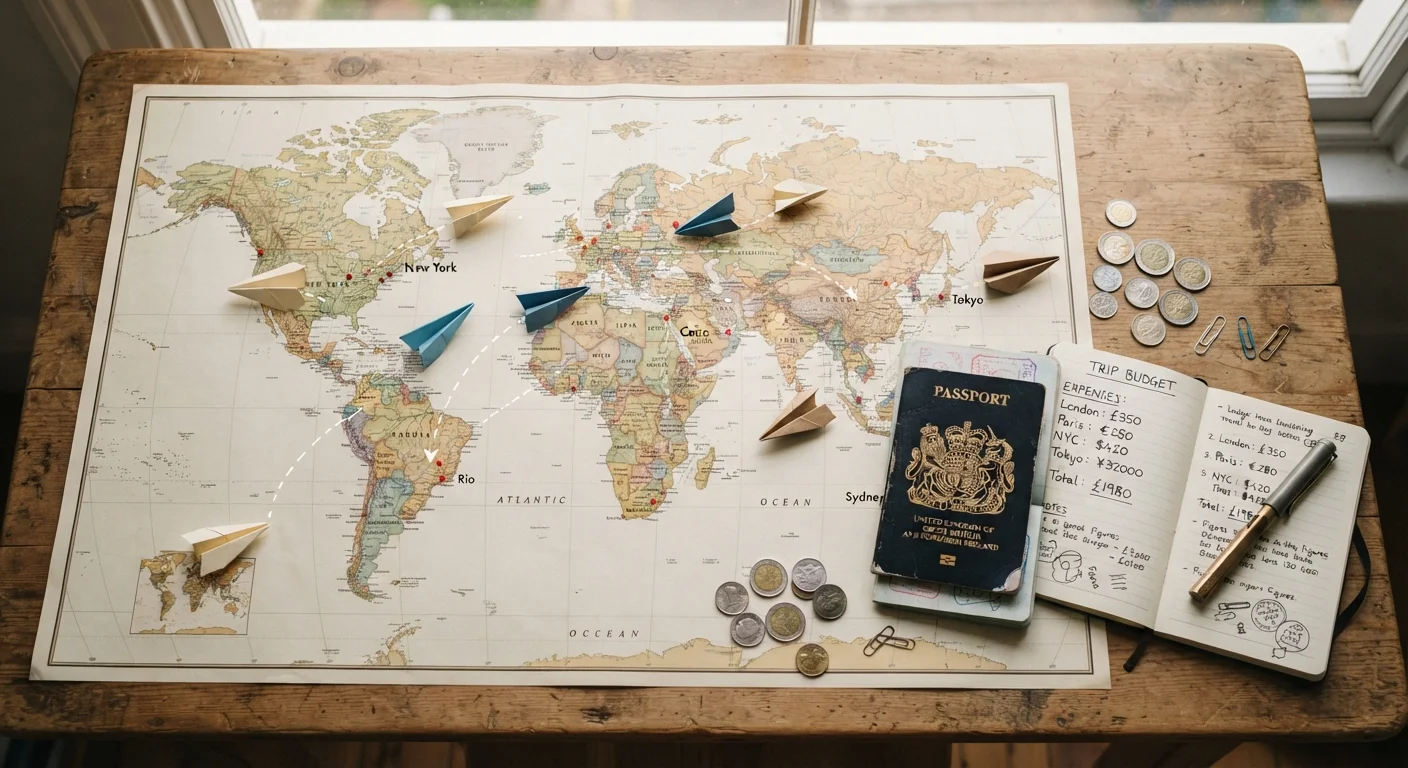
If you're planning a multi-stop trip, distributing your budget intentionally across destinations matters as much as controlling daily habits. See our piece on stretching a travel budget across a multi-city trip for destination-level strategies. And if your budget overruns feel like part of a broader pattern at home too, it's worth reading about mindless spending patterns — the habits that drain money in everyday life operate on the same psychology as those that drain a travel budget.
Don't Rely on Memory Alone
Most travelers believe they have a rough sense of what they're spending day to day — but recall is consistently inaccurate, especially for small, frequent purchases. Without a real-time log, even diligent travelers underestimate daily spending by a meaningful margin. A simple notes-app log takes seconds and removes the guesswork entirely.
After each trip, spend fifteen minutes comparing your planned budget to your actual receipts. The gaps will tell you exactly which habits to address before you travel next — far more precisely than any general advice can.