
What Is the Balkans and Why Does It Matter for Budget Travel?
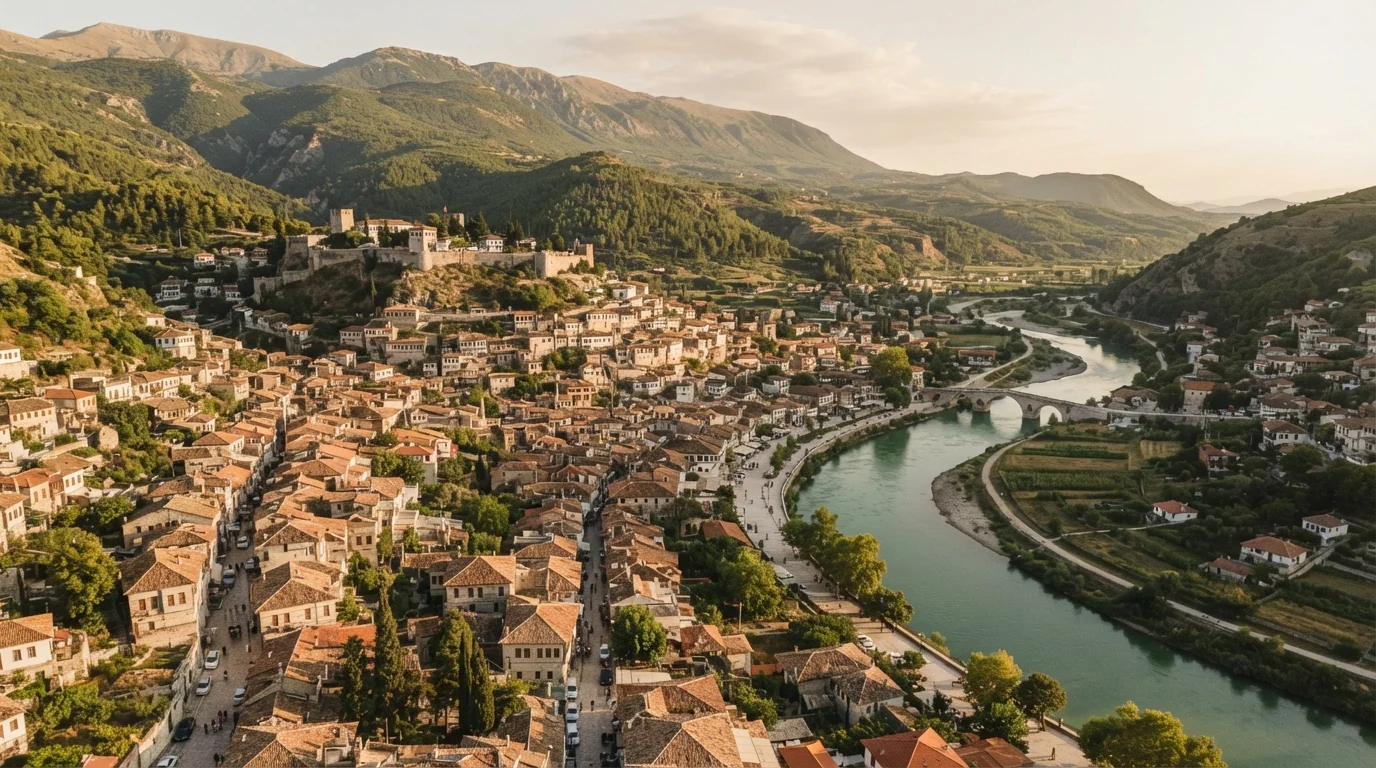
The Balkans is a geographic and loosely cultural region in southeastern Europe. Depending on the definition used, it includes countries such as Albania, Bosnia and Herzegovina, Bulgaria, Croatia, Kosovo, Montenegro, North Macedonia, Serbia, and Slovenia — with Greece and Romania sometimes included in broader framings. The region sits where Central Europe, the Mediterranean, and the Middle East historically intersected, producing a dense mix of Ottoman, Byzantine, Austro-Hungarian, and Slavic cultural layers within relatively short travel distances.
From a budget perspective, the Balkans punches well above its weight. Outside Croatia and Slovenia — the region's two EU members — most countries operate on currencies weaker than the euro, and purchasing power parity makes everyday costs significantly lower than Western Europe. A sit-down lunch can run $4–7 USD in cities like Sarajevo, Skopje, or Sofia; a private room at a mid-range guesthouse often falls in the $25–50 range. These aren't rough estimates — they reflect consistent traveler-reported averages across the region.
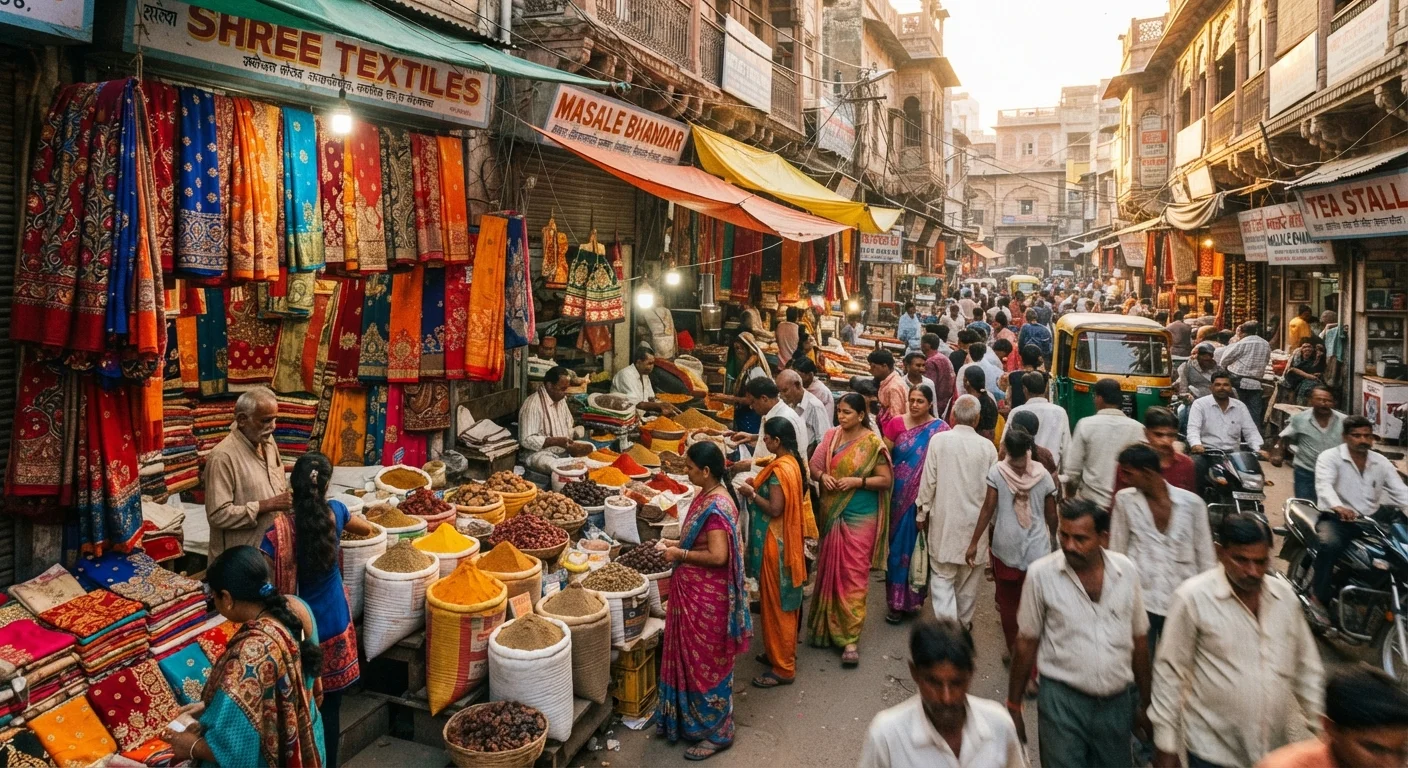
For context on how this compares to other value-driven regions globally, see our reference overview on India as a budget destination.
| Countries typically included | Albania, Bosnia & Herzegovina, Bulgaria, Croatia, Kosovo, Montenegro, North Macedonia, Serbia, Slovenia (definitions vary) |
| EU member states in region | Croatia, Slovenia, Bulgaria (also Romania in broader definitions) |
| Typical daily budget (mid-range, non-Croatia) | $40–70 USD including accommodation, meals, and local transport (Traveler-reported averages; actual costs vary by country and season) |
| US passport visa-free access | Generally 90 days in most Balkan countries; verify per destination (Check official government sources before travel) |
| Primary regional transport | Intercity buses; ferries along Adriatic coast; budget airlines to major hubs |
| Peak tourist season | July–August (Adriatic coast); year-round in inland cities |
Entry Requirements, Currencies, and Practical Logistics
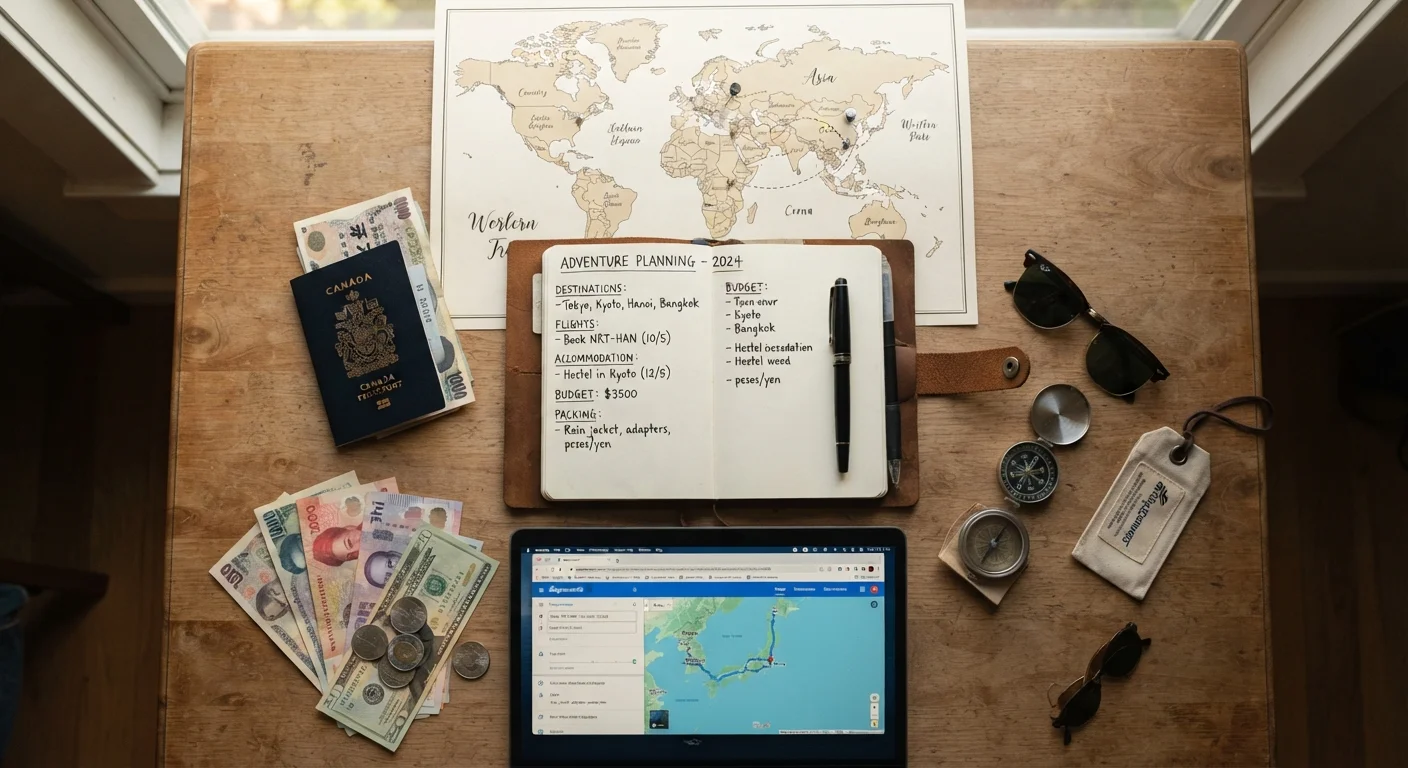
Entry requirements across the Balkans vary significantly by country and by the traveler's nationality. US passport holders can generally enter most Balkan countries visa-free for stays of up to 90 days, but rules change — always verify current requirements through official government sources or the destination country's embassy before travel. Kosovo, for instance, has distinct entry rules separate from Serbia, and the border situation between the two warrants careful research ahead of time.
Currency is similarly fragmented. Croatia uses the euro; Bulgaria uses the lev; Serbia uses the dinar; Bosnia and Herzegovina uses the convertible mark (BAM), pegged to the euro; Albania uses the lek; Montenegro, though not an EU member, uses the euro unilaterally. This means carrying a mix of cash — and budgeting for ATM fees — is a practical reality for multi-country itineraries.
Border Crossings and Disputed Territories
Several border situations in the Balkans require specific attention. Entering Kosovo via Serbia or vice versa, crossing between Kosovo and Bosnia, and traveling near certain administrative boundary lines can involve complications depending on your nationality and prior stamps. The US State Department and equivalent agencies publish current advisories — consult them before building any itinerary that crosses politically sensitive borders in the region.
Ground transport is the backbone of Balkan travel logistics. The bus network is extensive and reliable for regional connections; trains exist but are slower and less consistent outside Serbia and Bulgaria. Budget airlines serve regional hubs including Belgrade, Tirana, and Sofia. Ferries operate along the Adriatic coast, connecting Croatian islands and linking to Italy and Albania seasonally.
Before finalizing any itinerary, a structured pre-trip research checklist helps verify costs and entry conditions that shift regularly in this region.
Regional Cost Differences and What the Numbers Look Like
Costs are not uniform across the Balkans. Croatia — especially Dubrovnik and the Dalmatian coast — has pricing closer to Southern European averages, particularly in summer. Albania, Kosovo, and North Macedonia consistently rank among the most affordable destinations in the entire region. Serbia (particularly Belgrade) offers an urban experience — nightlife, museums, cafe culture — at a daily budget that can realistically fall under $50 including accommodation.
$4–7
Average sit-down lunch cost (USD) in non-EU Balkan cities
Consistent with traveler-reported meal costs in cities such as Sarajevo, Skopje, and Tirana.
$25–50
Typical private room rate per night (USD) in regional guesthouses
Applies broadly to mid-range accommodation outside Croatia and Slovenia; varies by season and city.
Under $50/day
Achievable all-in daily budget in Belgrade or Sofia
Includes mid-range accommodation, meals, local transport, and entry fees at current general price levels.
Shoulder seasons (April–May and September–October) reduce costs further and thin out tourist density at major sites. The Adriatic coast in July and August is peak-priced; the same coastal towns in late September offer noticeably lower accommodation rates with largely similar weather.
The same strategic habits that work across all budget regions apply here — eating where locals eat, using overnight buses to combine transport and accommodation costs, and prioritizing free or low-cost cultural sites like old towns, hiking trails, and public markets. Our guide on principles experienced low-cost travelers use covers these approaches in depth.
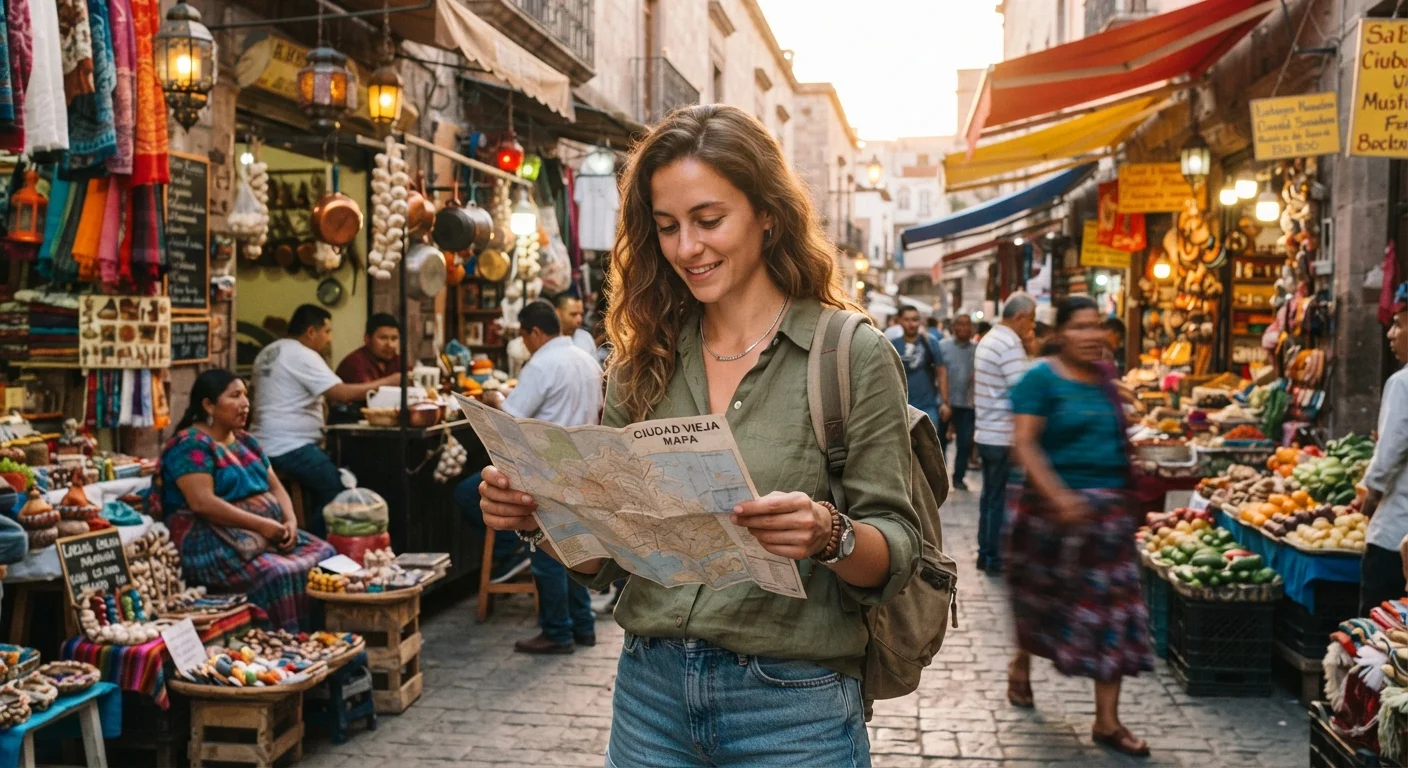
For travelers weighing the Balkans against other regions at a similar price point, Central America offers a useful comparison — different geography, overlapping cost dynamics.