
Why the DIY vs. Garage Decision Actually Matters
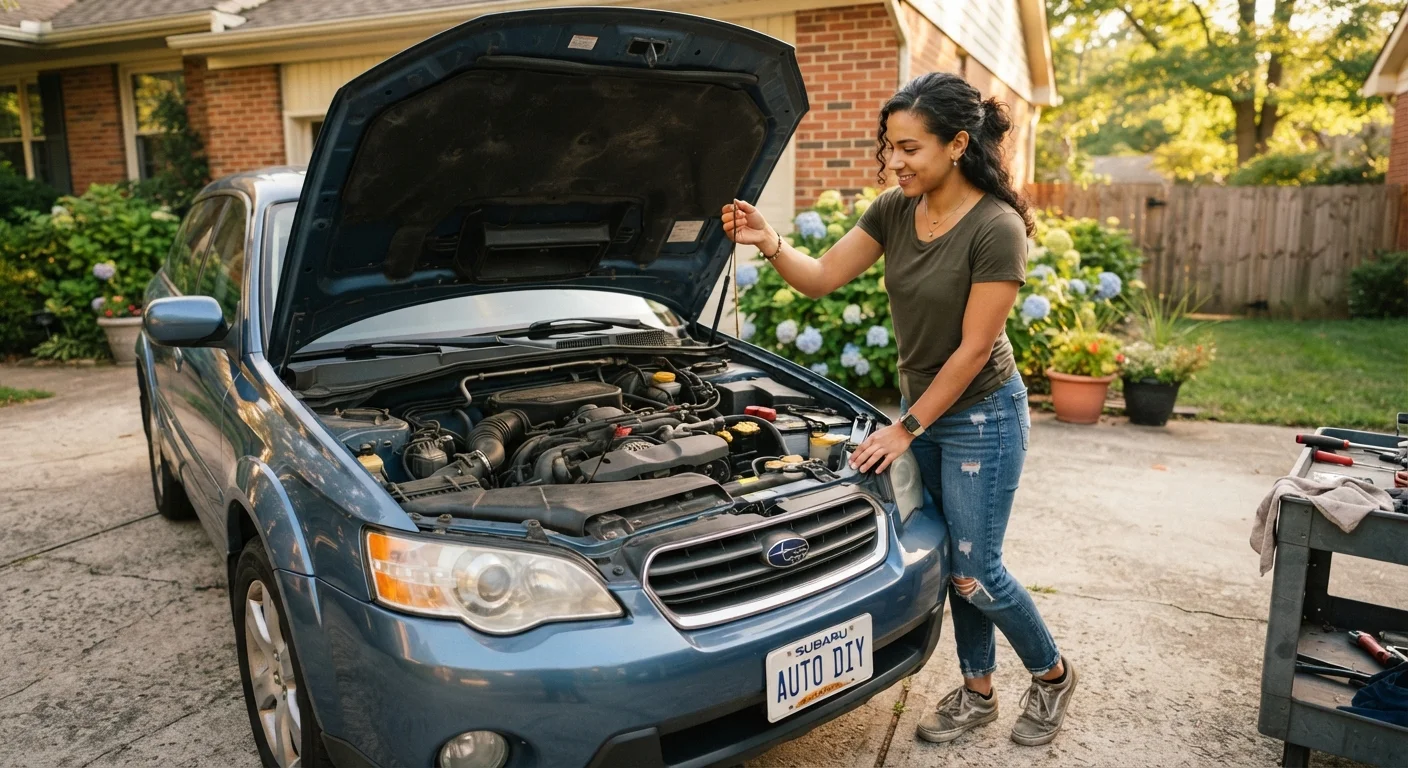
Labor at independent shops typically runs $80-$120 per hour; dealership rates often exceed $150. On a straightforward oil change, you might pay $40-$60 in parts and $0 in labor doing it yourself versus $80-$120 at a quick-lube shop. Multiply that across a handful of routine tasks per year and the savings add up fast.
But the calculus flips quickly when a task involves your braking system or steering. A mistake there isn't just expensive to fix - it can be dangerous. The goal isn't to DIY everything; it's to correctly identify which category each job falls into. If you're new to car ownership, our guide for new drivers covers the foundational habits worth building first.
Tasks That Are Safe to DIY
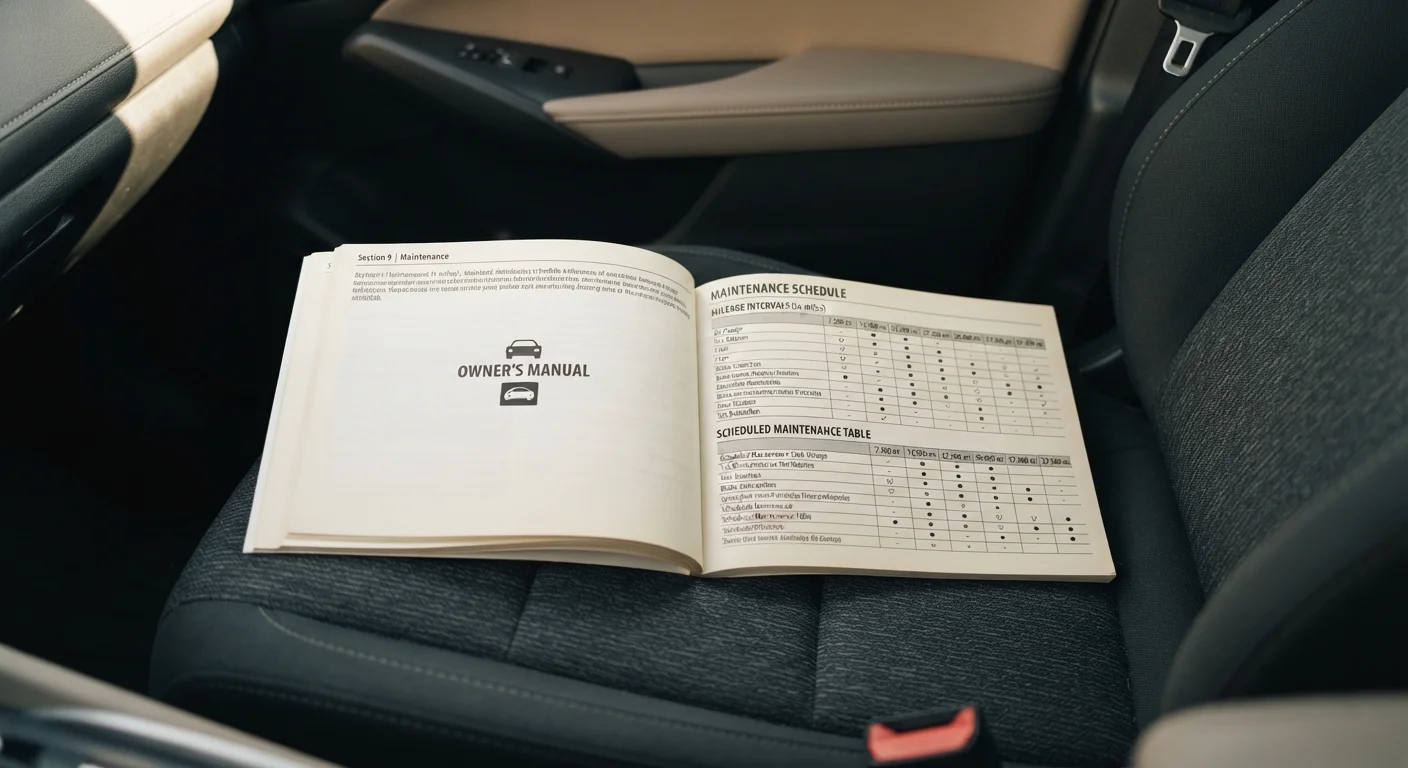
These jobs share three traits: they require basic tools, errors are visible or correctable before they create a safety hazard, and instructions specific to your vehicle are readily available in your owner's manual.
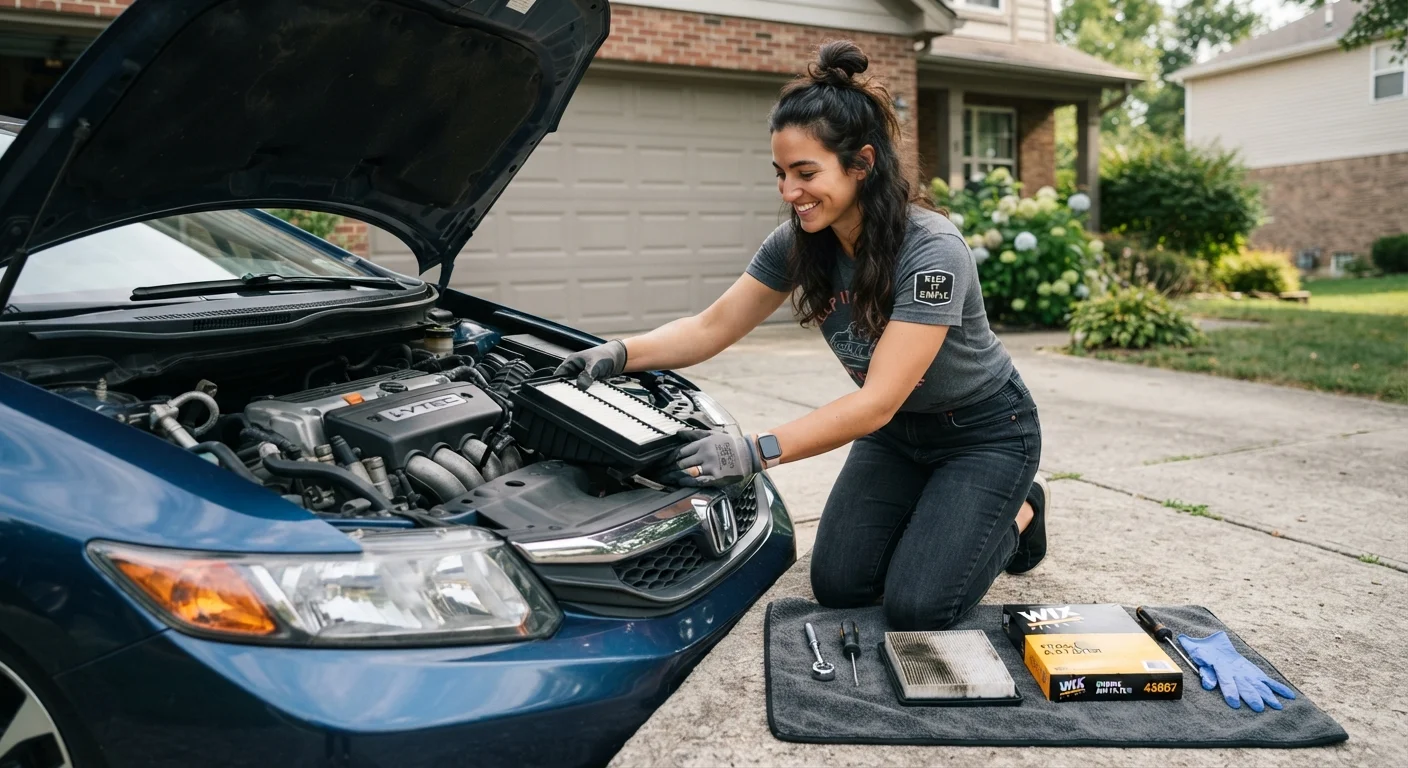
- Engine air filter: Usually a clip-or-screw housing under the hood. Replacement takes under 10 minutes and costs $15-$30 in parts versus $30-$60 at a shop.
- Cabin air filter: Typically located behind the glove box. Replacement intervals vary - check your owner's manual maintenance schedule rather than guessing.
- Wiper blades: A genuine five-minute job. The packaging usually includes vehicle-specific fitment instructions.
- Fluid top-ups: Windshield washer fluid and coolant reservoir top-ups (when the engine is cold) are straightforward. Note: brake fluid and power steering fluid changes involve more nuance and may warrant professional attention.
- Battery terminal cleaning: Corrosion on terminals is common and cleaning it with a wire brush and baking soda solution is safe when the engine is off - but if the battery itself needs replacing, take care to note any radio or system reset requirements specific to your vehicle.
Match the Procedure to Your Exact Vehicle
Generic YouTube tutorials sometimes skip model-specific steps - a different drain plug location, a torque spec that matters, or a sensor that needs resetting. Always search for your specific year, make, and model alongside the task name. Owner's manual + model-specific forum = the most reliable combination.
For any DIY job, cross-reference your specific vehicle's procedure online - forums for your make and model often flag quirks (hidden clips, torque specs) that generic guides miss.
Tasks That Belong at a Garage
Complexity and consequence separate these jobs from the DIY list. Getting them wrong can compromise vehicle control or trigger costly downstream failures.
- Brake pads and rotors: The procedure itself isn't impossibly complex, but improper caliper compression, incorrect torque on lug nuts, or a missed bleeder valve can result in brake failure. This is a professional job for most home mechanics.
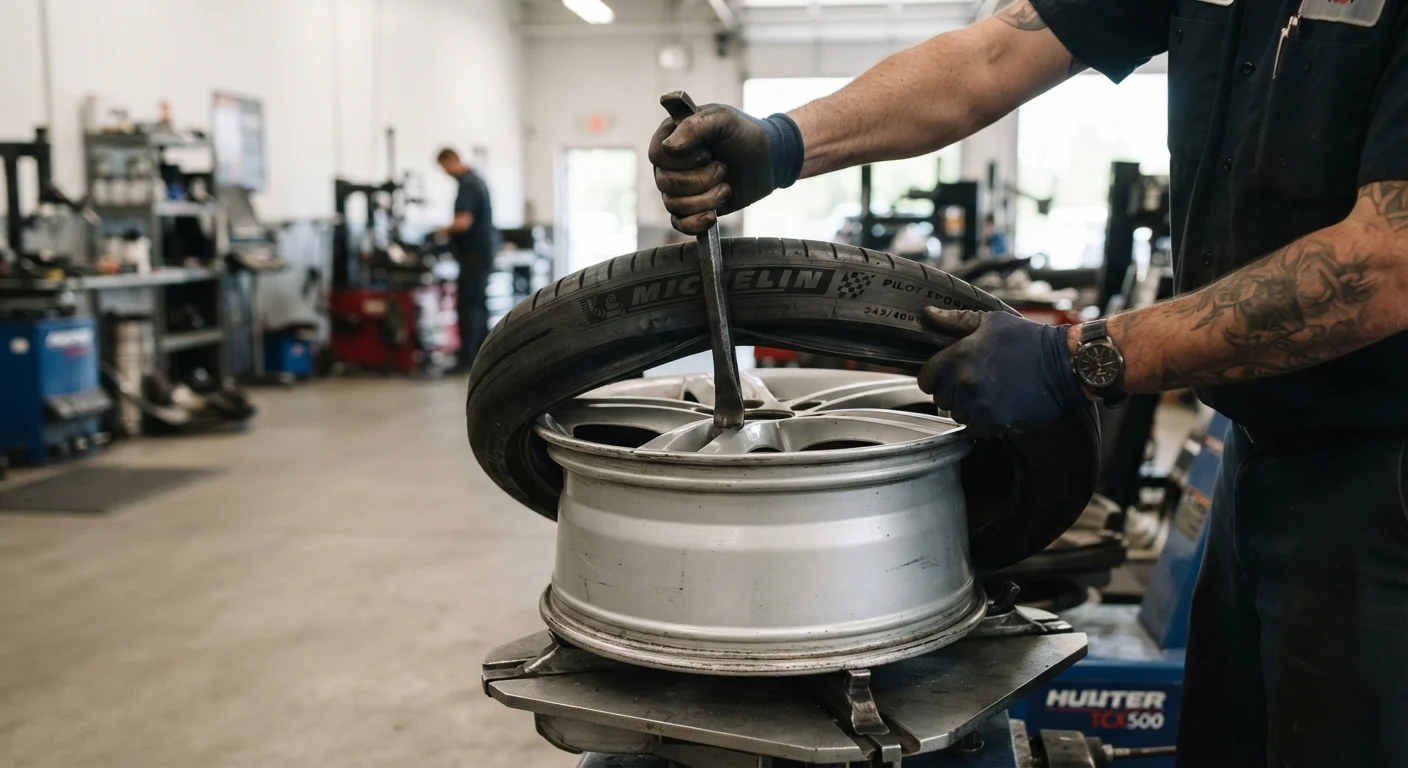
- Wheel alignment: Requires specialized equipment - you cannot do this at home. Misalignment causes uneven tire wear and poor handling. Our article on tyre rotation, balancing, and alignment explains the differences clearly.
- Suspension components: Struts, control arms, and tie rods affect both ride quality and directional stability. Incorrect installation creates handling instability that may not be immediately obvious.
- Timing belt/chain service: Engine damage from an incorrectly installed timing belt can be catastrophic and total a vehicle.
- Airbag system components: Any work near airbag sensors or wiring must go to a professional. Accidental deployment causes serious injury.
- Check-engine light diagnosis: A code reader can tell you the code; interpreting it correctly and fixing the underlying cause usually requires a mechanic with diagnostic equipment.
Don't Let Cost Savings Override Safety
Brake system errors and airbag mishandling can cause serious injury or death. If you're uncertain about any step in a safety-critical repair, stop and take the vehicle to a qualified mechanic. The money saved on labor is never worth a compromised stopping system or an accidental airbag deployment.
How to Compare the True Cost
When deciding, calculate the real DIY cost: parts + any tool purchase you don't already own + your time. A first-time oil change might require a drain pan, filter wrench, and funnel - tools that pay back over many future services but represent an upfront investment.
| Task | DIY | Garage | |
|---|---|---|---|
| Engine air filter | Safe, ~$15-$30 parts | ~$30-$60 total | |
| Cabin air filter | Safe, ~$15-$25 parts | ~$30-$55 total | |
| Wiper blades | Safe, ~$15-$30 parts | ~$25-$50 total | |
| Brake pads & rotors | Risk: safety-critical | Recommended, ~$150-$300 | |
| Wheel alignment | Not possible at home | Required, ~$75-$150 | |
| Timing belt service | High risk of engine damage | Recommended, ~$300-$800 | |
| Battery terminal cleaning | Safe with precautions | Unnecessary for this task |
For tasks in the middle ground - brake pad replacement is a common example - consider a hybrid approach: buy the parts yourself (which can cut parts markup by 20-40%) and pay a mechanic only for labor. Many independent shops will accommodate this, though confirm before assuming.
The principle applies beyond cars too. The same cost-benefit thinking underpins decisions about when DIY saves money and when it creates a bigger bill in home repairs.
This article provides general automotive information for educational purposes. For repairs affecting vehicle safety systems, consult a qualified mechanic. Always follow manufacturer guidelines specific to your vehicle.