
Understanding Where Your Car Money Actually Goes
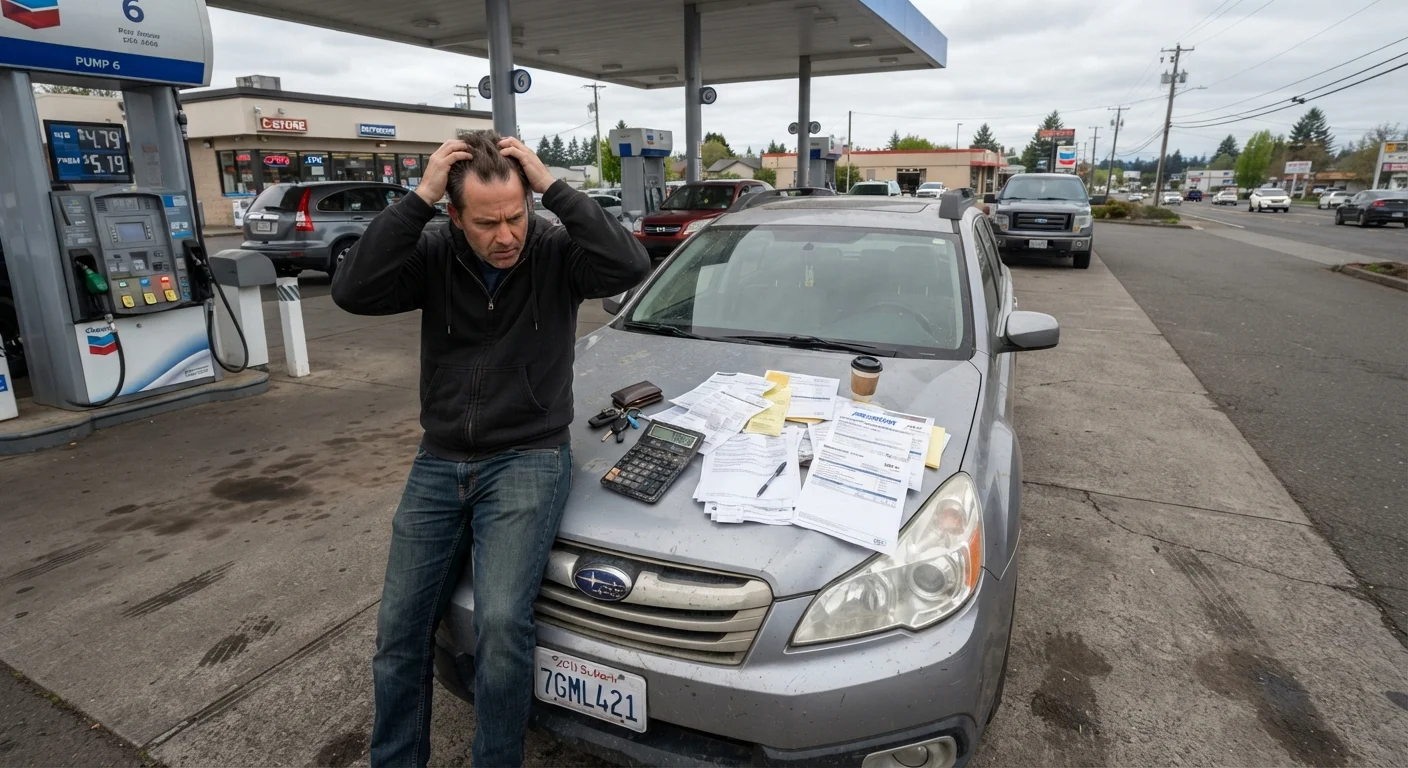
Most drivers think of car costs as a sticker price plus gas. The reality is considerably more layered. Before you can cut costs effectively, you need a clear map of where the money actually flows.
The four primary cost categories are: depreciation (the loss in vehicle value over time), insurance, fuel, and maintenance and repairs. Beyond those, financing interest, registration fees, and parking or tolls round out the picture. Understanding the real cost of owning a car - before and after purchase - is foundational, and our guide on the true cost of vehicle ownership breaks this down in full detail.
$10,728
Average annual cost to own and operate a vehicle
According to AAA's annual 'Your Driving Costs' study, which tracks fuel, maintenance, insurance, depreciation, and financing.
47%
Share of total ownership cost attributable to depreciation
Depreciation typically represents the largest single expense category in AAA's vehicle ownership cost breakdowns.
$100+
Potential annual fuel savings from proper tire inflation
The U.S. Department of Energy estimates that underinflated tires can reduce fuel economy by up to 0.2% per 1 PSI drop across all four tires.
Each cost category responds differently to your choices. Depreciation is largely set at the moment you buy. Insurance is a recurring contract you can renegotiate. Fuel responds to your driving behavior and vehicle choice. Maintenance is a discipline - spend consistently on prevention or spend sporadically on crises.
Cutting Insurance Costs Without Sacrificing Coverage
Auto insurance is one of the few large recurring car expenses where the price is genuinely negotiable - not with your current insurer, but by shopping the market. Insurers recalculate risk profiles regularly, and a rate that was competitive two years ago may no longer reflect what's available to you now.
Practical approaches that tend to produce real savings:
- Shop quotes annually. Comparing offers from multiple insurers at renewal time is the single highest-leverage action most drivers never take.
- Reassess coverage on older vehicles. Comprehensive and collision coverage on a vehicle worth less than 10 times the annual premium cost may not be financially rational. Run the math for your specific vehicle's current market value.
- Increase your deductible if you have an adequate emergency fund. Moving from a $500 to a $1,000 deductible typically reduces premiums meaningfully - but only makes sense if you can absorb that deductible without financial strain.
- Ask about discounts you may already qualify for - low-mileage programs, multi-policy bundling, and safe-driver discounts are commonly underutilized.
Dropping Coverage Too Aggressively Can Backfire
Lowering your liability limits or dropping comprehensive coverage to save on premiums can leave you exposed to costs that far exceed your premium savings. Before changing coverage, consider the value of your vehicle, your financial cushion, and your state's minimum requirements. This is general educational information - consult a licensed insurance professional for advice specific to your situation.
New drivers face elevated rates by default. The guide for new drivers on reducing car costs covers insurance-specific strategies worth reading before your first renewal.
When comparing insurance quotes, bring your current declarations page - it forces apples-to-apples coverage comparison rather than letting quotes differ silently on deductibles or limits.
Drivers who switch insurers without comparing equivalent coverage often discover their 'savings' came with meaningful gaps, only revealed after a claim.
Set a recurring calendar reminder every 5,000 miles or six months - whichever comes first - to check tire pressure, fluid levels, and wiper condition yourself before a shop visit.
Catching small issues at home is free; catching them at a shop during an emergency visit always costs more, and deferred small problems become large ones.
Fuel: The Easiest Recurring Cost to Reduce
Fuel is the most visible recurring cost and, for most drivers, one of the most controllable. Small behavioral changes compound meaningfully over a year of driving.
Driving habits that reduce fuel consumption:
- Accelerate gradually and coast to decelerate rather than braking hard - aggressive driving can lower fuel economy by 15-30% on highways, according to the U.S. Department of Energy.
- Reduce highway speeds where safe and legal to do so. Fuel efficiency drops significantly above 50 mph for most vehicles.
- Eliminate unnecessary idling. Modern fuel-injected engines do not need warm-up idling beyond about 30 seconds in cold weather.
Vehicle and maintenance factors:
- Keep tires inflated to the manufacturer's recommended pressure (found on the driver's door jamb, not the tire sidewall). Underinflation increases rolling resistance and reduces efficiency.
- Replace air filters on schedule. A clogged engine air filter can reduce fuel economy in older carbureted engines; in modern fuel-injected vehicles it more directly affects performance.
Combining a fuel-efficient driving style with a well-maintained vehicle is consistently more impactful than chasing small differences in pump prices.
Maintenance: Spend a Little to Avoid Spending a Lot
Preventive maintenance is the most reliable cost-reduction strategy in automotive ownership. The math is straightforward: an oil change costs $30-$80. Engine damage from neglected oil changes can cost $3,000-$10,000 or more. The same logic applies to coolant flushes, transmission fluid, brake fluid, and timing belt replacement.
Use a Simple Spreadsheet to Track Car Spending
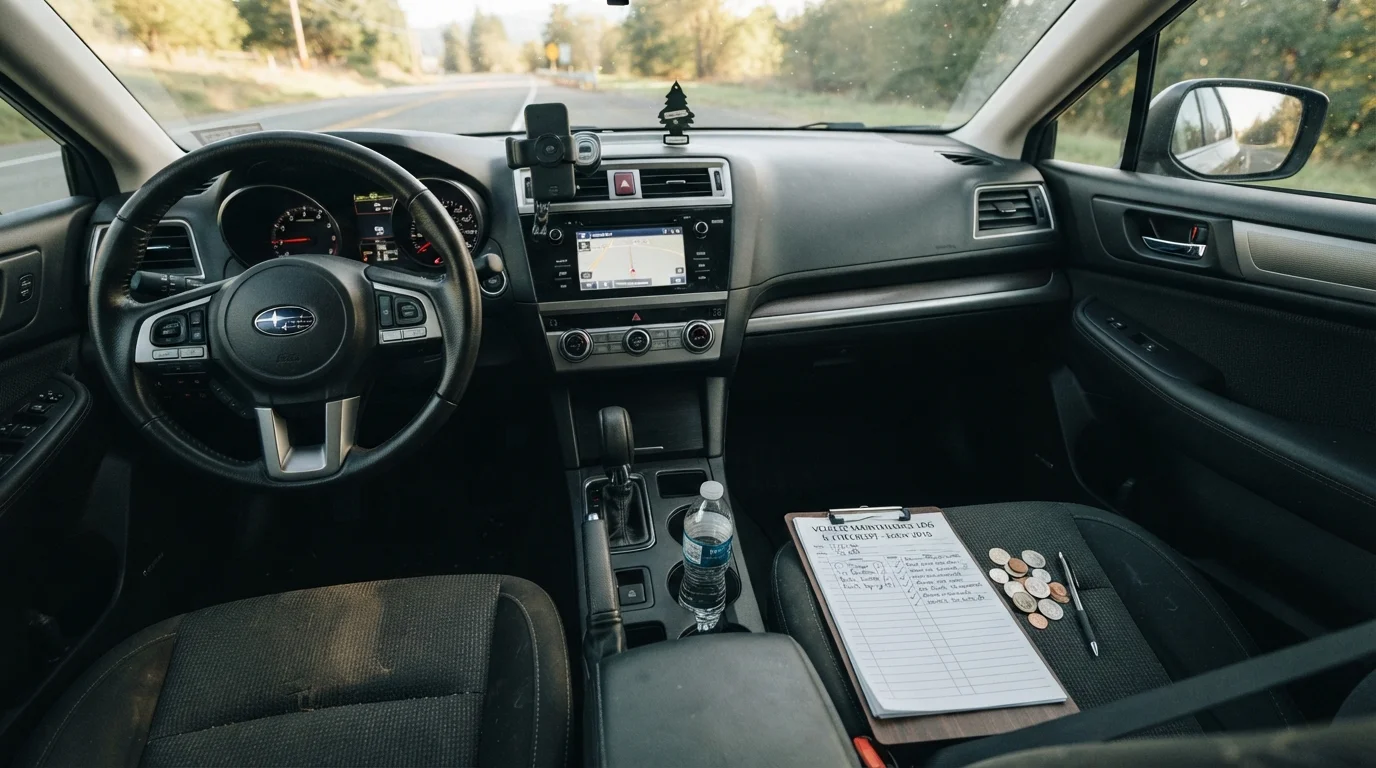
Recording every car-related expense - fuel fill-ups, oil changes, registration, insurance payments - in a basic spreadsheet takes under five minutes per transaction. After three months, patterns emerge that are nearly impossible to see otherwise. You may discover your actual annual fuel spend is hundreds more than you estimated.
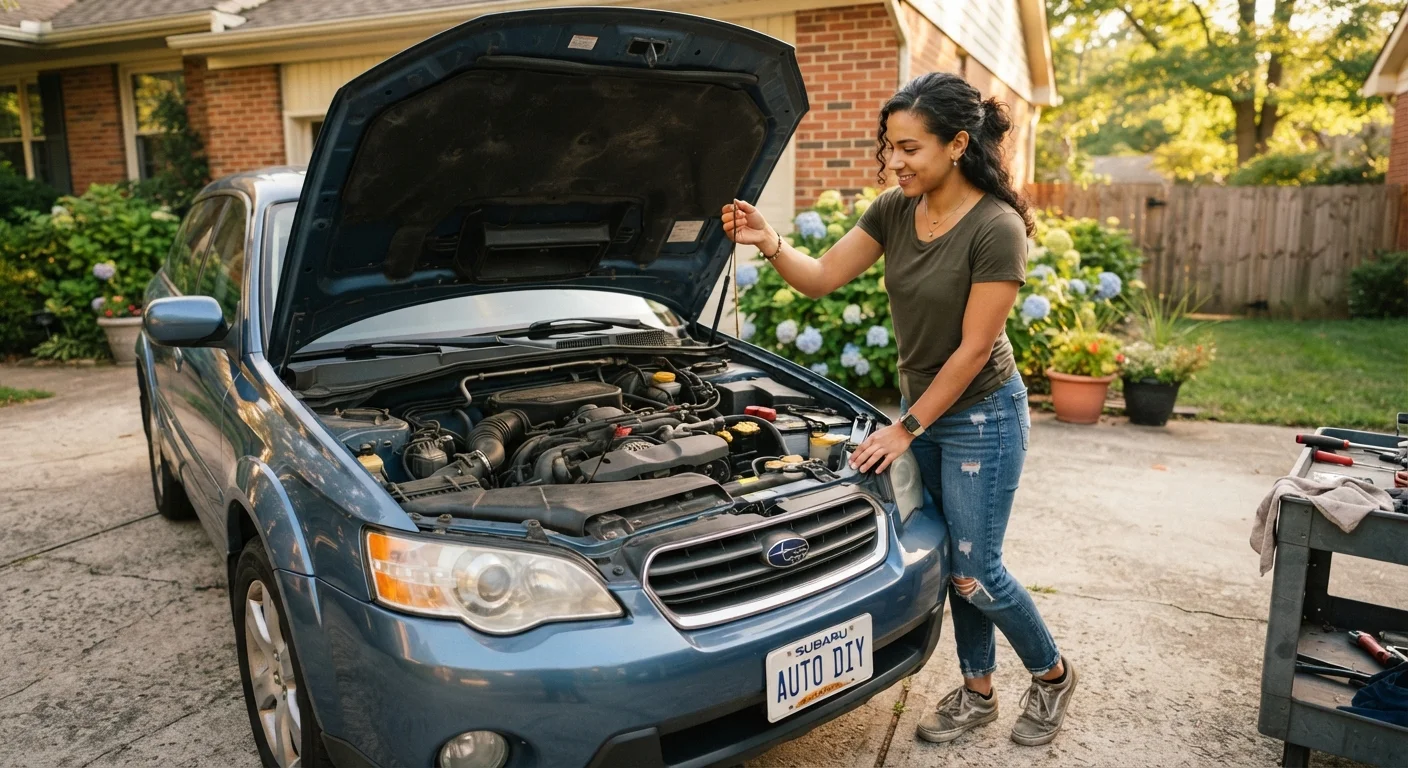
The Car Maintenance Basics hub covers the essential upkeep tasks every driver should understand, including those you can do yourself versus those requiring a qualified mechanic.
A few maintenance principles that consistently protect your budget:
- Follow the manufacturer's service schedule in your owner's manual - not the more frequent intervals sometimes recommended by quick-lube shops, which can exceed what your vehicle actually requires.
- Find a trustworthy independent mechanic before you need one urgently. Dealership service departments charge significantly higher labor rates than independent shops for most routine work.
- Get a second opinion on large repairs. If a shop quotes more than $500 for an unexpected repair, a second estimate from a different mechanic costs nothing and can save hundreds.
Don't Skip Safety-Critical Repairs
Cost-cutting should never extend to brakes, tires, steering, or any system that directly affects vehicle control. Deferring these repairs creates serious safety risks for you, passengers, and other road users. If a mechanic identifies a safety-critical issue, treat it as non-negotiable. General financial information in this guide does not substitute for a qualified mechanic's assessment of your specific vehicle.
New drivers can build the right habits early by reading the maintenance guide for new drivers.
Depreciation and the Smarter Way to Buy
Depreciation is the cost most drivers underestimate because it's invisible - it doesn't require a payment, but it erodes wealth continuously. A new vehicle typically loses 15-25% of its value in the first year alone, according to broadly reported industry data. By year three, many vehicles have lost 40-50% of their original purchase price.
This has a concrete implication: buying a vehicle that is two to four years old allows someone else to absorb that steepest depreciation curve while you pay a substantially lower purchase price for what is often a nearly identical driving experience.
Additional buying considerations that affect long-term cost:
- Research reliability ratings for any model you're considering. Vehicles with strong reliability histories tend to have lower unexpected repair costs - which matters more than initial purchase price over a five-year ownership horizon.
- Factor in insurance costs before buying. Premiums vary significantly by model, not just by driver. Get an insurance quote on a specific vehicle before finalizing a purchase decision.
- Consider total cost of ownership, not just monthly payments. A lower monthly payment stretched over a longer loan term often means paying more in total, especially when interest is included.
The Car Buying Smart hub provides deeper guidance on making informed purchase decisions that hold up financially over time.
Conducting Your Own Annual Cost Audit
Knowing the categories isn't enough - you need a process for reviewing your actual spending regularly. An annual car cost audit gives you the data to make real decisions rather than estimates.
The core of an audit is simple: total every dollar spent on the vehicle over the past 12 months, organized by category. Most drivers who do this for the first time are surprised - either by how much a specific category costs, or by discovering a recurring expense they'd stopped consciously tracking.
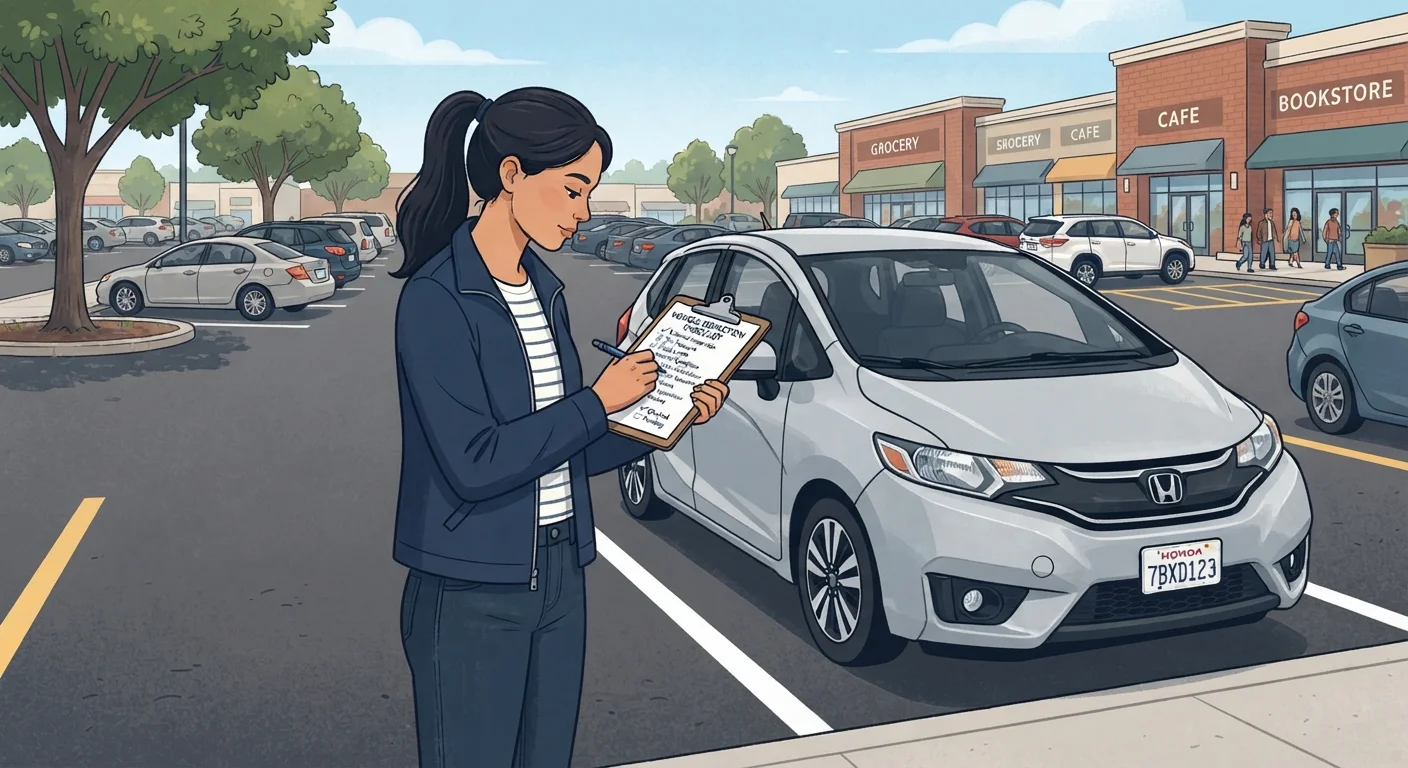
Use the annual car running cost audit checklist to guide this process. It covers insurance, servicing, fuel, registration, and other recurring expenses with a structured review approach.
Financing Costs Compound Your Total Ownership Price
If you're carrying an auto loan, the interest paid over the loan term is a real ownership cost that's easy to overlook. A $25,000 vehicle financed at 7% over 60 months costs roughly $4,600 in interest alone. Factoring financing into your true cost picture gives you a more accurate basis for comparison when evaluating ownership decisions.
Once you have a full-year picture, you can prioritize which changes will have the most impact. For most drivers, the highest-return actions are: shopping insurance annually, following the manufacturer's maintenance schedule precisely, and making a more informed next vehicle purchase with depreciation in mind. These three levers, applied consistently, address the majority of controllable car costs without requiring any sacrifice in reliability or safety.