
Why the Sticker Price Is Just the Starting Point
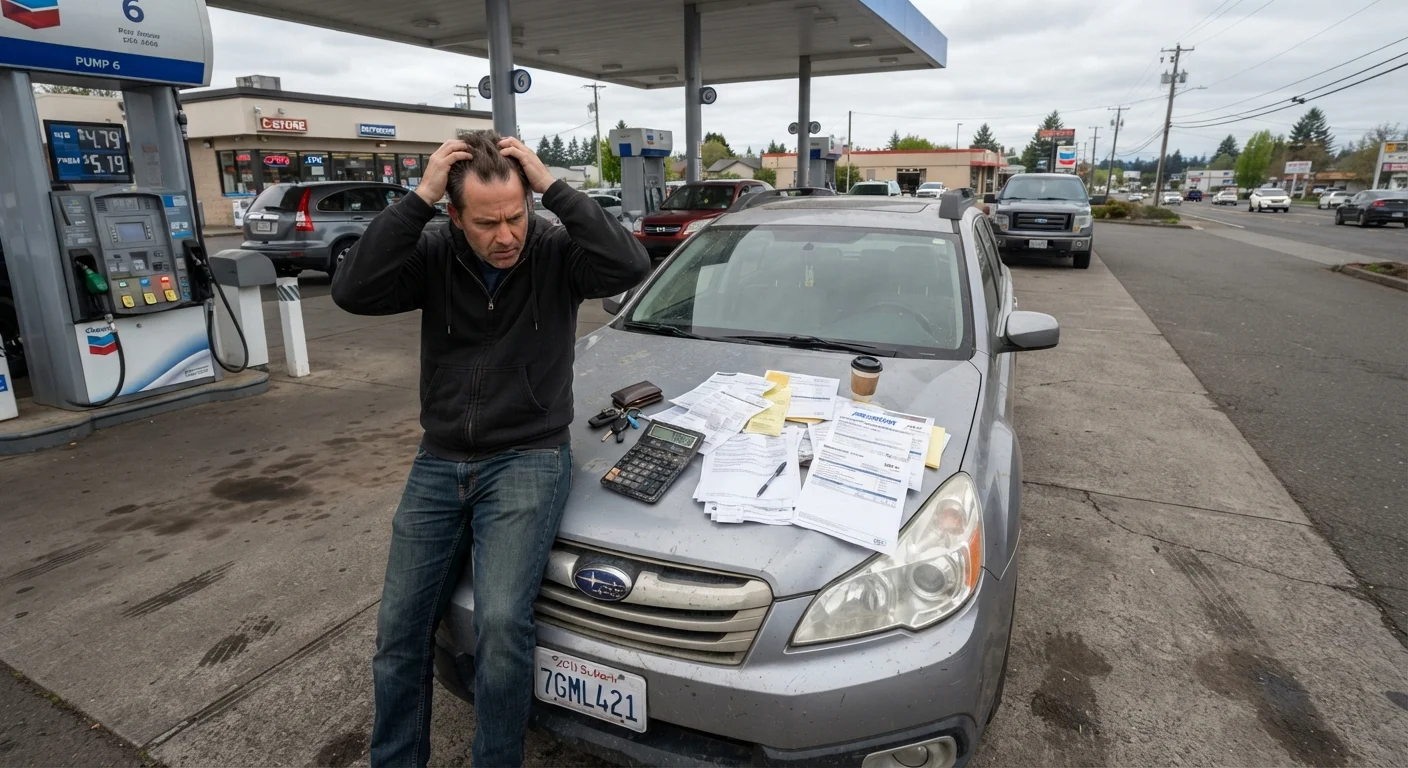
When most people budget for a car, they focus on the monthly payment. That figure is real, but it captures only a portion of what you'll actually spend. The purchase price - whether paid in cash or financed - is the entry fee. The ongoing costs are what determine whether owning that vehicle is genuinely affordable for your situation.
Think of it this way: buying a car is less like a one-time transaction and more like signing up for a recurring subscription with variable fees. Some of those fees are predictable; others - an unexpected repair, a rate increase from your insurer - are not. Understanding the full picture before you commit is what separates a sound decision from an expensive surprise.
For a broader look at how this principle applies to major purchases in general, the concept is explained well in our total cost of ownership explainer.
~50%
New car value lost in first five years
Industry data consistently shows new vehicles depreciate by roughly half their value within five years, making depreciation the largest single cost of ownership.
$10,000+
Average annual cost to own a new car
AAA's annual driving cost studies have placed average total ownership costs for new vehicles above $10,000 per year when all expenses are included.
15-20%
Value lost in year one of new car ownership
A new vehicle typically loses 15-20% of its purchase price in the first 12 months, before routine wear costs even factor in.
The Five Major Cost Categories You Need to Estimate
1. Depreciation
This is the gap between what you paid and what the car is worth later. New vehicles typically lose 15-20% of their value in year one and around 50% over five years. You may not see this on a bill, but it directly affects what you can recover if you sell or trade in.
2. Insurance
Required by law in nearly every US state, auto insurance premiums vary based on your driving record, location, age, and the vehicle itself. Sports cars and newer vehicles with high repair costs carry higher premiums. Getting quotes before purchasing - not after - is essential.
3. Fuel
With fuel prices fluctuating, a vehicle's MPG rating has a direct dollar impact over time. A car that gets 20 MPG versus 30 MPG costs meaningfully more to fuel over 12,000-15,000 miles per year. Factor in your typical commute and regional fuel prices when comparing options.
4. Maintenance and Repairs
Routine upkeep - oil changes, tire rotations, brake pads, filters - runs several hundred dollars per year on a well-maintained vehicle. As cars age, repair bills typically climb. Our Car Maintenance Basics hub covers the essential upkeep tasks that protect both your car and your wallet.
5. Fees, Taxes, and Financing Costs
Sales tax, registration, title fees, and annual renewal fees vary by state but collectively add up. If you're financing, loan interest is a direct cost - one that grows if you extend the loan term to shrink monthly payments. See why low monthly payments can be deceptively costly before you choose a loan length.
Run the Numbers Before the Test Drive
Before visiting a dealership, estimate insurance costs by getting a quote on the specific model you're considering. Add projected fuel costs based on your annual mileage and the vehicle's EPA rating. Compare that combined figure against your actual monthly budget - not just the loan payment alone. This single step prevents the most common budgeting mistake car buyers make.
Putting It Together: Estimating Your Annual Number
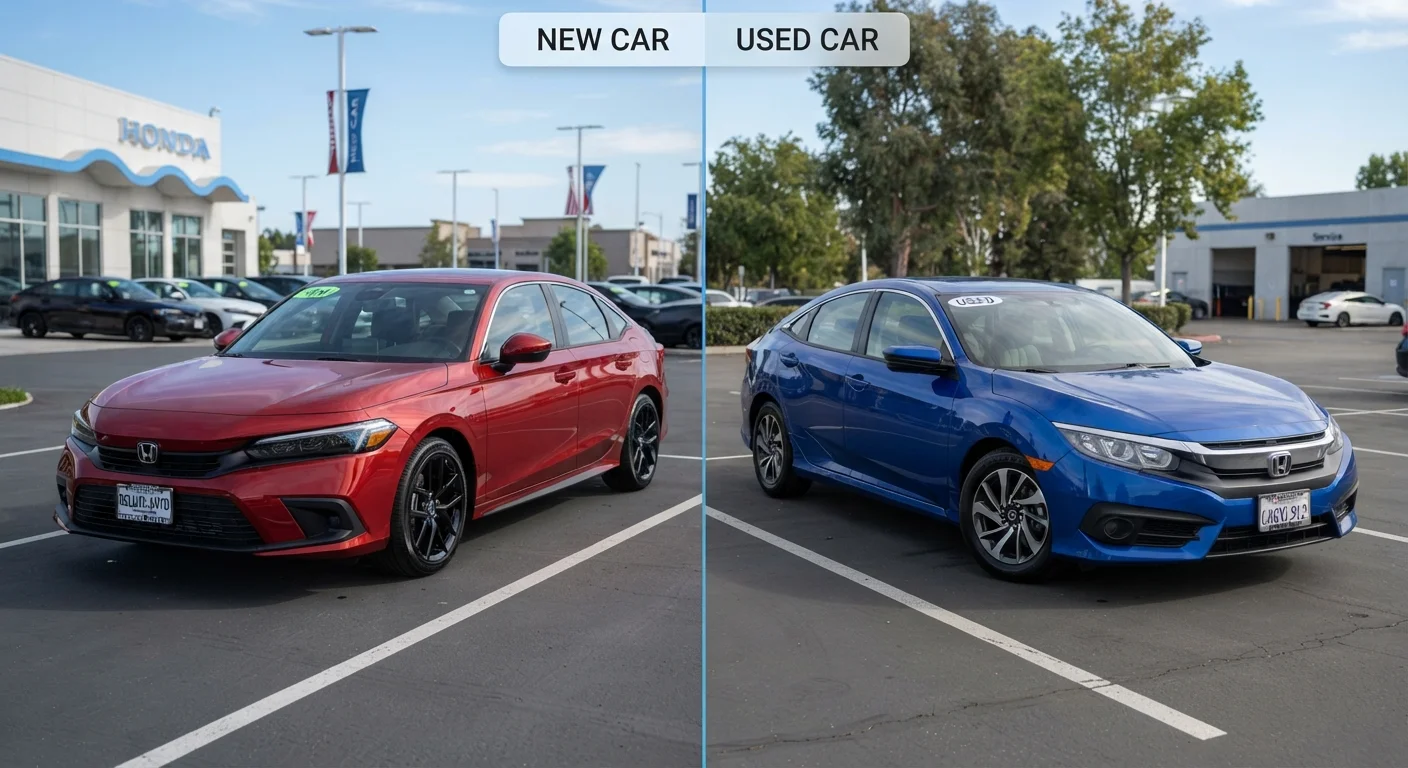
A rough but useful exercise: list each cost category and assign an annual estimate based on your vehicle choice and driving habits. Even ballpark figures reveal patterns. A $20,000 used car with low insurance costs and good fuel economy may cost substantially less annually than a $28,000 new car with a sports-trim insurance rating and a six-year loan.
Resources like AAA's annual Your Driving Costs report publish average figures broken down by vehicle segment, which can serve as useful reference points. Government tools such as the EPA's fueleconomy.gov also let you compare estimated annual fuel costs between models side by side.
If you're weighing new versus used options, our five-year cost comparison for used vs. new vehicles lays out how depreciation, financing, warranty, and maintenance costs stack up across both paths.