
The Real Math Behind 'Buy Once, Cry Once'
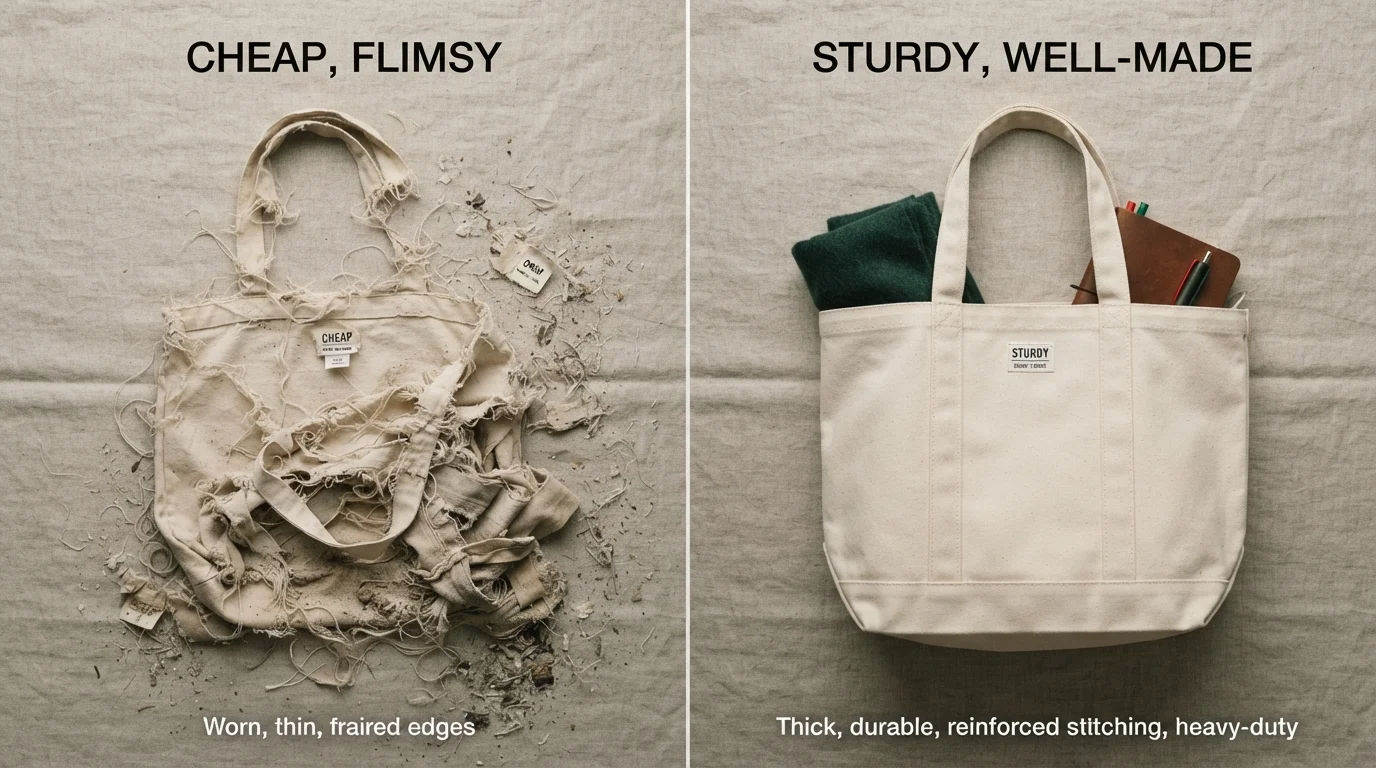
The folk wisdom that you should "buy it nice or buy it twice" has a kernel of genuine financial logic. If a $30 item fails after a year and you replace it twice, you've spent $90 - more than a $70 version that lasts a decade. That's not frugality; that's a subscription to mediocrity.
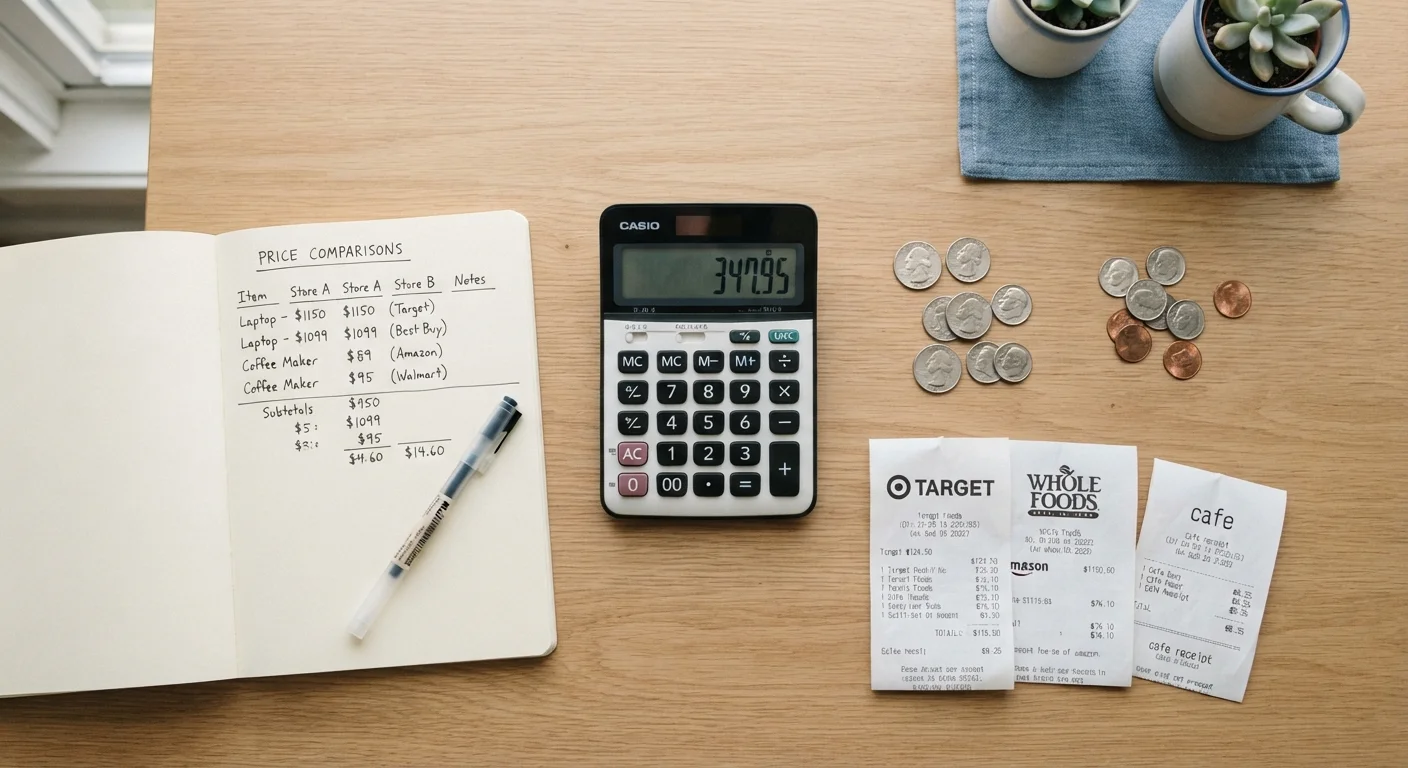
The concept financial planners call cost-per-use makes this concrete. Divide the total price by the number of times you'll realistically use something. A $150 cast iron skillet used five times a week for 15 years works out to less than a cent per use. A $25 nonstick pan replaced every 18 months costs more per use and generates more waste. This math isn't abstract - it changes real spending decisions once you apply it consistently.
That said, the logic has limits. It only holds when the quality item actually delivers meaningfully longer service life, and when you'll use it often enough for longevity to matter. Understanding value vs. price is foundational to making these calls correctly.
Where Buying Quality Upfront Genuinely Pays Off
Certain purchase categories reliably reward the invest-once approach. Footwear is a clear example: well-constructed shoes with replaceable soles can last years with resoling, while cheap pairs often cause foot and joint problems that add indirect costs. Sleep products - mattresses, pillows - affect health and productivity in ways that a budget option genuinely cannot replicate over time.
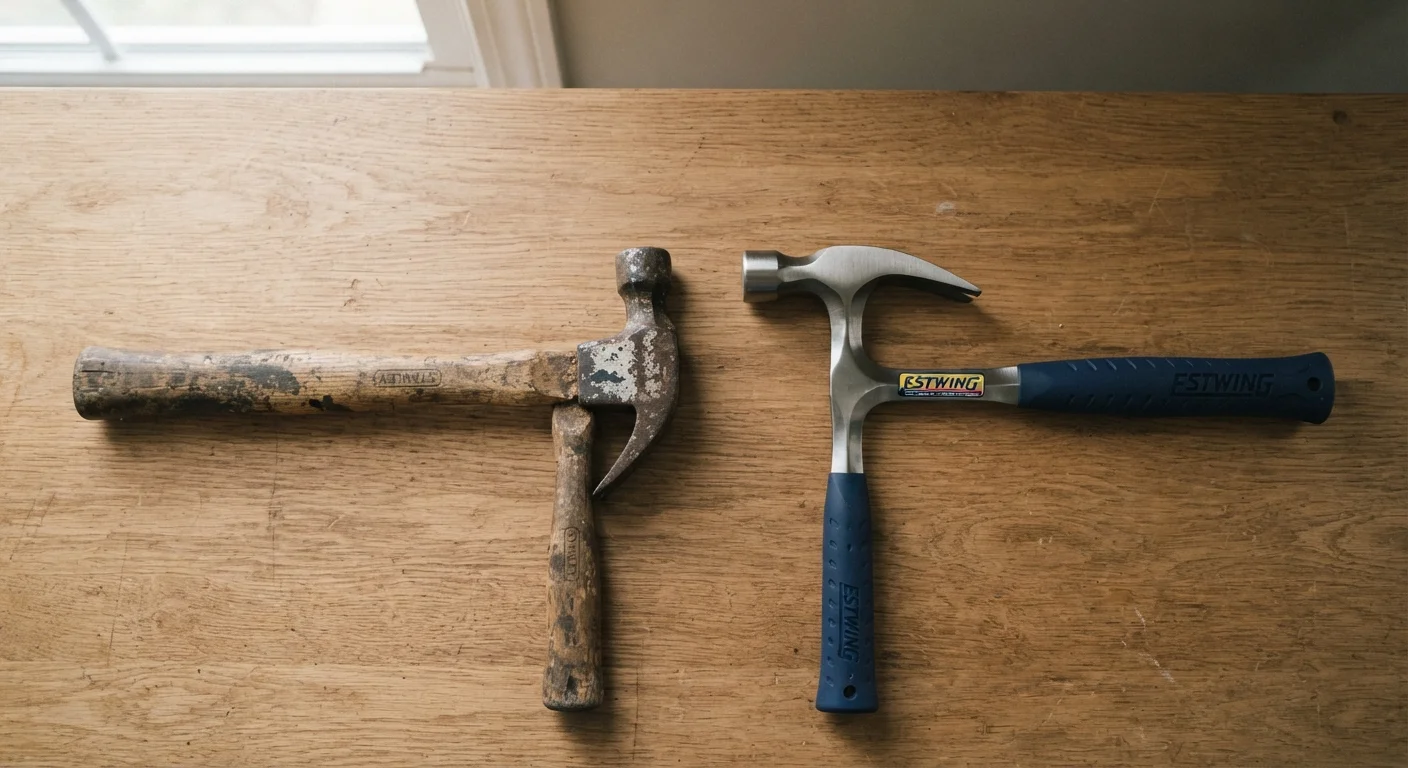
Tools are another strong category. A quality hand tool from a reputable manufacturer (not a brand-name fashion purchase, but one with proven metallurgy and a repair ecosystem) will outlast multiple cheap alternatives. The same applies to cookware, luggage that travels frequently, and work bags used daily.
For a deeper look at which specific product categories punish budget choices most reliably, see categories where skimping quietly costs more.
3×
Typical replacement cycles for budget vs. quality items
Consumer durability studies consistently find that budget versions of tools and footwear are replaced two to three times over the same period a quality item would last.
~40%
Of Americans report replacing same item within a year
A survey by Consumer Reports found roughly four in ten respondents had replaced a household item within 12 months of purchase due to failure or poor quality.
When Budget Options Are the Smarter Call
The buy-once logic breaks down in predictable circumstances. If you'll use something infrequently - a specialized kitchen gadget, a seasonal item, a hobby tool you're not sure you'll stick with - the cheap version is rational. You're not buying longevity; you're buying a low-stakes trial.
Trend-dependent purchases are another case where budget wins. Fast-changing categories - certain electronics, fashion accessories, kids' gear they'll outgrow - depreciate on their own timeline regardless of build quality. Paying a premium for durability in a product that will be obsolete or irrelevant in two years is a poor trade.
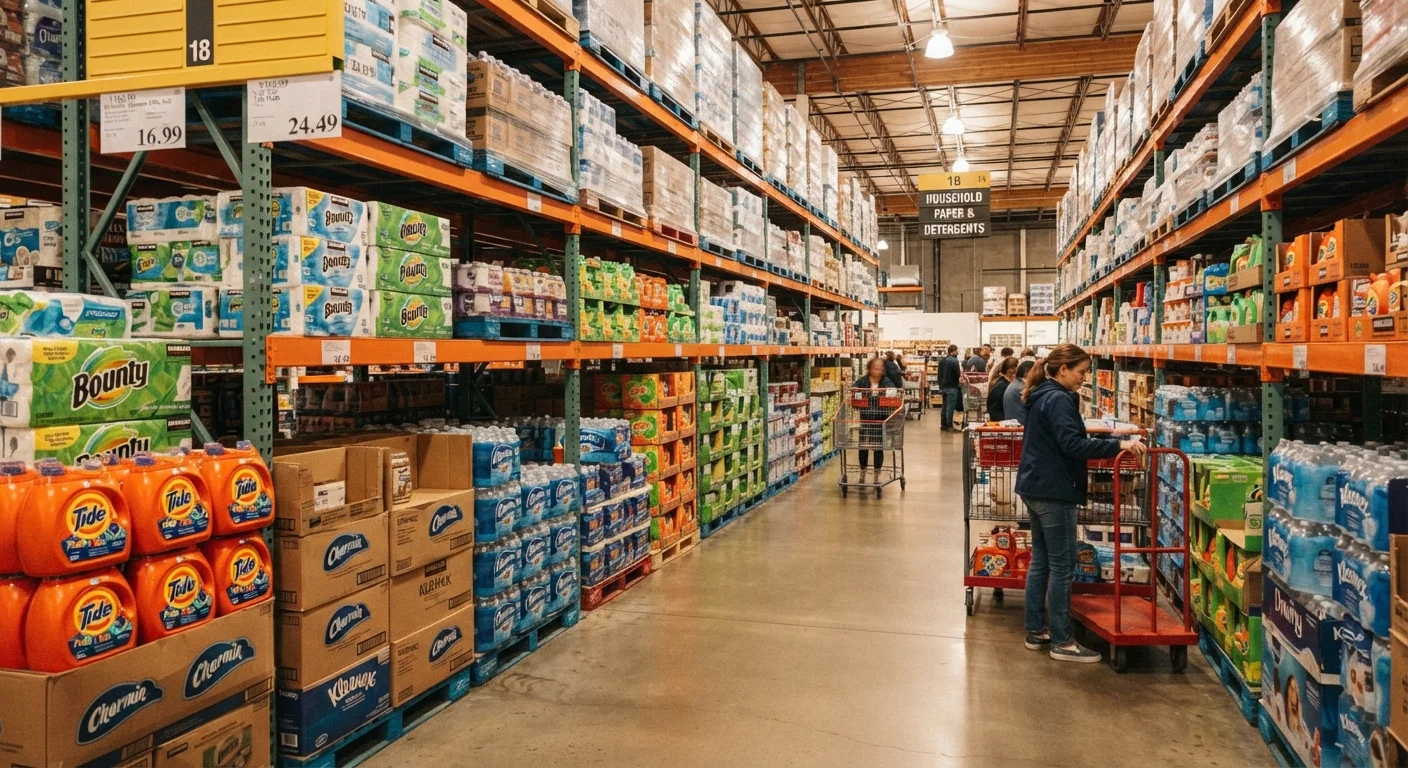
Children's items deserve special mention. A toddler's bicycle, a crib, seasonal clothing - these have hard expiration dates measured in months, not years. Budget options here are not frugal failures; they're the correct call. Similarly, buying in bulk follows the same conditional logic: the math only works when the conditions are right.
How to Evaluate a Purchase Before You Commit
Before defaulting to either extreme, run through three quick questions. First: how often will I actually use this? Daily-use items justify quality investment far more than once-a-year items. Second: what does replacement cost in full? Include not just money but time, inconvenience, and any downstream costs (a cheap mattress and poor sleep have health costs; a failing appliance mid-cycle has laundry-pile costs). Third: is there a repair and parts ecosystem? A product you can maintain extends value; one that's designed to be discarded doesn't.
Warranty terms are a useful quality signal - not because warranties are foolproof, but because manufacturers who offer long coverage are betting on their own reliability. A lifetime guarantee on a tool means something different than a 90-day warranty on the same item type.
This kind of systematic thinking is central to spending smarter rather than just spending less - a distinction that has real long-term impact on household finances.
Quality Signals Worth Trusting
Independent testing organizations, trade-specific certifications, and verified long-term user reviews are more reliable quality indicators than price alone. Look for products with accessible repair manuals, available spare parts, and manufacturer support beyond the warranty period. These structural factors predict longevity more accurately than brand reputation or packaging claims.