
Why Sticker Price Misleads You
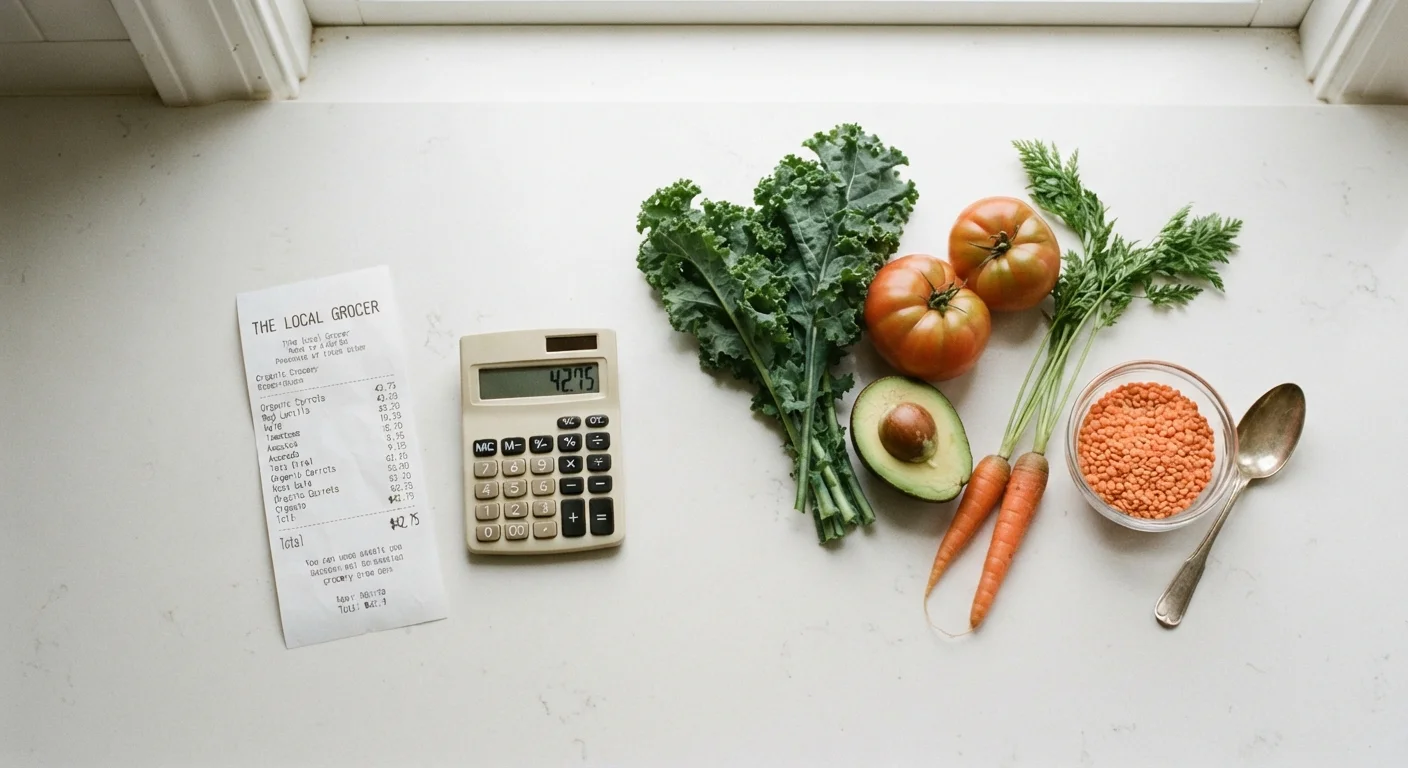
A bag of chips costs $3. A bag of dried lentils also costs around $2-$3. Those prices look similar on a shelf, but the comparison ends there. The chips yield roughly 6 to 8 servings of near-zero protein and fiber. The lentils yield 10 or more servings packed with protein, iron, and folate. That gap is what price-per-nutrient analysis is designed to expose.
Most people shop by total package price or cost per ounce - neither metric accounts for what you actually get nutritionally. Cost per serving is a better starting point, but cost per gram of protein or fiber goes even further for health-focused budget shoppers.
This distinction matters because ultra-processed foods are engineered for palatability, not satiety or nutrition. Low satiety means you eat more - and spend more - to feel full, adding a hidden cost that never appears on the price tag.
Head-to-Head: Key Food Categories
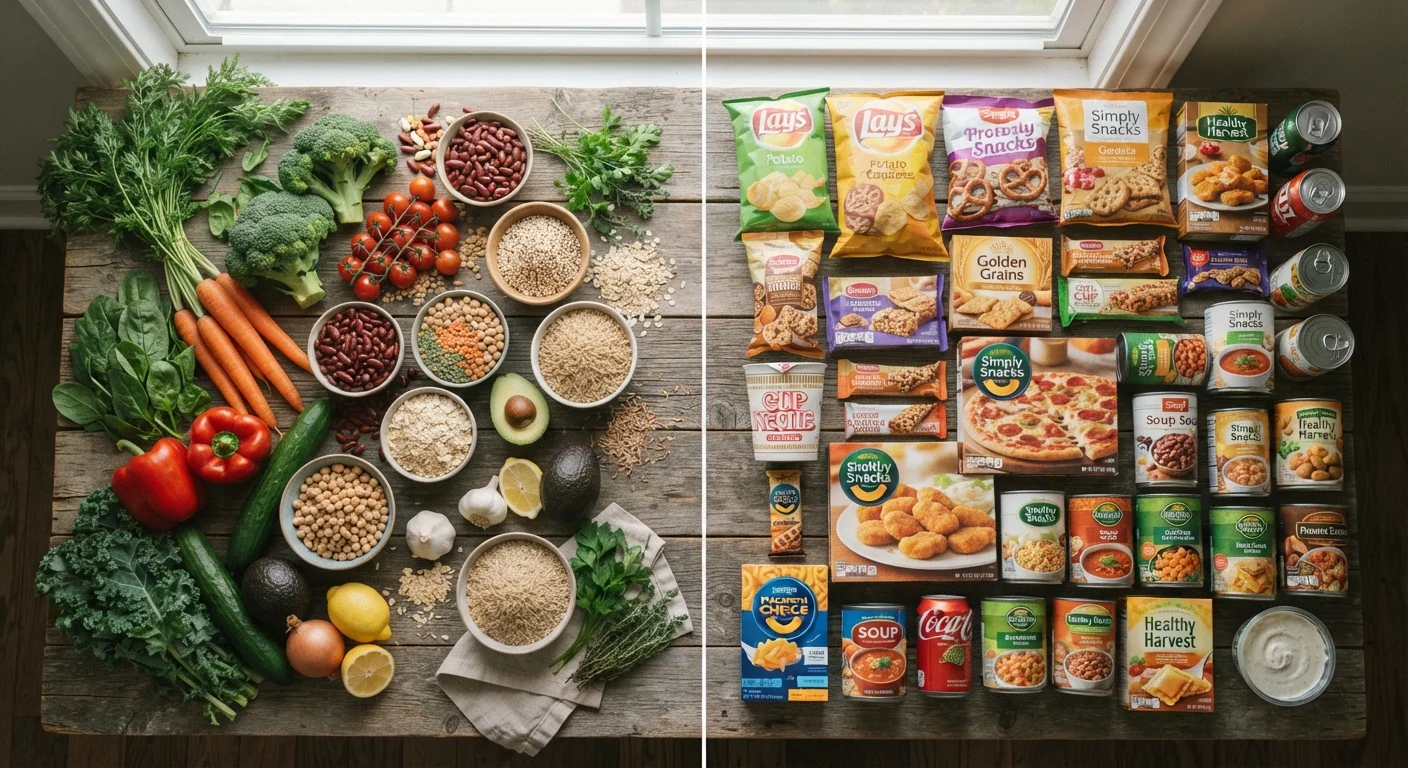
Comparing common whole foods against their processed counterparts across protein, fiber, and micronutrient content per dollar reveals consistent patterns - though with some genuine surprises.
| Criterion | Whole Food | Processed Alternative |
|---|---|---|
| Example item | Rolled oats (bulk) | Sweetened packaged cereal |
| Approx. cost per serving | ~$0.15 | ~$0.60-$0.80 |
| Protein per serving | ~5g | ~2-3g |
| Fiber per serving | ~4-5g | ~1-2g |
| Added sugar | None | Often 10-15g |
| Shelf life | 12-24 months | 6-12 months |
| Prep required | 5-10 minutes | None (pour and eat) |
| Satiety score (general) | High | Low to moderate |
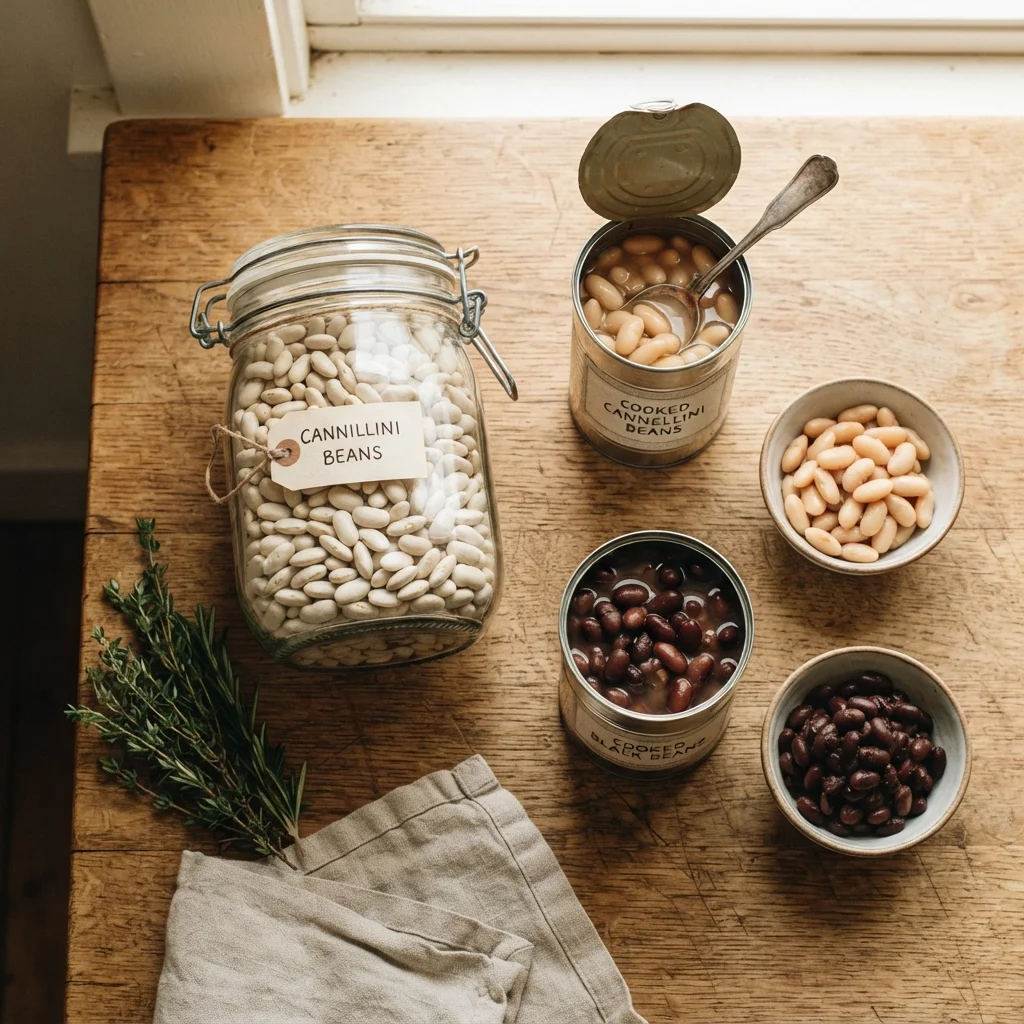
Oats vs. packaged breakfast cereal is one of the starkest examples. A standard canister of rolled oats can cost under $0.15 per serving and delivers 5 grams of fiber and 5 grams of protein. A name-brand sweetened cereal often costs $0.50-$0.80 per serving with a fraction of the fiber. Similarly, dried black beans cost roughly $0.20-$0.30 per cooked serving versus canned refried beans at $0.50-$0.70, with less sodium and more flexibility. For more detail on that specific comparison, see dried vs. canned beans.
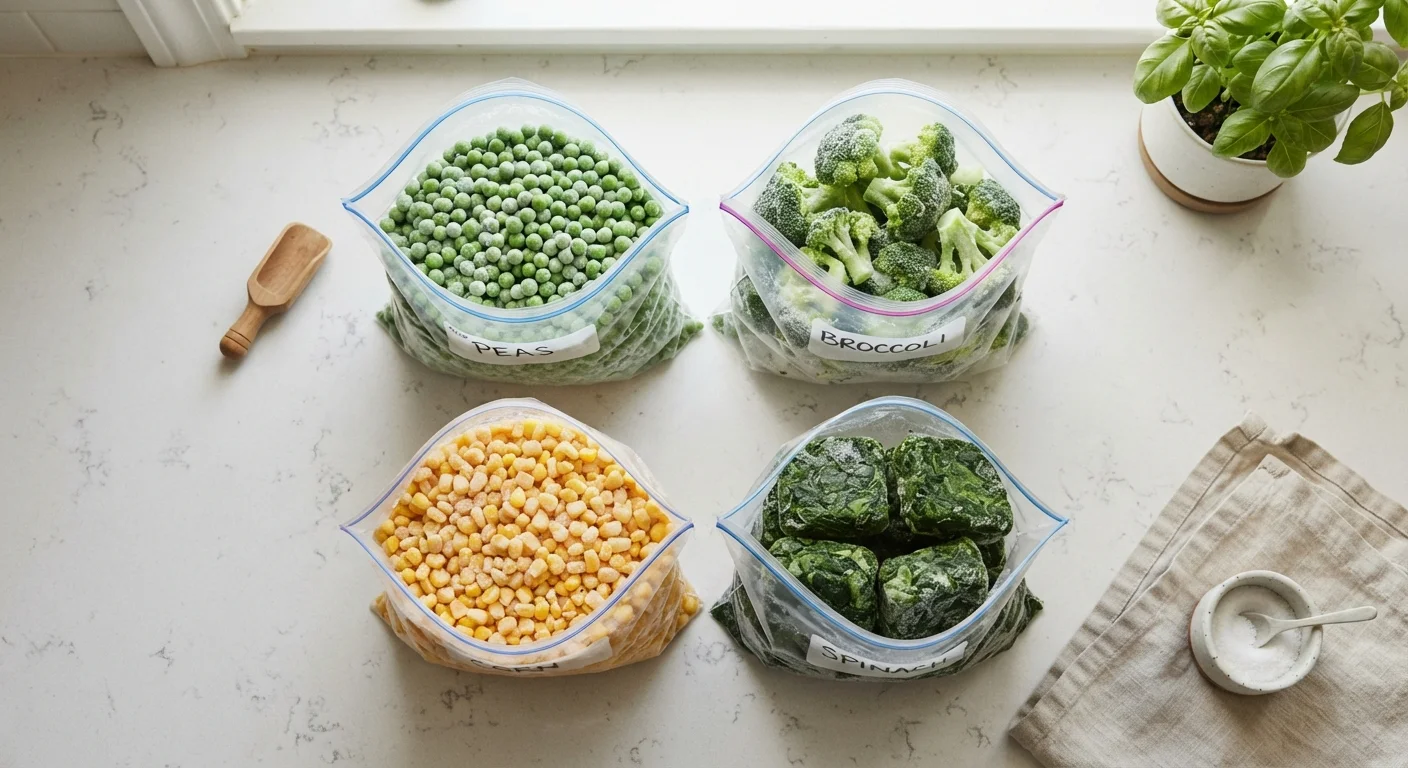
The surprise? Canned sardines and tuna consistently rank among the cheapest sources of complete protein available - often cheaper per gram of protein than chicken breast. Frozen plain vegetables match or beat fresh produce on nutrition while cutting waste and cost. Frozen vegetables are flash-frozen at peak ripeness, preserving most nutrients.
Where Processed Foods Actually Hold Their Own
Framing all processed food as nutritionally worthless is inaccurate - and unhelpful for budget shoppers who need realistic options. The term "processed" covers a wide spectrum, from minimally processed (canned tomatoes, frozen edamame, plain yogurt) to ultra-processed (packaged snack cakes, flavored chips, instant noodles with flavor packets).
"Processed" Is Not One Thing
Food scientists often use a spectrum called the NOVA classification to categorize foods from minimally processed (frozen vegetables, canned legumes) to ultra-processed (packaged snack foods, instant noodles). When research links processed food to negative health outcomes, it typically refers to the ultra-processed end of that spectrum - not canned tomatoes or plain frozen edamame. Keeping this distinction in mind helps you make smarter trade-offs rather than avoiding all convenience foods reflexively.
Minimally processed staples earn their place in a budget kitchen on several grounds. Canned fish provides omega-3 fatty acids and complete protein with zero prep. Plain frozen meals without heavy sauces can be nutritionally reasonable. Canned pumpkin, plain nut butters, and low-sodium canned beans all deliver real nutrition at low cost with long shelf lives that reduce food waste - a genuine budget concern.
The category to treat skeptically is ultra-processed food heavy in added sugar, sodium, and refined carbohydrates. These items often cost more per serving than whole food alternatives once you account for serving size distortion and low satiety. They are also linked in research to higher overall calorie intake, which has downstream health implications.
Building a Budget Strategy That Uses Both Wisely
A practical grocery approach for budget-conscious shoppers isn't a binary choice between whole foods and processed foods. It's about identifying which processed options genuinely earn their cost and which whole food staples deliver outsized nutritional value.
High-value whole food anchors to prioritize: dried legumes, rolled oats, eggs, whole grains like brown rice or barley, and seasonal produce. Seasonal produce dramatically reduces the cost-per-serving of vegetables and fruit while often providing better nutritional quality than out-of-season alternatives shipped long distances.
Processed items worth keeping: canned fish, plain frozen vegetables, low-sodium canned beans and tomatoes, plain Greek yogurt, and natural nut butters. These add convenience without gutting nutritional value.
Items to limit not just for health reasons but for budget reasons: single-serve packaged snacks, flavored instant noodles, sugary breakfast cereals, and pre-made frozen entrees with heavy sauces. These routinely deliver the worst cost-per-nutrient ratios in the grocery store.
Understanding value vs. sticker price applies just as much to food as to any other purchase. For a broader framework on evaluating whether something is genuinely worth buying, the value vs. price approach translates directly to grocery decisions.
This article provides general nutrition and budgeting information for educational purposes only. It is not a substitute for personalized advice from a qualified healthcare professional or registered dietitian. Individual nutritional needs vary - consult a professional for guidance specific to your health situation.