
The Freezer Aisle Deserves More Credit
Most budget-conscious shoppers walk past the freezer aisle without a second thought, convinced that fresh produce is always the nutritionally superior choice. The evidence tells a more nuanced story - and for anyone trying to eat well on a tight grocery budget, understanding that story is genuinely useful.
Frozen vegetables are picked at peak ripeness and flash-frozen within hours, locking in vitamins and minerals before degradation can set in. Fresh vegetables, by contrast, may spend days or even weeks in transit, storage, and on store shelves before they reach your plate. That time gap matters nutritionally more than most people realize.
As we cover in our overview of budget-friendly healthy eating, many of the assumptions that make healthy eating feel expensive don't hold up under scrutiny. Frozen vegetables are one of the clearest examples.
Myth
Frozen vegetables are nutritionally inferior to fresh because the freezing process destroys vitamins.
Fact
Blanching before freezing causes minor nutrient loss, but frozen vegetables often retain more vitamins than 'fresh' produce that has been stored for several days.
Research published in peer-reviewed nutrition journals has consistently found that frozen vegetables are nutritionally comparable - and sometimes superior - to fresh equivalents purchased at a typical grocery store. The key variable is time: nutrients like vitamin C and folate degrade during transport and storage. Flash-freezing slows that process dramatically. A vegetable frozen within hours of harvest will often outperform one that spent a week in cold-chain logistics before reaching your plate.
Myth
Frozen vegetables are a processed food and should be treated like junk food.
Fact
Plain frozen vegetables - those with no added ingredients - are minimally processed whole foods and are not nutritionally comparable to ultra-processed packaged products.
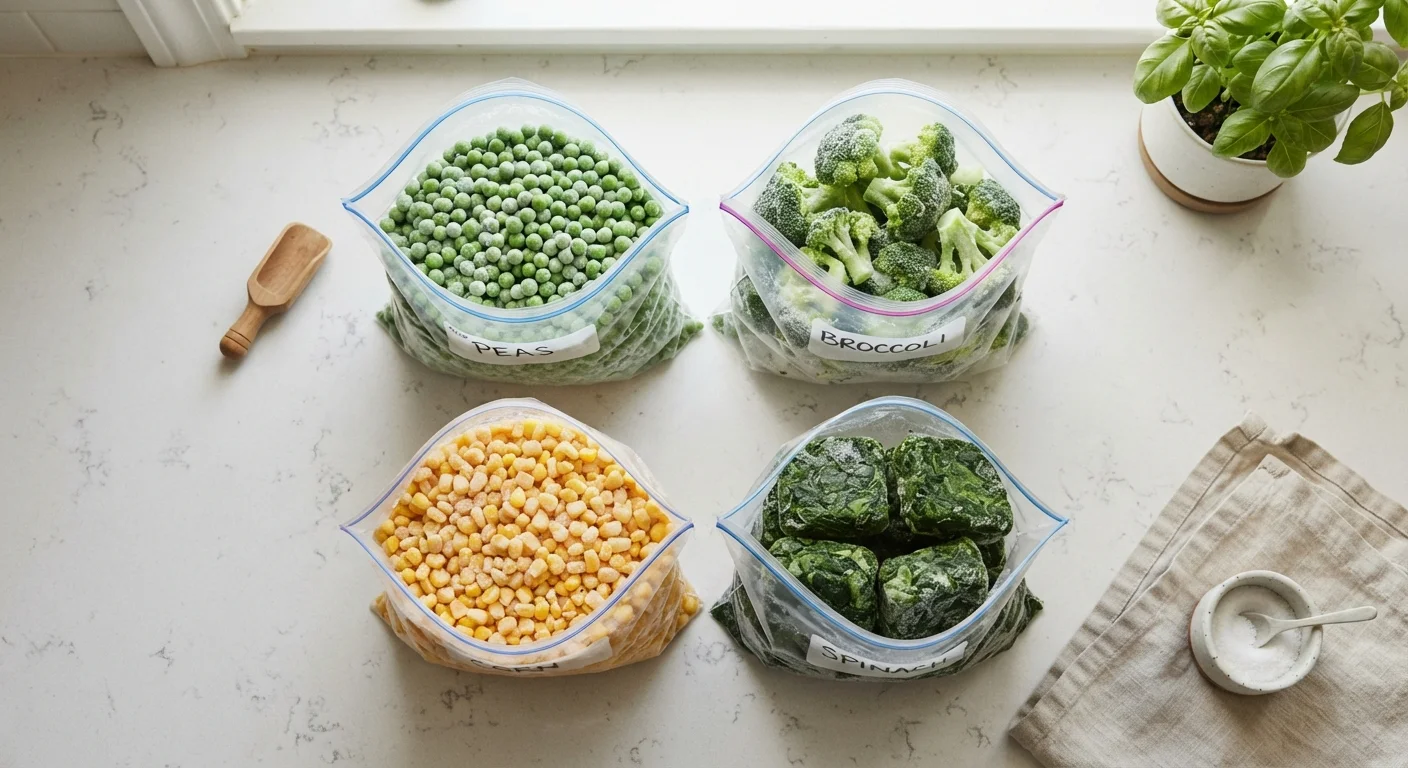
The term 'processed' covers a wide spectrum. Freezing is a preservation method, not a transformation. Plain frozen peas, corn, or broccoli contain the same plant material as fresh - no artificial additives, no refined sugars, no preservatives. The concern about processed foods applies primarily to products with lengthy ingredient lists. If you're comparing frozen vegetables with no added ingredients to fresh ones, you're comparing two forms of the same whole food.
Myth
Fresh vegetables always taste better than frozen, so frozen isn't worth cooking with.
Fact
Texture and taste differences depend on the vegetable and cooking method - frozen often performs identically or better in cooked applications.
For raw preparations, fresh usually wins on texture. But for cooked dishes - soups, stews, stir-fries, roasted grain bowls, pasta - frozen vegetables perform just as well and sometimes better, since they've already been blanched. Vegetables like peas, corn, edamame, and spinach are widely considered equally good or better from frozen in most home-cooking applications. Texture-sensitive vegetables like asparagus or zucchini may fare worse when frozen, but that's a category-specific consideration, not a blanket rule.
Myth
Buying fresh vegetables is always more economical if you shop at discount grocery stores.
Fact
Out-of-season fresh vegetables at any store typically cost more per usable serving than frozen equivalents, once spoilage is factored in.
Sticker price doesn't account for waste. If half a bag of fresh spinach wilts before you use it, the effective cost per serving doubles. Frozen vegetables have a months-long freezer life, so the usable-yield math consistently favors them - especially for vegetables you don't use in large quantities at once. For a comparable deep-dive on cost-per-serving logic, see our article on dried vs. canned beans, which applies the same framework to another pantry staple.
Myth
Frozen vegetables with added sauces or seasonings are a convenient upgrade at little nutritional cost.
Fact
Pre-sauced frozen vegetable products often contain significant added sodium, saturated fat, and calories that plain frozen vegetables do not.
The budget and health case for frozen vegetables rests specifically on plain, single-ingredient options. Products labeled 'steam-in-bag with cheese sauce' or 'seasoned blend' are different products entirely - typically with 300-600mg of sodium per serving and added fats that shift the nutritional profile considerably. These products also cost more per ounce than plain frozen. Buying plain frozen and seasoning at home gives you full control over cost and nutrition.
What the Numbers Actually Say About Cost
Price comparisons between fresh and frozen vary by season, region, and vegetable type - but frozen consistently offers strong value. Out-of-season fresh vegetables can cost two to three times more per serving than their frozen counterparts. Even in-season, frozen versions are usually competitive once you factor in shelf life and usable yield.
30-50%
Average cost savings vs. fresh, out of season
General pricing comparisons across U.S. grocery data consistently show frozen vegetables at a significant discount to out-of-season fresh equivalents.
~40%
Of fresh produce bought in U.S. homes is wasted
According to USDA estimates, a substantial share of fresh produce purchased by U.S. households is never eaten - a hidden cost that frozen storage avoids.
12+ months
Typical freezer shelf life for plain frozen vegetables
USDA food safety guidelines indicate most plain frozen vegetables maintain quality for 8-12 months when stored at 0°F, versus days for fresh.
Waste is a hidden cost that favors frozen produce heavily. A bunch of fresh spinach may wilt before you finish it; a bag of frozen spinach keeps for months. The connection between food waste and grocery spending is real - whatever you throw out is money lost.
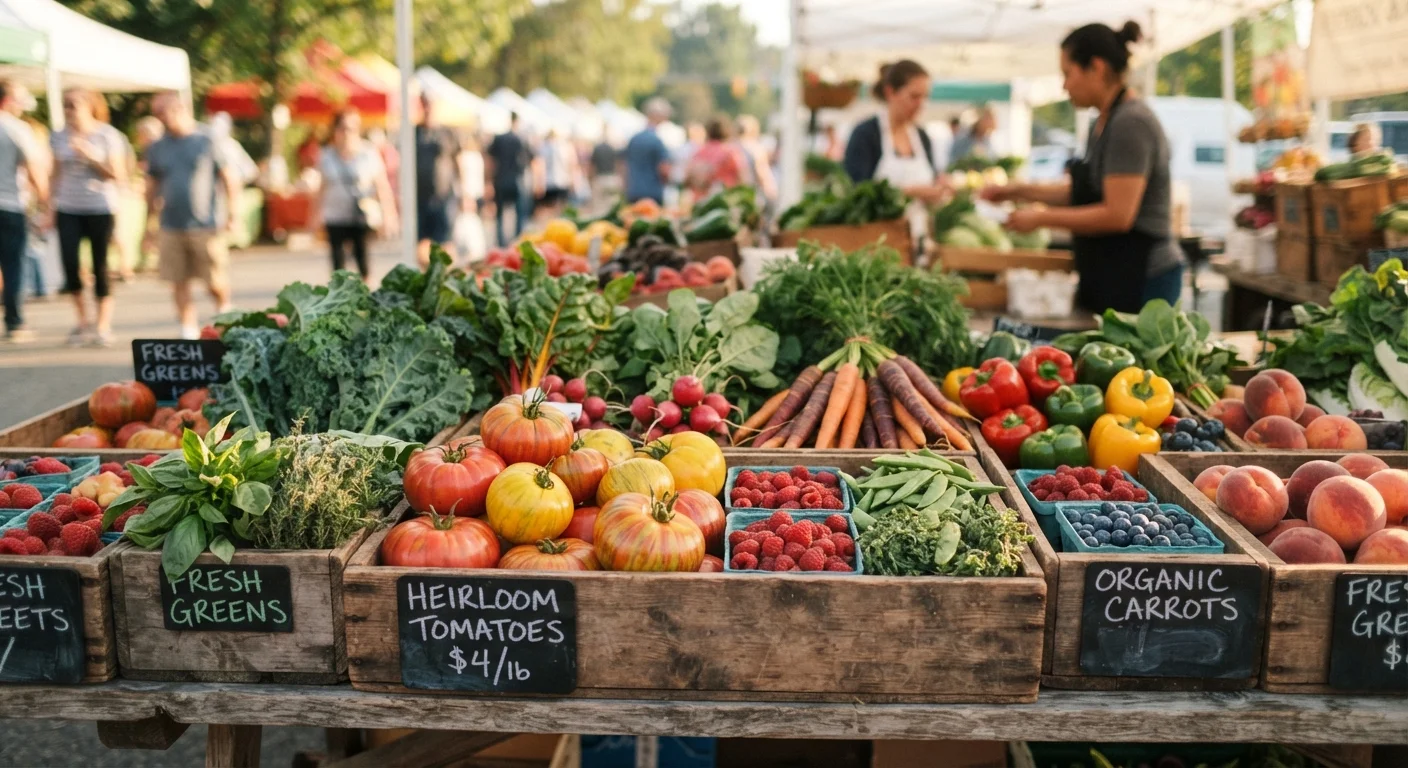
That said, frozen isn't always the answer. When seasonal produce is abundant locally, fresh can match or beat frozen on both price and flavor. See our guide on seasonal produce and your grocery bill for how to make the most of those windows.
Watch for Hidden Sodium in Frozen Blends
Some frozen vegetable products - particularly those marketed as 'seasoned,' 'steam-ready,' or 'with sauce' - can contain 400-700mg of sodium per serving. Always check the ingredient list before buying. Plain frozen vegetables should list only the vegetable itself, with no added salt or sauces. This matters especially for anyone monitoring sodium intake; consult a healthcare provider if you have specific dietary restrictions.
Practical Guidance: When to Choose Which
No single format wins every situation. Here's a practical breakdown:
- Choose frozen when buying out-of-season vegetables, cooking soups, stews, stir-fries, or casseroles, or when you can't commit to using fresh produce within a few days.
- Choose fresh when you need a specific texture (e.g., raw salads, crudités), when local seasonal produce is at its cheapest, or when same-day freshness matters for the dish.
- Check labels on frozen - plain frozen vegetables should have one ingredient. Avoid bags with added sauces, salt, or cheese blends, which add cost and unnecessary sodium.
For a broader look at how different food formats compare on cost and nutrition, our article on whole foods vs. processed foods by price per nutrient is worth reading alongside this one.
This article is for general informational purposes only and is not a substitute for professional dietary or medical advice. Consult a registered dietitian or healthcare provider for guidance specific to your health needs.