
Why Sleep Is a Mental Health Issue
Most people understand that a bad night's sleep leaves them irritable. What's less widely appreciated is that this isn't just a matter of feeling grumpy - it reflects real, measurable changes in how the brain processes emotion, stress, and threat. Sleep is when the brain consolidates memories, clears metabolic waste, and resets the neural circuits that govern mood. Shortchange that process consistently, and emotional regulation degrades in predictable ways.
The relationship goes further than feeling tired. Studies in sleep science have shown that people deprived of adequate sleep show amplified responses to negative stimuli and reduced ability to access positive emotional memories. In practical terms: a sleep-deprived brain is biased toward threat, anxiety, and low mood. This isn't a character flaw - it's neurobiology.
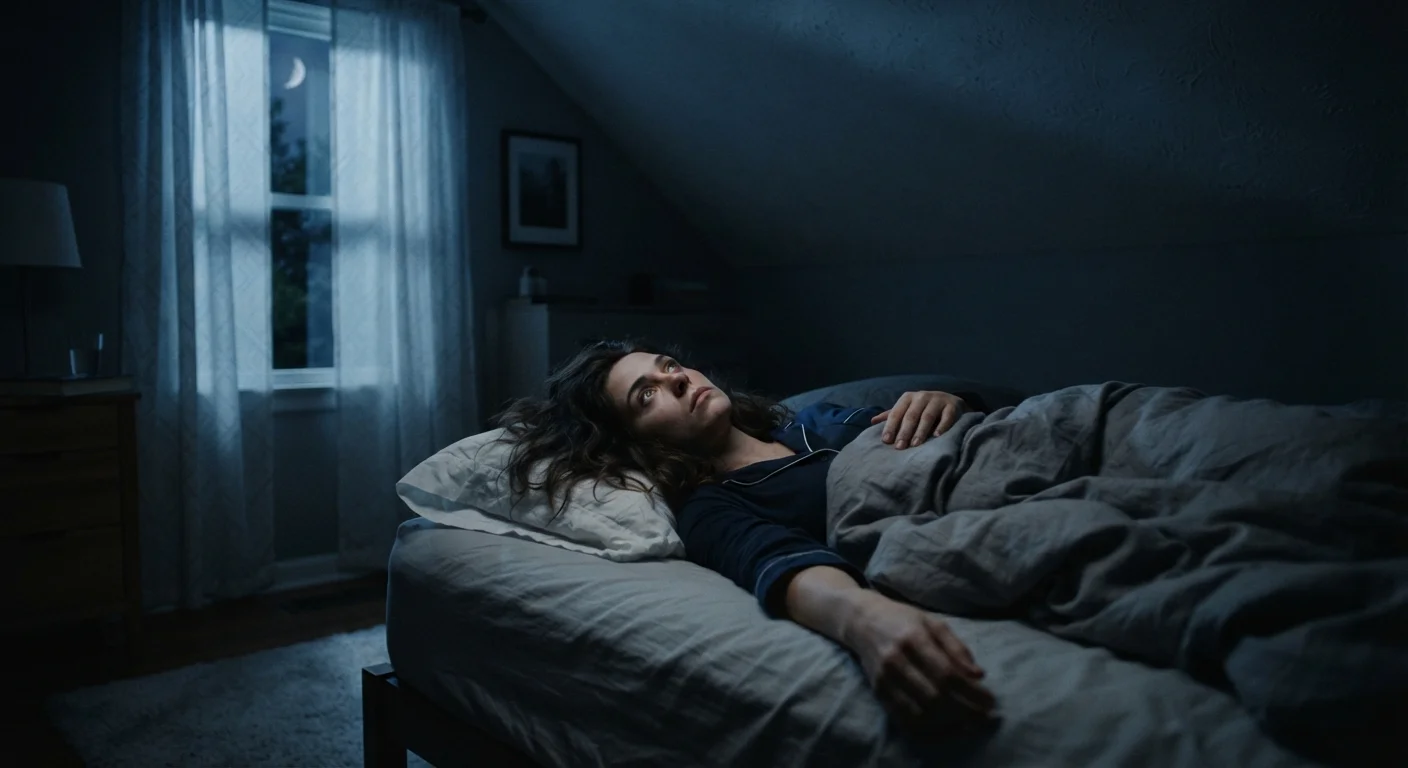
What makes this especially important for anyone already dealing with mental health challenges is that the relationship is bidirectional. Anxiety makes it harder to fall asleep. Depression alters sleep architecture, often causing early waking or excessive sleeping. Stress elevates cortisol, a hormone that signals alertness - exactly what you don't want at 11 p.m. The result is a reinforcing loop that can be genuinely difficult to exit without understanding what's driving it.
Sleep Problems Can Be Symptoms, Not Just Causes
It's important not to assume that poor sleep is always the starting point. For many people, untreated anxiety or depression is the primary driver of sleep disruption. Treating only the sleep issue without addressing the underlying mental health condition often produces limited results. If you're unsure which came first, a healthcare professional can help you figure out the most useful entry point.
What the Cycle Actually Looks Like
Understanding the cycle in concrete terms makes it easier to see where to intervene. Here's a common pattern: financial or work stress → racing thoughts at bedtime → delayed sleep onset → fewer total hours of sleep → impaired emotional regulation the next day → heightened stress response → repeat. Each element feeds the next.
For people dealing with financial anxiety, this pattern is especially familiar. Money stress is one of the most common reported causes of sleep disruption in the US, and the cognitive hyperarousal it produces - the mind running through worst-case scenarios - is a direct physiological barrier to sleep onset.
1 in 3
US adults not getting enough sleep
The CDC has reported that approximately one-third of American adults regularly sleep fewer than the recommended 7 hours per night.
~75%
People with depression reporting sleep problems
Research published in peer-reviewed sleep medicine literature consistently finds that the majority of people diagnosed with depression experience significant sleep disturbances.
5-6 hrs
Caffeine half-life in most adults
Pharmacological data indicates caffeine remains biologically active for several hours after consumption, with meaningful implications for evening sleep onset.
It's also worth noting that sleep problems can manifest differently depending on the underlying issue. Anxiety typically causes difficulty falling asleep. Depression more often causes early-morning waking or hypersomnia (sleeping too much but still feeling unrefreshed). Recognizing which pattern applies can inform what kind of support is most appropriate.
Low-Cost Strategies That Actually Work
The good news: some of the most evidence-supported interventions for improving sleep cost nothing. Consistency is the cornerstone. Going to bed and waking at the same time every day - yes, including weekends - reinforces the body's circadian rhythm and improves both sleep onset and quality over time. This alone can make a meaningful difference within a few weeks.
Other zero-cost approaches with solid research backing include:
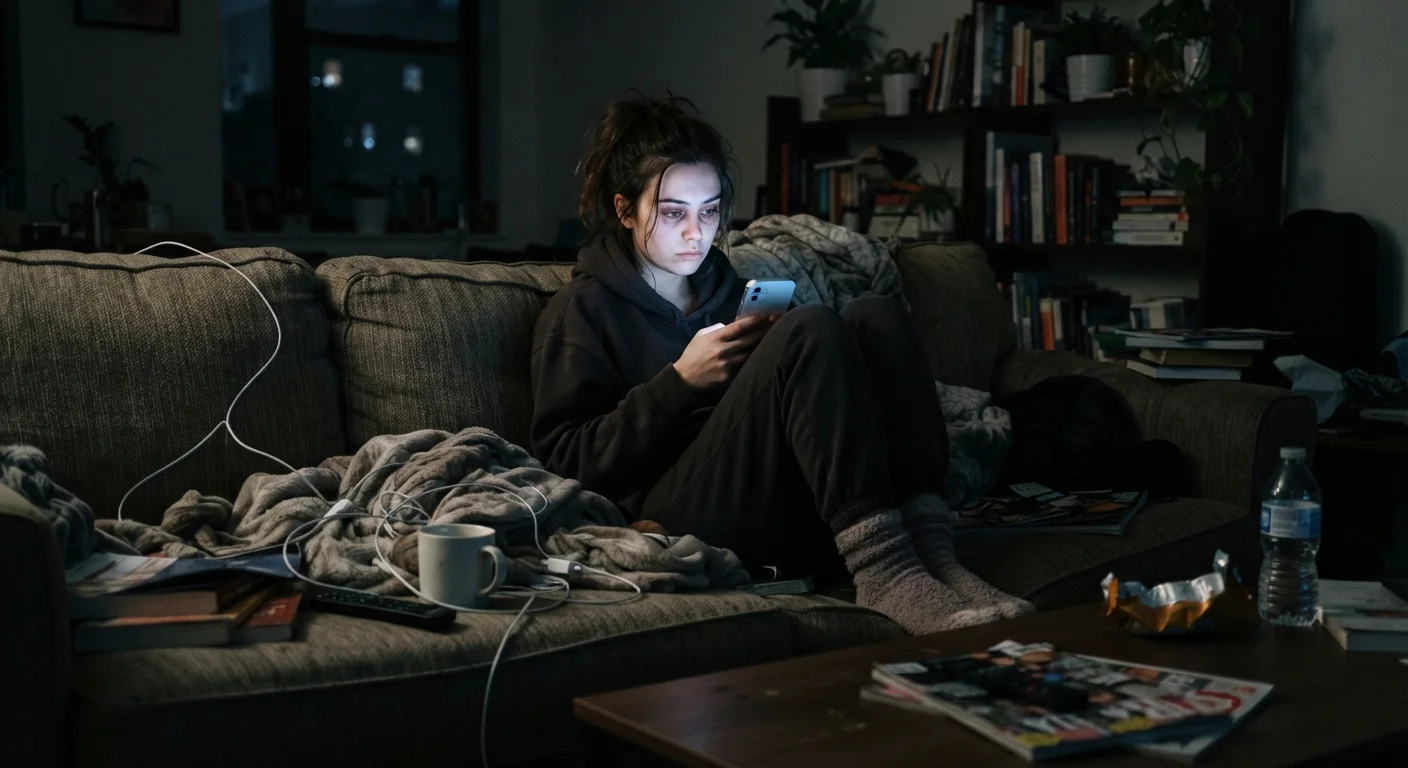
- Reducing light exposure before bed: Blue-spectrum light from screens suppresses melatonin production. Dimming screens or enabling night mode 60-90 minutes before sleep is a practical adjustment.
- Managing caffeine timing: Caffeine has a half-life of roughly 5-6 hours in most adults. Cutting off intake after early afternoon reduces its interference with sleep onset.
- Keeping the bedroom cool: Core body temperature naturally drops during sleep. A cooler room - generally around 65-68°F - supports this process.
- Wind-down routines: Predictable pre-sleep sequences help signal the nervous system that sleep is approaching. This doesn't require expensive products - a consistent 20-minute routine of reading, light stretching, or quiet activity is enough.
Cognitive behavioral therapy for insomnia (CBT-I) is considered a first-line treatment for chronic insomnia by sleep medicine specialists. While working with a therapist involves cost, there are structured CBT-I workbooks and some publicly available digital programs that make this approach more accessible. See our guide to building a mental wellness routine on a budget for related free and low-cost tools.
When to Seek Professional Support
Self-help strategies are valuable starting points, but they have limits. If sleep difficulties have persisted for more than a few weeks, are significantly affecting your ability to function at work or in relationships, or are accompanied by persistent low mood, hopelessness, or anxiety, those are signals to involve a qualified healthcare professional - not just try harder with sleep hygiene.
A primary care provider can rule out physical contributors (thyroid issues, sleep apnea, and certain medications all affect sleep), and can connect you to mental health support if needed. Community mental health centers, sliding-scale therapy providers, and federally qualified health centers (FQHCs) offer reduced-cost options for those without comprehensive insurance coverage.
Daily habits in other areas also compound sleep outcomes. Common patterns like doom-scrolling and social isolation can quietly degrade sleep quality over time - worth examining alongside sleep-specific changes. And if you're already building a recovery or rest plan, understanding what genuine rest and recovery look like can help you use time off more effectively.
This article provides general health information for educational purposes only and is not a substitute for professional medical or mental health advice. Always consult a qualified healthcare provider for concerns about your sleep or mental health.