
Why Wellness-Undermining Habits Are So Easy to Miss
Most habits that damage mental health don't announce themselves. They look like reasonable responses to stress - a late-night scroll to decompress, skipping a social invite because you're tired, or reaching for caffeine to push through an afternoon slump. The problem is that these behaviors tend to compound quietly, making it harder to connect the habit to how you feel weeks later.
For budget-conscious millennials navigating financial pressure, work instability, and a relentless news cycle, the stakes are especially real. Mental health struggles can ripple outward into spending decisions, productivity, and physical health - and the cycle between financial stress and emotional wellbeing is well documented. See how money worries and anxiety feed each other for a closer look at those mechanisms.
The good news: most of the habits covered here can be replaced with zero-cost alternatives. What's required isn't a wellness subscription - it's recognizing the pattern first.
The Most Common Habits That Quietly Drain Wellbeing
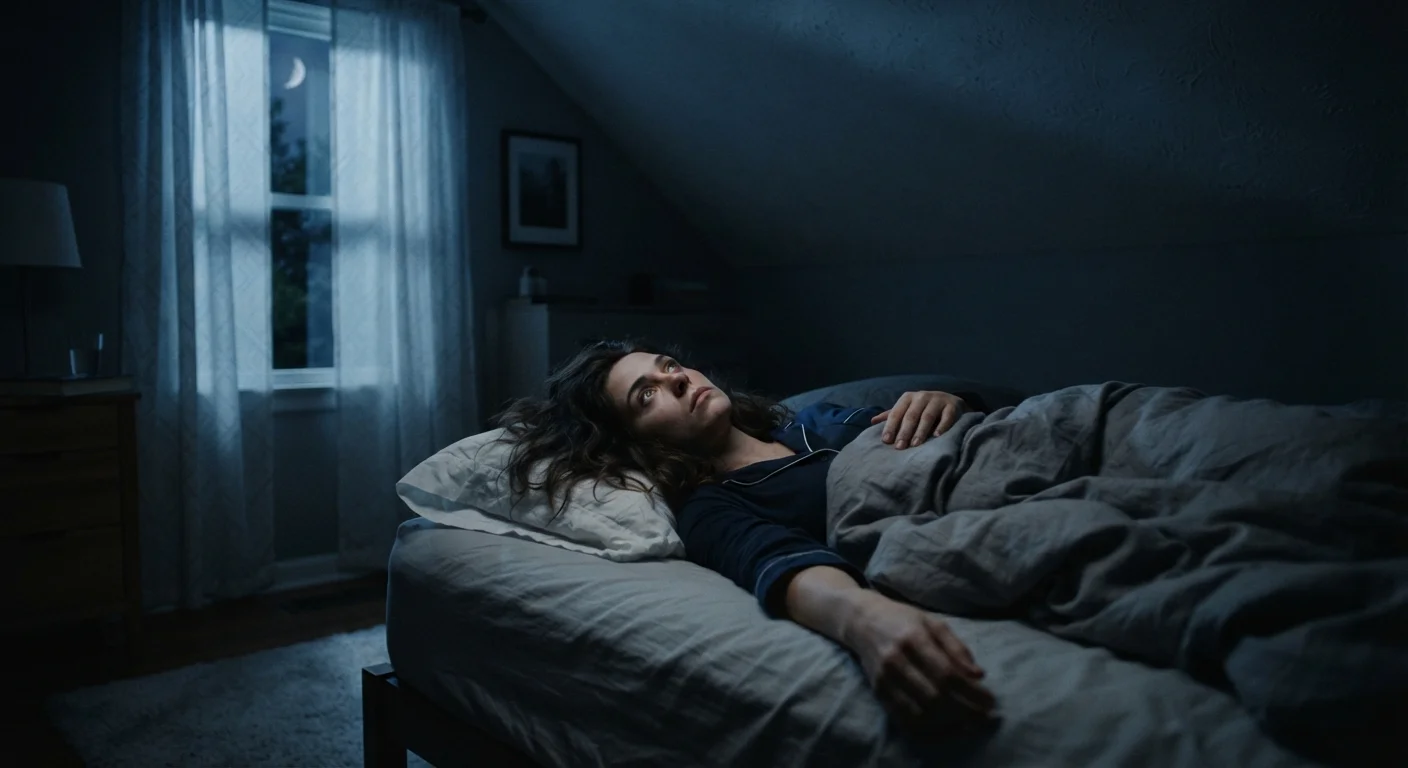
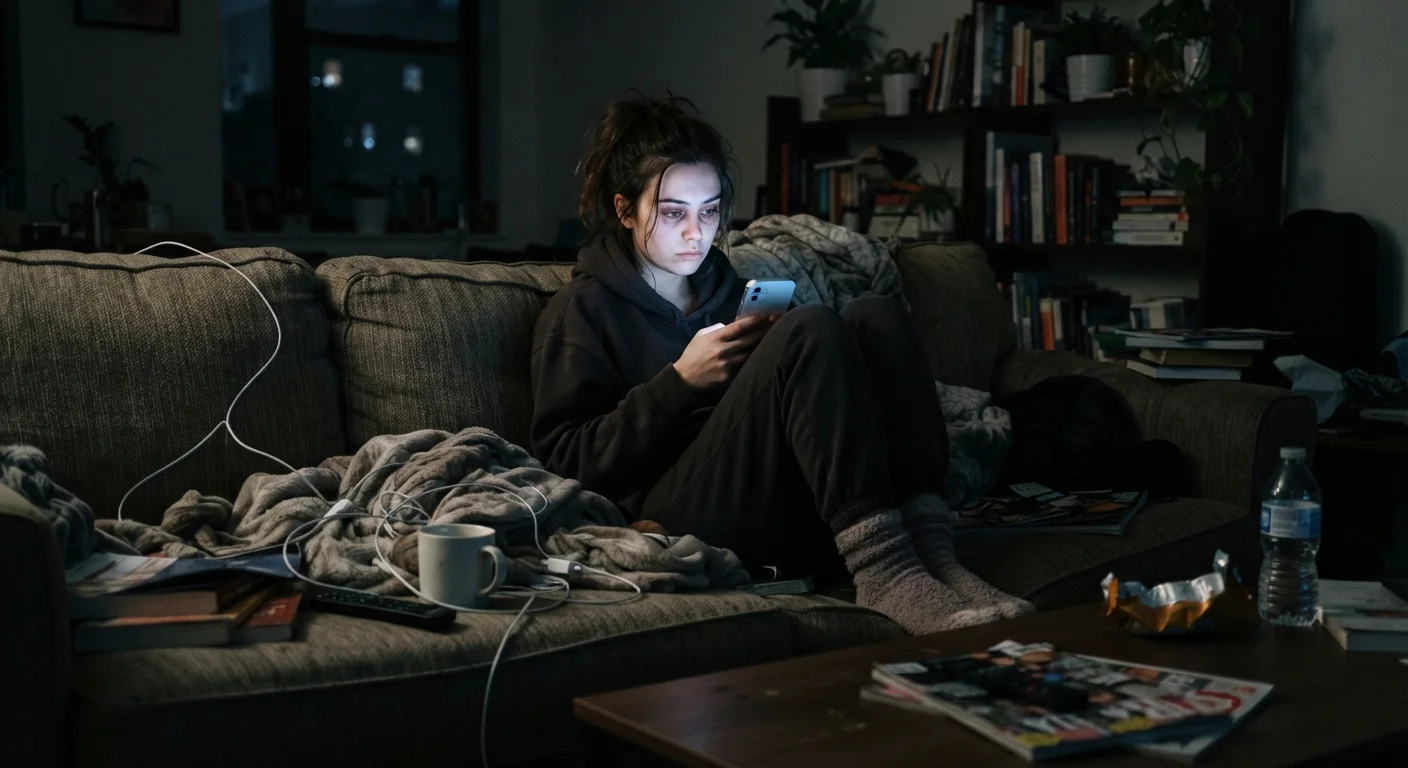
Doom-scrolling as a wind-down ritual before sleep.
Why it happens: Scrolling feels passive and low-effort, making it seem like rest. Algorithms are also designed to keep you engaged, so stopping is genuinely harder than it looks.
Keeping an irregular sleep schedule on weekends to 'catch up' on rest.
Why it happens: After a draining week, sleeping in feels earned. Most people don't realize that large swings in sleep timing disrupt the body's internal clock, making weekday fatigue worse - not better.
Withdrawing from social contact when feeling low or overwhelmed.
Why it happens: When energy is depleted, socializing feels like an additional demand. Isolation seems easier in the moment, but it tends to deepen the emotional dip it was meant to avoid.
Using alcohol or excess caffeine to manage mood or energy levels.
Why it happens: Both substances produce short-term effects that feel functional - caffeine sharpens alertness, alcohol reduces tension. The rebound effects on sleep, anxiety, and energy are delayed enough that the connection isn't always obvious.
Skipping physical movement during high-stress periods.
Why it happens: Exercise is often framed as optional self-care, so it's one of the first things dropped when schedules tighten. But stress is precisely when movement matters most for emotional regulation.
These aren't character flaws - they're understandable responses to difficult circumstances. But understanding why they happen makes them easier to interrupt. For a practical plan to build healthier routines without spending anything, see building a daily mental wellness routine on a shoestring budget.
What Actually Works - and What It Costs
~1 in 5
U.S. adults affected by mental illness annually
According to the National Alliance on Mental Illness (NAMI), approximately one in five U.S. adults experiences a mental illness in any given year.
7-9 hrs
Recommended nightly sleep for adults
The American Academy of Sleep Medicine and Sleep Research Society recommend seven to nine hours of nightly sleep for adults to support cognitive and emotional functioning.
150 min
Weekly moderate activity linked to mood benefits
The U.S. Department of Health and Human Services physical activity guidelines note that 150 minutes of moderate-intensity movement per week is associated with reduced symptoms of anxiety and depression.
The evidence-backed alternatives to these habits are almost uniformly low-cost: a consistent sleep schedule, brief daily outdoor exposure, deliberate social contact even in small doses, and reducing passive screen time in favor of active choices. None of these require a gym membership or a meditation app.
Sleep, in particular, deserves more attention than it usually gets. The relationship between poor sleep and declining mood is bidirectional - each worsens the other. Understanding that cycle is often the first step to breaking it, usually without spending anything.
It's also worth questioning common assumptions about what wellness requires. Several widely held mental wellness myths may actually be getting in the way of feeling better. And if self-directed strategies aren't enough, knowing when to seek professional help matters too.
This article is for general informational purposes only and is not a substitute for professional medical or mental health advice. If you are experiencing persistent or severe symptoms, please consult a qualified healthcare provider.