

What Free Self-Help Actually Covers
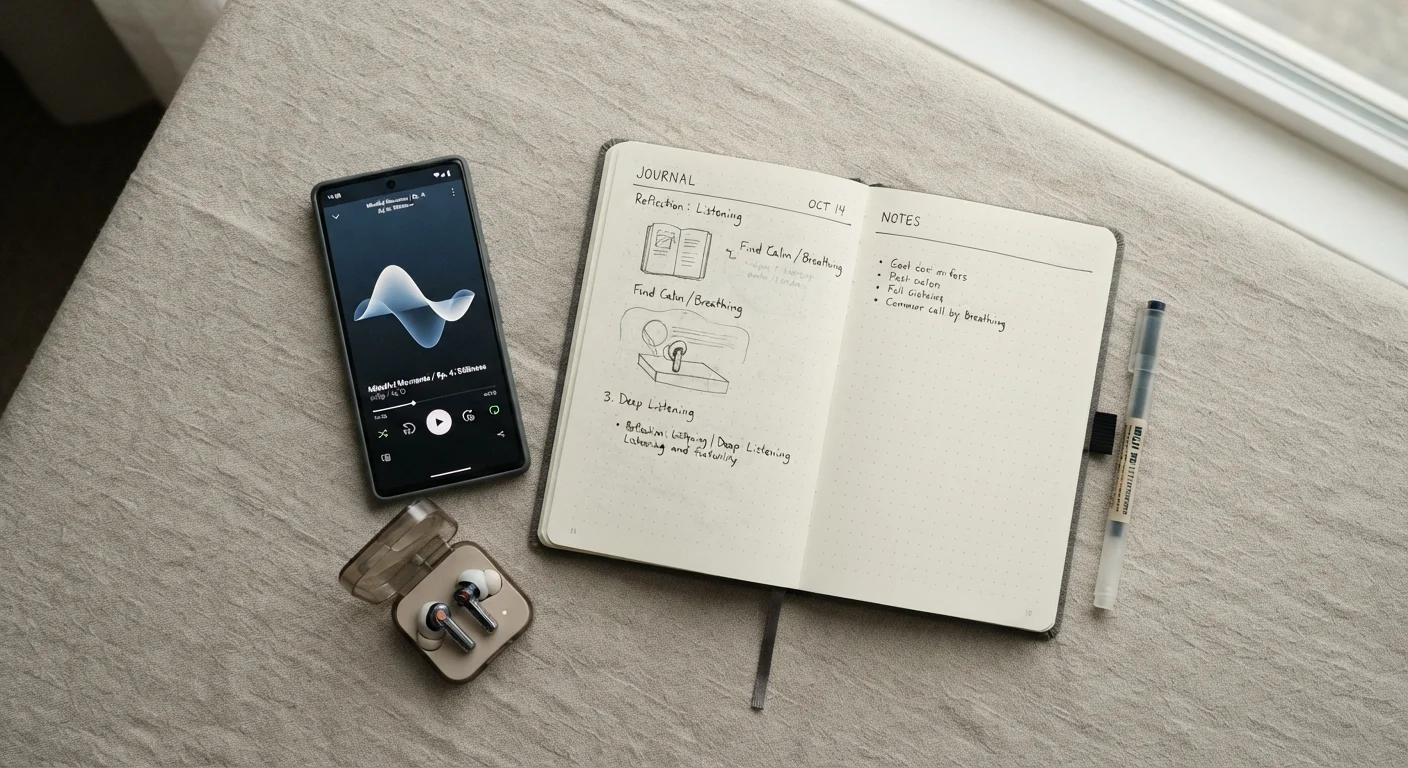
Self-directed mental wellness practices include a wide range of low- or no-cost habits: regular physical movement, consistent sleep schedules, journaling, mindfulness breathing, spending time outdoors, limiting alcohol, and maintaining social connection. These are not fringe ideas - most have a meaningful body of research behind them.
Exercise, for example, is associated with reductions in symptoms of mild-to-moderate depression and anxiety across multiple large studies. Sleep hygiene improvements can measurably affect mood and stress reactivity. Journaling has been shown in some research to help people process difficult emotions and reduce rumination over time.
If you want a structured starting point, our guide to building a daily mental wellness routine on a shoestring budget outlines specific habits without requiring any paid apps or gear.
Free self-help also includes accessing public library resources, using community peer-support groups, and leaning on trusted relationships. None of these cost money, and all of them have real value.
Start Small to Build the Habit
Research suggests that consistency matters more than intensity when building self-help practices. A ten-minute daily walk or five minutes of focused breathing done regularly tends to produce more lasting benefit than an intensive effort done once. Low-barrier entry points make it easier to stay consistent when motivation is low - which is exactly when the habit matters most.
Where Self-Help Has Real Limits
The honest answer is that self-help practices work well for a specific bandwidth of difficulty - roughly, the everyday end of the spectrum. When distress becomes persistent, intense, or starts interfering with work, relationships, or basic functioning, the calculus changes.
General guidance from mental health organizations suggests seeking professional evaluation when symptoms such as persistent low mood, anxiety, or sleep disruption last two weeks or more without improvement. Other signals include difficulty carrying out daily responsibilities, withdrawing from people you value, or using substances to cope. Any thoughts of self-harm or harming others require immediate professional contact - that is outside the scope of self-help entirely.
It is also worth naming a subtler limit: self-help tools do not provide diagnosis, and without knowing what you are actually dealing with, the wrong strategies can waste time or, in some cases, reinforce avoidance. A therapist or psychiatrist can identify what is actually happening and match interventions to the specific issue.
When to Seek Help Without Delay
If you are experiencing thoughts of suicide, self-harm, or harming others, do not rely on self-help tools. Contact the 988 Suicide and Crisis Lifeline (call or text 988 in the US) or go to your nearest emergency room. These situations require immediate professional support - waiting to see if self-care helps is not appropriate.
Our article on mental wellness myths that may be keeping you from feeling better addresses the common but inaccurate idea that therapy is only for serious illness - a belief that leads many people to wait longer than they should.
Comparing the Two Approaches Side by Side
Understanding what each approach offers - and where it falls short - makes it easier to match your situation to the right level of support.
| Free Self-Help | Professional Support | |
|---|---|---|
| Cost | Free or near-zero | Variable; sliding-scale options exist |
| Accessibility | Available immediately, any time | Requires scheduling; waitlists possible |
| Best suited for | Mild stress, everyday mood dips | Persistent or severe symptoms |
| Personalization | Self-guided; no tailoring to diagnosis | Tailored to individual needs and diagnosis |
| Diagnosis capability | None | Can identify specific conditions |
| Crisis support | Not appropriate | Essential; 988 Lifeline is free |
| Long-term skill building | Yes, through consistent habits | Yes, with structured therapeutic techniques |
One practical note: free and professional support are not mutually exclusive. Many therapists actively encourage clients to maintain self-care habits between sessions, and self-directed practices can extend and reinforce the work done in therapy. If you are curious about how mindfulness tools specifically stack up, see our look at meditation apps vs. free guided audio for a grounded comparison.
Navigating the Cost Barrier to Professional Help
For budget-conscious millennials, the biggest obstacle to professional support is usually not willingness - it is cost. Therapy is expensive without insurance, and even with coverage, copays add up. This is a legitimate barrier, not an excuse.
Several options reduce that barrier meaningfully. Community mental health centers typically offer sliding-scale fees based on income. Federally Qualified Health Centers (FQHCs) provide behavioral health services regardless of ability to pay. University training clinics offer supervised therapy at reduced rates. Some employers provide Employee Assistance Programs (EAPs) with free short-term sessions - worth checking your benefits if you have them.
Crisis lines are free and available around the clock. The 988 Suicide and Crisis Lifeline (call or text 988 in the US) connects callers with trained counselors at no cost.
The takeaway: cost should not be the deciding factor between seeking help and not seeking it. If you are unsure whether your situation warrants professional support, a single evaluation appointment is a reasonable first step - not a long-term commitment.
This article provides general mental wellness information for educational purposes only and is not a substitute for professional medical or mental health advice, diagnosis, or treatment. Always consult a qualified healthcare professional about your specific circumstances.