
What Each Option Actually Gives You
Paid meditation apps typically bundle guided sessions, multi-week courses, sleep content, and habit-tracking dashboards behind a monthly or annual subscription. The pitch is convenience and progression - everything in one place, designed to move you from beginner to consistent practitioner.
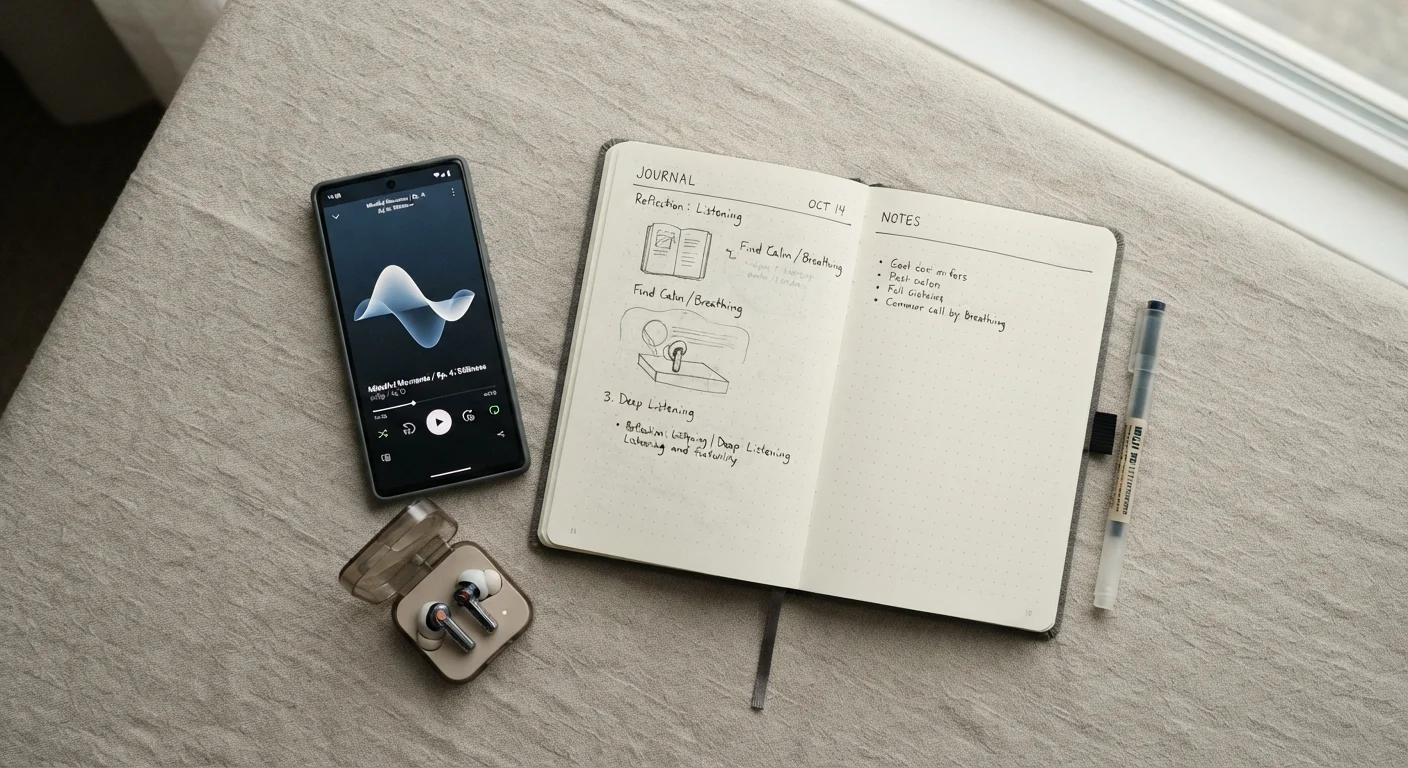
Free guided audio spans a wider range of sources: YouTube channels run by certified mindfulness instructors, podcast series from universities and public broadcasters, audio libraries through apps like Spotify or your local library's digital platform, and archives from nonprofit meditation centers. Quality varies, but so does it on paid platforms.
The honest structural difference is curation vs. cost. Paid apps do the organizing work for you. Free audio puts that responsibility on you - but also puts the money back in your pocket.
| Criterion | Paid Meditation Apps | Free Guided Audio |
|---|---|---|
| Cost | $50-$100/year typical | $0 |
| Content variety | Broad, curated library | Broad, but self-curated |
| Structured courses | Yes, multi-week programs | Limited; series vary by source |
| Habit tracking | Built-in streaks and stats | Not available |
| Sleep and focus content | Dedicated, polished sections | Available, quality varies |
| Offline access | Yes, with subscription | Depends on platform |
| Commitment required | Subscription lock-in risk | None |
| Teacher variety | Curated roster | Wide and diverse |
Where Free Audio Genuinely Holds Its Own
The case for free guided audio is stronger than many assume. University mindfulness programs, public media organizations, and established meditation teachers have released extensive libraries at no charge. For a beginner learning breath awareness or a body scan, a well-recorded free session is functionally identical to a paid one.
If you're starting mindfulness from scratch, the core techniques - focused breathing, open awareness, guided visualization - don't require premium delivery. What they require is your attention and repetition. Both are free.
Free audio also lets you sample different teacher voices and styles without commitment, which matters because research consistently suggests that finding a teacher whose style resonates with you improves follow-through.
~$70
Typical annual paid meditation app cost
Most major meditation platforms price annual plans between $50 and $100, with monthly options often running $13-$15.
14%
U.S. adults who meditate regularly
According to the CDC's National Health Interview Survey, around 14% of U.S. adults reported meditating in the past 12 months as of recent survey cycles.
8 weeks
Common duration for structured MBSR programs
Mindfulness-Based Stress Reduction (MBSR), a widely studied format, is typically delivered as an 8-week course - a structure some paid apps mirror.
Where Paid Apps Add Real Value
Paid platforms earn their subscription fee in specific situations. If you've tried meditating informally and abandoned it, the structured progression of a multi-week course - with check-ins and small skill-builds each session - can provide a framework that loose free content doesn't replicate easily.
Habit-tracking features are another genuine differentiator. Seeing a streak or a weekly summary creates a feedback loop that some people find genuinely motivating, not gimmicky. Sleep-specific content is also more consistently available and polished on paid platforms.
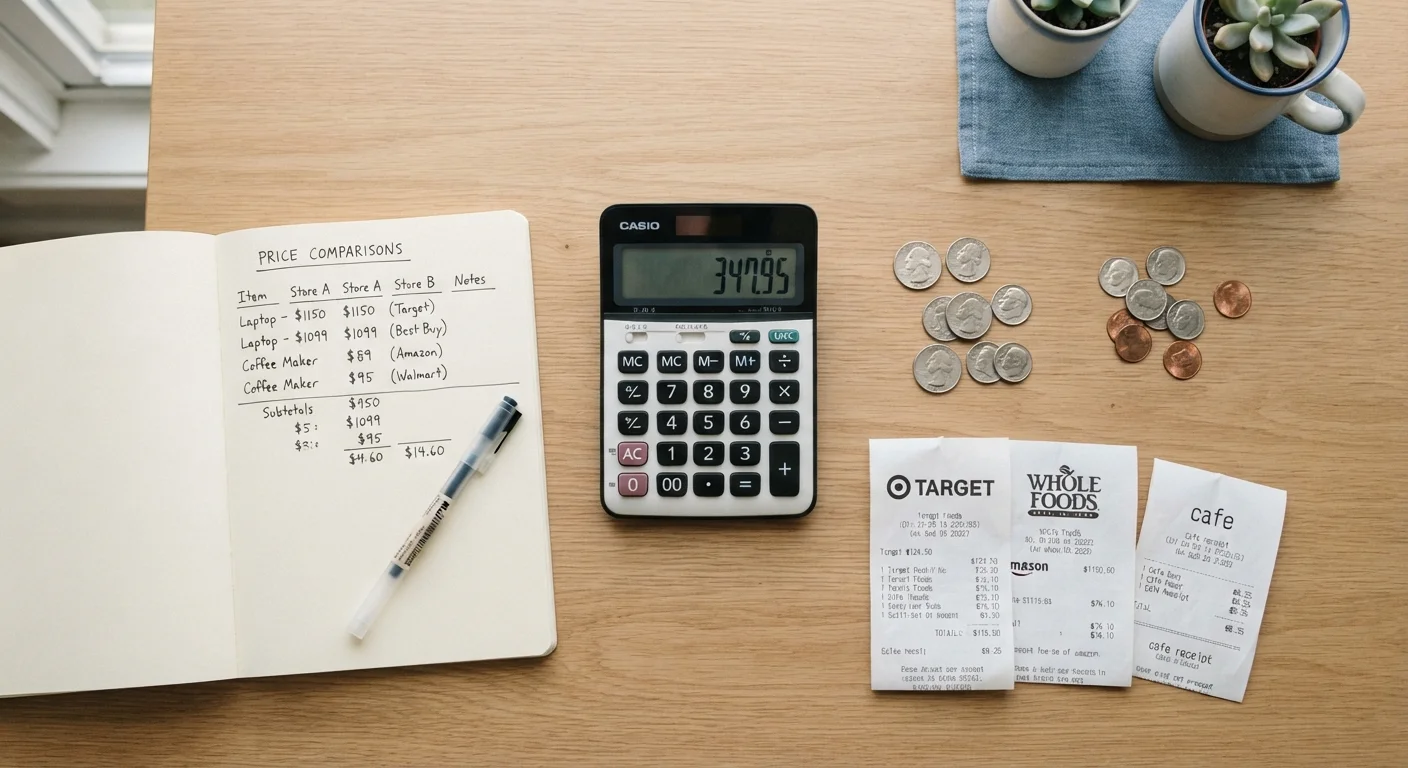
That said, it's worth applying the kind of cost-value thinking laid out in our guide to smarter spending decisions. A $70/year subscription you use three times delivers poor value. One you open daily does not. The app is only as good as the habit it supports.
Also worth knowing: most major paid platforms offer a free tier or a 7-14 day trial. Using the trial period fully before committing is straightforward financial prudence.
Making a Decision That Fits Your Reality
The clearest decision rule: start free, upgrade only if a specific friction point makes you quit. If you abandon free audio because you can't find sessions or feel lost without structure, that's a legitimate case for a paid trial. If free audio is working, there's no objective reason to pay.
It's also worth acknowledging that free self-help tools have real limits. Neither paid apps nor free audio replace professional mental health support for people managing clinical anxiety, depression, or trauma. This article addresses general wellness practice, not treatment.
For building a sustainable, budget-friendly mental wellness habit across the year, see our seasonal mental wellness framework - it shows how free tools can anchor a year-round practice without recurring costs.
This article is for general informational purposes only and does not constitute medical or mental health advice. If you are experiencing significant mental health concerns, please consult a qualified healthcare professional.