
Know Before You Start: Renter vs. Owner Repairs
The first question to ask before picking up any tool isn't "How do I fix this?" - it's "Am I allowed to fix this?" For renters, most leases distinguish between cosmetic fixes (patching a small nail hole, replacing a lightbulb) and structural or mechanical repairs that are the landlord's responsibility. Attempting unauthorized repairs can void your lease protections or cost you your security deposit.
As a general rule, renters can safely handle:
- Replacing burned-out lightbulbs and standard fuse types
- Unclogging drains using a plunger or basic drain snake
- Patching small wall holes (under ¼ inch) with spackling compound
- Tightening loose cabinet hinges or door handles
Homeowners have more latitude but still face code and permit requirements for work that affects plumbing mains, electrical panels, gas lines, or load-bearing structures. Always check local building codes before starting anything beyond surface-level repairs.
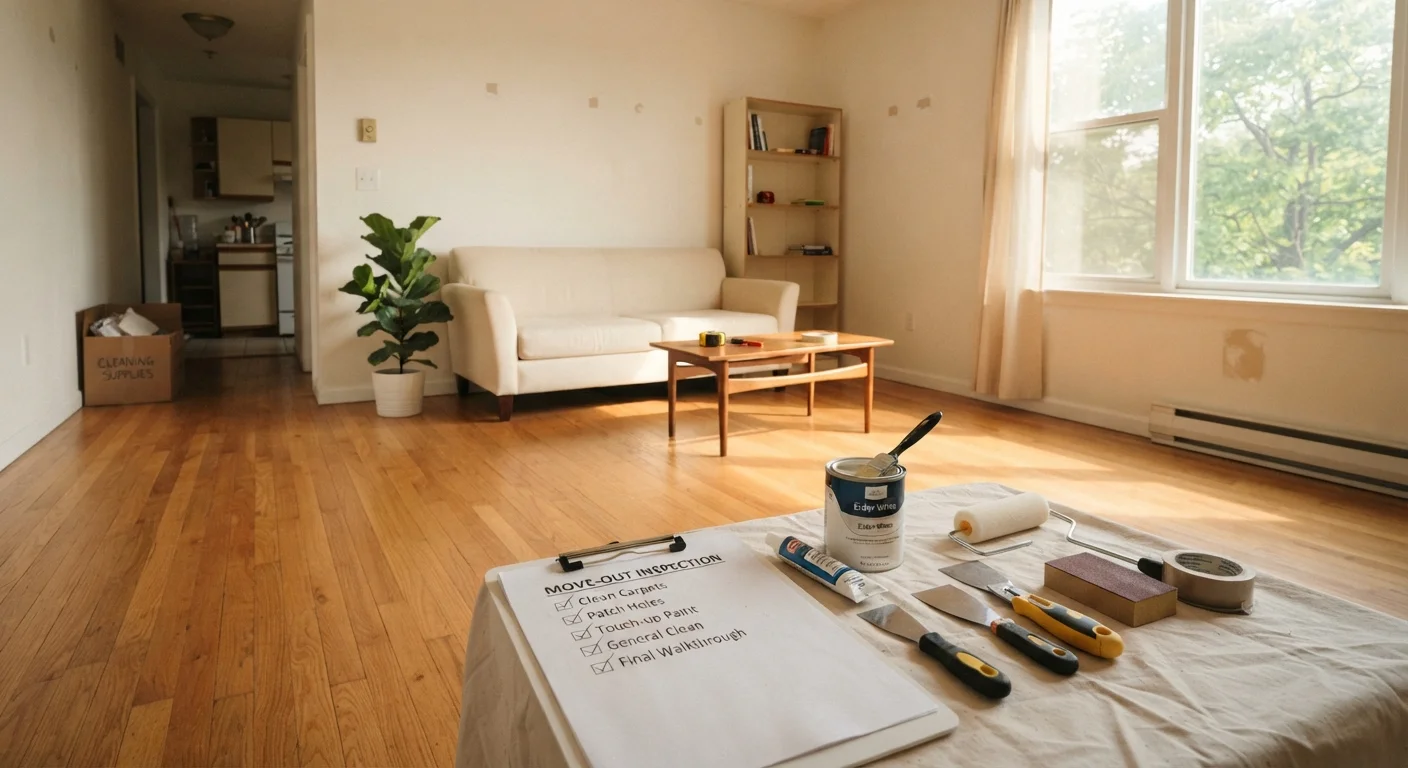
If you're approaching a move-out, the end-of-lease repair checklist is a practical resource for identifying exactly what to address - and what to leave for your landlord.
Renters: Read Your Lease First
Many leases explicitly prohibit tenants from making repairs beyond minor cosmetic touch-ups, even when the fix seems trivial. Unauthorized repairs - however well-intentioned - can be classified as property damage, resulting in deductions from your security deposit or lease violations. When in doubt, submit a written maintenance request to your landlord and keep a copy for your records.
Your First Toolkit: What You Actually Need
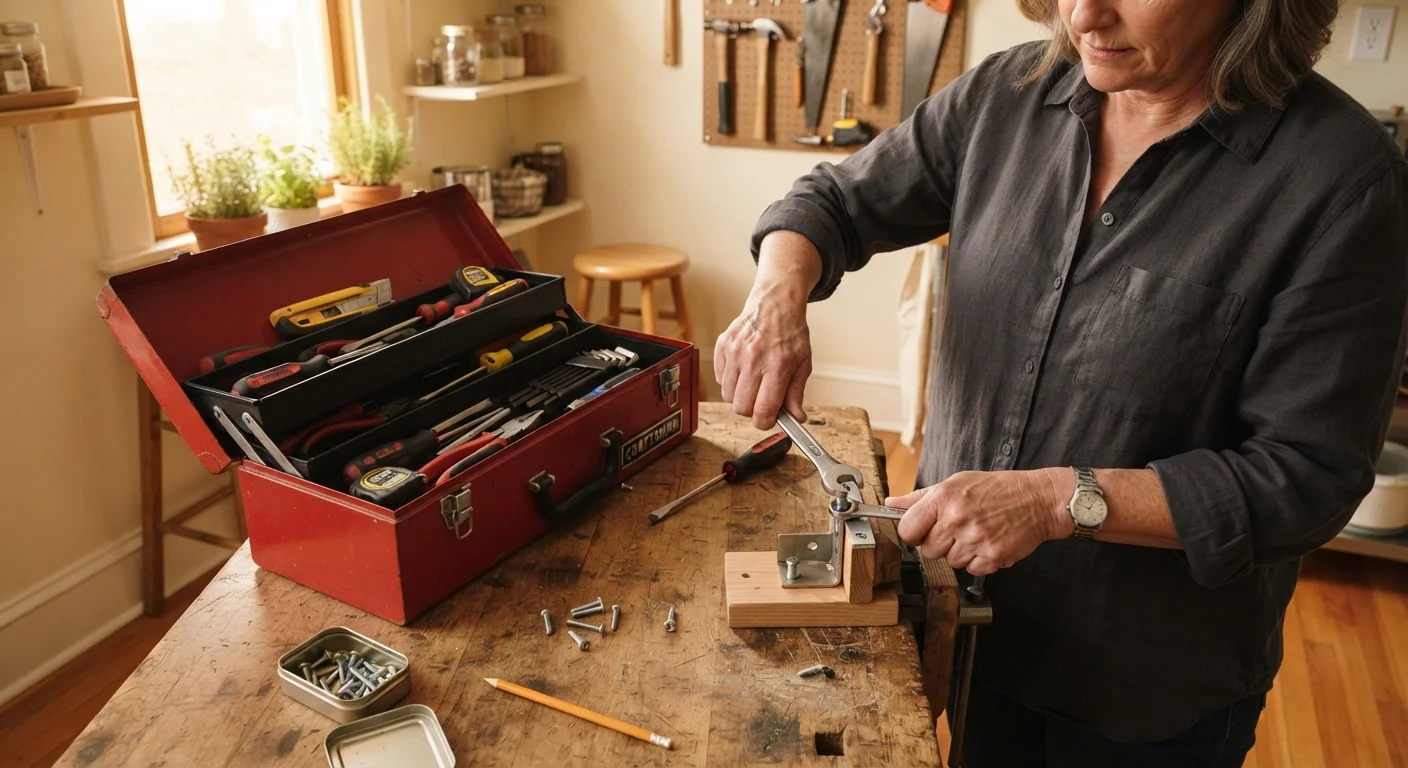
You don't need a garage full of equipment to handle most household repairs. A focused starter kit keeps costs low and avoids the paralysis of too many unfamiliar tools.
Core 10-piece starter kit:
- Claw hammer - for driving and pulling nails
- Flathead and Phillips screwdrivers (at least two sizes each)
- Adjustable wrench - handles most nut and bolt sizes
- Needle-nose pliers - for gripping in tight spaces
- Utility knife - cutting drywall, caulk, packaging
- Tape measure (25-foot) - a must for any fitting or hanging job
- Level - even a short bubble level prevents crooked shelves
- Cordless drill/driver - the single most versatile power tool for beginners
- Putty knife - for applying and smoothing spackling or caulk
- Flashlight or headlamp - essential for working inside walls, under sinks, or in tight spaces
Buy your first cordless drill with a mid-range battery voltage (12V-18V) rather than a cheap corded model. The convenience of going cordless removes a major friction point that causes beginners to skip small repairs entirely.
Friction is the enemy of follow-through. A tool that's immediately usable from any spot in the home gets used - and each use compounds your skill.
Before starting any repair, take a photo of the original condition. This gives you a reference point if something goes wrong, and proof of the issue if you need to escalate to a landlord or contractor.
Documentation protects you legally and practically, especially in rental situations where disputes over pre-existing damage are common.
Store tools in a dedicated bag or small box so they're easy to locate. Spending ten minutes searching for a screwdriver is one of the most common reasons small repairs get delayed indefinitely.
The Five Most Common Beginner-Friendly Repairs
These repairs are low-risk, require minimal tools, and deliver immediate, visible results - exactly what you need to build momentum.
1. Patching Small Drywall Holes
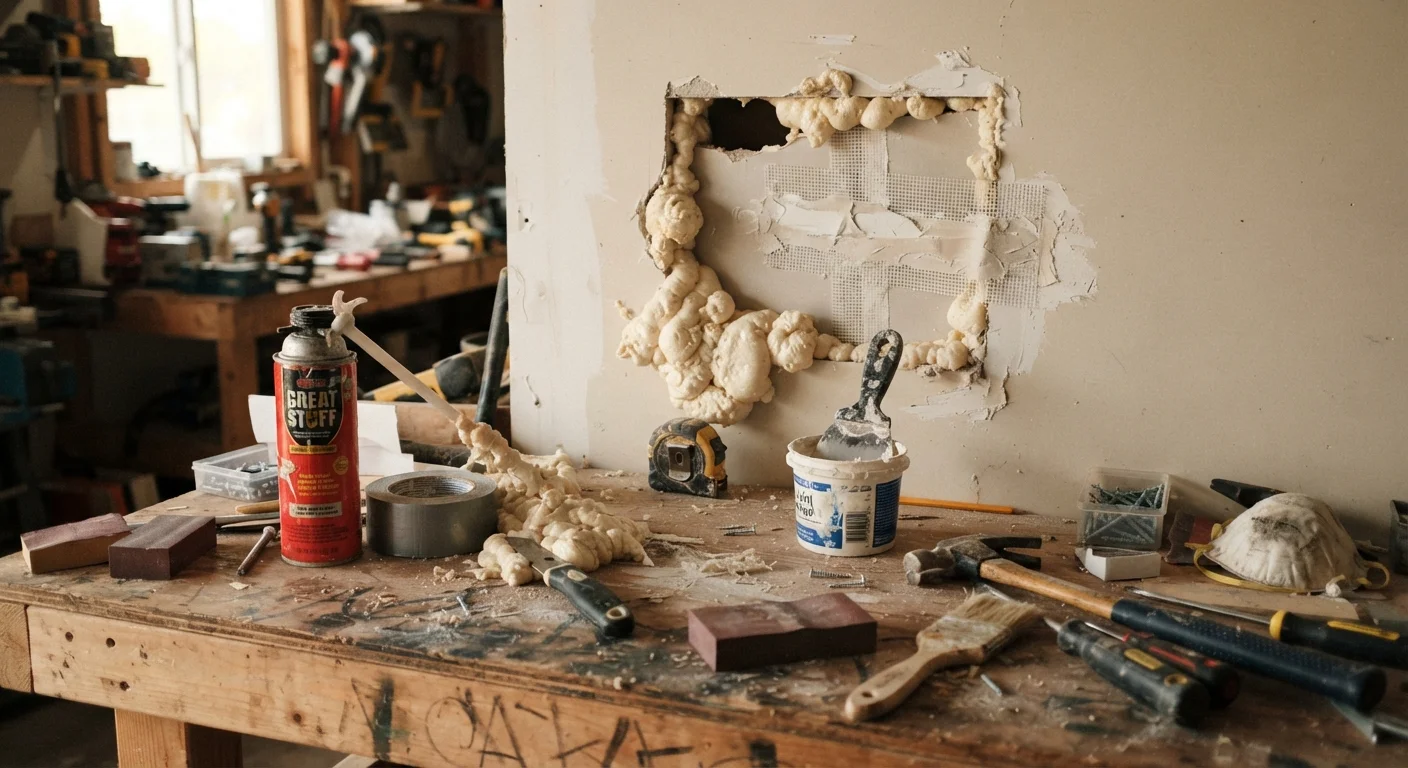
Small holes from nails or screws can be filled with lightweight spackling compound, smoothed with a putty knife, and painted over once dry. Holes up to about 4 inches typically use a self-adhesive mesh patch plus joint compound. Sand lightly between coats.
2. Fixing a Running Toilet
A constantly running toilet usually means a worn flapper valve - a small rubber seal inside the tank. Replacement flappers are inexpensive and require no special skills. Turn off the water supply valve behind the toilet, flush to drain the tank, swap the flapper, and turn the water back on. The entire process typically takes under 30 minutes.
3. Re-caulking a Tub or Sink
Cracked or mildewed caulk around tubs and sinks allows moisture into walls, leading to far more expensive damage. Score and peel out the old caulk with a utility knife, clean and dry the surface thoroughly, then apply a bead of silicone or latex caulk designed for bathrooms. Smooth with a wet finger or caulk tool.
4. Unclogging Drains Without Chemicals
A cup plunger (flat-bottomed) handles most sink and tub clogs effectively. For hair-based clogs, a basic plastic drain snake (also called a hair clog remover) works better than liquid drain cleaners, which can damage pipes over time.
5. Hanging Shelves and Frames Securely
Use a stud finder to locate wall studs before driving screws for heavy loads. For lighter items on drywall, toggle bolts or wall anchors rated for the item's weight provide a secure hold. Always use a level to confirm alignment before committing the final screws.
Be aware that popular shortcuts often backfire - for a deeper look, common DIY repair myths covers exactly what not to do.
~$2,000
Average annual home maintenance cost for US homeowners
The National Association of Home Builders estimates annual maintenance runs roughly 1-2% of a home's purchase price, often exceeding $2,000 for median-priced homes.
35%
Of renters unaware of which repairs are their responsibility
Industry surveys consistently find a significant share of renters are unclear on the boundary between landlord obligations and tenant responsibilities under standard lease terms.
Under $150
Cost to assemble a complete beginner toolkit
A functional 10-piece starter set - including a cordless drill - can generally be assembled for under $150 when purchased from general hardware retailers.
When to Stop and Call a Professional
Part of being a capable DIYer is knowing which jobs are outside the safe DIY boundary. The following categories almost always require a licensed professional in the US:
- Electrical panel work - adding circuits, replacing breakers, or any work inside the main panel carries serious electrocution and fire risk. Most jurisdictions require a licensed electrician.
- Gas lines - any work involving gas supply lines, connectors, or appliances requires a licensed plumber or gas technician. Gas leaks can be fatal.
- Load-bearing structural work - removing or modifying walls, beams, or supports requires a structural engineer's assessment and typically a permit.
- Main sewer line or water main repairs - these affect neighbors and municipal systems and usually require licensed plumbers.
- Roof replacement - beyond replacing a handful of shingles in a safe, easily accessible location, full roof work involves significant fall risk and code requirements.
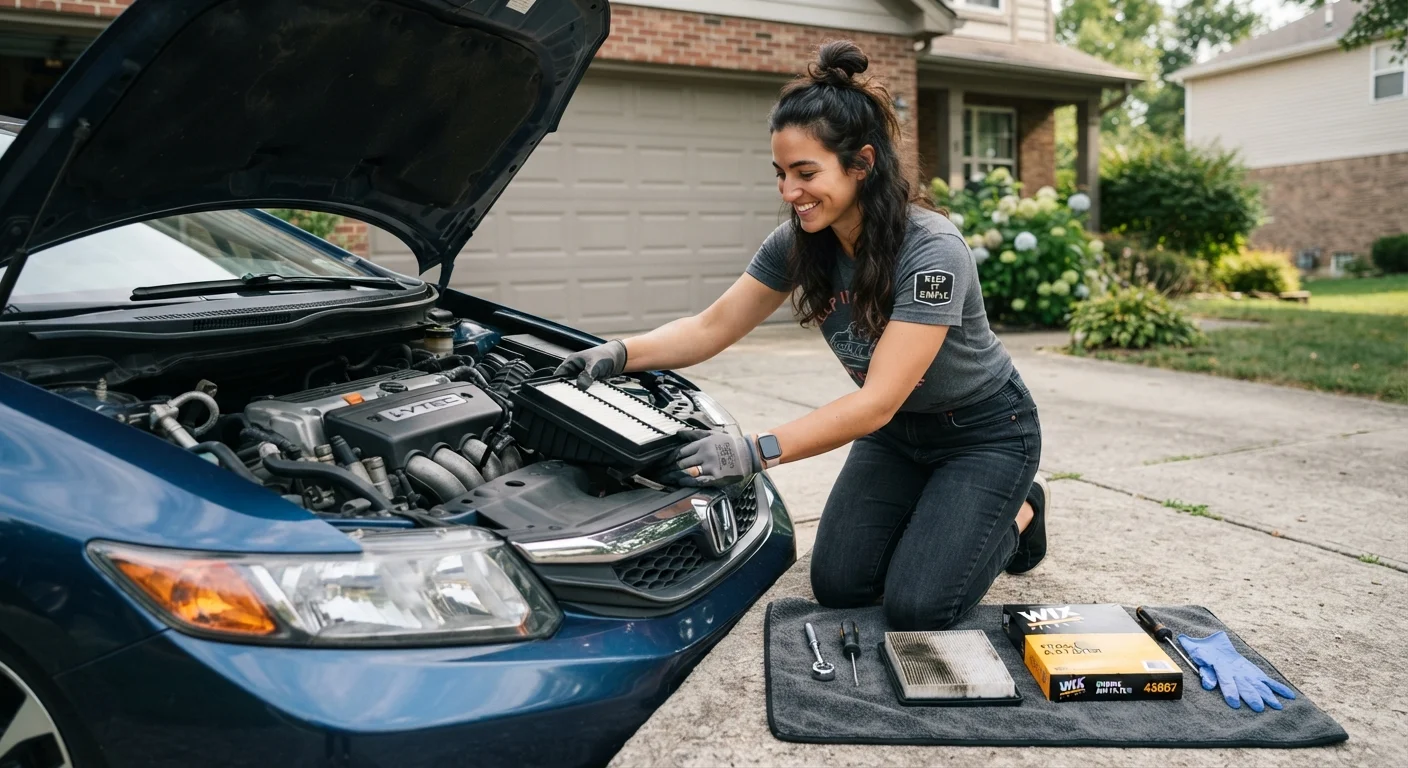
If a repair involves permits, there's usually a good reason: inspections protect future owners and insurers, and unpermitted work can complicate home sales or insurance claims later. The comparison between safe self-service and professional jobs isn't unique to homes - the same logic applies to vehicles, as explored in DIY vs. garage maintenance decisions.
Building Confidence Over Time
DIY skill is cumulative. Each repair you complete successfully lowers the activation energy for the next one. A practical progression for beginners looks like this:
- Month 1-2: Tackle patching, caulking, and unclogging - zero risk, visible payoff.
- Month 3-4: Move to toilet flapper replacements, showerhead swaps, and cabinet hardware upgrades.
- Month 5-6: Try hanging drywall anchors for heavier items, replacing outlet cover plates (with the breaker switched off), and basic weather-stripping installation.
Free resources like county extension offices, library DIY sections, and manufacturer installation guides are reliable, non-commercial sources of technique guidance. Video walkthroughs can also help you preview a repair before committing to it.
The same methodical, skills-first mindset applies across home management. If you find satisfaction in maintaining your home, you may discover similar value in car maintenance basics - where the principle of doing manageable tasks yourself translates directly into cost savings.
This article is for general informational purposes only. For repairs involving electrical, gas, structural, or plumbing systems, always consult a licensed professional and verify local permit requirements before beginning any work.