
Why Homeowners Put Off Repairs (And Why It Backfires)
The logic feels reasonable in the moment: the drip is slow, the crack is small, the stain isn't spreading. Life is busy and budgets are tight. So the repair waits - a week, then a month, then a year. By the time it becomes impossible to ignore, what was once a $30 fix has grown into a $1,200 bill.
This pattern plays out in homes across the country, and it's not about laziness or carelessness. It's about competing priorities and the very human tendency to underestimate how quickly small problems compound. Understanding why certain repairs get delayed - and what they actually cost when ignored - is one of the most practical things a homeowner can do for their long-term finances.
If you're newer to handling home upkeep yourself, our complete beginner's guide to DIY home repairs is a solid starting point before tackling any of the issues below.
Ignoring a slow drip under the sink or around a toilet base.
Why it happens: The leak seems too minor to justify the hassle, and placing a towel or bowl buys time that stretches into months.
Letting cracked or missing caulk around tubs, showers, and windows go unaddressed.
Why it happens: Caulk failure looks cosmetic, so it rarely feels urgent - readers assume it's just an appearance issue rather than a waterproofing one.
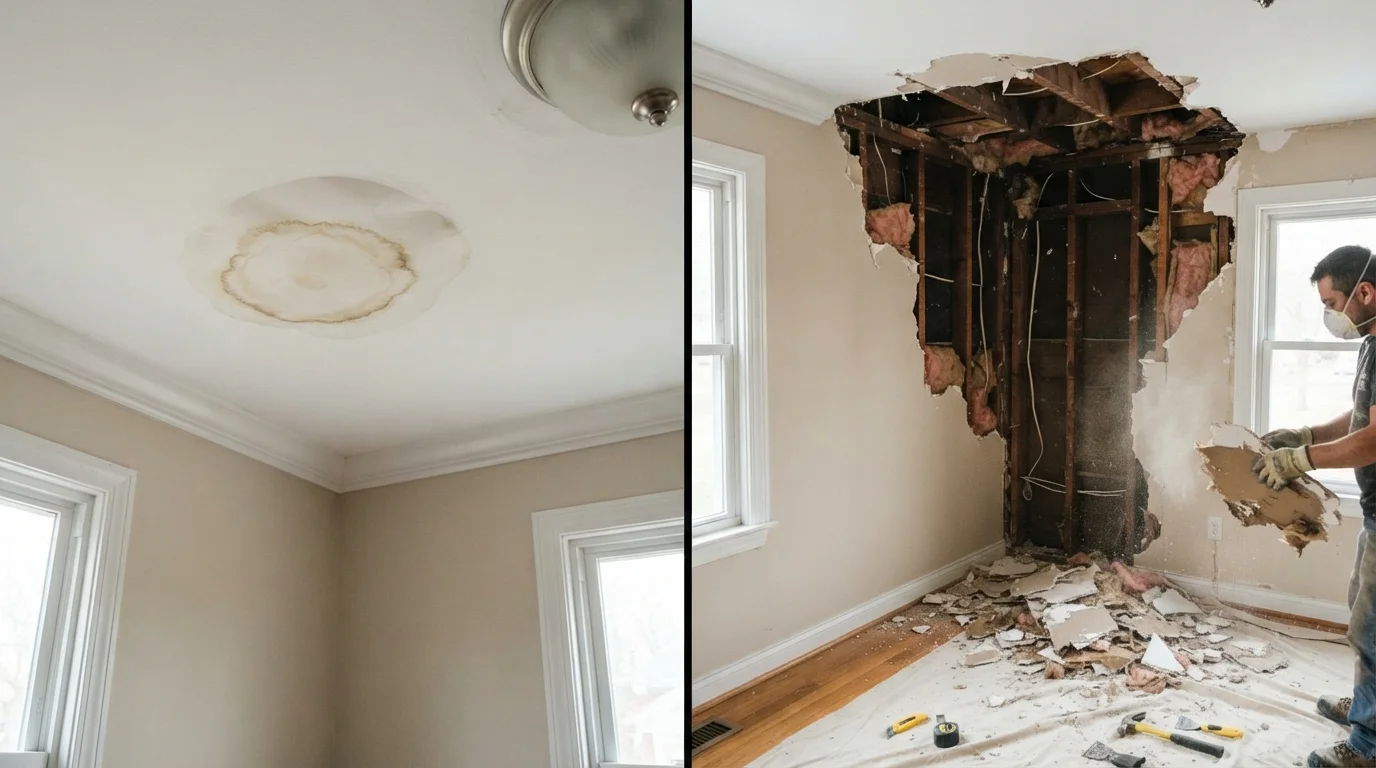
Delaying a roof repair after spotting missing shingles or a ceiling stain.
Why it happens: Roofs feel intimidating and expensive, so homeowners tell themselves the problem will hold until next season or until they've saved more money.
Putting off HVAC filter changes and skipping annual system servicing.
Why it happens: Filters are out of sight and the consequences of skipping them aren't immediately visible, making it easy to forget.
Ignoring small cracks in exterior walls, foundations, or driveways.
Why it happens: Hairline cracks look minor and stable, and homeowners often assume they're purely cosmetic or that they've always been there.
The Real Cost of Waiting
Every repair on the list above shares a common thread: the longer you wait, the more systems get involved. A slow roof leak doesn't just damage shingles - it saturates insulation, rots decking, breeds mold, and can eventually compromise ceiling joists. What starts as a roofing problem becomes a structural and air-quality problem simultaneously.
40%
of home water damage linked to plumbing failures
According to insurance industry data, plumbing-related incidents - many stemming from slow, unaddressed leaks - account for a significant share of residential water damage claims.
3-5×
cost multiplier when repairs are deferred
Home repair professionals commonly observe that a neglected minor repair can cost three to five times more once secondary damage - rot, mold, or structural involvement - sets in.
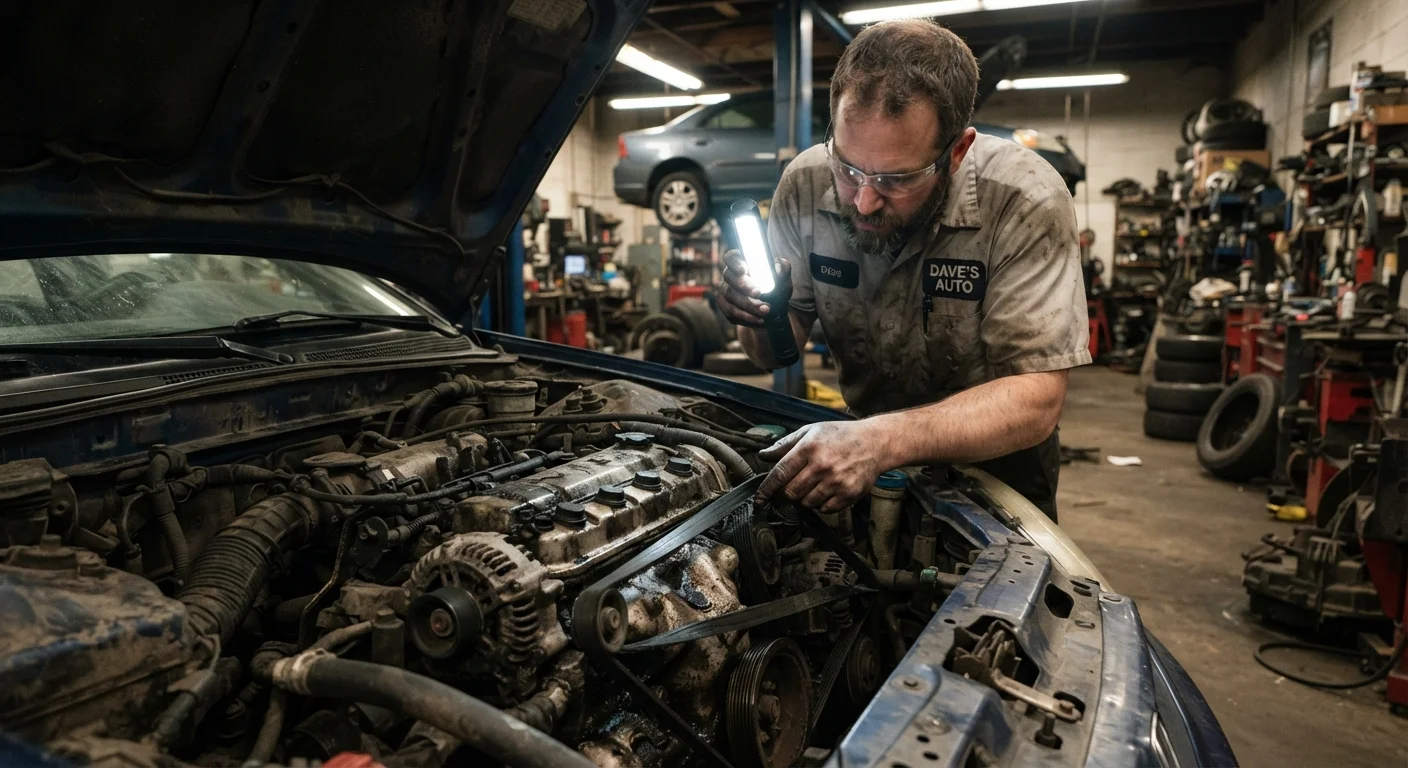
The same compounding principle applies outside the home. If you've noticed how skipped maintenance leads to escalating costs in other areas, the same dynamic plays out with vehicle maintenance - deferred servicing rarely saves money over time.
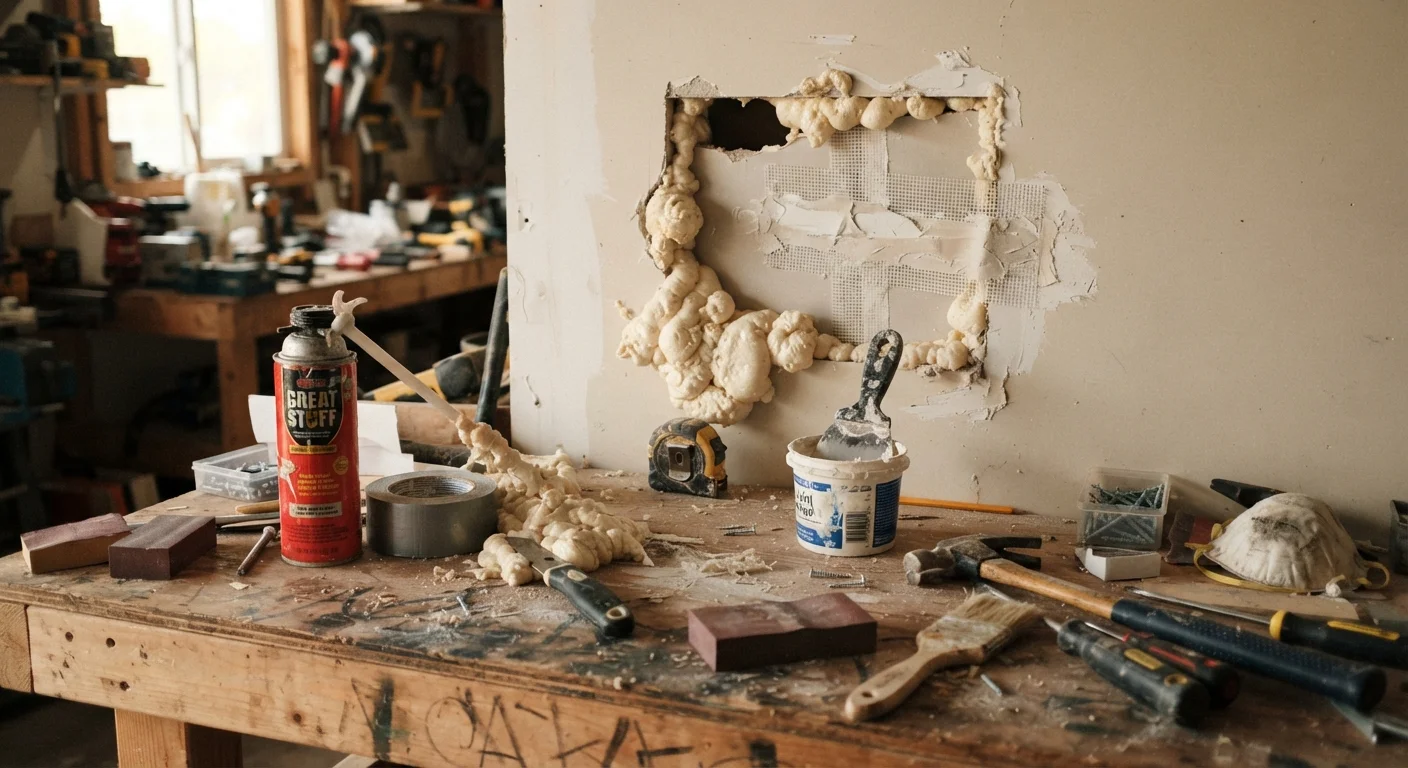
Before reaching for tools, it's also worth reading up on common DIY repair myths that can make problems worse - well-intentioned fixes done incorrectly can accelerate damage rather than stop it. And if you're weighing whether to hire out or handle it yourself, this realistic look at when DIY saves money can help you decide.
When to Call a Licensed Professional
Some repairs should not be DIY projects regardless of how manageable they appear. Work involving electrical panels, gas lines, structural elements, or anything that requires a permit in your jurisdiction should be handled by a licensed contractor. Attempting these without proper knowledge or permits can create safety hazards and complicate future home sales. If you're unsure whether a repair requires a professional, contact your local building department - it's a free call that can prevent costly mistakes.
The bottom line: treat early detection as a financial strategy. A monthly 15-minute walkthrough - checking under sinks, scanning caulk lines, glancing at the roof from the yard - is one of the highest-return habits a homeowner can build.