
What 'Grain-Free' and 'Grain-Inclusive' Actually Mean
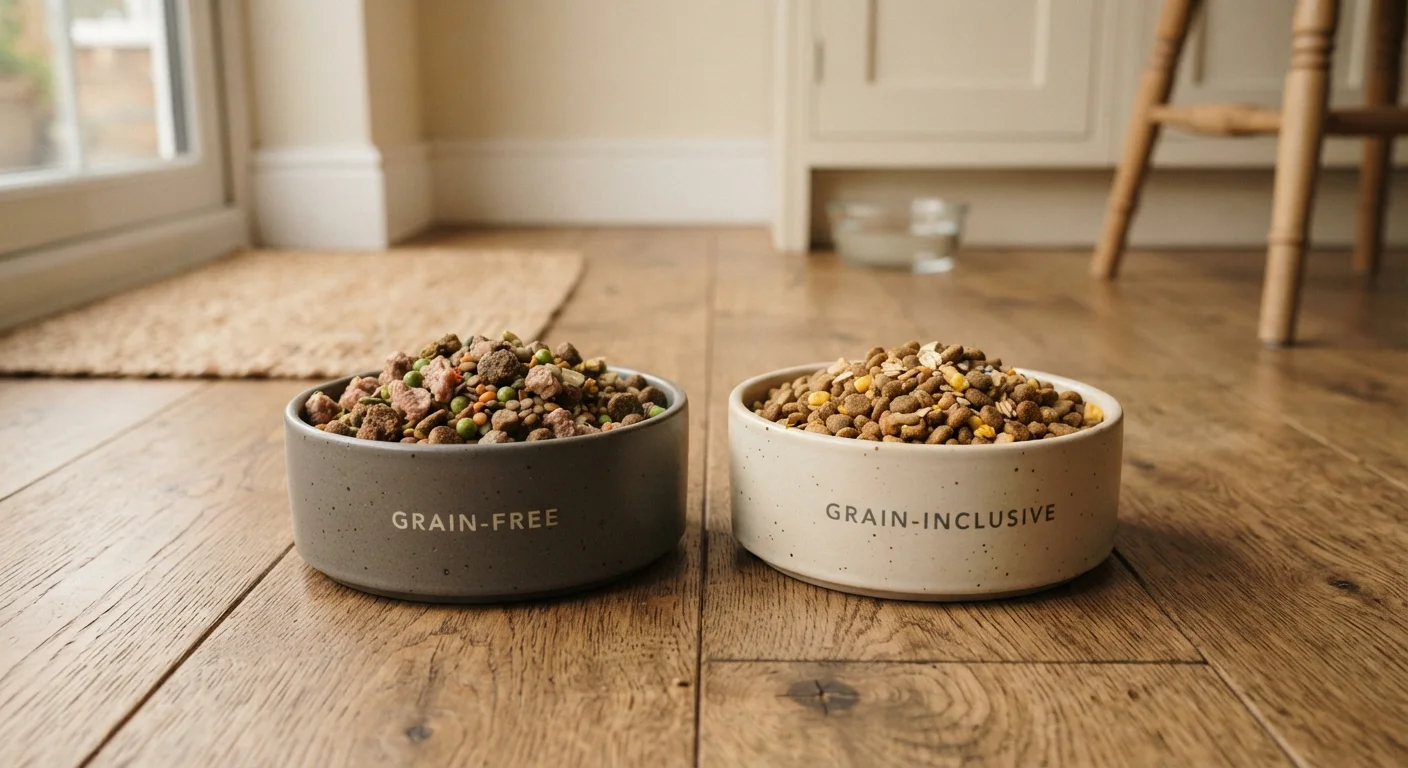
Grain-free pet food replaces traditional cereal grains - such as corn, wheat, rice, barley, and oats - with alternative carbohydrate sources like peas, lentils, chickpeas, or potatoes. Grain-inclusive food, by contrast, incorporates one or more whole grains as part of its carbohydrate and fiber profile.
Neither label, on its own, tells you whether a food is nutritionally complete or appropriate for your specific pet. The ingredient source matters far less than the overall nutritional profile - specifically whether the food meets the AAFCO nutritional standards for your pet's life stage. AAFCO sets the baseline nutrient guidelines that reputable US pet food manufacturers follow.
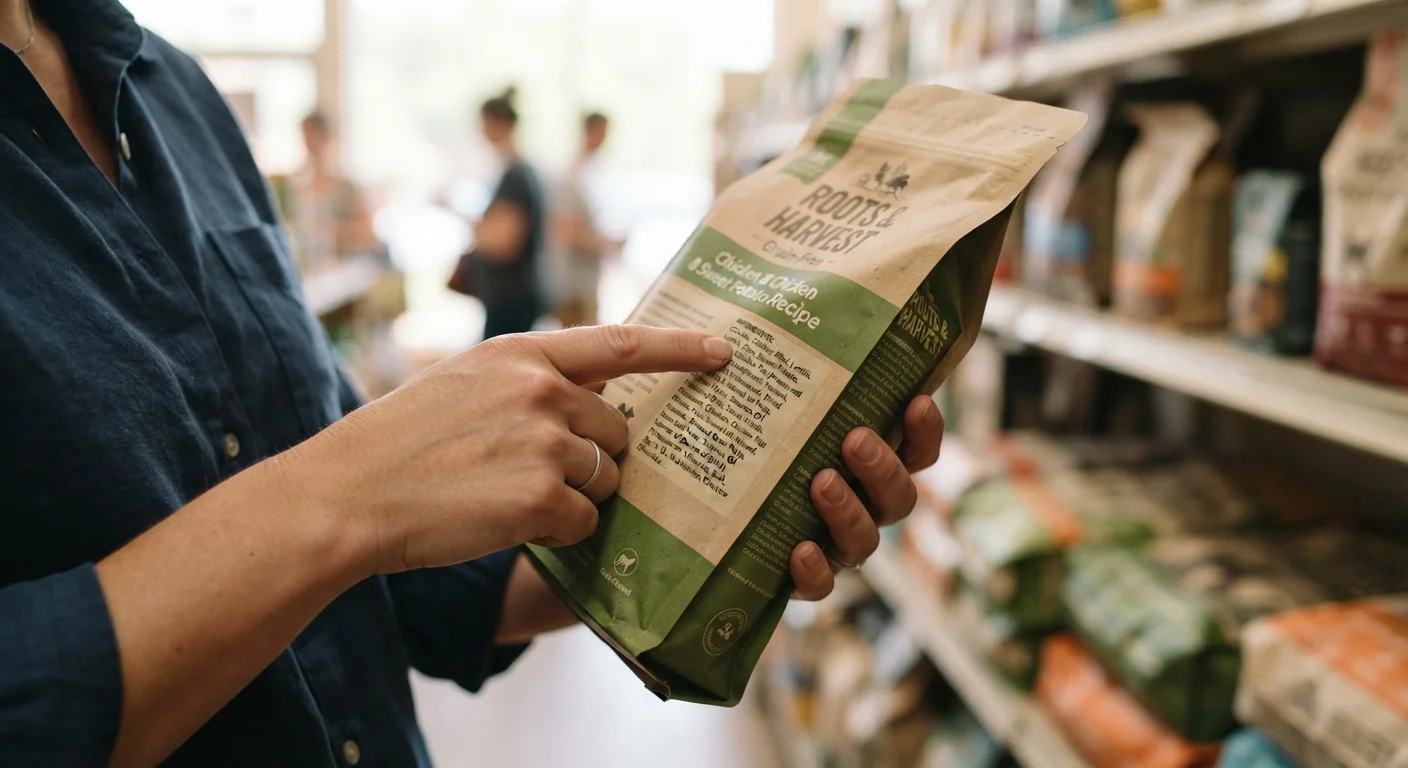
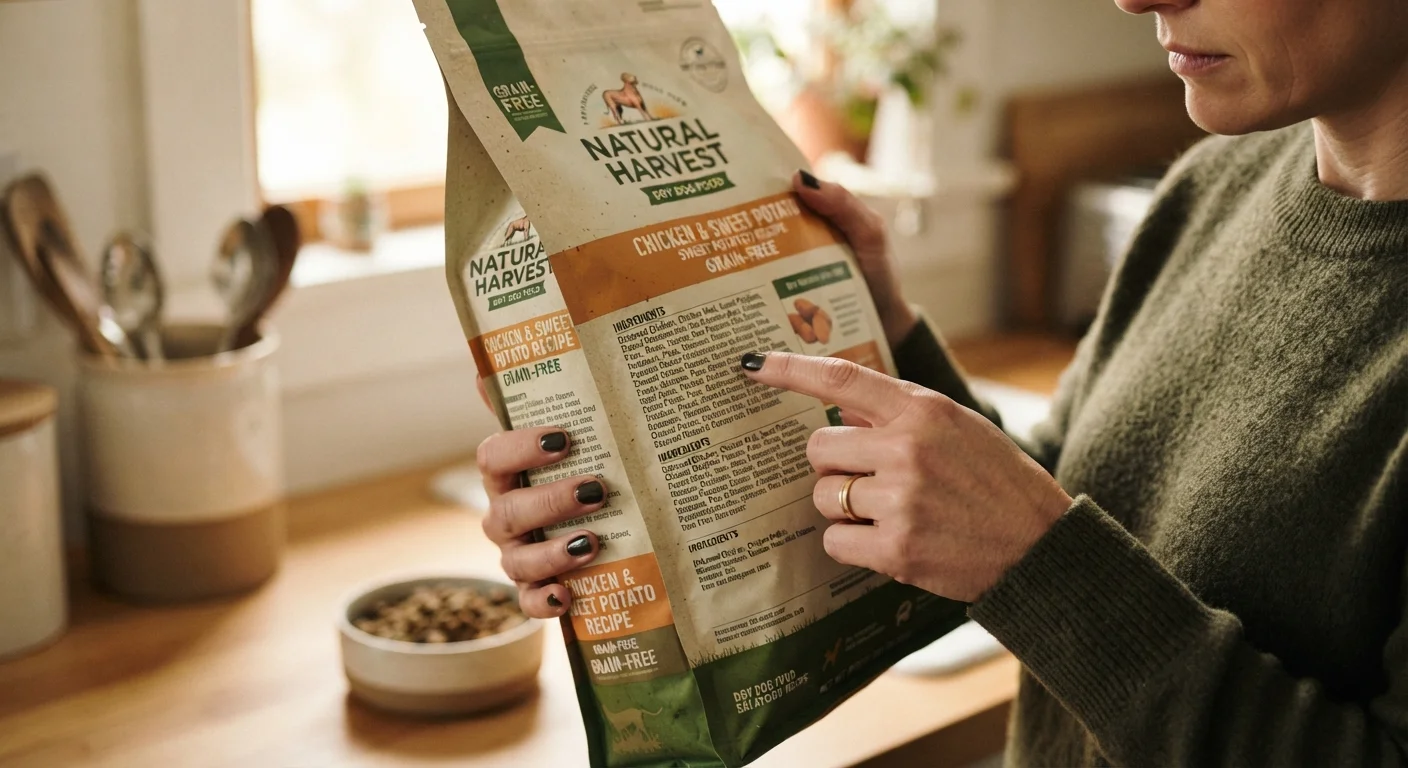
To go deeper on what ingredient labels actually communicate, see our guide to reading pet food ingredient labels.
| Criterion | Grain-Free | Grain-Inclusive |
|---|---|---|
| Primary carb source | Peas, lentils, potatoes | Rice, oats, barley, corn |
| Typical price point | Higher cost | Lower to moderate cost |
| AAFCO compliance possible | Yes | Yes |
| DCM research concern (dogs) | Under FDA investigation | Not flagged |
| Suitable for grain allergies | Yes (vet-confirmed cases) | Generally yes (rare allergy) |
| Fiber and micronutrient profile | Varies by recipe | Well-established via grains |
| Evidence base | Emerging, less studied | Long-standing, well-studied |
The FDA Investigation and What It Means for Dog Owners
In 2018, the US Food and Drug Administration (FDA) began investigating a potential link between grain-free diets and dilated cardiomyopathy (DCM), a serious heart condition in dogs. The agency observed an unusual number of DCM cases in breeds not typically predisposed to the condition, and a high proportion of those dogs had been eating grain-free foods high in peas, lentils, or potatoes.
As of the FDA's last public update on the investigation, a definitive causal mechanism had not been established. Researchers have proposed that the issue may relate to low taurine bioavailability in certain legume-heavy recipes, though this remains an active area of study. The investigation has not resulted in a product recall or a blanket prohibition.
FDA Investigation Status: What We Know
The FDA's investigation into grain-free diets and DCM in dogs is ongoing and has not produced a definitive conclusion. The agency has published case report updates but has not issued a recall or a formal warning against grain-free foods. Pet owners concerned about cardiac risk should discuss diet choices with their veterinarian, particularly for breeds already predisposed to heart disease.
This does not mean grain-free food is dangerous for all dogs - but it does mean the nutritional science supporting grain-free diets is less settled than marketing language often implies. Veterinary cardiologists and nutritionists have broadly recommended caution, particularly for large and giant breeds.
This article provides general educational information about pet nutrition and is not a substitute for personalized veterinary advice. Always consult your veterinarian before making dietary changes for your pet.
Do Grains Provide Nutritional Value?
A widespread misconception is that grains are simply fillers with no nutritional benefit. In reality, whole grains contribute digestible carbohydrates for energy, dietary fiber that supports gut health, and meaningful amounts of vitamins and minerals. Brown rice, oats, and barley, for example, each supply B vitamins, magnesium, and fermentable fiber that supports a healthy microbiome in dogs and cats.
True grain allergies do exist in pets, but they are less common than many pet owners assume. According to veterinary dermatology literature, the most frequent food allergens in dogs are proteins - particularly beef, dairy, and chicken - not grains. Cats show similar patterns. If your pet is experiencing digestive upset or skin irritation, a grain-free switch made without veterinary guidance may not address the actual trigger.
<10%
Pets with true food allergies
Veterinary dermatology estimates suggest fewer than 10% of allergic dogs have a food-related trigger, with proteins more commonly implicated than grains.
2018
Year FDA opened DCM investigation
The FDA began formally investigating a possible connection between legume-heavy grain-free diets and dilated cardiomyopathy in dogs in July 2018.
3-5x
Potential premium for grain-free kibble
Grain-free formulas can cost significantly more per pound than comparable grain-inclusive options, depending on brand and retail channel.
For a broader look at separating pet food fact from marketing fiction, our article on the myth that cheap pet food is always inferior covers related misconceptions.
Cost Considerations and Budget-Friendly Navigation
Grain-free pet foods are typically priced higher than grain-inclusive equivalents, partly because alternative carbohydrate ingredients like lentils and chickpeas carry higher production costs than corn or rice. Over the course of a year, the difference can be substantial - especially for owners of larger dogs who consume more food per day.
If budget is a meaningful concern, grain-inclusive foods with a complete AAFCO nutritional statement represent a well-supported, cost-effective choice for most healthy pets. You can compare label quality and nutritional completeness using the strategies in our pet food evaluation checklist - a practical tool that works regardless of whether a food is grain-free or not.
Additional strategies for reducing monthly pet food costs without compromising nutrition are covered in our guide to stretching your pet food budget.