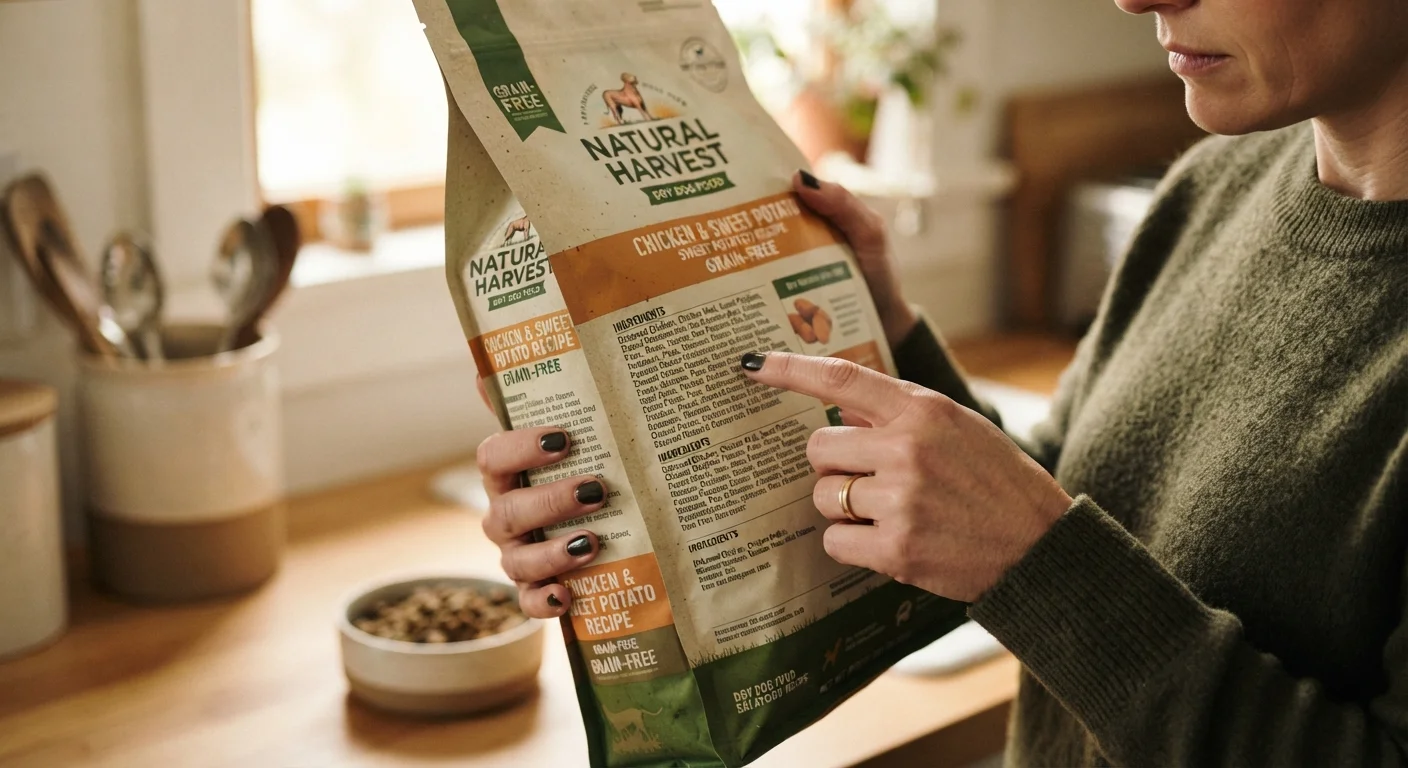


Why Life Stage Nutrition Is More Than a Marketing Label
Walk down any pet food aisle and you'll see bags stamped with "puppy," "adult," and "senior." It's tempting to assume the differences are purely promotional - a way for brands to sell more SKUs. In reality, the distinctions reflect genuine shifts in how animals metabolize nutrients across their lives.
Puppies and kittens are in a phase of rapid tissue, bone, and organ development. They burn through energy quickly and need a concentrated supply of protein, fat, calcium, and phosphorus to build muscle and skeletal structure. Feed them an adult-maintenance formula and they may fall short on key building blocks during a critical window.
Adult pets, by contrast, are in a maintenance phase. Their nutritional goal is stability - supporting healthy organ function, muscle mass, immune response, and energy levels without excess calories that contribute to weight gain. Overfeeding a young adult dog with a puppy formula's higher calorie density is a common and easily avoided mistake.
As pets age into their senior years, metabolism slows, lean muscle mass can decrease, and certain organs - particularly the kidneys and joints - may benefit from targeted nutritional support. Whether a "senior" formula actually delivers that support is a separate question, explored below.
What Puppy Formulas Actually Contain - and Why It Matters
AAFCO's nutrient profile for growth requires higher minimums for protein and fat than its adult-maintenance profile. A puppy formula typically delivers more calories per cup, more calcium and phosphorus to support bone density, and often additional DHA (an omega-3 fatty acid) to support brain and vision development.
One important nuance: large-breed puppies should not be fed a standard puppy formula. Excess calcium during the growth phase in large breeds has been associated with developmental orthopedic conditions. Large-breed puppy formulas are specifically calibrated for slower, more controlled growth. If you have a breed expected to exceed 50-70 pounds at maturity, look for packaging that specifies "large breed puppy" and ask your veterinarian to confirm the choice.
For multi-pet households feeding both a puppy and an adult dog, a food meeting AAFCO nutrient profiles for "all life stages" (which defaults to growth requirements) can work for both - provided the adult dog's portions are adjusted carefully. See our multi-pet feeding strategies guide for practical approaches.
The Senior Category: Helpful Tool or Hype?
Unlike puppy and adult categories, "senior" carries no separate AAFCO nutrient standard. That means two senior formulas from different brands can have meaningfully different nutrient profiles - one might simply be an adult formula with a different label; another may genuinely reduce phosphorus for kidney support or increase EPA and DHA for joint health.
This makes veterinary guidance especially important before switching an older pet to a senior formula. An 11-year-old dog with kidney disease has very different dietary needs than a 9-year-old dog in excellent health. Blindly purchasing a "senior" product on the assumption it's automatically better could mean paying more for something that isn't matched to your pet's actual condition.
That said, older pets often do benefit from dietary adjustments: reduced calorie density if activity has slowed, higher-quality digestible protein to preserve muscle mass, and added antioxidants or joint-supporting nutrients. The key is choosing based on your pet's health status, not just age category.
For a practical evaluation framework that works across all price points and life stages, the checklist for evaluating any pet food is a useful next step. And if you're weighing format options alongside life stage, comparing dry, wet, and raw food costs can help you understand the full financial picture.
This article provides general educational information about pet nutrition and is not a substitute for personalized veterinary advice. Always consult a licensed veterinarian before making significant changes to your pet's diet, particularly for pets with health conditions.