
Why the Sticker Price Doesn't Tell the Whole Story
When comparing pet food formats, the number on the package rarely reflects what you'll actually spend over twelve months. A bag of dry kibble might look inexpensive upfront, while a can of wet food seems pricier - but the cost per serving, adjusted for feeding frequency and portion size, tells a very different story.
Three variables determine annual feeding cost: price per ounce or pound, caloric density (how many calories per cup or can), and how much your pet needs to eat daily to meet their nutritional requirements. A food that costs more per pound but is more calorie-dense may actually cost less per day than a cheaper, more dilute option.
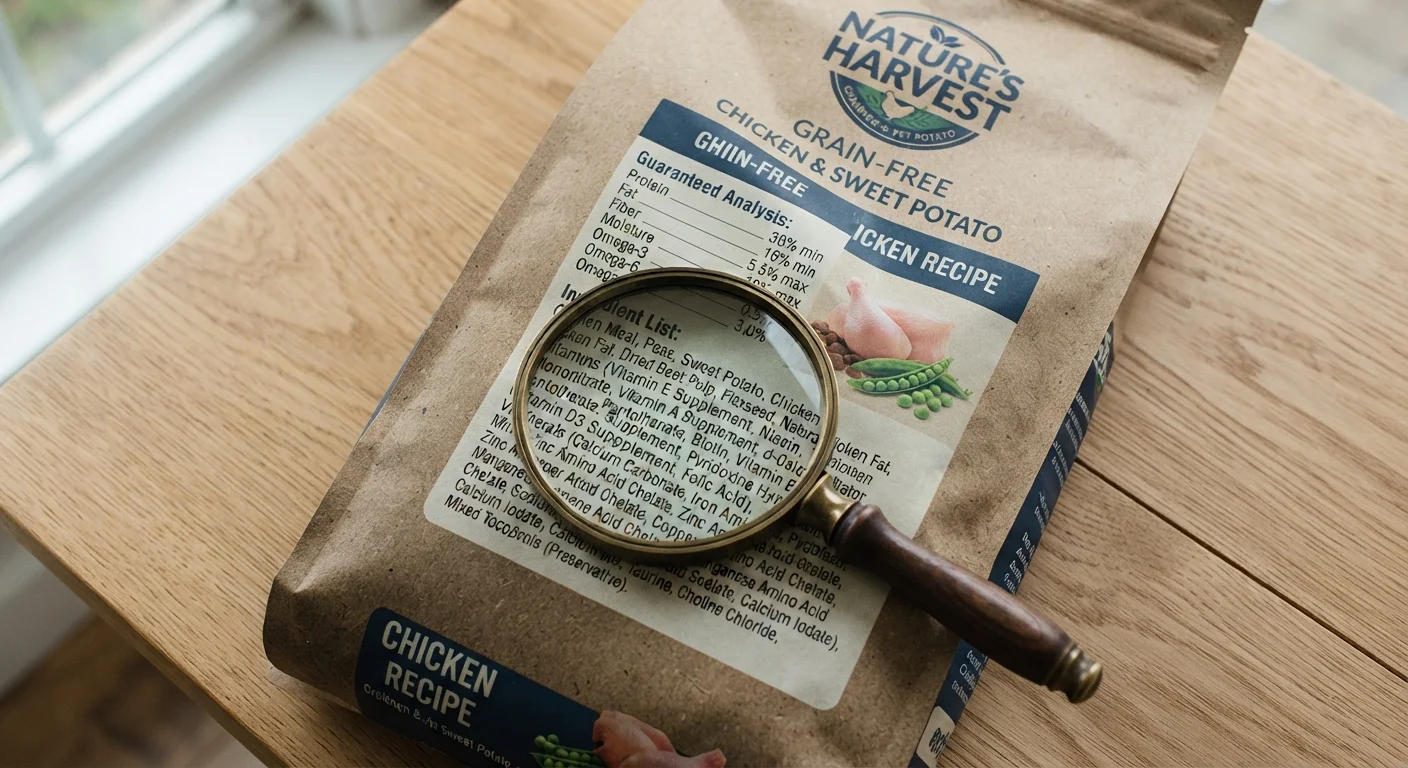
Understanding how to read nutrition labels is essential before doing any cost comparison - guaranteed analysis figures and feeding guides are your starting point for accurate math.
Dry Food: The Budget Baseline
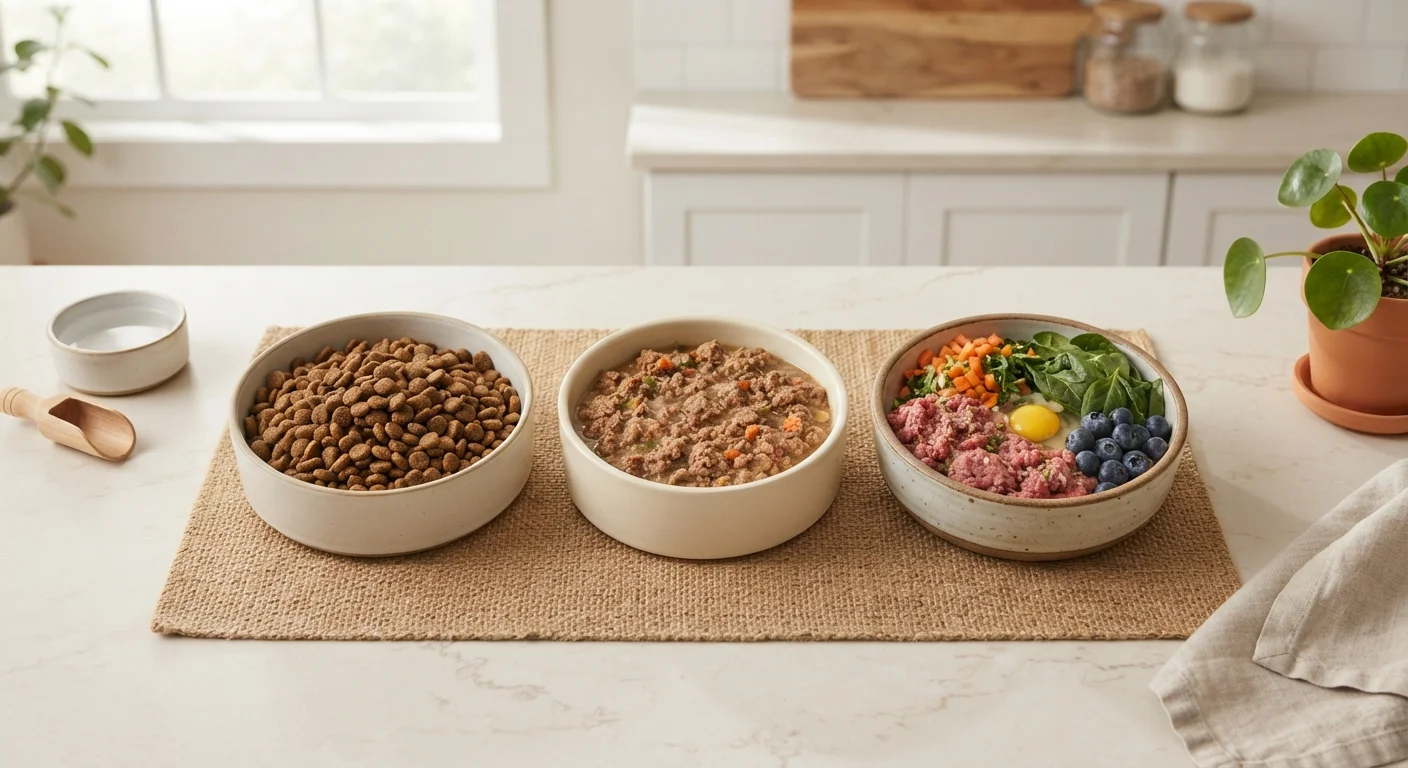
Dry kibble is the most economical option for the vast majority of pet owners. Its low moisture content (roughly 10%) means you're paying primarily for nutrients and calories, not water weight. A 30-pound bag typically provides many more meals per dollar than an equivalent volume of wet food.
For a medium-sized dog (around 30 lbs), dry food costs can range from approximately $300 to $700 per year depending on the formula's quality tier. For cats, annual kibble costs generally fall between $150 and $400. These are general estimates - actual costs vary by pet size, activity level, and the specific product chosen.
The tradeoff is moisture. Dry food contains significantly less water than wet or raw options, which matters for pets prone to urinary tract issues or those that don't drink enough on their own. Overfeeding dry kibble is also a common and costly habit - always follow the feeding guide adjusted for your pet's actual weight and activity level.
| Dry Kibble | Wet Food | Raw Diet | |
|---|---|---|---|
| Typical annual cost (medium dog) | $300-$700 | $800-$2,000+ | $1,500-$4,000+ |
| Typical annual cost (cat) | $150-$400 | $400-$900 | $600-$1,500+ |
| Moisture content | ~10% | 70-85% | 60-80% (varies) |
| Caloric density | High per cup | Moderate per serving | Variable by formula |
| Storage requirements | Pantry/dry shelf | Pantry until opened | Freezer space needed |
| Food safety handling | Low effort | Moderate (open cans) | High - bacterial risk |
| Nutritional completeness | AAFCO-compliant options widely available | AAFCO-compliant options widely available | Varies; home prep often incomplete |
| Vet guidance recommended? | Routine checkup | Routine checkup | Veterinary nutritionist advised |
Wet Food: Higher Cost, Higher Moisture
Canned or pouch wet food contains 70-85% moisture, which makes it appealing for pets that need hydration support - but that water content is also why it costs more per calorie. You're feeding more volume to deliver the same nutrition.
For a medium dog fed exclusively wet food, annual costs can range from roughly $800 to $2,000 or more, depending on can size and formula. For cats, wet-only feeding typically runs $400 to $900 per year. Many owners use wet food as a topper or mix it with kibble to manage costs while still offering the palatability and hydration benefits.
Wet food is often more digestible for senior pets or those with dental issues, and it can help with appetite in picky eaters. See our guide on life stage feeding formulas to understand when format shifts like this are most warranted.
Mix Formats to Manage Costs
Feeding primarily dry kibble with a small wet food topper (one to two tablespoons per meal) can improve palatability and add moisture without dramatically increasing your annual spend. This hybrid approach is widely used by pet owners looking to balance nutrition, hydration, and budget. Ask your vet what ratio makes sense for your pet's specific needs.
Raw Feeding: The Premium Option With the Most Variables
Raw diets - whether commercially prepared frozen/freeze-dried or home-assembled - carry the highest price tag of the three formats. For a medium dog, a fully raw diet can cost anywhere from $1,500 to over $4,000 per year. For cats, costs typically start around $600 to $1,500 annually, though home-prepared raw can vary widely.
Beyond cost, raw feeding involves storage requirements (freezer space), food safety handling practices (to reduce bacterial contamination risk for both pets and humans), and - most critically - the need for a nutritionally complete formulation. Many home-prepared raw diets have been found to be deficient in key minerals and vitamins without professional oversight.
The American Veterinary Medical Association (AVMA) has expressed concerns about raw protein diets related to food safety and nutritional completeness. If you're considering raw feeding, consulting a veterinary nutritionist before starting is strongly advisable. You can also learn more about what ingredients to look for in any pet food format.
How to Choose Based on Budget and Your Pet's Needs
For most budget-conscious households, dry kibble from a nutritionally complete, AAFCO-compliant formula offers the most value per year. If your pet has specific hydration or palatability needs, a kibble-and-wet-topper combination can be a practical middle ground that keeps costs manageable.
Raw feeding makes the most sense for owners who have done thorough research, consulted a veterinary nutritionist, and have the time and infrastructure to do it safely. It is not inherently superior to high-quality commercial options - and the cost difference is substantial.
Whatever format you choose, portion accuracy matters enormously. Our guide to portion control and annual pet food savings explains how even small daily adjustments can add up to hundreds of dollars over a year. And if you're evaluating any new food, the checklist for evaluating pet food on a tight budget is a useful place to start before you buy.
This article provides general pet nutrition information for educational purposes only. Consult a licensed veterinarian or veterinary nutritionist before making significant changes to your pet's diet.