

How the Pet Supplement Market Works
The U.S. pet supplement industry is substantial and continues to grow each year, fueled by a genuine desire among pet owners to do the best for their animals. Unlike human dietary supplements, pet supplements in the U.S. are not approved by the FDA before they reach store shelves - they are regulated after the fact, meaning products can be marketed with relatively few pre-market hurdles.
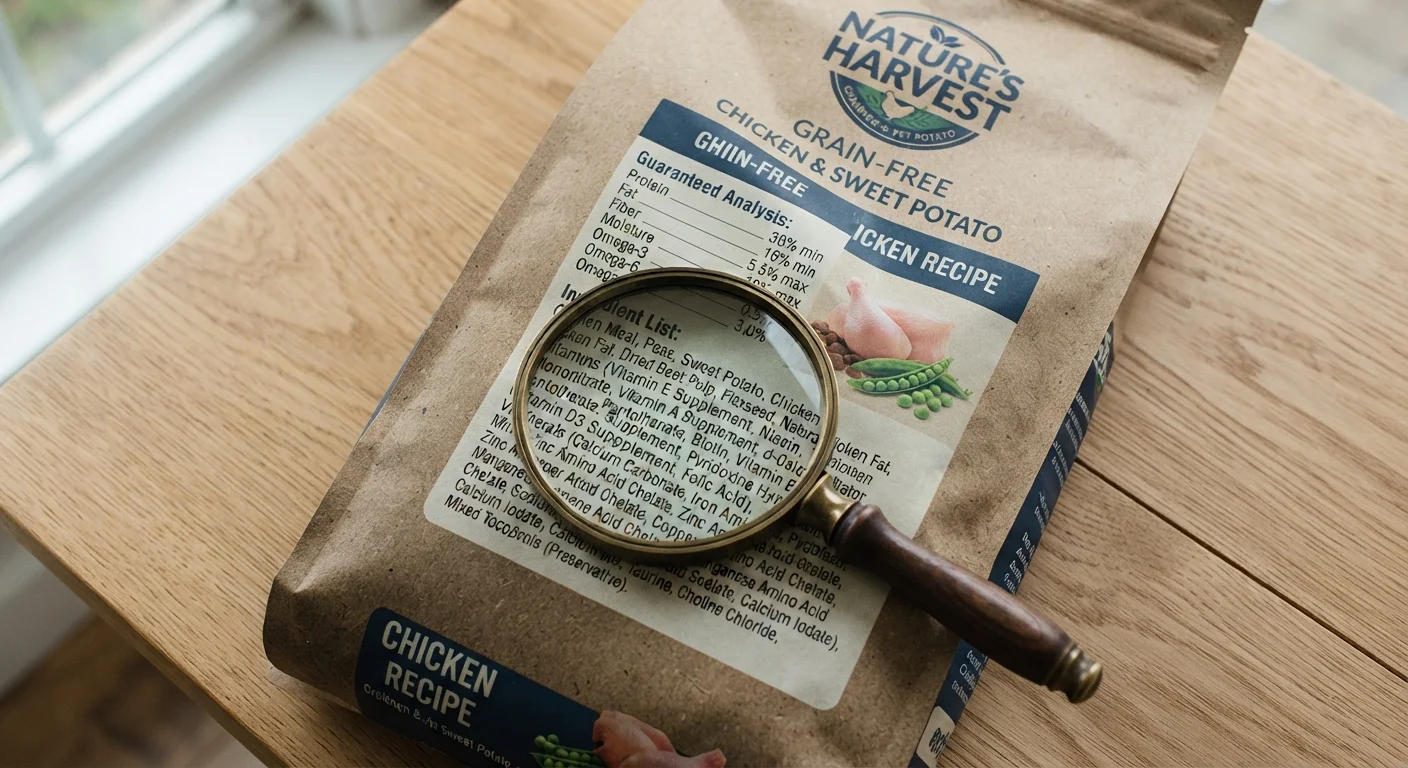
This regulatory gap matters because it allows manufacturers to use aspirational language - phrases like "promotes joint health," "supports immunity," or "enhances coat shine" - without proving those claims in clinical trials. The Association of American Feed Control Officials (AAFCO) sets standards for complete pet foods, but supplements fall outside that framework. Understanding this context helps you read marketing with a more critical eye. For a deeper look at how ingredient and nutrition labeling works on the food side, see our guide on reading pet food ingredient labels.
What AAFCO 'Complete and Balanced' Actually Means
When a pet food label states it is "complete and balanced" for a life stage, it means the product meets AAFCO's established nutrient profiles for that stage - either through formulation or feeding trials. For the majority of healthy pets, a food carrying this designation provides all the nutrients they need without supplementation. If you're unsure whether your pet's current food qualifies, check the label's nutritional adequacy statement or ask your veterinarian.
When Supplements May Genuinely Help
Not all supplements are hype. A subset have reasonable research support and are used in veterinary practice for specific conditions.
Targeted omega-3s support skin and joint health
Fish oil supplements providing EPA and DHA have meaningful evidence for managing inflammatory skin conditions and are often recommended by veterinarians as part of osteoarthritis care plans.
Probiotics can aid recovery during antibiotic treatment
Certain probiotic strains help maintain gut flora balance when antibiotics disrupt the digestive microbiome, reducing the risk of loose stools and GI distress.
Fill genuine gaps identified by a veterinarian
Pets with confirmed deficiencies - identified through blood work or clinical assessment - can benefit meaningfully from targeted supplementation prescribed or guided by a vet.
May support quality of life in senior pets
Older animals with diagnosed joint degeneration or age-related conditions sometimes benefit from supplements as part of a multi-modal management approach under veterinary supervision.
These scenarios have the strongest evidence: omega-3 fatty acids (particularly EPA and DHA from fish oil) for inflammatory skin conditions and some joint issues; probiotics for gastrointestinal upset during antibiotic treatment; and veterinary-prescribed joint supplements containing glucosamine or chondroitin as part of a broader osteoarthritis management plan. The operative phrase is "as part of a plan" - these supplements tend to work alongside, not instead of, veterinary care.
Where Supplement Marketing Outpaces the Evidence
The majority of the supplement market targets healthy pets who likely don't need anything beyond a nutritionally complete diet. AAFCO-compliant foods are formulated to meet established nutrient profiles for dogs and cats, meaning most animals eating these foods are already getting what they need.
Most marketing claims lack clinical proof
Terms like "immune support" or "wellness blend" are not defined or regulated for pet supplements, meaning manufacturers can use them without published clinical evidence.
Redundant for pets on complete, AAFCO-compliant diets
Pets eating a nutritionally complete food are already meeting established nutrient profiles; adding supplements on top may provide no benefit and can disrupt nutrient balance.
Excess vitamins can accumulate and cause toxicity
Fat-soluble vitamins such as A and D are stored in the body rather than excreted, and chronic oversupplementation can reach harmful levels over time.
Ongoing cost adds up without guaranteed return
Even a modestly priced daily supplement totals $100-$300 or more per year - spending that may deliver little measurable benefit for a healthy animal.
Supplements can interact with medications
Some supplements affect how the body absorbs or processes prescription drugs; without veterinary oversight, this interaction risk goes unmanaged.
Adding supplements on top of a complete diet can occasionally create imbalances - excess fat-soluble vitamins (A, D, E, K), for instance, accumulate in the body and can cause toxicity over time. Beyond safety concerns, there's the straightforward budget reality: even modestly priced supplements add up monthly. Those dollars are often better directed toward regular veterinary checkups, which catch real problems early. See our broader discussion of cost trade-offs in pet health care for perspective on where spending matters most.
$1.05B+
U.S. pet supplement market size
Industry analyses have placed the U.S. pet supplement market at over one billion dollars annually, reflecting rapid consumer demand growth.
~0
Pre-market FDA approvals required for pet supplements
Unlike pet drugs, pet supplements do not require FDA pre-market approval, meaning efficacy and safety claims are not verified before products reach consumers.
How to Make a Smarter Decision
Before purchasing any supplement, a few practical questions help cut through the noise:
- Is your pet's diet already complete? Check whether the food carries an AAFCO nutritional adequacy statement. Our guide to nutrition label numbers explains exactly what to look for.
- Has a veterinarian identified a gap? Blood panels, physical exams, and symptom history are far more reliable guides than marketing copy.
- What does the evidence actually say? Look for products with a National Animal Supplement Council (NASC) quality seal, which signals the manufacturer follows voluntary quality standards - though it does not guarantee efficacy.
- What's the realistic cost over a year? Monthly supplement costs compound. Compare that figure against the potential benefit and consider whether those funds address a higher-priority need.
Consulting your vet before starting any new supplement is not just a formality - it's the step most likely to protect both your pet and your wallet. This is especially true if your pet takes medications, since some supplements can interact with prescription drugs. For perspective on how the same critical thinking applies to medications, our piece on generic vs. brand-name pet medications covers evidence-based decision-making in a related area.
This article is for general informational purposes only and does not constitute veterinary or medical advice. Always consult a licensed veterinarian before making changes to your pet's diet or starting any supplement regimen.