
Why Nail Trimming Mistakes Are So Common
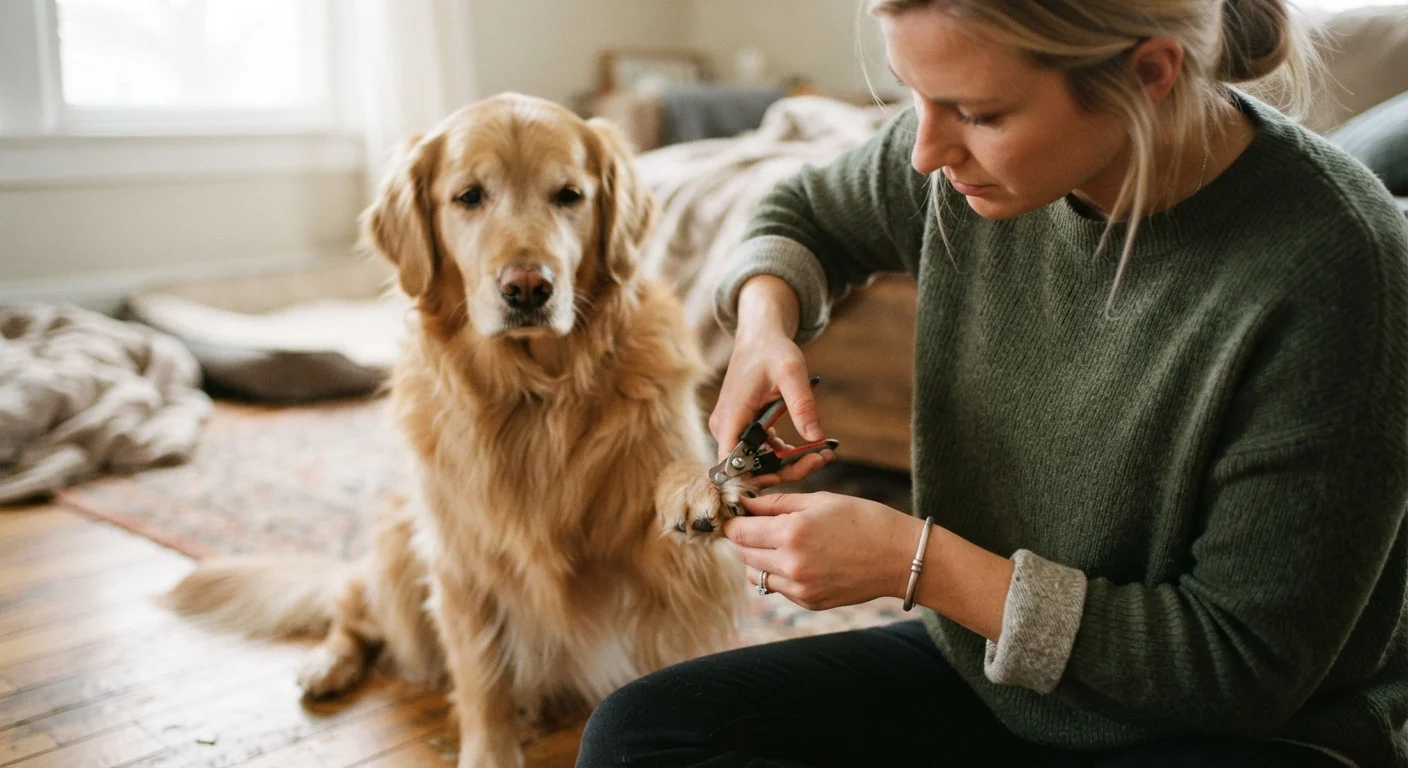
Nail trimming is one of the most skipped and most feared parts of at-home pet care — and the anxiety is often mutual. Many pet owners avoid it altogether, relying on groomers or vets, only to find their pet's nails have grown long enough to click loudly on hard floors or curl uncomfortably. Others dive in without enough preparation and end up nicking the quick, reinforcing a negative experience for both parties.
The good news: most nail-trimming mistakes are entirely preventable once you understand what causes them. This is a skill that rewards consistency, the right tools, and a calm approach. As part of a broader at-home grooming routine, regular nail care saves money and strengthens the trust between you and your pet.
Cutting too short and hitting the quick — the sensitive blood vessel inside the nail.
Why it happens: Pet owners often try to trim nails flush in one cut, especially when nails have grown long, misjudging how far the quick extends.
Using dull, oversized, or wrong-type clippers for the pet's nail size.
Why it happens: Many owners use whatever clippers they have on hand without matching the tool to the pet — a large guillotine-style clipper on a small cat, for example, crushes rather than cuts.
Skipping desensitization and attempting a full trim on an unprepared or anxious pet.
Why it happens: Owners underestimate how much nail handling can stress a pet that hasn't been gradually introduced to the process — especially if a previous bad experience occurred.
Trimming too infrequently, allowing nails to become overgrown.
Why it happens: Without a regular schedule, owners wait until nails are visibly long or audibly clicking — by which point the quick has also grown longer, making safe trimming harder.
Restraining the pet too forcefully, escalating fear and resistance.
Why it happens: When a pet squirms, the instinct is to hold tighter — but forced restraint often heightens anxiety and can cause a pet to associate nail trimming with genuine fear.
Building a Habit That Sticks
The biggest shift most pet owners need to make isn't technical — it's behavioral. Nail trimming works best when it's treated as a routine rather than an event. Short, frequent sessions where your pet is calm and rewarded generously build the kind of cooperative relationship that makes the task quick and low-stress over time.
Never Use Human Nail Clippers on Pets
Human clippers are designed for flat nails and will crush or split a pet's curved, thicker nails rather than cut cleanly. This causes immediate pain and can crack the nail down toward the base. Always use clippers designed specifically for the species and size of your pet.
For pets with dark nails, where the quick is invisible, trim only small slivers at a time and look for a small dark dot in the center of the cut surface — that signals you're approaching the quick. If you're ever uncertain about your pet's nail structure or have a pet with anxiety-related aggression during grooming, consult your veterinarian before continuing at home. They can demonstrate safe technique and rule out any underlying discomfort.
Skipping routine trims doesn't just create a harder grooming session down the road — it can lead to real health consequences. Neglecting regular grooming can result in vet visits that far outpace the time and small investment a nail clipper requires. It's also worth reviewing common DIY grooming myths to make sure your technique is grounded in fact, not habit.
This article is for general informational purposes only and does not constitute veterinary advice. Always consult a licensed veterinarian for guidance specific to your pet's health and behavior.