
Why Grooming Is a Health Habit, Not a Luxury
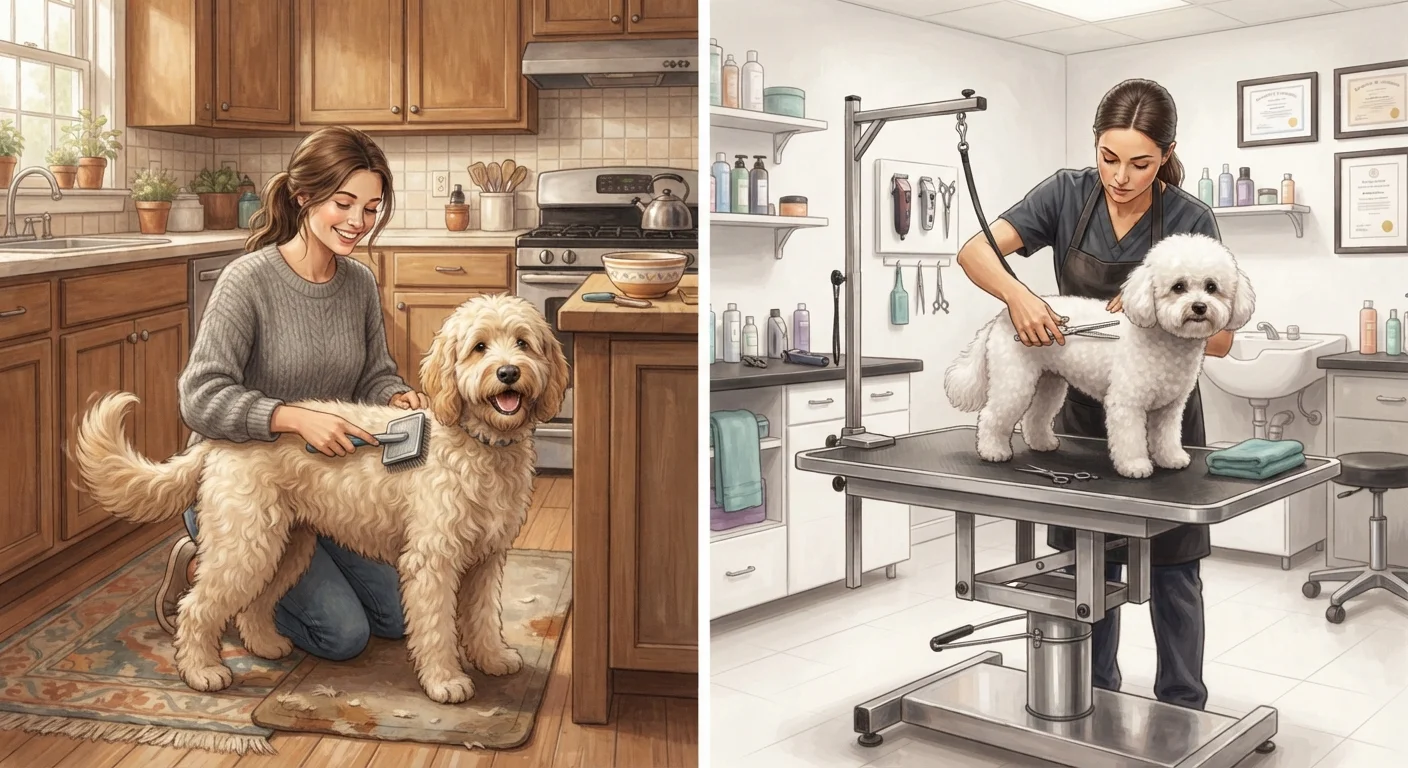
Many pet owners think of grooming as a cosmetic service — something nice to do when time and money allow. In reality, grooming is a preventive health practice with a direct line to your wallet. Just as deferred car maintenance tends to turn small issues into expensive repairs, skipping grooming lets minor physical problems quietly worsen until they require professional treatment. This pattern is explored in more detail in the real cost of skipping preventive pet care.
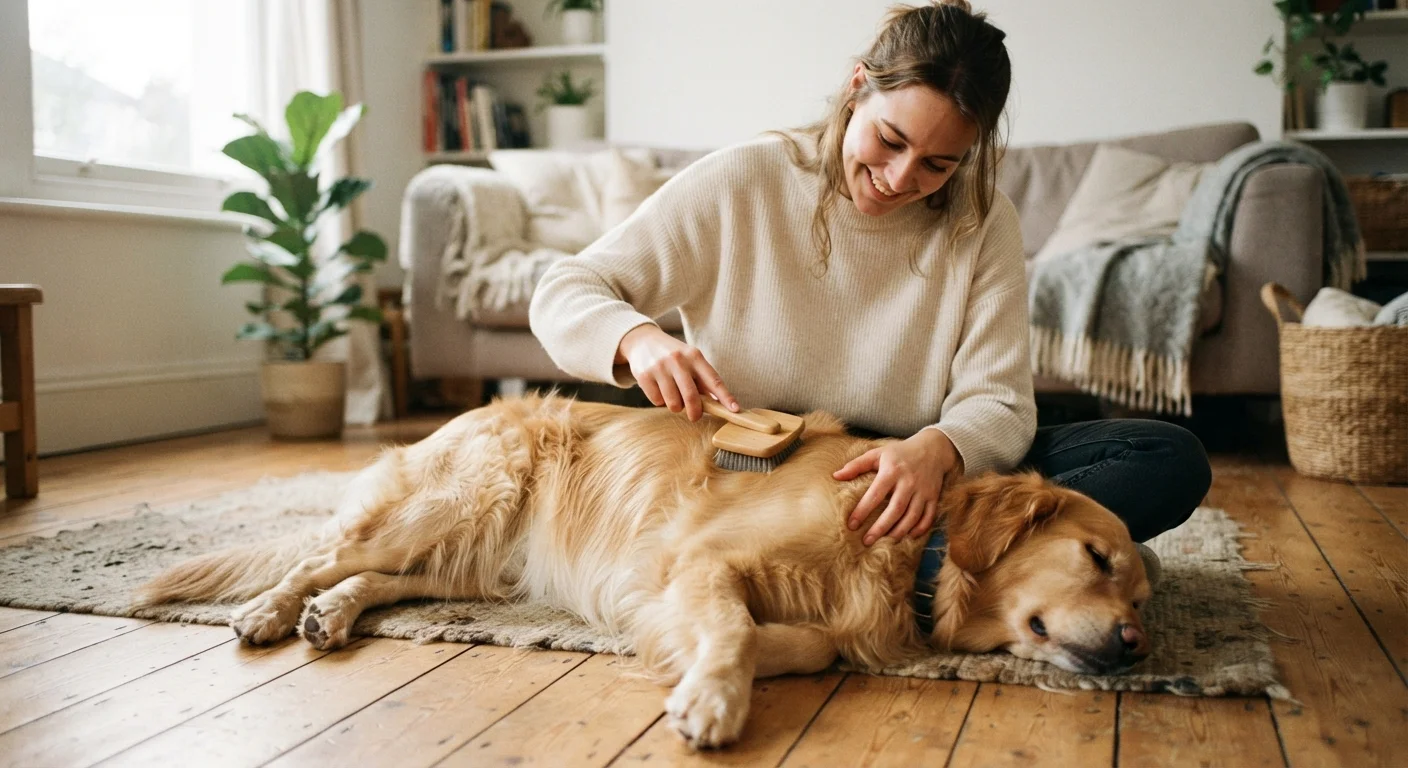
When you brush your pet regularly, you're doing much more than managing shedding. You're checking the skin for redness, bumps, or parasites. You're monitoring coat condition, which can reflect nutritional or hormonal changes. You're keeping your hands and eyes on your animal in a way that builds familiarity — so that when something feels different, you notice it sooner.
Turn Every Grooming Session Into a Quick Health Check
While brushing, run your hands along your pet's body to feel for new lumps, sensitive spots, or changes in coat texture. Check the ears for odor or discharge, and glance at the eyes and teeth. This two-minute scan takes almost no extra time but dramatically increases the chance of catching something early — when it's still inexpensive to treat.
The Hidden Costs of Letting Grooming Slide
Neglect in grooming tends to compound. Here's how common grooming gaps translate into real health problems and real expenses:
- Matting: Tangled fur in long-haired breeds becomes tight against the skin, restricting airflow and trapping moisture. This creates conditions for bacterial and fungal skin infections. Severe mats often require sedation to remove safely, which adds veterinary cost beyond the grooming itself.
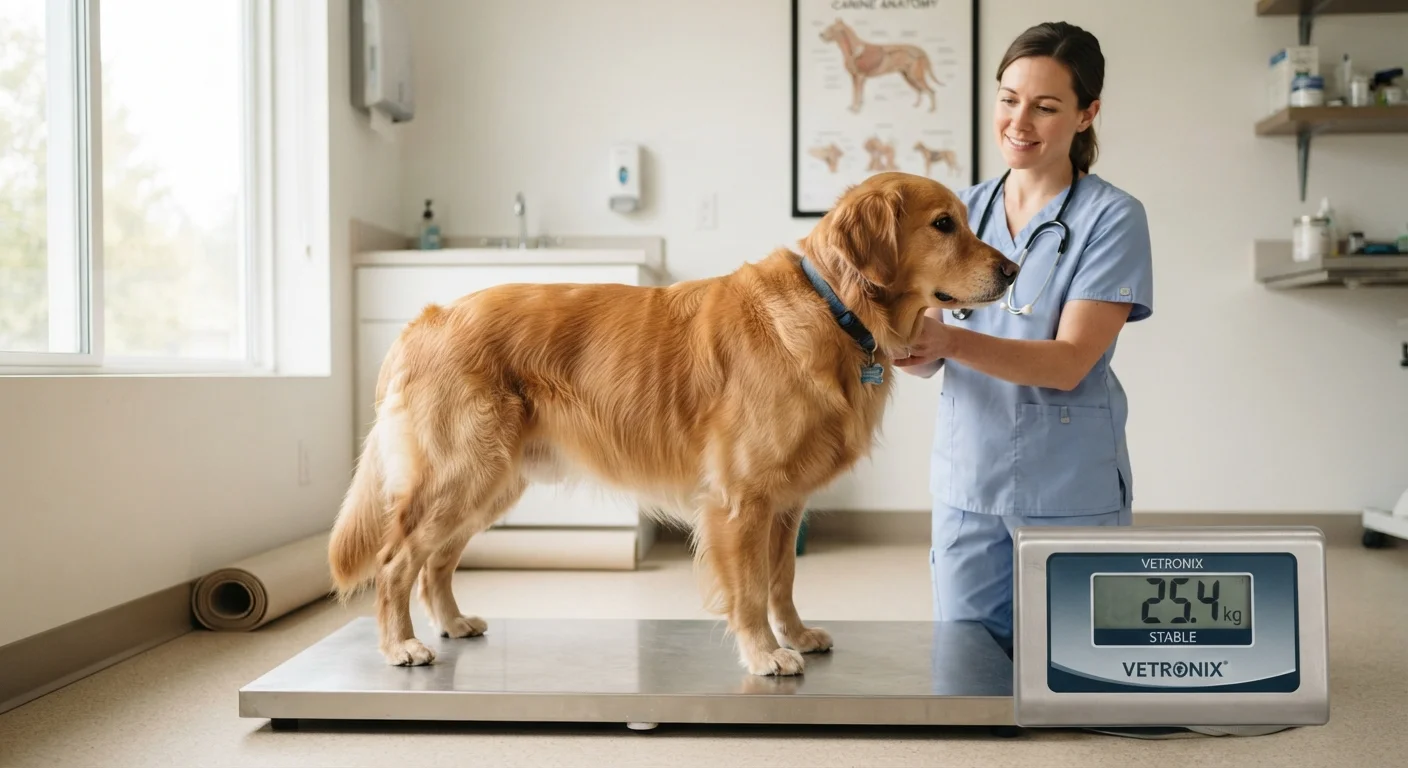
- Overgrown nails: When nails grow too long, they change the way a pet distributes weight while walking. Over time this can stress joints — a concern that connects directly to long-term mobility and the kinds of chronic conditions discussed in why healthy weight matters for your pet's joints and costs.
- Ear neglect: Dogs with floppy ears or pets prone to wax buildup can develop ear infections if ears aren't cleaned regularly. Ear infections frequently require prescription medication and follow-up visits.
- Dental buildup: Skipping teeth brushing allows plaque to calcify into tartar, which eventually requires a professional dental cleaning under anesthesia — one of the more expensive routine veterinary procedures.
~$150–$400
Typical cost of a veterinary ear infection treatment
Ear infection treatment costs vary by severity and location; chronic or severe infections requiring culture testing and specialist care cost significantly more, according to general veterinary pricing data.
$300–$700+
Average cost of a professional dental cleaning for dogs
The American Veterinary Medical Association notes that dental disease is one of the most common — and preventable — conditions in pets, with professional cleanings requiring general anesthesia.
70%
Dogs affected by dental disease by age 3
According to the American Veterinary Medical Association, the majority of dogs show signs of periodontal disease by age three, often linked to insufficient dental care including home brushing.
These are not rare outcomes. They represent the predictable trajectory when basic grooming is deferred.
Grooming as Early Detection
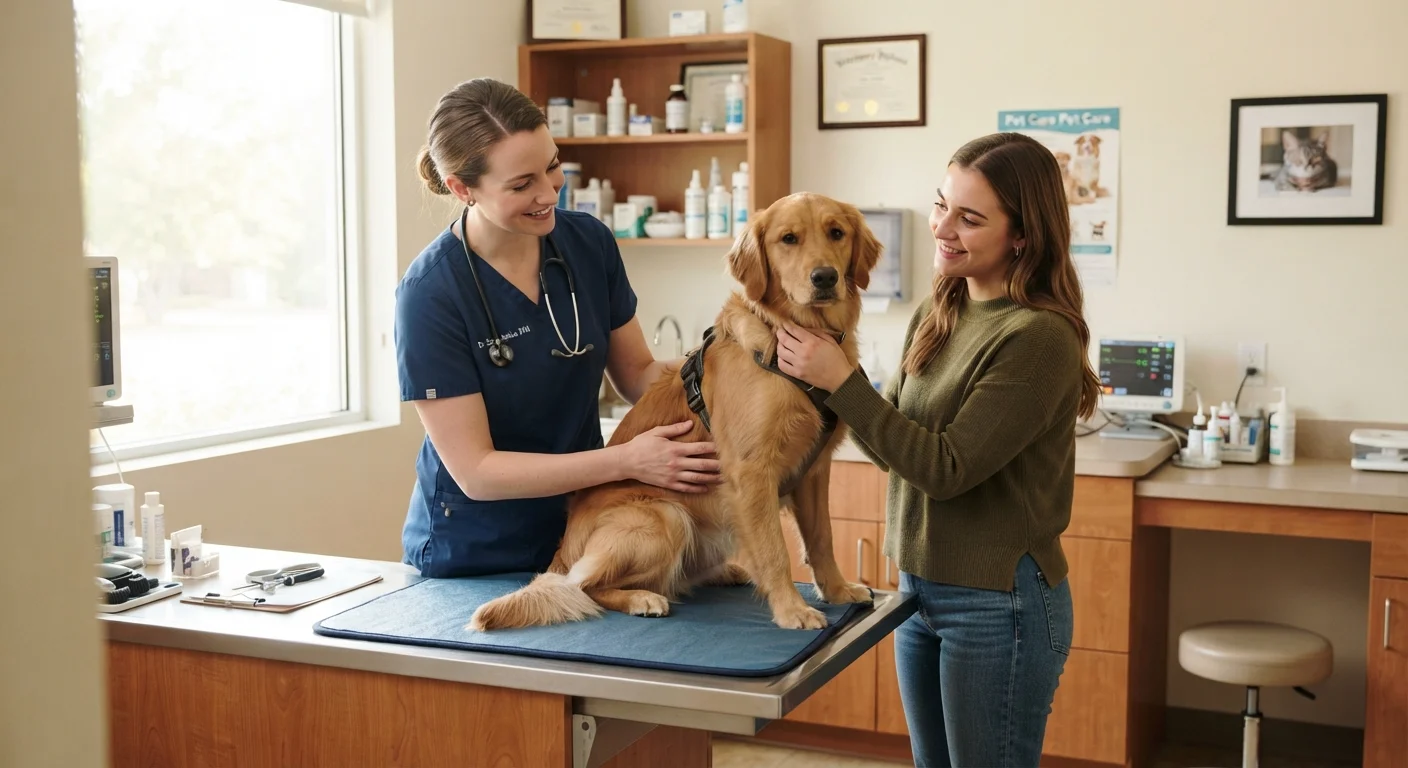
One underappreciated benefit of consistent grooming is that it turns you into an informed observer of your pet's body. Pet owners who groom regularly are more likely to notice early warning signs: a new lump under the fur, a patch of skin that looks inflamed, a toe that seems sensitive to the touch. Catching these changes early — before they progress — is one of the most reliable ways to keep veterinary costs manageable. The mistakes that turn minor problems into major vet bills often begin with overlooked early symptoms.
Pairing a grooming habit with a structured health routine amplifies this effect. Our monthly pet health checklist gives you a simple framework for tracking your pet's condition at home, without needing a vet visit every month.
Building a Sustainable Grooming Routine on a Budget
The goal isn't perfection — it's consistency. A routine that happens regularly, even if imperfect, prevents far more problems than an occasional thorough session. Here's how to approach this practically:
- Know your breed's baseline: Research or ask your vet what grooming frequency your pet actually needs. A Labrador and a Poodle have completely different requirements.
- Invest in the right basic tools: A good brush, nail clippers sized for your pet, and ear-cleaning solution appropriate for your pet's breed are the core kit. These are one-time costs that pay for themselves quickly by reducing professional grooming frequency.
- Make it routine, not reactive: Schedule grooming into your regular week rather than waiting until your pet looks unkempt. Reactive grooming often means dealing with worse conditions.
- Know what to leave to professionals: Some tasks — such as trimming near the eyes or expressing anal glands — are best handled by a groomer or vet. The honest trade-offs of managing pet health on a budget can help you decide where to draw that line.
Routine grooming isn't an indulgence. It's one of the most straightforward, low-cost investments you can make in your pet's ongoing health — and your own peace of mind.
This article is for general informational purposes only and is not a substitute for professional veterinary advice. Always consult a qualified veterinarian about your individual pet's health and grooming needs.