
Why Grooming Myths Spread - and Why They Matter
DIY pet grooming is one of the most practical ways budget-conscious pet owners can reduce costs while staying closely connected to their animal's health. Done correctly, regular at-home brushing, bathing, and nail care prevent expensive vet visits and build genuine trust between owner and pet. Done incorrectly - based on well-meaning but inaccurate advice - it can cause real harm.
Grooming myths circulate easily because they often contain a kernel of plausible logic. "Dogs overheat, so shaving helps" sounds reasonable. "Cats are self-cleaning, so bathing is unnecessary" feels intuitively true. The problem is that plausible isn't the same as accurate, and acting on bad information can mean skin damage, coat problems, or injuries that end up costing far more to treat than a professional groom ever would. See what neglected grooming actually costs for a fuller picture of those downstream expenses.
The myth-and-fact pairs below address the most common misconceptions we hear from pet owners - each one corrected with an explanation of what's actually happening biologically and what you should do instead.
Myth
Shaving a double-coated dog in summer keeps them cooler and prevents overheating.
Fact
Shaving a double coat can actually impair a dog's ability to regulate body temperature and may cause permanent coat damage.
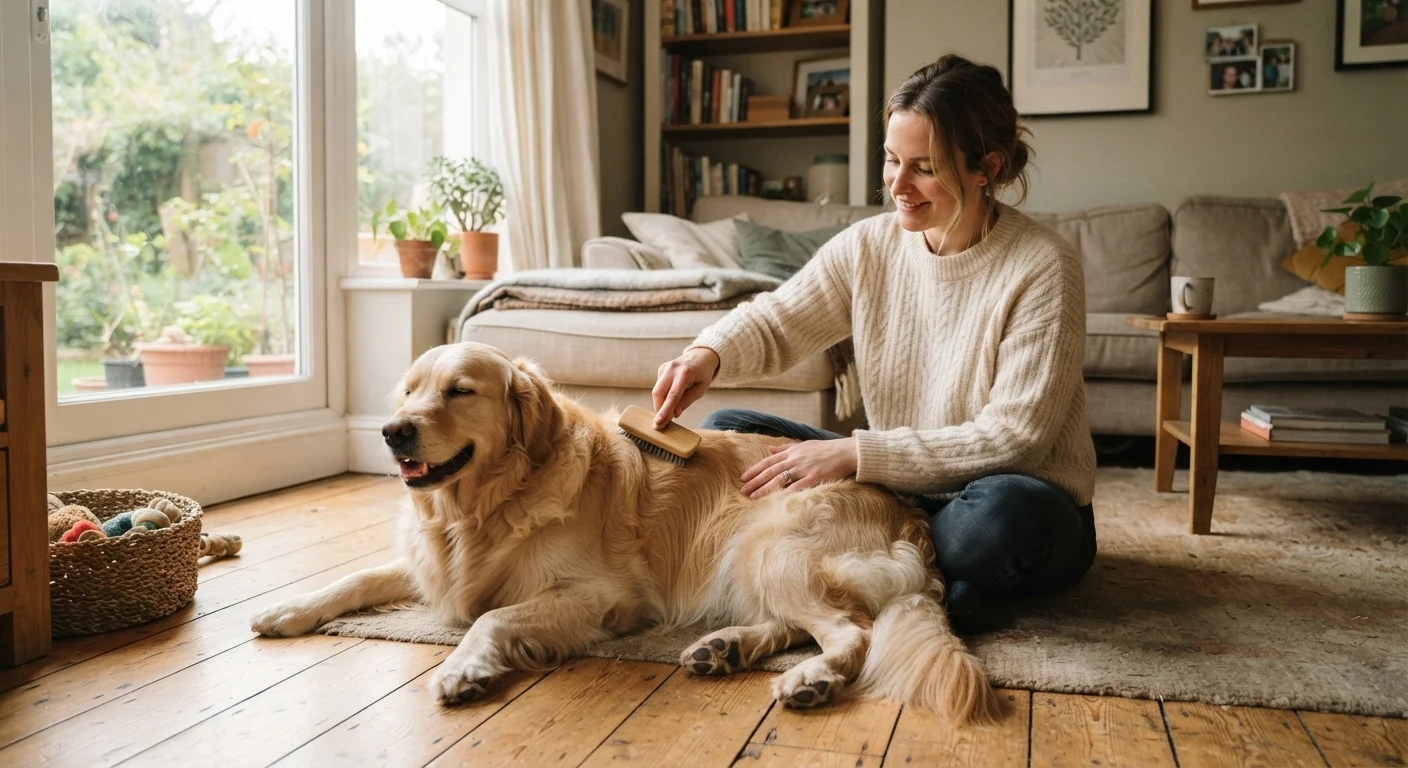
Double coats - found in breeds like Huskies, Golden Retrievers, and German Shepherds - consist of a dense undercoat and a protective outer layer of guard hairs. Together they act as insulation in both directions: keeping cold out in winter and reflecting heat while allowing air circulation in summer. Shaving removes this system entirely. The exposed skin is more vulnerable to sunburn, and the disrupted regrowth can result in a condition sometimes called post-clipping alopecia, where the coat grows back unevenly or fails to return to its original texture. Managing shedding through regular brushing and deshedding tools addresses the real problem - trapped undercoat - without compromising the coat's protective function.
Myth
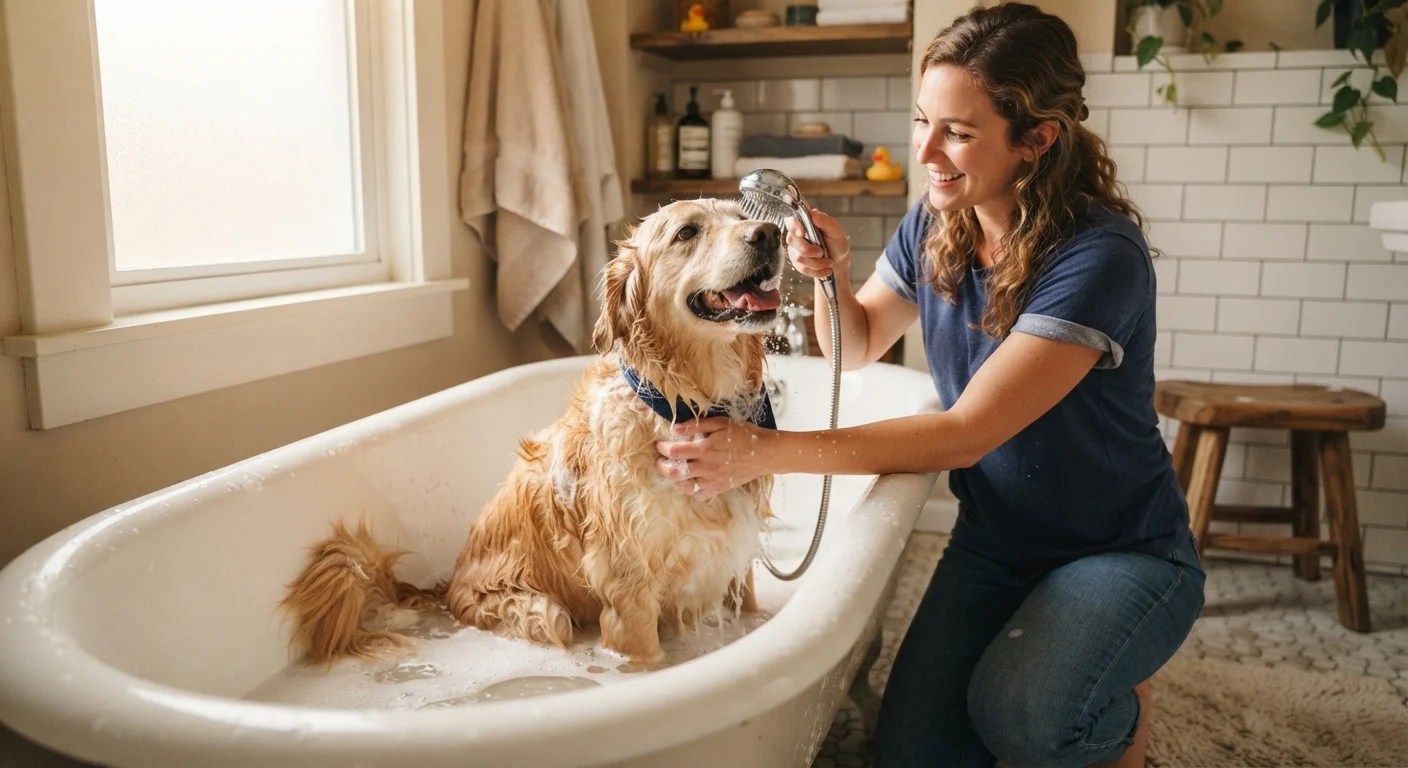
Human shampoo works fine on cats and dogs - shampoo is shampoo.
Fact
Human shampoo has a different pH level than pet-formulated products and can disrupt the skin's protective barrier in animals.
Healthy human skin sits at a pH of roughly 5.5 (mildly acidic), while dogs' skin is generally closer to a neutral 6.5-7.5 and cats sit in a similar range. Human shampoos are formulated for human skin chemistry. Using them on pets can strip the natural oils that protect against bacterial and fungal overgrowth, leading to dryness, itching, and potential dermatitis. This is especially consequential for cats, whose grooming habits mean they ingest residue left on their coat. Pet-specific shampoos are formulated to match your animal's skin pH and are rinsed away more safely.
Myth
Cats don't need any bathing because they groom themselves.
Fact
While cats are efficient self-groomers, certain situations - heavy soiling, skin conditions, or mobility issues - make bathing necessary.
Self-grooming keeps most cats relatively clean under normal circumstances, but it has real limits. Cats with obesity or arthritis may not be able to reach all areas of their body. Long-haired cats can develop mats that self-grooming cannot address. Cats exposed to toxic substances, heavy grease, or flea treatments that have gone wrong need prompt bathing regardless of their grooming habits. Additionally, a cat's coat condition can signal underlying health issues - changes in texture, shine, or odor are worth paying attention to, and occasional bathing gives you an opportunity to inspect the skin directly.
Myth
Bathing your pet as often as possible keeps them cleaner and healthier.
Fact
Over-bathing strips the coat of natural oils, potentially causing dry skin, irritation, and increased shedding.
Sebaceous glands in your pet's skin produce oils (sebum) that lubricate the coat, repel minor moisture, and support skin health. Frequent bathing - especially with harsh products - removes these oils faster than the body can replenish them. The result is dry, flaky skin and a dull coat, which ironically look worse than before. General guidance from veterinary dermatologists suggests most healthy dogs benefit from bathing every four to six weeks, though this varies by coat type, activity level, and individual skin condition. Cats generally require far less frequent bathing. When in doubt, ask your veterinarian what's appropriate for your specific pet.
Myth
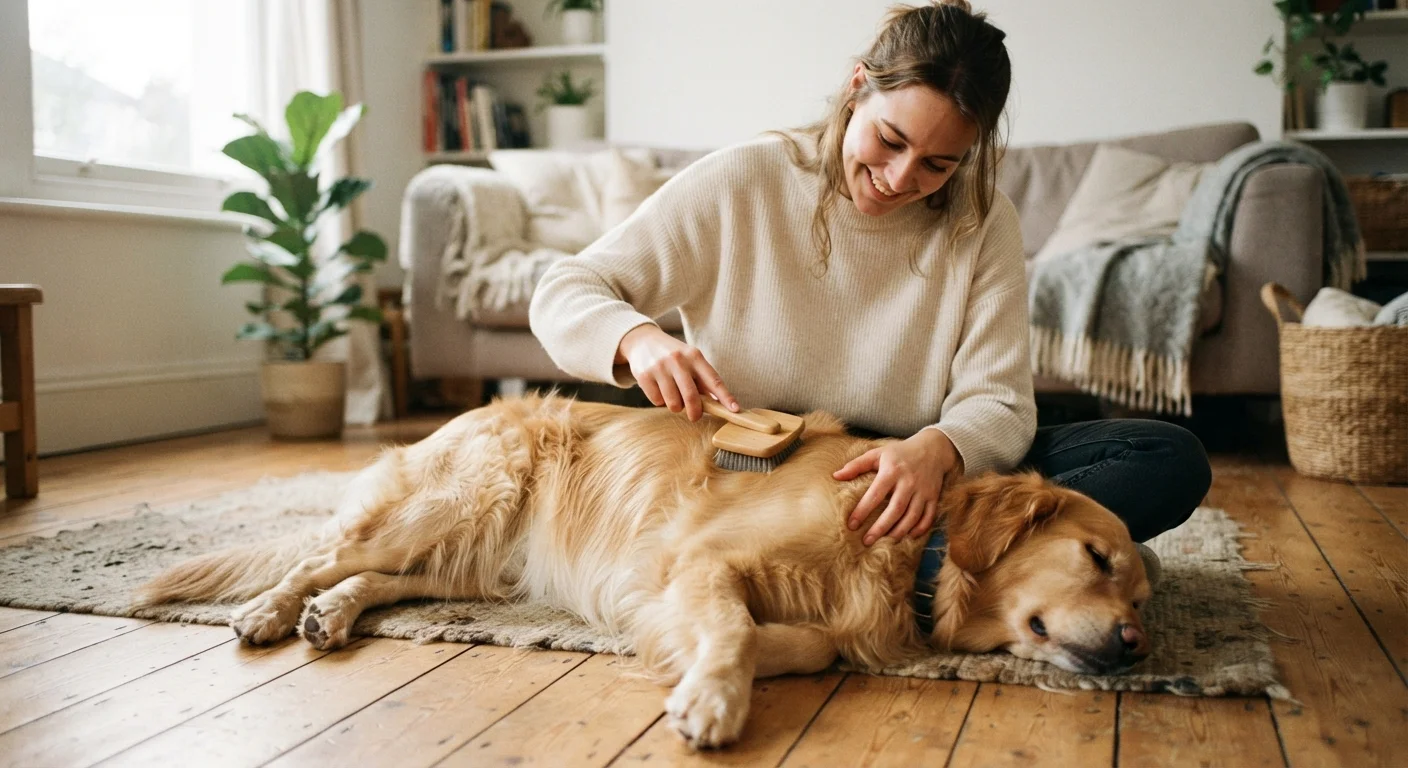
Regular brushing is all you need - professional deshedding treatments are just an upsell.
Fact
For heavy-shedding double-coated breeds, professional deshedding tools and techniques remove significantly more undercoat than standard brushing alone.
Brushing is essential and genuinely effective for surface coat maintenance, detangling, and distributing skin oils. However, dense undercoats - particularly in breeds that blow coat seasonally - can trap dead fur deep beneath the outer layer that standard brushes don't fully reach. Professional deshedding treatments use high-velocity dryers, specialized rakes, and de-shedding solutions that penetrate more deeply. That said, professional deshedding isn't necessary for every pet on every schedule. Understanding when brushing is enough versus when professional deshedding adds real value helps you allocate your grooming budget wisely.
Myth
You can use any scissors or clippers you have at home to trim your pet's coat.
Fact
Household scissors and clippers designed for humans are not calibrated for pet fur and can cause cuts, coat damage, or stress injuries.
Pet fur - particularly the dense, layered coats of many breeds - requires blades designed to handle its texture and thickness. Human hair clippers run at blade speeds and gaps tuned for finer human hair; using them on a thick dog coat can cause the blade to tug and heat up rapidly, risking burns and uneven cuts. Blunt household scissors near a fidgeting animal increase the risk of accidental skin nicks. Investing in species-appropriate grooming tools is one of the foundational steps in any honest assessment of DIY grooming trade-offs.
Building a Safe, Effective At-Home Grooming Routine
Correcting these myths is the first step; building a consistent, safe routine is the second. A few principles apply broadly regardless of your pet's species or coat type.
When to Stop and Consult a Professional
If your pet shows signs of skin irritation, unusual hair loss, persistent matting, or reacts with severe stress during grooming, pause your routine and consult a veterinarian or certified groomer. Some coat and skin conditions require professional diagnosis and treatment before at-home grooming can safely resume. Pushing through visible distress can cause injury to both you and your pet.
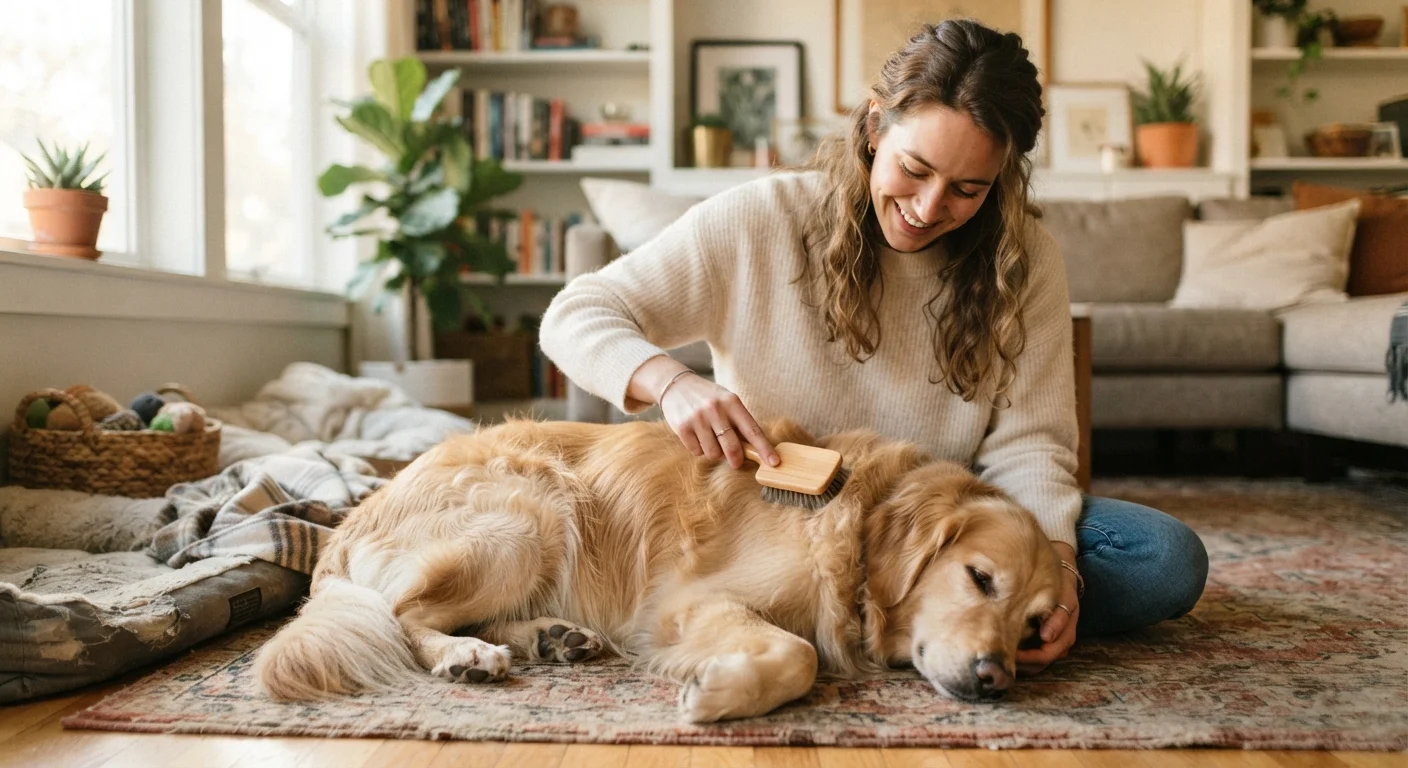
Start with the right tools. Species-appropriate brushes, pet-formulated shampoos, and proper nail clippers suited to your pet's size are non-negotiable basics. Using substitutes - human shampoo, craft scissors, or dog clippers on a cat - introduces unnecessary risk. Our guide to at-home dog grooming without the salon price tag covers the core toolkit in practical detail.
Know your pet's coat category. Single-coated, double-coated, wire-haired, and curly coats all behave differently and respond to different grooming approaches. If you're unsure which category applies to your pet, your veterinarian or a professional groomer can identify it quickly. Understanding your pet's coat type also helps you decide when professional deshedding is worth the investment versus when at-home brushing is sufficient.
Nail trimming deserves its own focus. Many owners avoid it out of fear of cutting the quick - the blood vessel inside the nail. That fear is reasonable, but avoidance isn't the answer. Nail trimming errors at home are among the most common and most preventable grooming mistakes. Learning the correct technique takes one session with a knowledgeable source and prevents months of overgrown, painful nails.
This article is for general informational purposes only and does not constitute veterinary advice. Always consult a licensed veterinarian if you notice changes in your pet's skin, coat, or overall health.