
Why the DIY vs. Professional Debate Actually Matters
Grooming isn't optional - it directly affects your pet's skin, coat, comfort, and even long-term health. The question isn't whether to groom, but how to do it in a way that's safe, effective, and sustainable on your budget. As our article on the real cost of skipping routine pet grooming makes clear, neglecting grooming entirely creates problems that end up costing far more to fix.
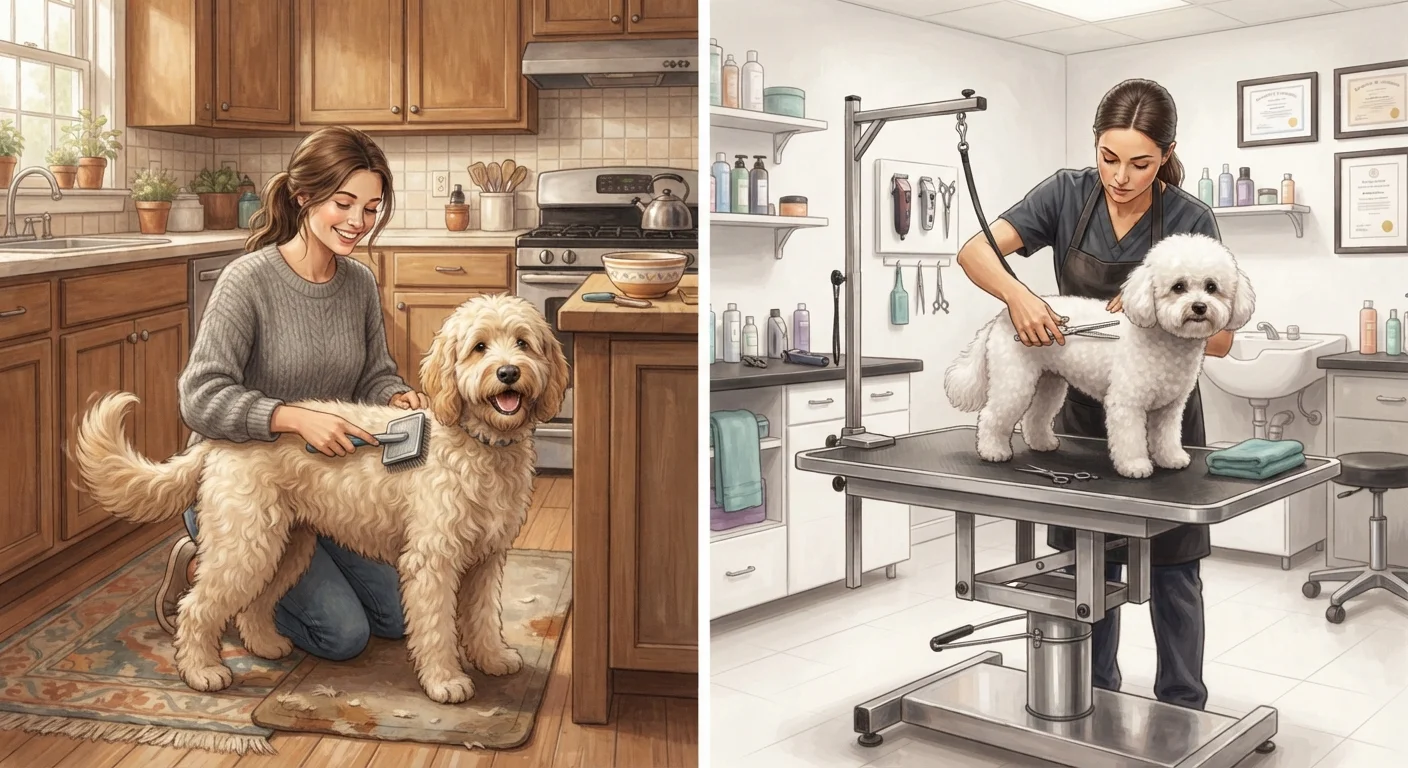
Both approaches - hands-on home grooming and professional salon visits - come with genuine advantages and real limitations. Understanding both honestly helps you build a routine that's right for your specific animal, your schedule, and your finances.
The Case for DIY Grooming
Grooming at home has grown considerably in popularity, and for good reason. When done well, it's one of the more impactful ways to reduce regular pet care spending without compromising your animal's wellbeing.
Substantially reduces annual grooming costs
Professional grooming sessions can run $50-$100 or more per visit depending on breed and coat type. Owners who handle routine maintenance at home can cut that expense significantly over the course of a year.
Strengthens the human-animal bond
Regular hands-on grooming builds trust and familiarity between owner and pet. Animals accustomed to being handled tend to be calmer during veterinary exams and other handling situations.
Flexible scheduling with no appointment needed
Home grooming happens on your timeline, which matters for busy households. You can address a muddy coat or matted fur the moment it needs attention rather than waiting days for an opening.
Builds owner awareness of your pet's condition
Grooming up close lets you notice lumps, skin changes, parasites, or irritation early - potentially catching issues before they require costly veterinary treatment.
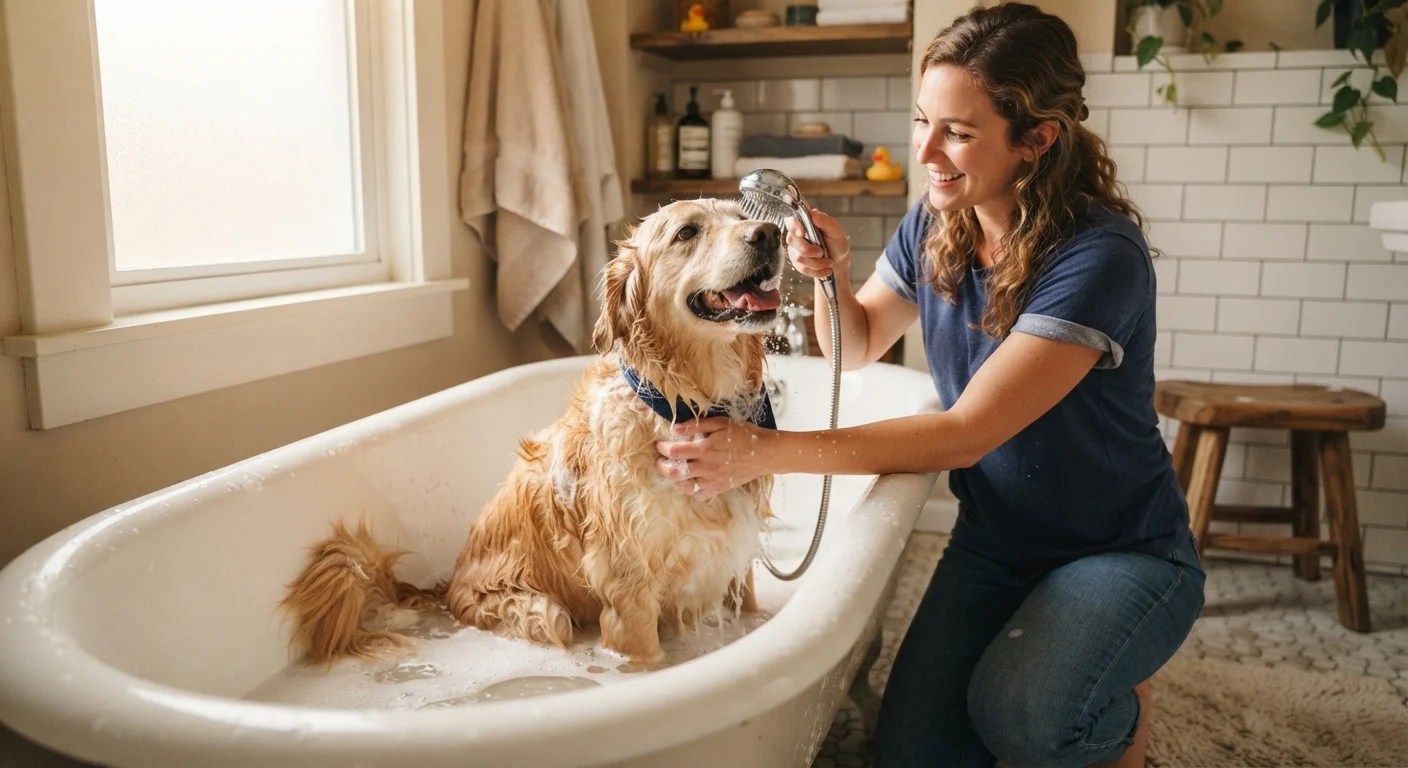
Routine tasks like brushing, basic bathing, and wiping down ears are well within reach for most owners who take the time to learn proper technique. Our guide on at-home dog grooming without the salon price tag walks through the core skills involved. The bond that develops through regular hands-on care is a genuine, well-documented benefit - pets that are groomed often by their owners tend to be more comfortable being handled overall.
The Honest Downsides of Going DIY
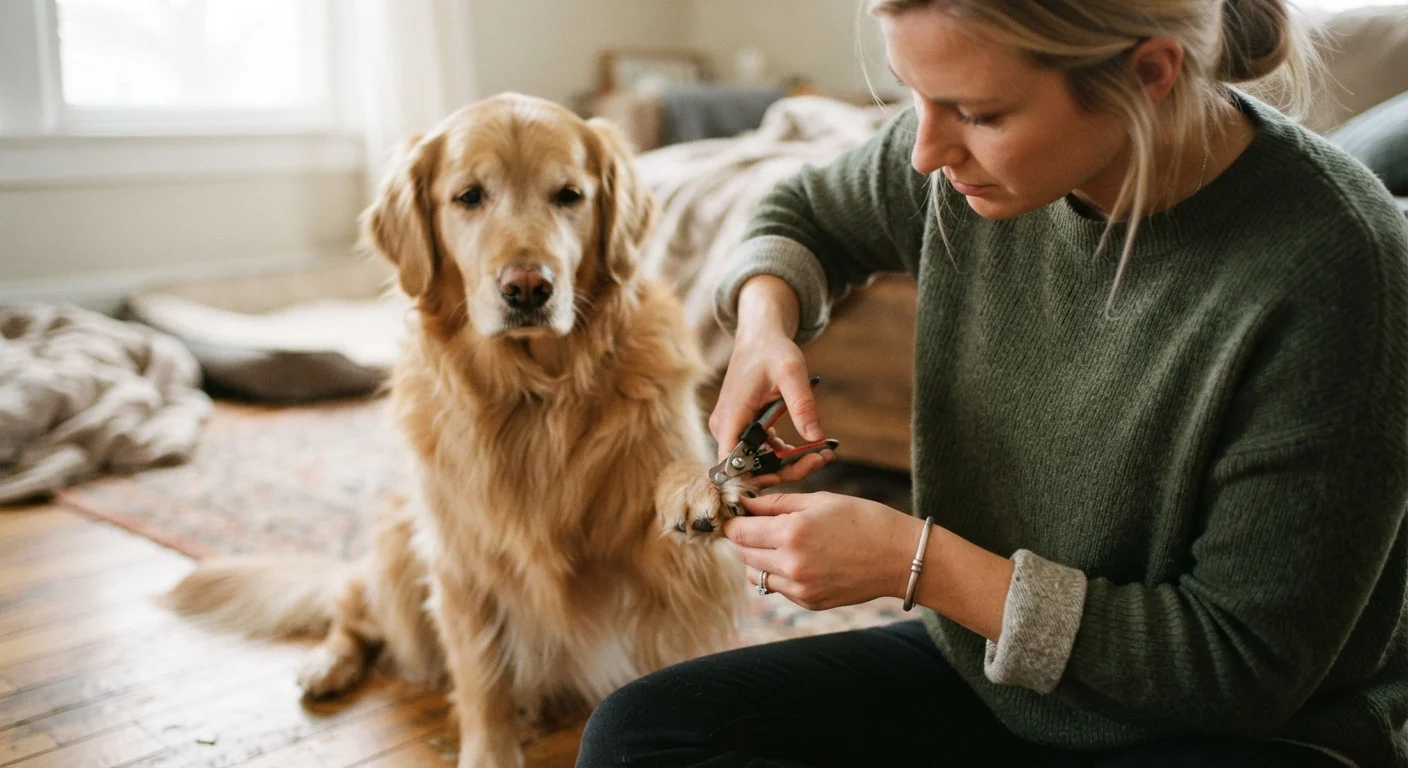
Home grooming has a meaningful learning curve, and certain tasks carry real risk when done without proper training or tools. Nail trimming is a prime example - cutting into the quick causes pain and bleeding, and many owners underestimate how easy it is to do. Our resource on nail trimming at home where most pet owners go wrong covers the most common errors in detail.
Real risk of injury without proper technique
Tasks like nail trimming, ear cleaning, and clipping near sensitive areas can cause pain or injury if done incorrectly. Mistakes are more common than many new DIY groomers expect, especially early on.
Upfront cost of tools and equipment
Quality clippers, brushes, nail trimmers, and shampoos represent a meaningful initial investment. Cheap tools often perform poorly and may need replacement sooner, eroding the cost savings.
Time-consuming, especially for longer-coated breeds
A full grooming session for a large or heavy-coated dog can take several hours. For working owners or those with multiple pets, this time commitment isn't always realistic.
Difficult with anxious or reactive animals
Some pets are genuinely difficult to groom safely without professional handling skills. Forcing the process can increase stress and make future grooming sessions harder for everyone involved.
It's also worth reading up on DIY grooming myths that could harm your animal before getting started - some widely repeated advice, like shaving double-coated breeds in summer, can cause lasting coat damage.
When Professional Grooming Is Worth the Cost
Professional groomers bring more than just scissors and a steady hand. They're trained to handle anxious or reactive animals safely, identify early signs of skin conditions or parasites, and execute breed-specific cuts that require real technical skill. For certain coat types - thick double coats, heavily matted fur, or curly breeds prone to pelting - professional intervention isn't a luxury, it's genuinely necessary.
$30-$90
Typical per-session professional grooming cost
Costs vary widely based on breed, coat condition, and region - larger or more complex breeds often fall at the higher end of this range.
4-6 weeks
Recommended professional grooming frequency for many breeds
Veterinary and grooming professional guidance generally suggests this interval for breeds requiring regular trimming or coat management.
The honest trade-offs of managing pet health on a tight budget are worth considering here: cutting costs in the wrong areas can create more expensive problems down the line. A professional groomer may catch a developing ear infection or skin irritation that an untrained eye would miss entirely.
Signs a Professional Is the Right Call
If your pet's coat is severely matted, they become aggressive or extremely distressed during grooming, or you notice unusual skin conditions, a professional groomer or veterinarian is the appropriate first step. Attempting to manage serious matting at home, for example, can cause skin injuries and significant pain. When in doubt, seeking expert help is the safer and often more cost-effective choice in the long run.
Building a Hybrid Routine That Works
For most budget-conscious pet owners, the most practical path is a hybrid model. Handle weekly brushing, light bathing, and surface-level ear checks at home. Book professional appointments for full grooms, breed-specific trims, or whenever a task feels beyond your current skill level. You can also compare approaches for specific concerns - for instance, understanding brushing versus professional deshedding treatments helps you decide where your time and money is better spent for your pet's coat type.
The Budget Pet Health hub offers additional strategies for keeping overall care costs manageable without cutting corners on what actually matters. Whatever approach you choose, consistency matters far more than perfection.
This article provides general pet care information for educational purposes only. Consult a licensed veterinarian or certified professional groomer for guidance specific to your pet's health and needs.