

What Makes an Expense Fixed or Variable?
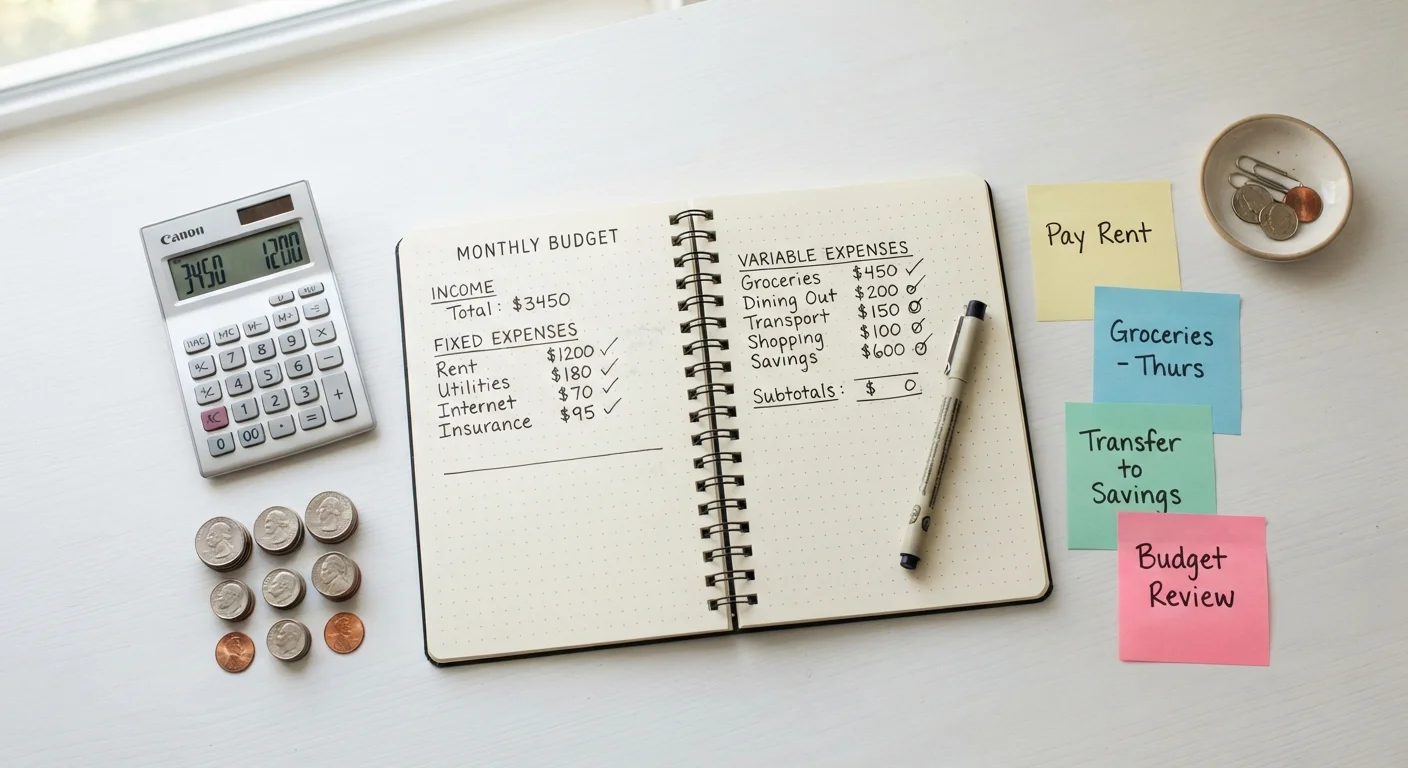
A fixed expense is any cost that stays the same amount every billing cycle regardless of how much you use a service or how your month went. Rent or mortgage payments, car loan installments, and most insurance premiums are classic examples. You owe that amount no matter what.
A variable expense, by contrast, changes based on behavior or consumption. Groceries, gas, dining out, utilities (in many cases), and entertainment all shift month to month depending on what you do. You have meaningful influence over these numbers.
Some costs blur the line. A phone bill with a fixed plan base but variable data overage charges is partly both. A gym membership you negotiate annually is technically fixed for that period but could be cancelled. The useful rule: if you can change the amount this month without breaking a contract, treat it as variable.
The 'Semi-Fixed' Middle Ground
Some expenses don't fit neatly into either category. Subscriptions you could cancel but haven't, or utility bills that vary slightly each month, sit in a semi-fixed zone. For budgeting purposes, assign them to whichever category they most resemble — and revisit them during your annual fixed-cost review. The goal is clarity, not perfection.
Side-by-Side: How They Compare
The table below captures the core differences that matter when you're building or adjusting a budget.
| Criterion | Fixed Expenses | Variable Expenses |
|---|---|---|
| Amount each month | Same every cycle | Fluctuates with use/behavior |
| Examples | Rent, loan payments, insurance | Groceries, gas, dining, utilities |
| Control level | Low (contract-bound) | High (behavior-driven) |
| How to reduce | Renegotiate or cancel contracts | Adjust habits month to month |
| Budget planning role | Sets your monthly floor | Reveals your flexibility margin |
| Frequency of review | Annually or at renewal | Monthly |
One critical insight: fixed expenses define your minimum viable income. If your fixed costs total $2,400 per month, that's the floor — the number you must clear before food, gas, or fun enters the picture. For freelancers and gig workers, this number is especially important. See how to manage it in the context of unpredictable pay in our guide on budgeting on an irregular income.
Why This Distinction Changes Your Budgeting Strategy
Most people budget by subtracting total spending from income and hoping for a positive number. Separating fixed from variable expenses gives you something more useful: a layered view of where your money is committed versus where it's negotiable.
For fixed expenses: the goal is reduction at the contract level — refinancing, shopping insurance rates annually, or downsizing a plan. These wins are infrequent but large. Once locked in, they run on autopilot. For car-related fixed costs specifically, our article on automotive expenses you can trim walks through what's actually adjustable.
For variable expenses: the strategy is monthly awareness and incremental adjustment. Tracking how much you spent on groceries last month creates a realistic target for this month. Even reducing a variable category by 15% compounds meaningfully over a year.
Framing your budget this way also prevents a common trap: cutting variable spending so aggressively that you ignore bloated fixed costs — or vice versa. Both levers matter, but they require different tools and different timing. If you want to see how this fits into broader budgeting systems, our comparison of budgeting methods covers how frameworks like 50/30/20 treat these categories.
~67%
Americans living paycheck to paycheck
A 2023 LendingClub report found roughly two-thirds of U.S. consumers have little buffer between income and expenses, underscoring why knowing your fixed floor matters.
$1,500+
Average monthly rent increase since 2019
Median U.S. asking rents rose sharply through the early 2020s according to data tracked by Apartment List, pushing fixed housing costs to a larger share of millennial budgets.
Putting It Into Practice
Start by listing every monthly expense and labeling each one fixed or variable. Then add up your fixed total — that's your floor. What remains from your take-home income is your discretionary zone, covering variable essentials (groceries, gas) and true discretionary spending (streaming, dining out, hobbies).
From there, you can make deliberate trade-offs. Want to save an extra $150 a month? You now know whether to look at renegotiating a fixed cost or trimming variable spending — rather than just vaguely spending less. This kind of structured awareness is what separates reactive money management from proactive budgeting. It's also worth revisiting assumptions you've held about budgeting itself — our piece on common budgeting myths challenges several widely held beliefs that may be slowing you down.
This article is for general informational and educational purposes only and does not constitute personalized financial advice. Consult a qualified financial professional for guidance specific to your situation.