
Where Your Money Is Actually Going
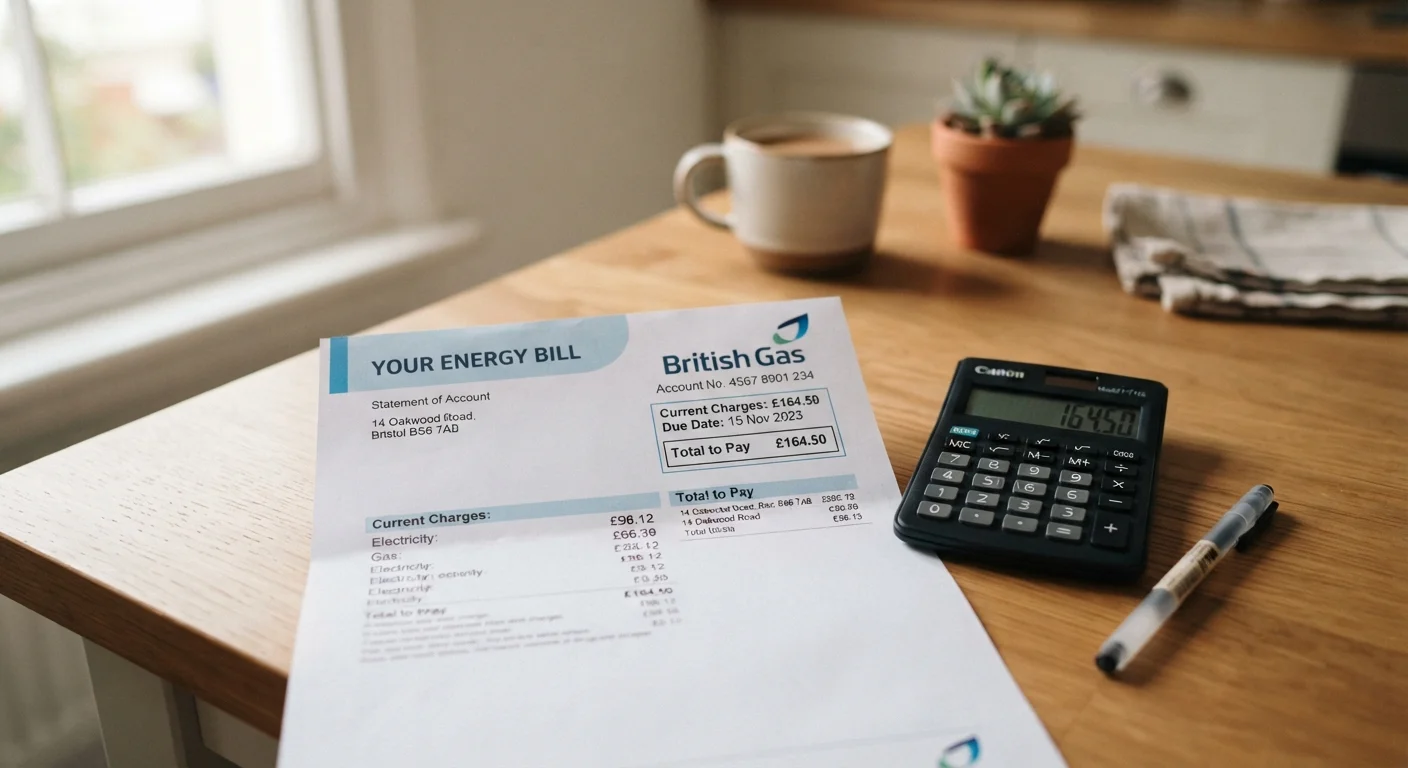
Before cutting costs, it helps to know what's actually driving them. If you haven't looked closely at your utility statement before, the breakdown of each charge can be eye-opening. For most U.S. households, the rough split looks like this:
- Heating and cooling (HVAC): ~45–50% of energy use
- Water heating: ~14–18%
- Appliances and electronics: ~25–30%
- Lighting: ~5–10%
That hierarchy should shape your priorities. Tweaking your lighting habits alone won't move the needle the way a few thermostat adjustments will. Start with the biggest buckets and work down.
For a broader foundation on managing household energy, the home energy savings primer covers key concepts and longer-term strategies worth understanding alongside these steps.
Request a Free Home Energy Audit
Many utilities offer free or low-cost home energy audits where a technician identifies your biggest efficiency gaps. This can save you significant guesswork and help you prioritize spending if you eventually want to invest in upgrades like added insulation or a programmable thermostat. Check your utility provider's website under 'programs' or 'efficiency' to see what's available in your area.
Step-by-Step: Changes You Can Make This Week
The steps below are ordered by impact. None require hiring a contractor or spending hundreds of dollars upfront. Each one is reversible if it doesn't suit your household.
Adjust your thermostat by a few strategic degrees
The U.S. Department of Energy estimates that adjusting your thermostat 7–10°F from its normal setting for 8 hours a day can trim your annual heating and cooling costs by around 10%. In winter, try 68°F when home and awake; lower it when asleep or away. In summer, raise the setpoint when you leave. A programmable or smart thermostat automates this without requiring daily effort.
Seal air leaks around doors, windows, and outlets
Drafts force your HVAC system to work harder. Common leak points include door frames, window edges, electrical outlets on exterior walls, and gaps around plumbing penetrations. Weatherstripping and foam outlet gaskets are inexpensive and require no special skills to install. A simple test: hold a lit incense stick near suspect areas on a windy day — smoke movement reveals leaks.
Use curtains and blinds actively, not decoratively
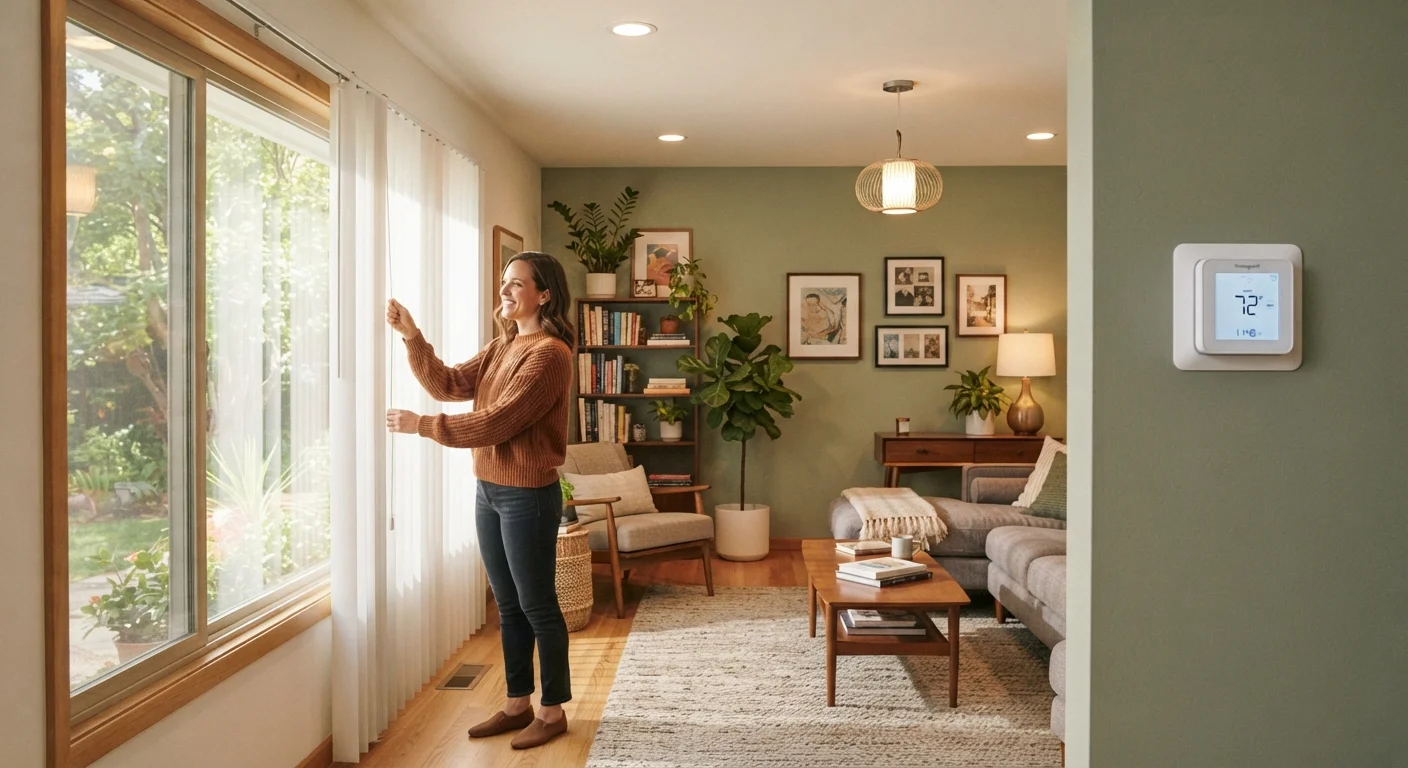
In winter, open south-facing curtains during daylight to gain free solar heat, then close all curtains at dusk to trap warmth. In summer, keep blinds closed on east- and west-facing windows during peak sun hours to reduce cooling load. Blackout or thermal curtains amplify the effect, but standard curtains still help.
Switch to LED lighting throughout
LEDs use roughly 75% less energy than incandescent bulbs and last significantly longer. If you haven't switched fully yet, prioritize fixtures that are on for the most hours each day — kitchen overhead lights, living room lamps, and exterior security lights. The upfront cost per bulb has dropped considerably; most standard LEDs now cost only a few dollars each.
Run appliances during off-peak hours if your utility offers time-of-use rates
Some utilities charge more per kilowatt-hour during high-demand periods, typically weekday afternoons and early evenings. If your plan has time-of-use pricing, shifting dishwasher and laundry cycles to evenings or weekends can reduce your bill without changing how much energy you use — only when you use it. Check your utility's rate structure online or on your bill to confirm whether this applies to you.
Lower your water heater temperature to 120°F
Many water heaters ship with a factory default of 140°F, which is higher than most households need and increases standby heat loss. Lowering the setting to 120°F reduces energy consumption and eliminates scalding risk. The adjustment is typically made via a dial on the tank itself; consult your unit's manual if the location isn't obvious.
Energy needs also shift across seasons, so the habits you build now may need adjusting later. The year-round seasonal energy guide walks through what to prioritize quarter by quarter.
Appliances, Phantom Load, and Water
Once you've addressed heating, cooling, and insulation basics, the next layer is appliances and water. Water heating deserves special attention — it's the second-largest energy expense in most homes, and many households can cut consumption meaningfully without cold showers or shorter washes. The guide to reducing hot water costs goes deep on this.
Don't Lower Your Water Heater Without Checking First
Households with older plumbing systems or tank-style heaters that haven't been serviced recently should have the unit inspected before making temperature adjustments. Sediment buildup can affect performance and efficiency. If you notice unusual sounds from your water heater or inconsistent hot water delivery, have a licensed plumber take a look before making changes.
On the electricity side, phantom load — the power devices draw while plugged in but idle — is a quiet budget drain. TVs, gaming consoles, phone chargers, and cable boxes are common culprits. Plugging these into a power strip with an on/off switch makes it easy to cut the draw completely when not in use, without unplugging everything individually.
If you have a garden, water bills can also creep up. Timing irrigation correctly and using mulch to retain soil moisture are among the most effective tactics — the smart garden watering guide covers these in detail.
This article provides general information about household energy and water management. It is not a substitute for advice from a qualified energy auditor, licensed contractor, or utility professional. Always verify local codes and safety requirements before making changes to appliances or systems in your home.