
Why Passive Savings Strategies Actually Work
The most effective savings strategies share one trait: they don't require you to make a good decision every single day. Willpower is a finite resource, and building a budget that relies entirely on it is like building a dam out of good intentions.
Passive or "set-it-and-forget-it" systems work because they remove the decision from the moment of temptation. Automatic transfers, lower default spending levels, and habit loops that require no thought are consistently more effective than motivation-based approaches. This guide is built around that principle — less thinking, not more.
“The secret to saving money isn't discipline — it's design. When your environment makes the default choice the smart one, you stop having to fight yourself every day.”
— Richard Thaler, Nobel Prize-winning economist and co-author of 'Nudge'
Building a Spending Baseline You Can Actually Use
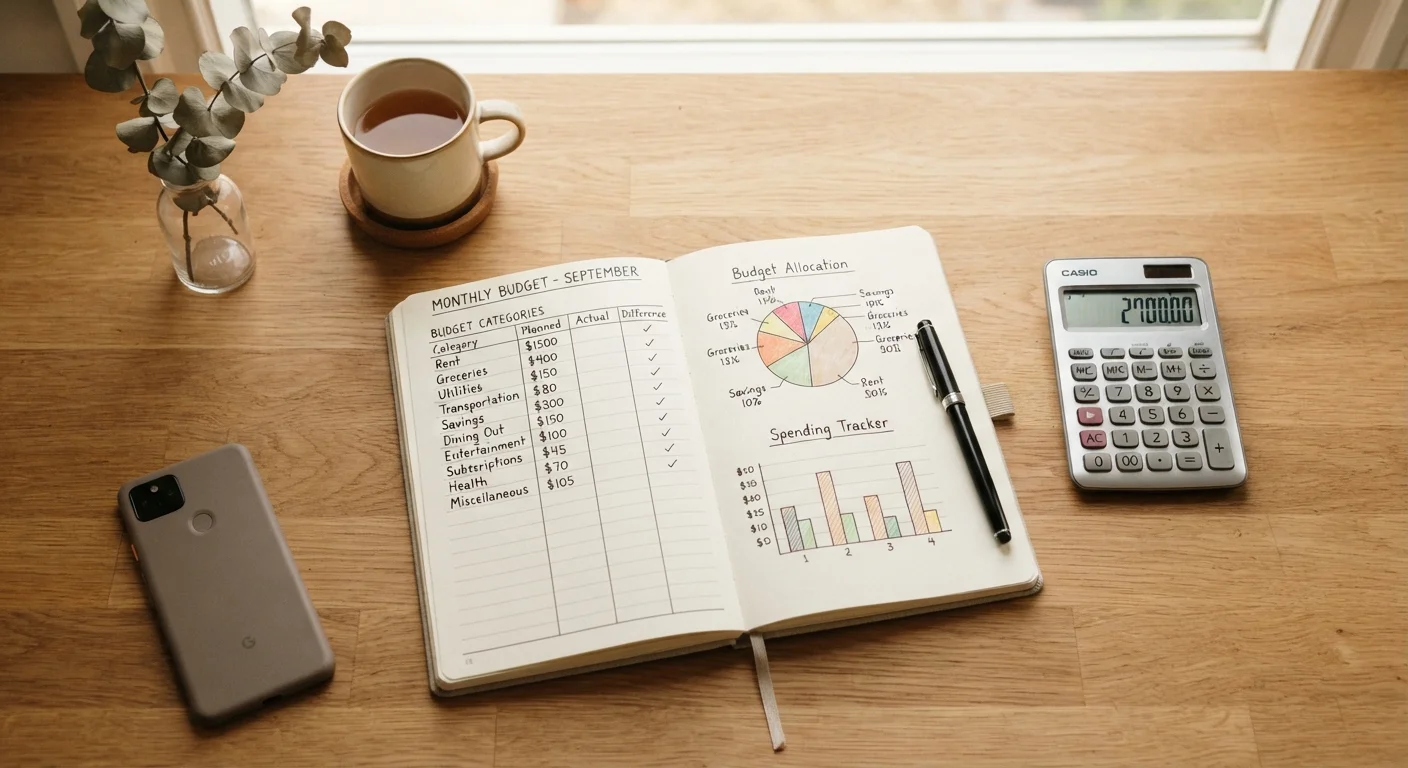
Before changing anything, you need to know where your money actually goes — not where you think it goes. Pull the last two months of bank and credit card statements and sort transactions into five buckets: housing, food, transportation, subscriptions/utilities, and everything else.
You don't need a spreadsheet. A notes app or a single sheet of paper works. The goal is pattern recognition, not precision accounting. Most people find at least two or three categories where spending is meaningfully higher than expected — that gap is your opportunity.
For a structured framework to build on this baseline, see our complete personal budgeting guide.
$1,497
Average monthly food spend per US household
According to the U.S. Bureau of Labor Statistics Consumer Expenditure Survey, food represents one of the largest variable expense categories for American households.
~$273
Estimated monthly spend on unused subscriptions
A 2022 survey by C+R Research found Americans underestimate their subscription spending by a wide margin, often forgetting services they rarely use.
Cutting Household Fixed Costs
Fixed costs are worth attacking first because even a small reduction compounds month after month. Start with recurring charges — streaming services, gym memberships, software subscriptions, and premium tiers you signed up for and forgot.
Run a 'subscription audit' on the same day every three months — check your bank and credit card statements for any recurring charge you didn't consciously renew.
Recurring charges are designed to be forgettable. Scheduled quarterly reviews prevent months of paying for services you've stopped using.
Set your savings transfer to hit your account the same day your paycheck arrives, not at the end of the month when most of the money is already gone.
Behavioral economics research consistently shows that automating savings before discretionary spending occurs leads to significantly higher savings rates.
Beyond subscriptions, review your insurance premiums annually. Auto, renters, and home insurance rates can vary significantly between providers for identical coverage. Bundling policies or raising deductibles (if you have emergency savings to cover the difference) can reduce premiums without changing your actual coverage level. For strategies specific to vehicle ownership costs, the Cutting Car Costs hub covers fuel, insurance, and maintenance expenses in detail.
Fixed Costs Require a Different Approach
Variable spending (coffee, takeout, clothing) gets most of the attention in savings advice, but fixed costs — rent, insurance, loan payments — have a much larger structural impact on your budget. Even a single renegotiation of an insurance premium or a refinanced loan can outperform months of skipping lattes. Prioritize fixed costs before focusing exclusively on discretionary habits.
Food and Grocery Spending Without the Deprivation
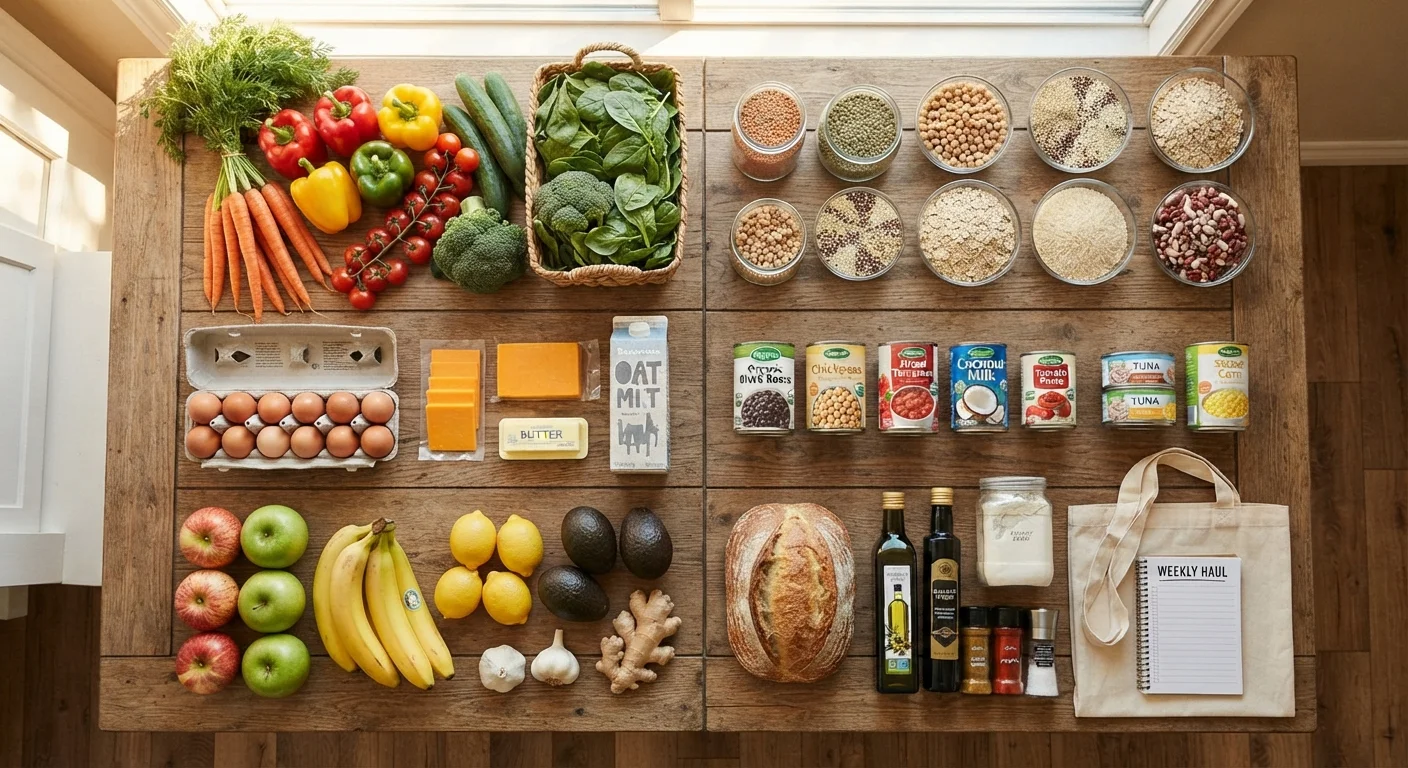
Food is one of the largest variable expenses and also one of the most emotionally loaded. Cutting food spending doesn't have to mean eating worse — it primarily means reducing waste and friction in how you shop.
The most effective lever is meal planning. Households that plan meals before shopping consistently spend less and waste less than those that shop by feel. You don't need a rigid seven-day meal plan — even a rough sense of three to four dinners for the week reduces impulse buying significantly.
Buying store-brand staples (pasta, canned goods, dairy) over name-brand equivalents typically saves 20–30% on those items with no meaningful quality difference for most uses. Our weekly grocery budget framework walks through a structured approach to planning and spending that keeps both nutrition and cost in check.
The 24-Hour Rule for Non-Essential Purchases
Before buying anything non-essential over $30, wait 24 hours. Add it to a list and revisit it the next day. Most impulse-driven purchases feel significantly less urgent — or necessary — after a short delay. This single habit can reduce unplanned spending without requiring any budgeting app or system.
Transportation: The Overlooked Budget Drain
After housing, transportation is typically the second-largest household expense — and one of the most under-audited. Most people know their car payment but have a much fuzzier sense of total ownership cost when you add fuel, insurance, parking, tolls, and maintenance.
A few high-leverage moves: consolidate errands into fewer trips, keep tires properly inflated (which measurably affects fuel economy), and if you carry comprehensive and collision insurance on an older paid-off vehicle, evaluate whether the coverage cost makes sense relative to the vehicle's current market value.
For a deeper look at reducing what you spend to own and operate a vehicle, explore the strategies in the Cutting Car Costs hub.
Don't Cut So Deep You Snap Back
Aggressive, across-the-board spending cuts often backfire. When a budget feels punitive, most people abandon it within weeks and overspend to compensate. Focus on trimming waste and friction costs first — not enjoyment. Sustainable savings come from removing spending you don't notice, not spending you value.
Building Habits That Save Automatically
The final layer is turning one-time decisions into permanent system changes. Three habits tend to have an outsized effect with minimal ongoing effort:
- Automate a savings transfer on payday — even $25 per paycheck builds a meaningful buffer over time.
- Use a single debit or credit account for discretionary spending so your statement is easy to review quickly each month.
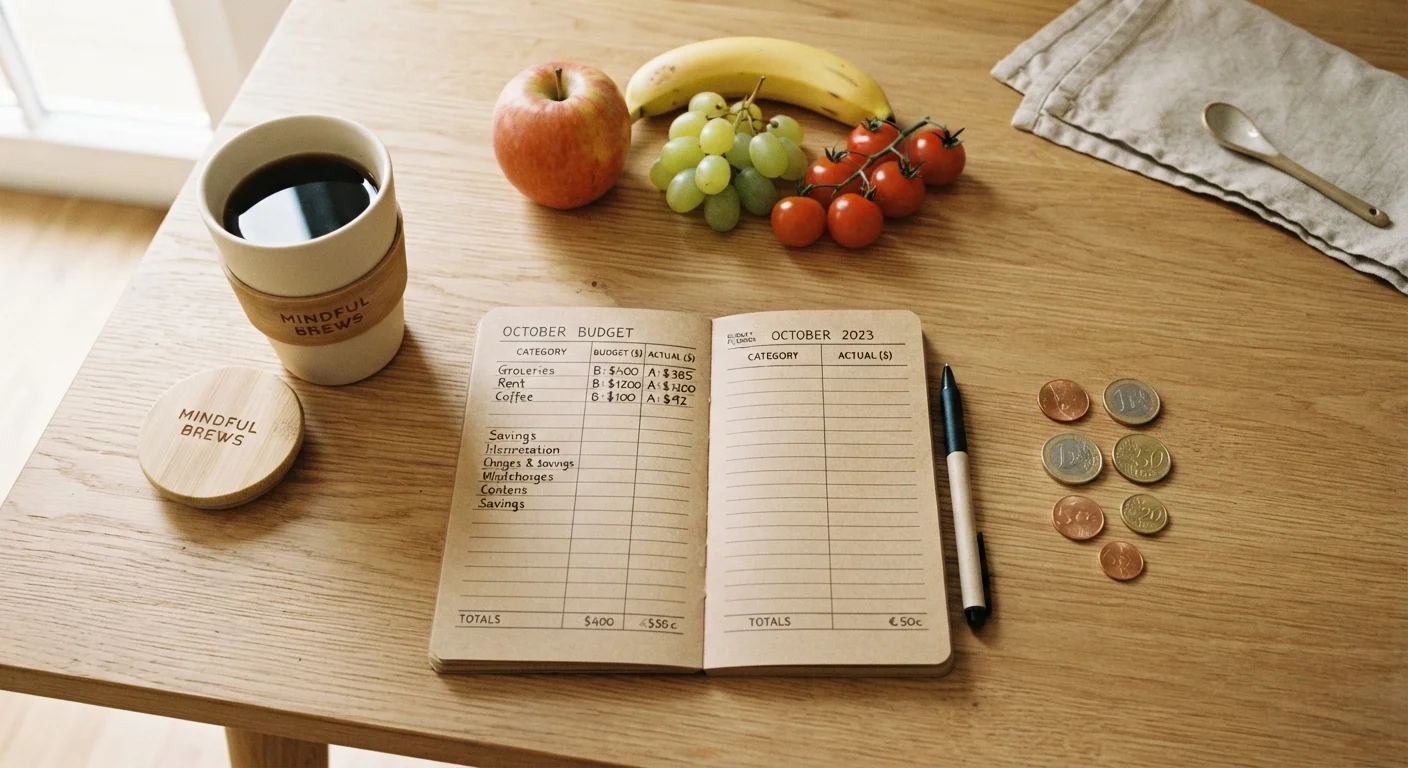
- Set a monthly "money date" — 20 minutes to review the past month's spending and make one small adjustment.
For readers looking to go deeper on the psychology and systems behind spending behavior, our guide to smarter everyday spending habits covers habit formation and intention-setting in more detail. Explore additional smarter spending strategies across everyday categories.
This Is General Financial Information
This guide provides general educational information about everyday spending strategies. It is not personalized financial advice. For guidance specific to your income, debt, or financial situation, consider speaking with a licensed financial adviser or a nonprofit credit counselor.
This article is for general informational and educational purposes only and does not constitute personalized financial advice. Consult a qualified financial professional for guidance specific to your situation.