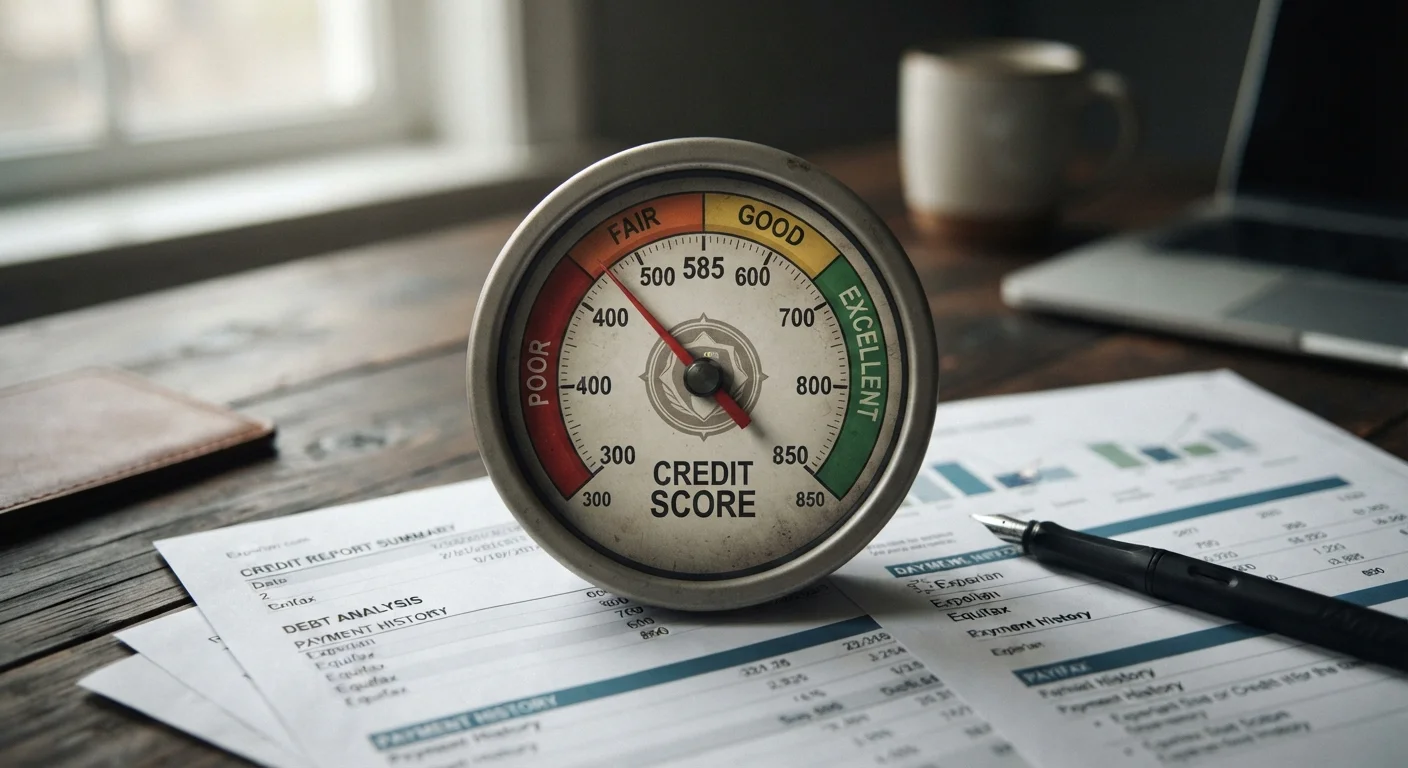


Why Long-Term Habits Beat Short-Term Tactics
There's no shortage of credit score "hacks" circulating online — rapid rescoring, strategic balance transfers, piggybacking on someone else's account. Some have limited merit in narrow circumstances; most are overstated. What reliably moves the needle is less exciting but far more durable: consistent, low-friction behaviors practiced over months and years.
Credit scoring models are built to assess your track record, not a single moment. A strong profile is simply evidence that you've managed credit responsibly across time and account types. That's good news for anyone starting from scratch or recovering from past difficulties — the path forward is the same, and it's mostly about not making things worse while letting positive habits compound.
For context on what can undermine progress along the way, see our guide to overlooked factors that quietly damage your credit score.
Credit Scores Are Not One-Size-Fits-All
Different lenders use different scoring models — FICO and VantageScore are the two most common — and the exact weight given to each factor can vary. The habits described here benefit your profile across virtually all major models, but specific score changes will depend on your unique credit history and the model being used.
The Core Practices That Actually Move Your Score
The habits below address the factors that carry the most weight across major scoring models. They're ranked by impact, not complexity — most require a one-time setup or a periodic check rather than ongoing effort.
Set up automatic minimum payments on every credit account you hold.
Payment history typically accounts for around 35% of a FICO score, making it the most influential single factor. Even one missed payment can stay on your credit report for up to seven years. Automating at least the minimum removes the risk of a forgotten due date derailing months of progress.
Keep your credit utilization ratio below 30% on each card and in total.
Credit utilization — how much of your available revolving credit you're using — is a significant scoring factor. High balances relative to your limits signal financial strain to lenders, even when you pay on time. Lower utilization, especially below 10%, is consistently associated with stronger scores.
Avoid closing old credit accounts you're no longer actively using.
The average age of your accounts contributes to your score, and closing an old card shortens that average and reduces your total available credit — both of which can nudge your score downward. Closing cards you no longer use can have unintended consequences that many people don't anticipate.
Space out new credit applications to avoid clustering hard inquiries.
Each time you formally apply for credit, a hard inquiry is recorded and can temporarily reduce your score by a few points. Multiple applications in a short window amplify that effect and can signal credit-seeking behavior to lenders. Rate-shopping for a mortgage or auto loan within a focused window is typically treated as a single inquiry by major scoring models.
Pull your free credit reports regularly and dispute any errors promptly.
Errors on credit reports — wrong account statuses, duplicate entries, fraudulent accounts — are more common than many people realize and can suppress your score unfairly. Federal law entitles consumers to free reports from each of the three major bureaus. Catching and disputing mistakes quickly limits how long they affect your profile.
Diversify your credit mix thoughtfully over time.
Scoring models reward a demonstrated ability to manage different types of credit — revolving accounts like credit cards alongside installment loans such as auto or student loans. This doesn't mean taking on debt you don't need, but if you're already managing both types responsibly, you're already benefiting.
If you're also sorting out the relationship between balances and interest, our explainer on common misconceptions about carrying a credit card balance clears up some frequently misunderstood mechanics.
Start Here: Actions You Can Take Today
Building credit doesn't require a financial overhaul — it requires getting the fundamentals running reliably. The three actions below take under 30 minutes combined and address the highest-impact areas immediately.
Once these are in place, the most productive thing you can do is stay consistent and patient. Scores reflect behavior over time, and the most dramatic improvements tend to come from simply maintaining good habits for six to twelve months without interruption. If you're rebuilding after a setback rather than starting fresh, the same principles apply — our guide on rebuilding credit after a financial setback walks through the realistic timeline and priorities.
This article is for general informational and educational purposes only and does not constitute personalised financial advice. Consult a qualified financial professional for guidance specific to your situation.