
Why Minimum Payments Feel Safe But Aren't
Credit card minimum payments are engineered to feel manageable. They're low enough to fit into almost any budget, and as long as you pay them on time, your account stays in good standing. But that affordability comes at a steep long-term price that most card issuers don't advertise prominently.
Here's the core problem: when you carry a balance, interest accrues daily based on your annual percentage rate (APR). A minimum payment — typically 1%–3% of your balance — barely covers that month's interest charges. Only a small portion actually reduces what you owe. The next month, interest charges again on a balance that's barely moved. Repeat that cycle for years and you've paid a significant sum without making a meaningful dent in the original debt.
This isn't an accident of bad design. Card issuers profit from revolving balances. Understanding this dynamic is the first step toward breaking free of it.
22%+
Average credit card APR in recent years
According to Federal Reserve data, average credit card interest rates have risen sharply in recent years, making minimum-only payments increasingly costly.
10–15 yrs
Typical payoff timeline on minimums only
A $3,000 balance at a typical APR, paid at the minimum rate, can take well over a decade to clear — with total interest exceeding the original balance.
30%
Credit utilization threshold that affects scores
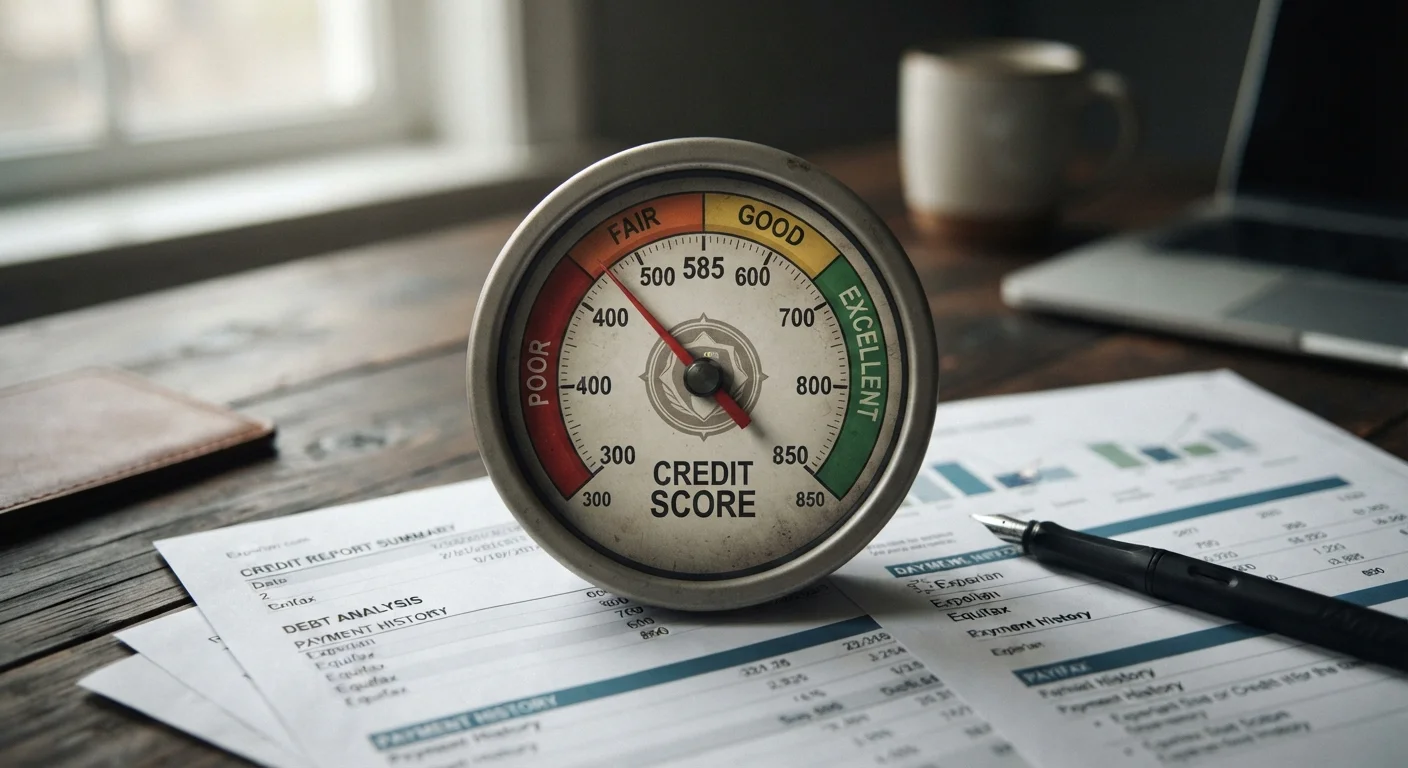
Credit scoring models generally begin penalizing scores when revolving utilization exceeds 30% of available credit — a threshold minimum payments rarely help you cross.
The Numbers Behind the Minimum Payment Trap
Consider a $3,000 credit card balance at a 22% APR — roughly the national average rate in recent years. If your minimum payment is set at 2% of the balance or $25, whichever is greater, your first minimum payment might be around $60. That sounds reasonable. But watch what happens over time:
- After one year of minimum payments, you've paid several hundred dollars — and still owe close to $2,800.
- Total repayment stretches to roughly 12–15 years under this structure.
- You could pay more in interest than the original balance itself.
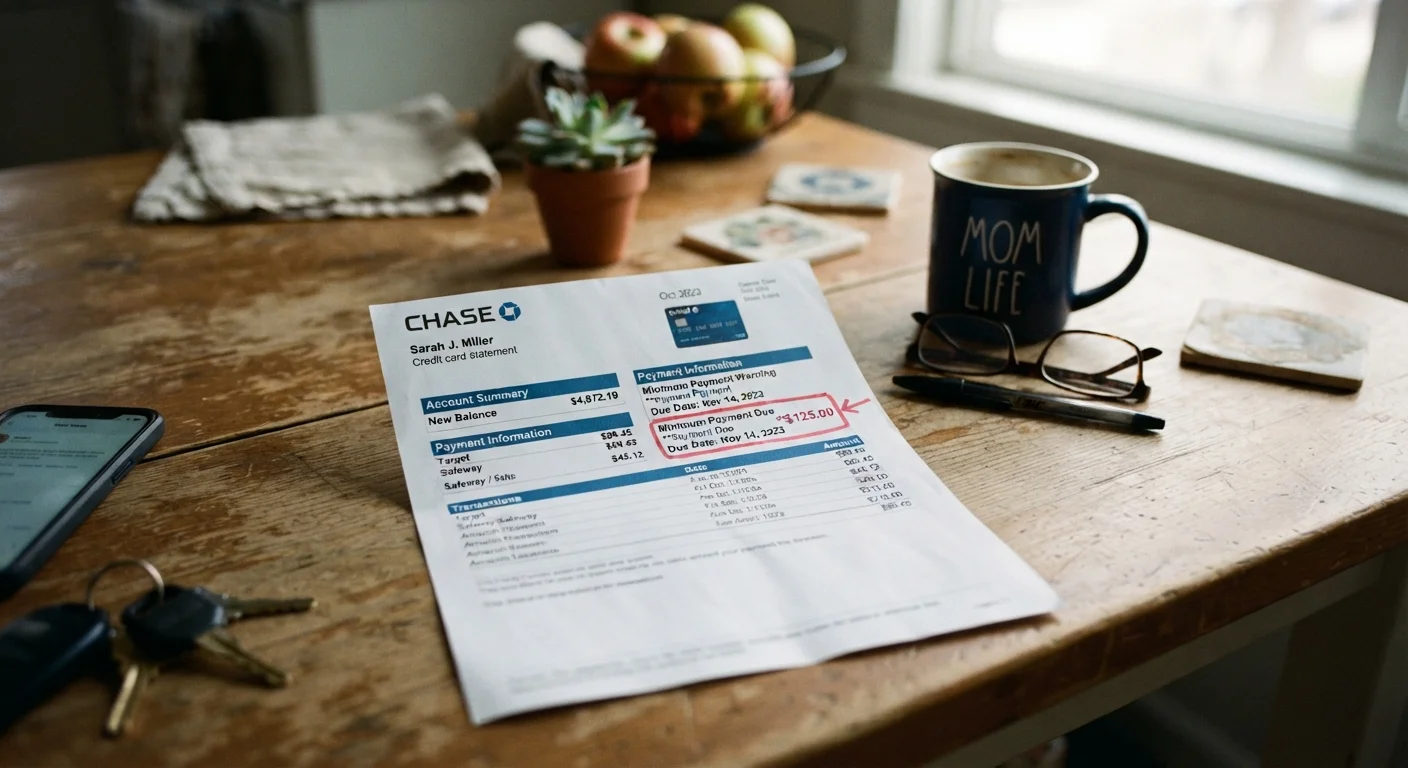
That's the compounding effect working against you instead of for you. Federal law — specifically the Credit CARD Act of 2009 — now requires issuers to print a minimum payment warning on every statement, showing how long payoff takes and total interest paid. If you've been ignoring that box, it's worth a look. It's often a wake-up call.
For a related perspective on how stretched payment timelines inflate overall cost, see our overview of loan cost trade-offs and common misconceptions about carrying a balance.
What Minimum Payments Do to Your Credit Score
Paying the minimum on time won't directly hurt your credit score — those on-time payments are reported positively to the credit bureaus. But the indirect effect is worth understanding.
Credit utilization — the percentage of your available credit you're currently using — accounts for roughly 30% of a FICO score. If your balance barely budges month after month, your utilization stays high, and that persistently high ratio drags your score downward. A $2,800 balance on a $3,500 limit means you're using 80% of that card's credit — well above the 30% threshold that most credit experts consider the upper edge of the healthy range.
In short: minimum payments protect you from late payment penalties, but they don't protect your score from the slow damage of high utilization. See overlooked factors that damage your credit score for a fuller picture of what quietly chips away at your number.
Check the Payoff Box on Your Statement
Federal law requires your credit card statement to include a minimum payment warning showing how long it will take to pay off your balance — and the total interest you'll pay — if you make only minimum payments. It also shows the monthly payment needed to pay off the balance in three years. These two numbers side by side are often the most persuasive argument for paying more.
Practical Ways to Pay More — Even on a Tight Budget
You don't need to make a dramatic financial overhaul to escape minimum-payment quicksand. Small, consistent increases make a measurable difference:
- Round up your payment. If the minimum is $47, pay $75 or $100. The extra amount goes directly to principal.
- Use windfalls strategically. Tax refunds, bonuses, or side income applied to the balance can shave months or years off repayment.
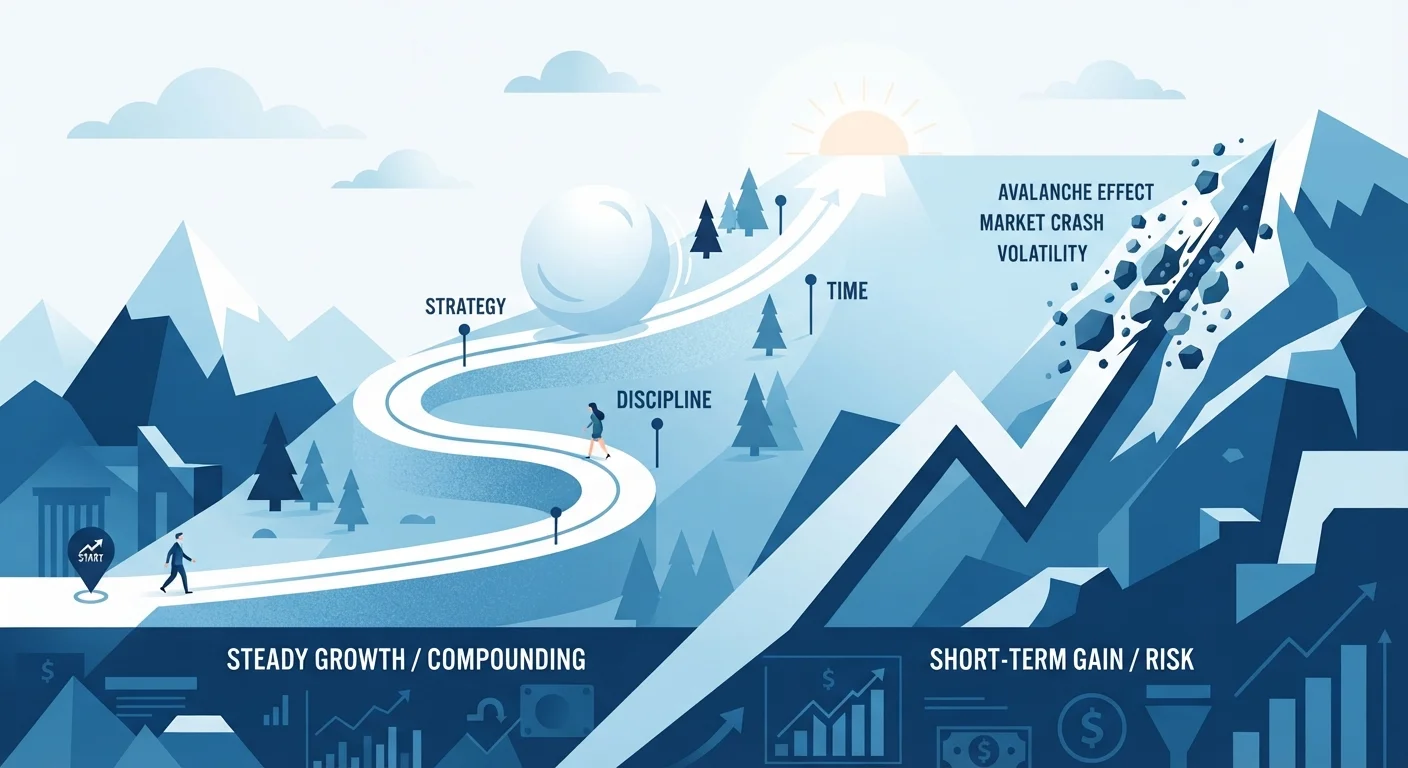
- Target one card first. Focusing extra payments on a single balance while making minimums on others accelerates payoff. For a structured approach, compare the debt avalanche and debt snowball methods to find which fits your situation.
- Check your statement's payoff box. Use that legally required disclosure to set a concrete goal — e.g., "I want to pay this off in 2 years, not 12."
None of these steps require a perfect budget or a six-figure income. They require only a clear-eyed view of what minimum payments actually cost — and the decision to pay a little more whenever possible.
This article is for general informational purposes only and does not constitute personalized financial advice. For guidance specific to your financial situation, consult a licensed financial professional.