
Why Small Purchases Add Up to a Big Problem
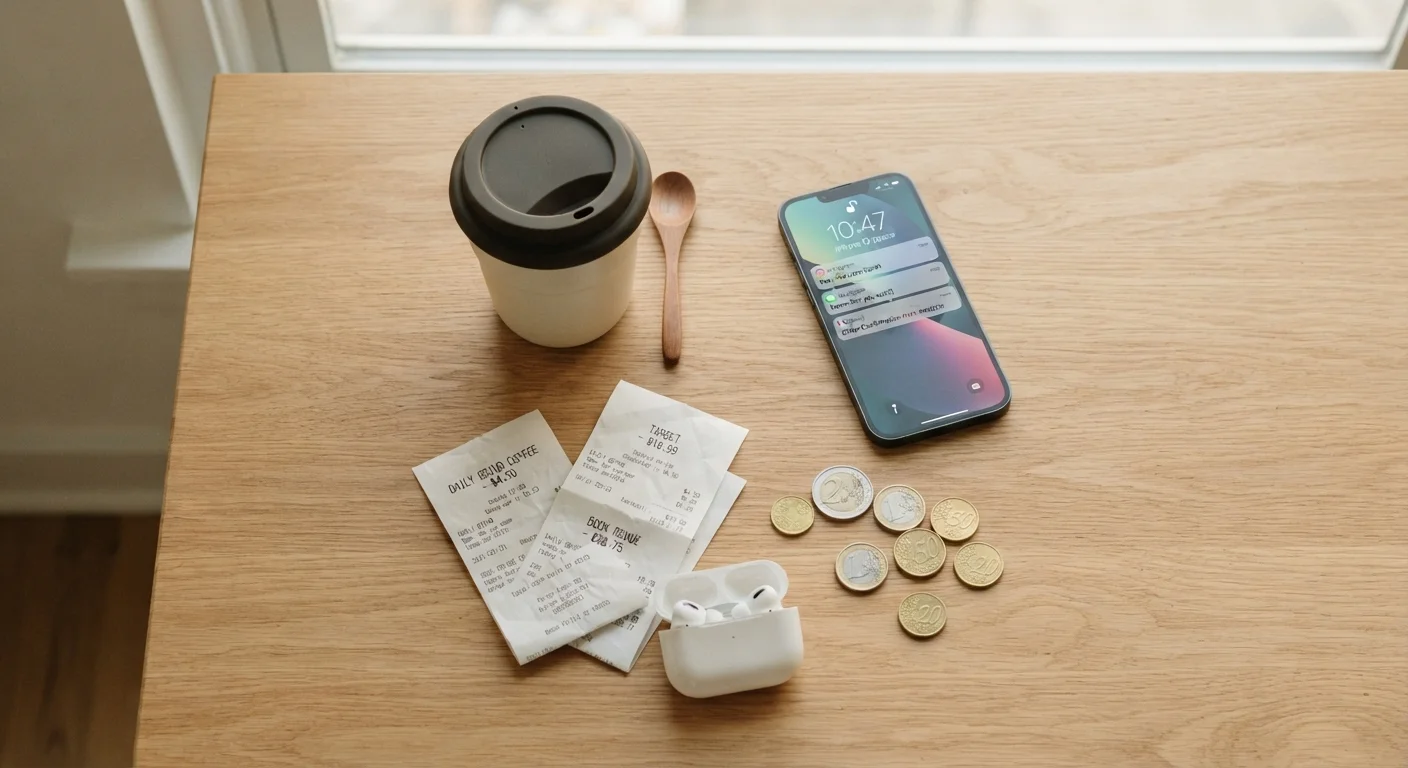
A $4 coffee, a $1.99 app upgrade, a $3 parking meter top-up — none of these feel like financial decisions. But when these micro-expenses happen multiple times a day, across dozens of categories, they quietly become a significant drain. For many millennials, untracked small spending is the difference between a budget that works and one that perpetually falls short.
Unlike a large discretionary purchase — a vacation, a new laptop — small expenses rarely trigger any mental alarm. They slide through on autopilot, often charged to a card and forgotten before the transaction even clears. The result is what personal finance educators sometimes call a "spending leak": money that exits your account without conscious intent.
This isn't about cutting every small pleasure. It's about identifying which micro-expenses are genuinely worth it and which ones are pure friction costs you'd eliminate without a second thought if you noticed them. See the complete everyday savings guide for a broader framework on building these habits across all spending categories.
Forgotten subscriptions quietly renewing each month
Streaming services, app subscriptions, cloud storage tiers, news paywalls, fitness apps — many people are paying for three to five services they barely use. Because these charges are small (typically $5–$15 each) and automatic, they rarely surface during a quick budget check. Over a year, even two unused subscriptions can cost $120–$360.
The fix is straightforward: pull up the last two months of bank and credit card statements and flag every recurring charge. Cancel anything you haven't actively used in the past 30 days. Recurring charges are easy to forget and hard to cancel — a structured review twice a year keeps them under control.
Two unused subscriptions can quietly cost $360 a year without you noticing.
Convenience and delivery fees on every order
Food delivery apps have normalized a fee structure that's easy to overlook: a delivery fee, a service fee, and sometimes a small-order surcharge — all before tip. On a $15 meal, total add-ons can push the actual cost to $25 or more. Ordered twice a week, that's an extra $1,000+ annually in fees alone.
Batching orders, using pickup instead of delivery when possible, or reserving delivery for genuine convenience rather than habit are all practical ways to reduce this. The goal isn't to eliminate the option — it's to make it a conscious choice rather than a default.
Delivery fees on a $15 meal can quietly raise the real cost to $25 or more.
ATM surcharges and out-of-network banking fees
Using an ATM outside your bank's network typically costs $3–$5 per transaction — a charge from the ATM operator and sometimes an additional fee from your own bank. If this happens a few times a month, that's $100+ a year in fees for accessing your own money.
Switching to a bank or credit union that reimburses ATM fees, planning cash withdrawals in advance, or using cash-back at grocery checkouts are all effective workarounds. This is one of the clearest examples of an avoidable cost that persists purely through habit.
Out-of-network ATM fees can cost over $100 a year just to access your own money.
Daily café runs that bypass your own kitchen
A daily specialty coffee purchase at around $5–$7 totals $1,825–$2,555 per year. That's not a moral judgment — if a morning café visit is a meaningful ritual, the value may be real. The problem is when the purchase is purely habitual: grabbing something because it's there, not because you particularly want it.
The reframe here isn't "make coffee at home every day." It's: which of these purchases do you actually look forward to, and which are just friction? Identifying even two or three low-value daily habits can free up meaningful money. Some habits were rational once but no longer serve you — this is worth examining honestly.
Daily café purchases can exceed $2,000 a year when bought out of habit rather than intention.
Impulse add-ons at checkout — digital and physical
Extended warranties on low-cost items, "just one more" add-to-cart impulse products, premium packaging upgrades, and digital in-app purchases all share a structure: they're presented at a moment of high purchase intent, framed as small relative to what you're already spending. Retailers and platforms design these moments deliberately.
Building a brief pause before any unplanned add-on — even just closing the tab and returning later — significantly reduces how often these purchases land. Research on consumer behavior consistently finds that even a short delay reduces impulse purchase rates, because the urgency is artificial rather than genuine.
Checkout add-ons exploit high purchase intent — a brief pause cuts most impulse buys.
Wasted groceries from over-buying or poor planning
The average U.S. household throws away a substantial portion of the food it buys. When you buy more than you'll eat — especially fresh produce, dairy, or bread bought without a meal plan — you're paying twice: once for the item and once for the replacement. Grocery waste is a spending leak that also has an environmental dimension.
Meal planning doesn't need to be elaborate. Even a rough list of three dinners and lunches before shopping reduces over-purchasing significantly. For a deeper look at where grocery money typically disappears, these common grocery habits quietly drain the budget every week.
Paying for groceries you throw away is one of the most invisible forms of budget waste.
Standby power and utility micro-waste at home
Electronics on standby — gaming consoles, cable boxes, phone chargers, smart TVs — draw power continuously even when not in active use. This "phantom load" doesn't show up as a single line item on your utility bill, but the cumulative effect across a household can add $100–$200 annually depending on usage patterns and local electricity rates.
Power strips with individual switches, unplugging high-draw devices when not in use, and identifying the worst offenders can reduce this. Devices on standby can quietly add up on your bill — and the fix costs nothing beyond a few changed habits.
Phantom standby power can add $100–$200 to annual utility bills across a typical household.
Turning Awareness Into Action
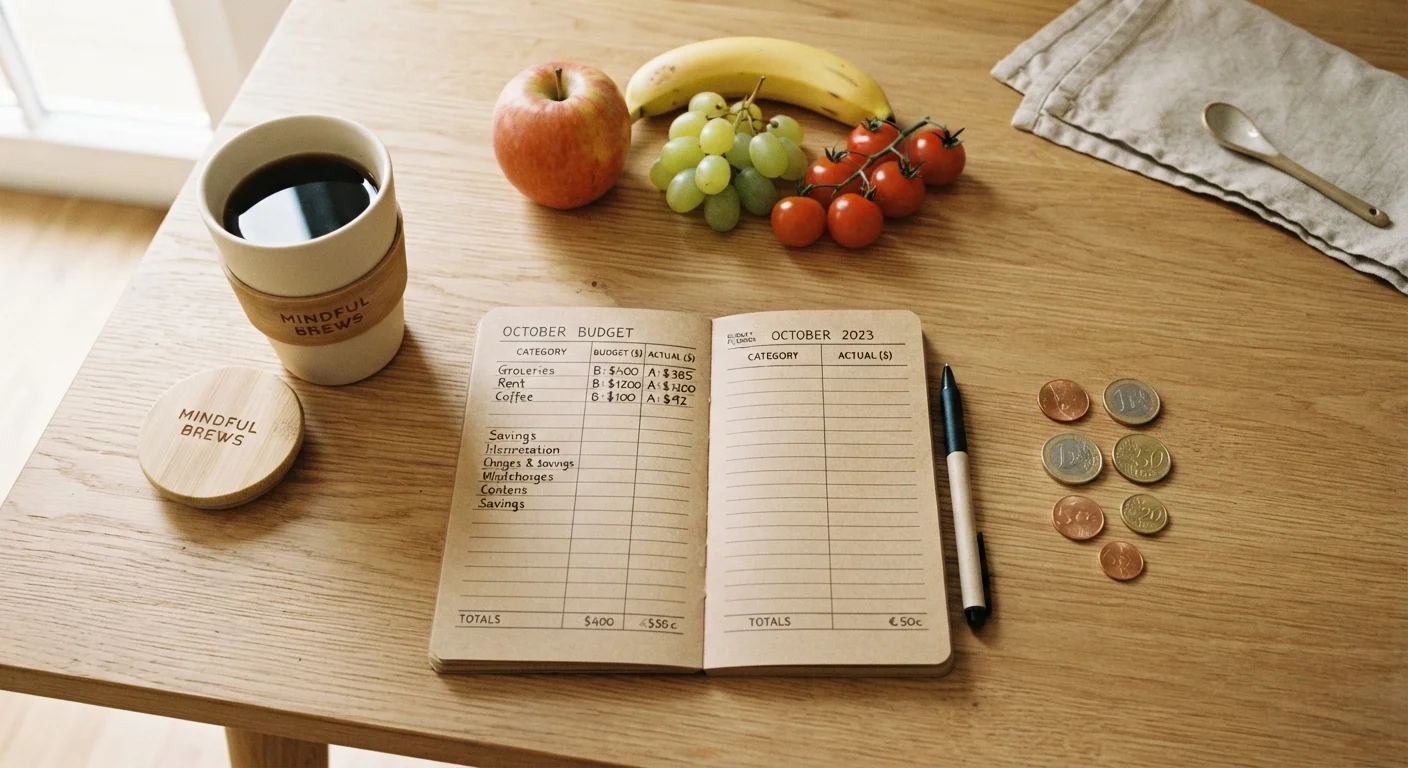
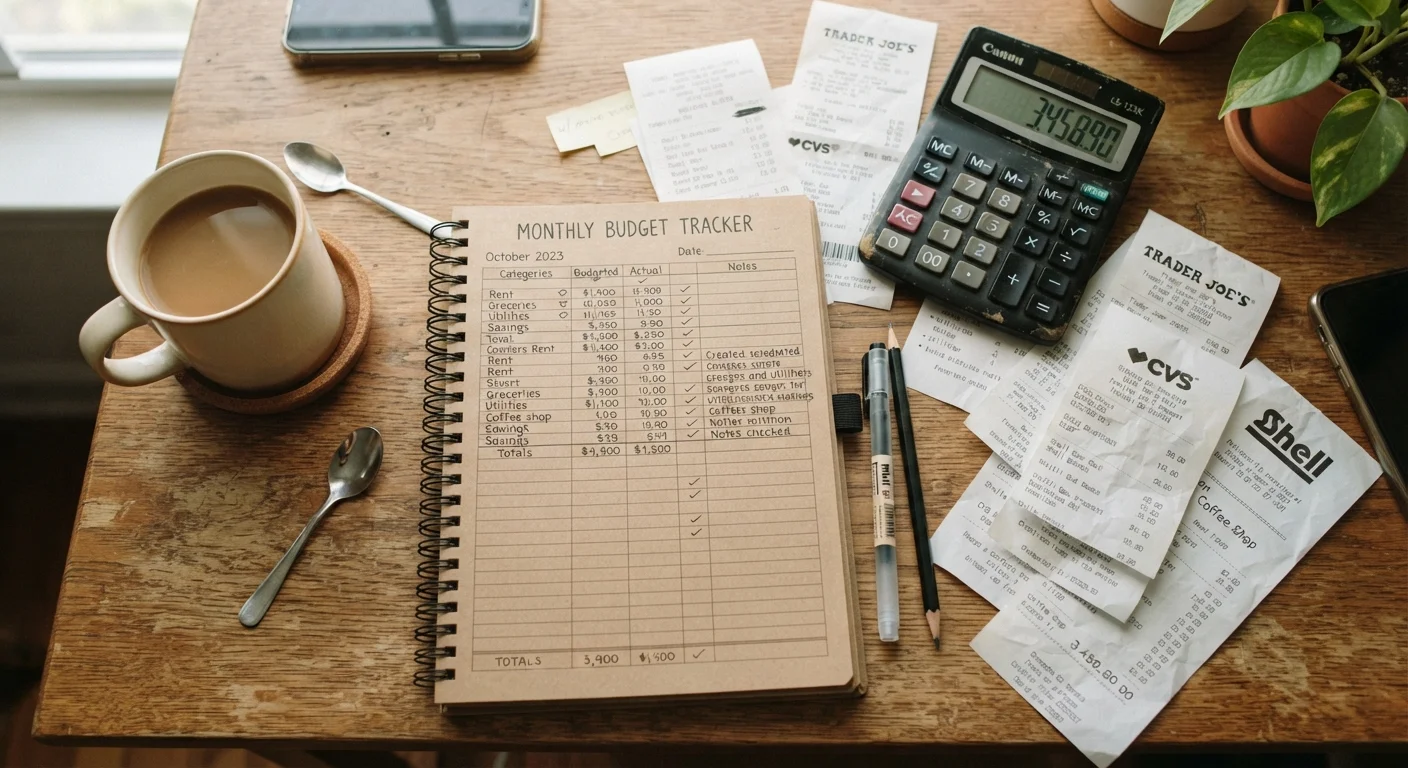
Spotting spending leaks is only useful if you act on what you find. Start with a one-week transaction audit — download your bank or credit card statement and categorize every charge under $20. Most people find the exercise genuinely surprising. You may also want to review the overlooked budget categories that drain millennial finances for line items that often go untracked entirely.
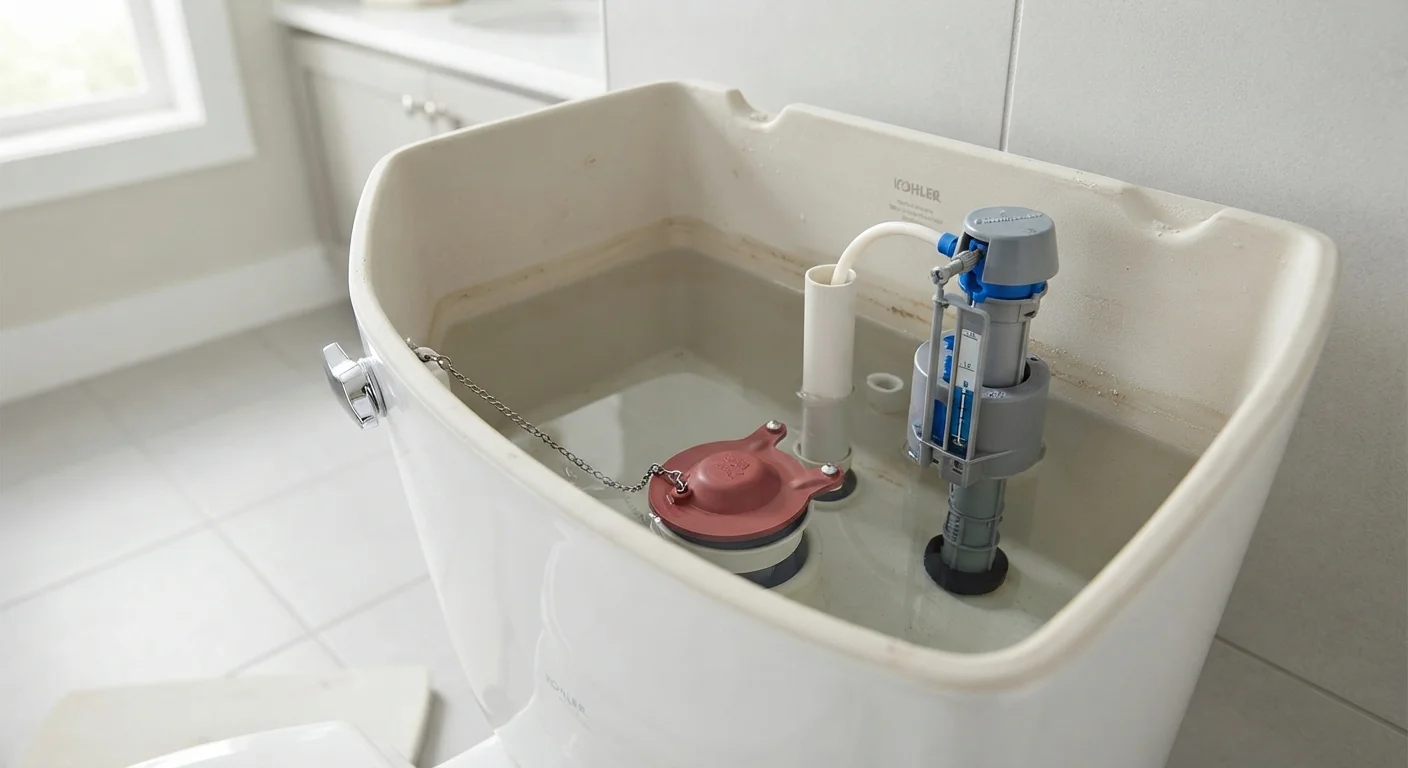
Once you've identified your personal leak patterns, treat them the same way you'd treat a dripping faucet — not a crisis, but something worth fixing before the cumulative damage grows. For home-related drains that work the same way, a constantly running toilet is a perfect physical analogy: small, continuous, and entirely fixable.
Try a one-week spending audit
Download one month of bank and credit card statements and highlight every transaction under $20. Categorize them loosely — food, fees, subscriptions, impulse — and total each group. Most people find at least one category where the total genuinely surprises them. That's your highest-value starting point for reducing leaks.
This article is for general informational purposes only and does not constitute personalised financial advice. For guidance tailored to your specific financial situation, consider consulting a qualified financial professional.