

Why "Affordable Destination" Is Not Enough Information
A place can be widely labeled a budget destination and still blow your spending plan if you haven't done the groundwork. Costs vary enormously by region within a country, by season, and by travel style. Portugal, for instance, is frequently marketed as one of Europe's more affordable stops — but as our closer look at Portugal's real travel costs shows, visitor spending often runs higher than expected once accommodation in major cities and dining at tourist-facing restaurants are factored in.
The goal of pre-trip budget research isn't to find a reason to skip a destination — it's to arrive knowing exactly what you're working with so you can make smart, informed choices on the ground. That starts with understanding what your money actually buys there, not just whether the country has a reputation for being inexpensive.
Start With the Cost, Not the Destination
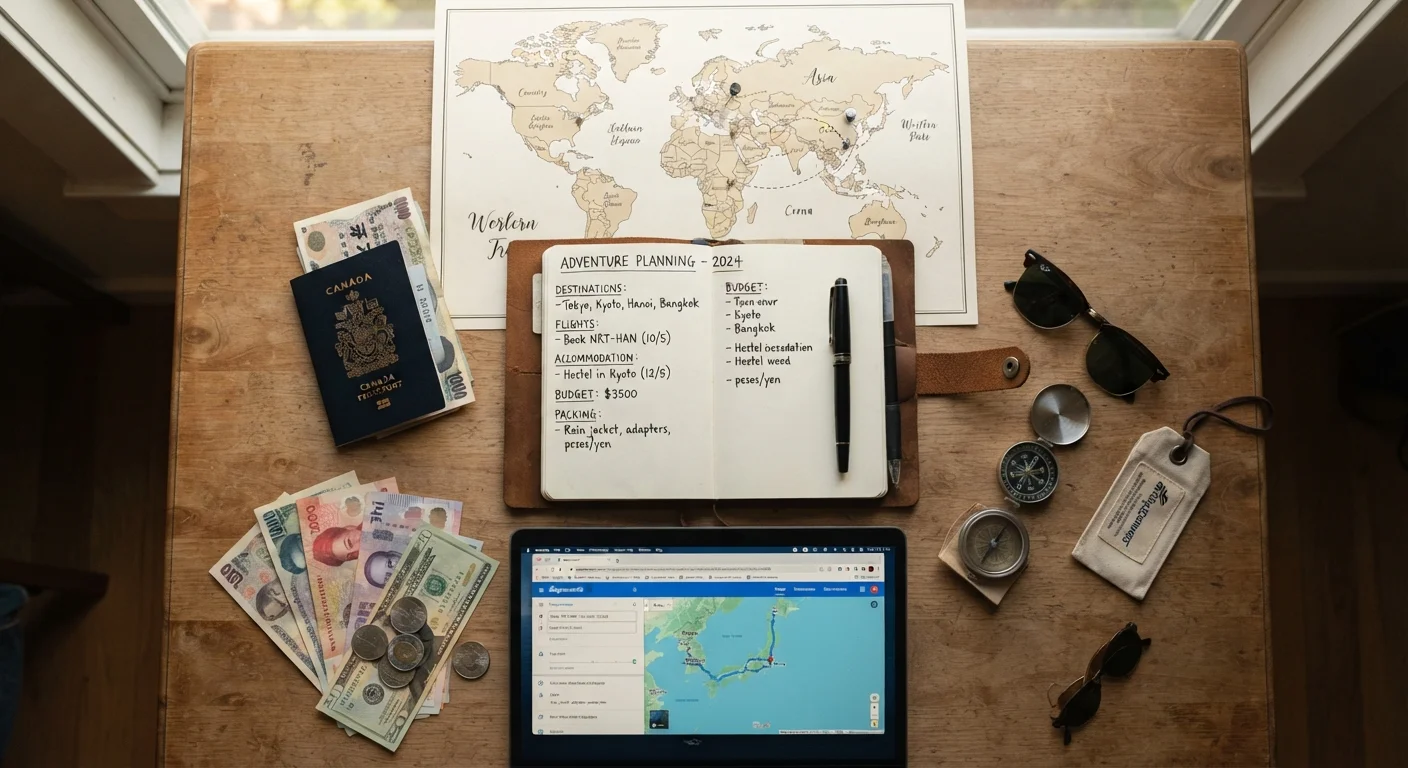
It's tempting to fall in love with a destination online and then try to make the budget work. A more reliable approach is to set your budget ceiling first, then evaluate whether a destination fits within it — rather than justifying a destination after the fact. This keeps your research objective and your finances intact.
The Framework: Five Cost Categories to Research
Rather than hunting for a single magic number, structure your research around five categories that together reflect your real daily spend.
1. Accommodation
Check platforms that show a real spread of options — from dormitory hostels to budget guesthouses to mid-range hotels. Note the price range for your preferred style, not just the cheapest listing you can find. A solo traveler and a couple split very different nightly costs.
2. Food
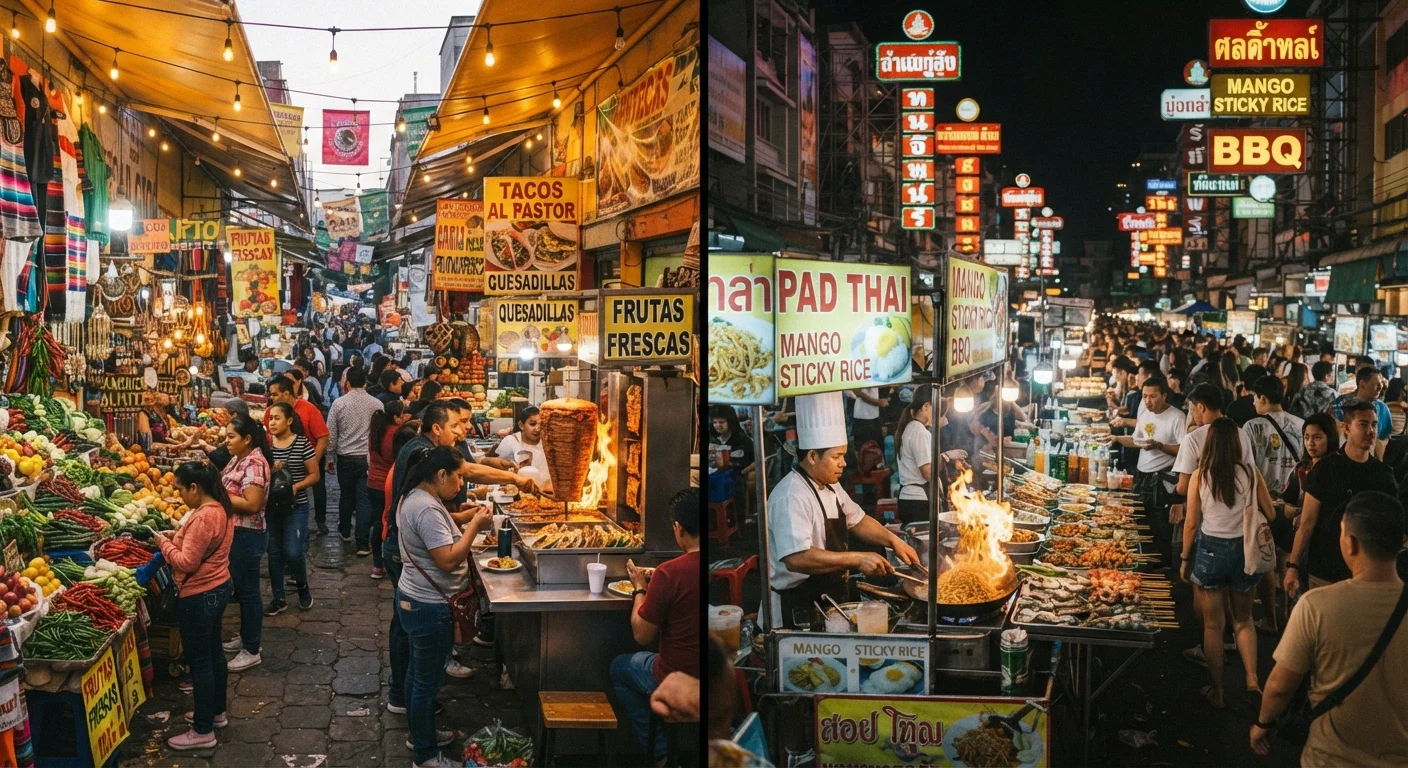
Look for what a typical local meal costs versus a sit-down restaurant meal. In many Southeast Asian cities, street food can be under $2 USD; in the same city, a restaurant catering to tourists can run $12–$20 per person. Knowing both figures helps you plan honestly. For a detailed comparison across two popular budget capitals, see our Mexico City vs. Bangkok cost breakdown.
3. Local Transport
Research what it costs to get around daily — metro fares, bus passes, rideshare estimates, or motorbike taxi rates. Also factor in the airport-to-city transfer, which is often significantly more expensive than in-city travel.
4. Activities and Entrance Fees
Many popular sights carry entrance fees that add up quickly. Research the two or three things you most want to do and cost them out explicitly. Free activities — public markets, parks, walking neighborhoods — are worth identifying too.
5. One-Time and Hidden Costs
Visa fees, travel insurance, baggage fees, and currency exchange margins are all real costs that don't show up in daily spending estimates but can account for $50–$200 or more per trip. Always add these to your overall budget before assessing whether a trip is affordable.
Tourist-Area Prices Are Not Typical Prices
Costs quoted in popular travel guides or on destination tourism sites often reflect prices in tourist-heavy neighborhoods or attractions, not the local baseline. When researching food and transport costs, specifically look for figures from travelers who made an effort to eat and move like locals. The gap between the two can be 2–3x in high-tourism areas.
How to Build Your Daily Spending Estimate
Once you've gathered figures across all five categories, construct a realistic daily rate. A workable method: identify a low-end and a mid-range number for each category, then build two scenarios — a careful day and a normal day. Average those two, then multiply by your trip length and add your one-time costs.
For example: if budget accommodation runs $15–$35/night, meals run $8–$20/day, and local transport runs $3–$6/day, your daily floor is around $26 and your mid-range ceiling is closer to $61. A 10-day trip at the average of $43/day would require roughly $430 in daily spending, plus fixed costs on top.
This kind of range-based thinking is more useful than a single number because it reflects reality — some days you'll splurge slightly, some days you'll spend almost nothing. For a broader checklist of pre-booking research steps, the pre-trip research checklist covers additional variables worth verifying before you commit.
Timing also affects cost. Visiting during peak season can meaningfully inflate accommodation prices and entrance wait times. Our off-peak vs. shoulder season guide explains how to weigh the tradeoffs.
Calibrate for Your Travel Style
No budget estimate is accurate if it's built around someone else's travel habits. A solo traveler pays full price for a private room but splits nothing; a pair traveling together can often halve accommodation costs. A traveler who eats exclusively at local spots and avoids tourist areas will spend far less than someone who defaults to convenience. Be honest about which category describes you before you finalize your numbers.
Similarly, flexible travel dates can substantially reduce your airfare — the largest single cost for most trips. Our guide on flexible vs. fixed travel dates walks through how departure timing affects what you actually pay.
Once you've run the numbers and confirmed a destination fits your budget, the habits you build on the ground matter just as much as the planning. The principles experienced budget travelers use offers a practical foundation for making the most of affordable destinations once you're there.
This article provides general travel budgeting information for educational purposes. Prices, exchange rates, visa requirements, and travel conditions change frequently — always verify current details with official government sources and reputable travel providers before booking.